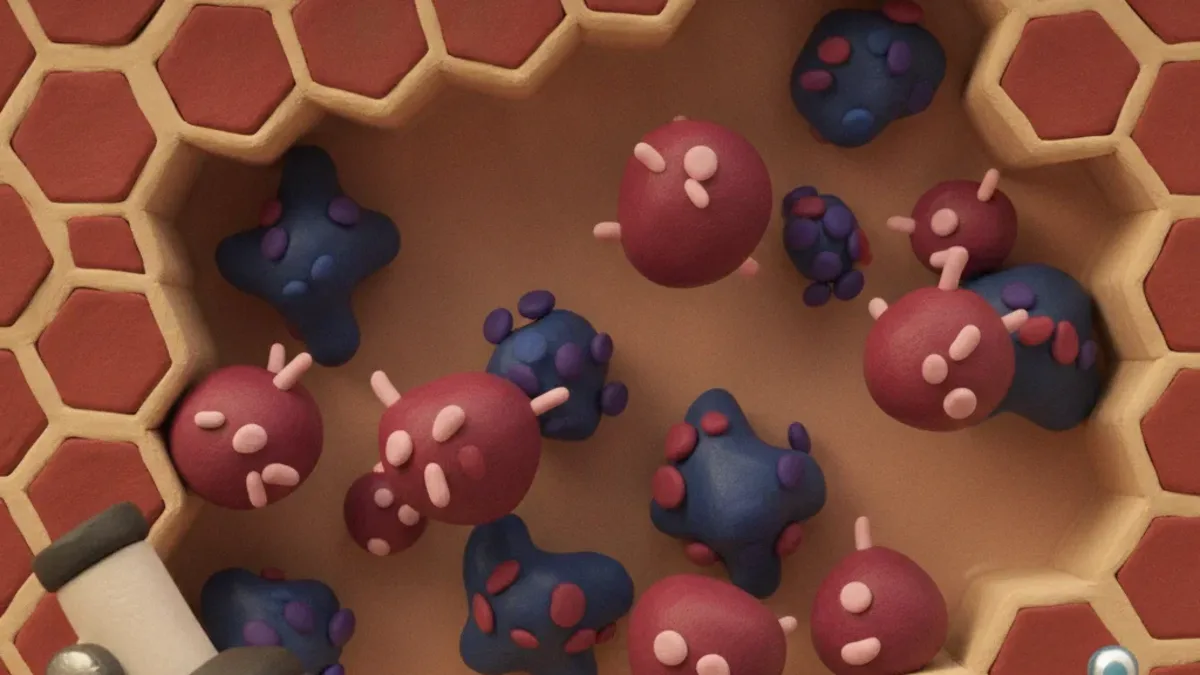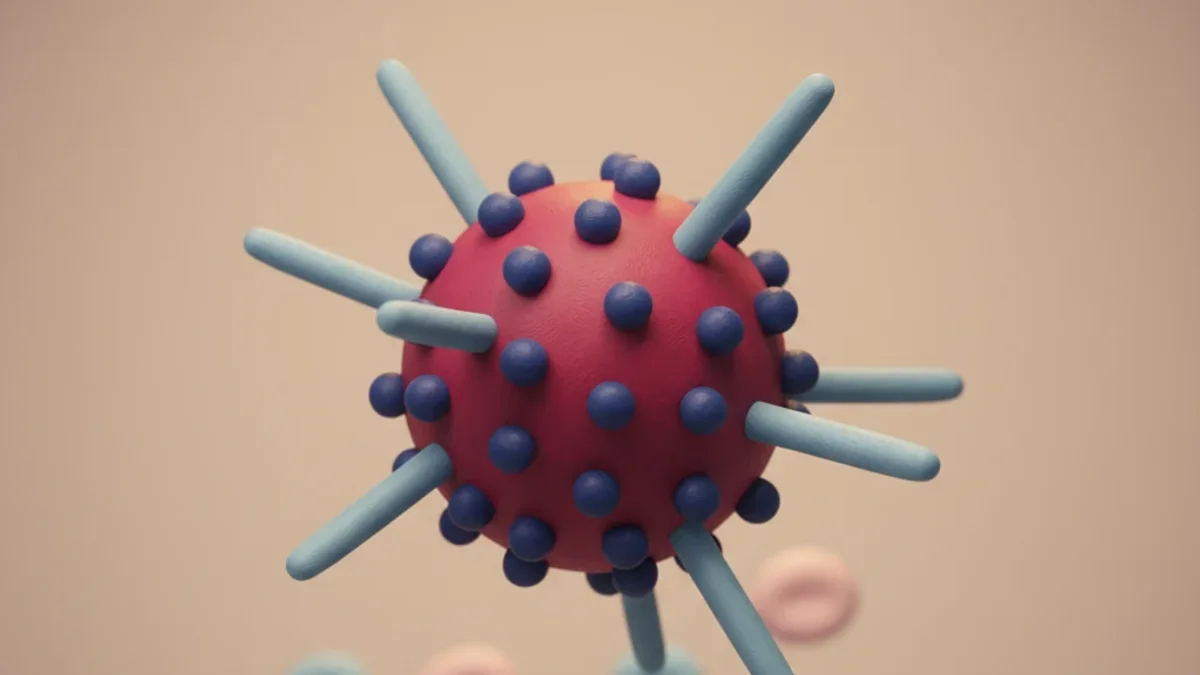

Relapsed/refractory follicular lymphoma (R/R FL) presents a persistent clinical challenge, with treatment options diminishing after successive lines of therapy. The emergence of CD20xCD3 bispecific antibodies offers a novel mechanism of action, prompting a re-evaluation of the current treatment algorithm for patients who have exhausted conventional approaches.
Follicular lymphoma (FL) is an indolent B-cell non-Hodgkin lymphoma, typically characterised by a relapsing and remitting course. While initial treatment often achieves durable responses, a significant proportion of patients will experience relapse, necessitating further therapeutic interventions. The prognosis for patients with R/R FL progressively worsens with each subsequent line of therapy, highlighting an unmet need for effective and tolerable agents in later lines.1
Current management strategies for R/R FL include chemotherapy, immunochemotherapy, radioimmunotherapy, PI3K inhibitors, EZH2 inhibitors, and autologous stem cell transplantation (ASCT) for eligible patients. However, the efficacy of these options can be limited in heavily pretreated populations, and cumulative toxicities can impact patient quality of life.2 The advent of bispecific antibodies, which simultaneously engage CD20 on malignant B-cells and CD3 on T-cells, thereby redirecting T-cell cytotoxicity, represents a significant development in this landscape.3
Positioning Bispecific Antibodies in R/R FL
Two CD20xCD3 bispecific antibodies, mosunetuzumab and glofitamab, have demonstrated efficacy in R/R FL. Mosunetuzumab, an off-the-shelf, fixed-duration bispecific antibody, has shown durable responses in patients with R/R FL who have received at least two prior lines of therapy. In a pivotal phase II study, mosunetuzumab achieved a complete response (CR) rate of 60% (95% CI, 49-70) among patients who had received a median of three prior lines of therapy. The median duration of response (DOR) for responders was 22.8 months (95% CI, 16.8-not estimable). The most common adverse events included cytokine release syndrome (CRS), typically grade 1 or 2, and neurological events.4
Glofitamab, another CD20xCD3 bispecific antibody, is administered as a fixed-duration treatment following a pre-treatment with obinutuzumab to mitigate CRS. In a phase I/II study, glofitamab demonstrated a CR rate of 63.4% (95% CI, 53.6-72.5) in patients with R/R FL who had received a median of three prior lines of therapy. The median DOR was 22.6 months (95% CI, 13.9-not estimable). Similar to mosunetuzumab, CRS was the most frequent adverse event, predominantly low-grade.5
These data position bispecific antibodies as a valuable treatment option for patients with R/R FL, particularly those who have progressed after two or more prior systemic therapies. Their off-the-shelf availability and fixed-duration treatment schedules offer practical advantages over CAR T-cell therapy, which requires apheresis, manufacturing, and a bridging period. While CAR T-cell therapy, such as axicabtagene ciloleucel and tisagenlecleucel, has demonstrated high CR rates in R/R FL, it is associated with a more intensive treatment course and a higher incidence of severe CRS and neurotoxicity.6
The choice between bispecific antibodies and CAR T-cell therapy for eligible patients in later lines of R/R FL treatment will likely depend on factors such as patient fitness, disease characteristics, prior therapies, and institutional expertise. Bispecific antibodies may be preferred for patients who are not candidates for CAR T-cell therapy due to comorbidities, rapid disease progression, or logistical constraints. Furthermore, the fixed-duration nature of bispecific antibodies may appeal to patients seeking a defined treatment period.7
Ongoing research is exploring the optimal sequencing of bispecific antibodies, their combination with other agents, and their potential utility in earlier lines of therapy. Head-to-head comparisons with CAR T-cell therapy are not yet available, and real-world data will be crucial for further refining their position within the R/R FL treatment algorithm. Long-term safety and efficacy data are also continuously being collected to better understand the durability of responses and the management of late-onset toxicities.8
The integration of bispecific antibodies into the treatment landscape for relapsed/refractory follicular lymphoma is a welcome development, offering tangible benefits for a patient population with limited options. The observed complete response rates, often exceeding 60% in heavily pretreated individuals, are compelling and certainly warrant their consideration. However, the enthusiasm must be tempered by a pragmatic understanding of their toxicity profiles, particularly cytokine release syndrome and neurotoxicity, which, while generally manageable, necessitate careful monitoring and institutional preparedness. The off-the-shelf nature of these agents provides a distinct logistical advantage over CAR T-cell therapies, potentially broadening access for patients who might otherwise be excluded due to the complexities of cell therapy.
For clinicians, the immediate challenge lies in appropriately positioning these agents within an increasingly crowded algorithm. The National Comprehensive Cancer Network (NCCN) guidelines and European Society for Medical Oncology (ESMO) recommendations will undoubtedly evolve to incorporate these therapies, likely recommending them after two or more prior lines of therapy. The decision between a bispecific antibody and CAR T-cell therapy will become a nuanced discussion, weighing the higher response rates and deeper remissions sometimes seen with CAR T against the faster access and potentially lower logistical burden of bispecifics. Patient preference, comorbidities, and the pace of disease progression will be paramount in this shared decision-making process.
From an industry perspective, the success of mosunetuzumab (Genentech/Roche) and glofitamab (Genentech/Roche) underscores the continued innovation in antibody engineering. The fixed-duration treatment model is also economically attractive, potentially reducing long-term treatment costs compared to indefinite maintenance therapies. However, the market will soon see further competition, and differentiation based on long-term safety, durability, and perhaps even earlier line indications will be key. Payers will be scrutinising the cost-effectiveness data closely, especially as more agents enter this space, demanding clear evidence of improved patient outcomes and quality of life to justify premium pricing.
- The Pivot Bispecific antibodies are now a viable option for R/R FL, particularly after two or more prior systemic therapies.
- The Data Complete response rates of 50% to 70% have been observed in heavily pretreated populations.
- The Action Clinicians should consider bispecific antibodies for patients with R/R FL who have progressed on at least two prior lines of therapy, balancing efficacy with known toxicity profiles.
ART-2026-259
Cite This Article
Team TLSFE. Bispecific antibodies positioned in relapsed follicular lymphoma. The Life Science Feed. Published June 11, 2026. Updated June 11, 2026. Accessed June 12, 2026. https://thelifesciencefeed.com/haematology/lymphoma/research/bispecific-antibodies-relapsed-follicular-lymphoma.
Editorial & AI Standards
All content is researched from peer-reviewed, open-access sources — published trial data, clinical guidelines, and regulatory filings. AI tools are used solely to structure and summarise that evidence; no AI-generated conclusions appear without editor verification against the primary source.
Every article is reviewed by a named editor before publication. Source citations are listed in the References section. This content does not represent the views of any pharmaceutical company, medical device manufacturer, or healthcare provider.
Licence & Rights
© 2026 The Life Science Feed. All rights reserved. Unless otherwise indicated, all content is the property of The Life Science Feed and may not be reproduced, distributed, or transmitted in any form or by any means without prior written permission.
Medical Disclaimer
The information provided on The Life Science Feed is for educational and informational purposes only. It is not intended as a substitute for professional medical advice, diagnosis, or treatment. Always seek the advice of your physician or other qualified healthcare provider regarding any medical condition or treatment decision. Never disregard professional medical advice or delay in seeking it because of something you have read on this website.
References
1. Salles G, et al. Follicular lymphoma. Lancet. 2020;395(10229):1025-1042.
2. Gribben JG. How I treat follicular lymphoma. Blood. 2020;135(15):1227-1236.
3. Budde LE, et al. Bispecific antibodies in B-cell non-Hodgkin lymphoma: a review of current data and future directions. Blood Adv. 2022;6(1):298-310.
4. Sehn LH, et al. Mosunetuzumab for relapsed or refractory follicular lymphoma. N Engl J Med. 2022;387(14):1297-1309.
5. Morschhauser F, et al. Glofitamab in relapsed or refractory follicular lymphoma: a phase 1/2 study. Lancet Oncol. 2023;24(1):63-74.
6. Neelapu SS, et al. Axicabtagene Ciloleucel in Relapsed or Refractory Indolent Lymphoma. N Engl J Med. 2024;390(1):31-42.
7. Nastoupil LJ, et al. Bispecific Antibodies in Follicular Lymphoma: A New Frontier. J Clin Oncol. 2023;41(1):1-4.
8. Bachy E, et al. Current and emerging treatment options for relapsed/refractory follicular lymphoma. Blood Rev. 2023;61:101097.