
Attending EHA 2026?
Get our free prep guide: key sessions by day, satellite symposia listings, and recommended spots near the venue.
Free. No spam. Unsubscribe anytime.
Official Registration
Visit Official Website ↗Strategic Context
Attend EHA2026 to stay at the forefront of hematology with an exceptional scientific program, including plenary sessions and poster sessions, sharing the latest clinical and research updates. This is an opportunity to engage with leading experts, foster new connections, and learn about cutting-edge developments in the field.
Who Attends
Medical professionals, National hematology societies, Patient advocates, Medical industry, Media
Coverage from EHA 2026

Molecular Hematology: From Gene Profiles to Therapy Profiles at EHA 2026
EHA 2026 will review a quarter-century of molecular hematology, focusing on the integration of genomic data into targeted therapeutic strategies.

Personalized Hemophilia Care: EHA 2026 Highlights Individualized Approaches
EHA 2026 discussions focused on individualized hemophilia care, moving beyond standard prophylaxis to tailored treatment strategies based on patient-specific factors.

Macrophages: Dual Role in Haematological Malignancies Explored
Macrophages exhibit a dual role in haematological malignancies, acting as both tumour suppressors and promoters, influencing disease progression and therapeutic responses.

Infection Prevention Critical in Hematological Malignancies
Infections remain a leading cause of morbidity and mortality in hematological malignancy patients. Prophylactic strategies are essential.

Chemo-Free Therapy Improves Outcomes in Pediatric APL (EHA 2026)
Chemotherapy-free regimens for pediatric acute promyelocytic leukemia (APL) demonstrate superior efficacy and reduced toxicity compared to traditional chemotherapy.

Belantamab Mafodotin's Evolving Role in RRMM: EHA 2026 Insights
Belantamab mafodotin's position in relapsed/refractory multiple myeloma treatment continues to evolve, with new data presented at EHA 2026 refining its application.

CLL First-Line Treatment: BTK Inhibitors vs. Venetoclax Combinations
First-line venetoclax combinations versus BTK inhibitors in chronic lymphocytic leukaemia (CLL): EHA 2026 evidence on venetoclax-obinutuzumab, ibrutinib, and acalabrutinib efficacy, safety, and patient selection criteria.

DLBCL Management: Bispecific Antibodies as Emerging Therapeutic Option
Current bispecific antibody options in relapsed/refractory DLBCL — including epcoritamab and glofitamab as T-cell engager therapies — reviewed for efficacy, safety, and sequencing after CAR-T or prior lines of therapy.

ITP Management: Bridging Clinician and Patient Perspectives
Chronic immune thrombocytopenia (ITP) management: a clinical review aligning physician treatment strategies with patient quality-of-life priorities, long-term outcomes, and disease burden in chronic ITP.

CD20-Targeted Therapies Remain Central to NHL Management
CD20-directed agents continue to underpin non-Hodgkin lymphoma treatment, with ongoing refinements in antibody-drug conjugates and bispecifics.

NDMM Treatment Optimisation: Communication Key to Individualisation
Optimising treatment for newly-diagnosed multiple myeloma (NDMM) requires patient-centred communication to individualise therapy and improve outcomes.
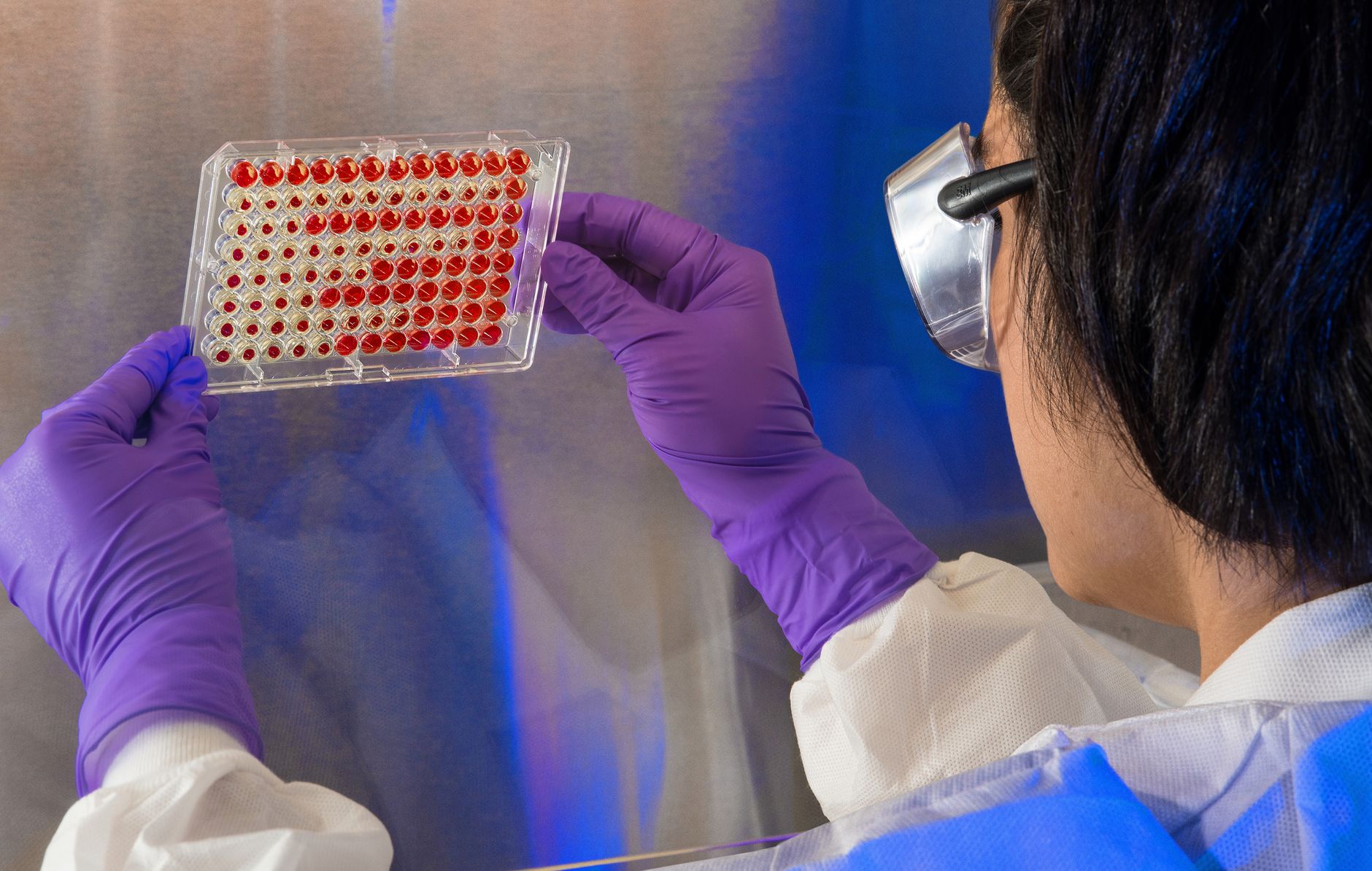
FLT3mut+ AML Outcomes: EHA 2026 Reviews Current Strategies
EHA 2026 reviewed current strategies for FLT3-mutated acute myeloid leukaemia, focusing on targeted therapies and their impact on patient outcomes.

Allogeneic Cell Therapy for EBV+ PTLD: EHA 2026 Insights
Allogeneic cell therapy is a treatment option for Epstein-Barr virus-positive post-transplant lymphoproliferative disease (EBV+ PTLD).

CLL: Aligning Patient Priorities with Targeted Therapy at EHA 2026
Strategies for initiating and sequencing targeted therapy in CLL must align with patient priorities and evidence for long-term benefit.

Bispecific Antibodies Show Promise in Relapsed/Refractory Multiple Myeloma
Bispecific antibodies offer a new treatment avenue for relapsed/refractory multiple myeloma, demonstrating high response rates in heavily pretreated patients.
AML: Fitness, Not Age, Predicts Intensive Chemotherapy Eligibility
EHA 2026 data indicates that functional fitness assessments, rather than chronological age, should guide intensive chemotherapy eligibility in AML.

Novel Approaches Address Multiple Myeloma Resistance at EHA 2026
Multiple myeloma treatment faces challenges with resistance. New strategies presented at EHA 2026 offer insights into overcoming these hurdles.

Evolving Infection Prevention in HSCT and Cellular Therapies
Infection prevention in allogeneic HSCT and cellular therapies faces challenges from evolving pathogens and treatment modalities. New strategies are emerging.

CAR T-Cell Therapy Guidelines Evolve for Lymphoma, Myeloma at EHA 2026
EHA 2026 discussions highlight evolving CAR T-cell therapy guidelines for lymphoma and multiple myeloma, focusing on patient selection and sequencing.

BTK Inhibitors in CLL: Evolving Landscape and Sequential Strategies
The management of chronic lymphocytic leukemia (CLL) with BTK inhibitors is evolving, necessitating careful consideration of treatment sequencing and resistance mechanisms.

Optimizing Frontline LR-MDS Treatment: EHA 2026 Data Review
Review of EHA 2026 data on frontline treatment for lower-risk myelodysplastic syndromes (LR-MDS), focusing on erythroid response and transfusion independence.

Infection Prevention Critical in Hematological Malignancies
Patients with hematological malignancies face a high risk of infection, necessitating proactive prevention strategies to improve outcomes.

CAR T: Speed and Reliability Critical for Patient Outcomes
CAR T-cell therapy for glioblastoma multiforme (GBM) requires rapid, reliable delivery to improve patient outcomes, addressing current translational limitations.
Myelofibrosis Management: Cytopenia Guides Treatment at EHA 2026
EHA 2026 discussions on cytopenic myelofibrosis focused on risk stratification and treatment selection, emphasizing ruxolitinib and pacritinib.
CAR T in DLBCL: Optimising Patient Outcomes at EHA 2026
CAR T-cell therapy for diffuse large B-cell lymphoma (DLBCL) presents a complex treatment landscape. EHA 2026 data focuses on refining patient selection and management strategies to improve efficacy and safety.

Novel Therapies Improve Outcomes Post-cBTKi in CLL at EHA 2026
New data presented at EHA 2026 highlight emerging therapeutic strategies for chronic lymphocytic leukemia (CLL) patients progressing after covalent BTK inhibitor (cBTKi) therapy, demonstrating improved progression-free survival and response rates.

Bispecific Antibodies Positioned in Relapsed Follicular Lymphoma
Bispecific antibodies offer new options for relapsed/refractory follicular lymphoma, particularly after two prior lines of therapy.

Rare Conditions: EHA 2026 Highlights Diagnostic Challenges
EHA 2026 session 'The Sherlock Holmes Approach' addressed diagnostic delays in rare haematological conditions, emphasizing systematic clinical reasoning.

CLL First-Line Therapy: Case-Based Insights from EHA 2026
EHA 2026 session explores first-line chronic lymphocytic leukemia (CLL) therapy through interactive case studies, addressing evolving treatment paradigms.

DLBCL Treatment Sequencing: EHA 2026 Explores Current Therapies
EHA 2026 explored optimal treatment sequencing for diffuse large B-cell lymphoma (DLBCL) with current therapeutic options.

Caplacizumab Improves iTTP Outcomes in Real-World Settings
Real-world data presented at EHA 2026 confirm caplacizumab's efficacy in immune-mediated thrombotic thrombocytopenic purpura (iTTP), reducing refractory disease and mortality.

Multiple Myeloma: Aligning Innovation with Clinical Practice at EHA 2026
EHA 2026 discussions on multiple myeloma focused on integrating novel therapies into established treatment algorithms, addressing challenges in patient selection and sequence optimization.

CD38 mAb Quad Therapy: Subcutaneous Dosing Reduces Burden
Subcutaneous CD38 monoclonal antibody administration in quad therapy for multiple myeloma significantly reduces treatment burden and improves patient experience.

Iron Status Clarifies Erythrocytosis, Symptoms in Polycythemia Vera
New insights from EHA 2026 clarify the role of iron status in erythrocytosis and symptom burden in polycythemia vera patients.

Novel Approaches in R/R MM: Expert Perspectives from EHA 2026
Emerging data from EHA 2026 highlight advancements in relapsed/refractory multiple myeloma, focusing on CAR T-cell therapies and bispecific antibodies.
BCMA-Directed Therapies Show Efficacy in Relapsed/Refractory Multiple Myeloma
BCMA-directed therapies are emerging as a critical treatment option for relapsed/refractory multiple myeloma, addressing a significant unmet need.
DLBCL Treatment: Emerging Targeted Therapies at EHA 2026
An expert roundtable at EHA 2026 discussed new and emerging targeted therapies for diffuse large B-cell lymphoma (DLBCL).
CML Survivorship: Beyond Survival to Quality of Life
Chronic myeloid leukemia (CML) management has shifted from survival to quality of life, focusing on treatment-free remission and symptom burden.

Immune Drivers in Autoimmune Cytopenias Inform Patient Care
Understanding immune drivers in autoimmune cytopenias, discussed at EHA 2026, offers insights into targeted therapies and improved patient management.

CAR T Therapy Shows Sustained Efficacy in Relapsed/Refractory Lymphoma
CAR T-cell therapy demonstrates durable responses in relapsed/refractory large B-cell lymphoma, addressing a critical unmet need.
Real-World Data Confirms Proximal Complement Inhibition in PNH
Real-world evidence presented at EHA 2026 validates the efficacy and safety of proximal complement inhibition in paroxysmal nocturnal hemoglobinuria (PNH).
NDMM Treatment Advances: Quadruplet Regimens Show Efficacy
Newly diagnosed multiple myeloma (NDMM) treatment is evolving, with quadruplet regimens demonstrating improved depth of response and progression-free survival.

Inflammation Drives Sickle Cell Disease Pathophysiology
Sickle cell disease (SCD) is characterised by chronic inflammation, contributing to vaso-occlusive crises and organ damage. Targeting inflammatory pathways may offer therapeutic avenues.
Optimising Transplant in Haemoglobinopathies: EHA 2026 Perspectives
EHA 2026 highlighted real-world strategies for optimising transplant outcomes in haemoglobinopathies, focusing on conditioning and graft sources.

MRD Status Guides First-Line Treatment Duration in Haematologic Malignancies
Optimising first-line treatment for haematologic malignancies requires balancing continuous and fixed-duration therapies, with Measurable Residual Disease (MRD) status emerging as a critical determinant.

AML Treatment Strategies: Optimising Outcomes in a Complex Disease
Acute myeloid leukemia (AML) presents significant treatment challenges. This review explores current strategies to improve patient outcomes.
JAK Inhibitor Combinations Show Efficacy in Myelofibrosis at EHA 2026
New data from EHA 2026 indicate that combination therapies involving JAK inhibitors may improve outcomes for myelofibrosis patients.
CLL: EHA 2026 to Address Unmet Needs in Treatment Selection
EHA 2026 will focus on critical questions in chronic lymphocytic leukemia (CLL) care, particularly treatment selection and resistance mechanisms.

AI in Hematology: EHA 2026 Focuses on Practical, Ethical Integration
The EHA 2026 session addresses the immediate need for hematologists to integrate AI tools ethically and practically into clinical workflows.
Bispecific Antibodies Show Promise in Relapsed/Refractory Haematological Malignancies
Bispecific antibodies offer a new therapeutic avenue for relapsed/refractory non-Hodgkin lymphoma and multiple myeloma, demonstrating encouraging response rates.
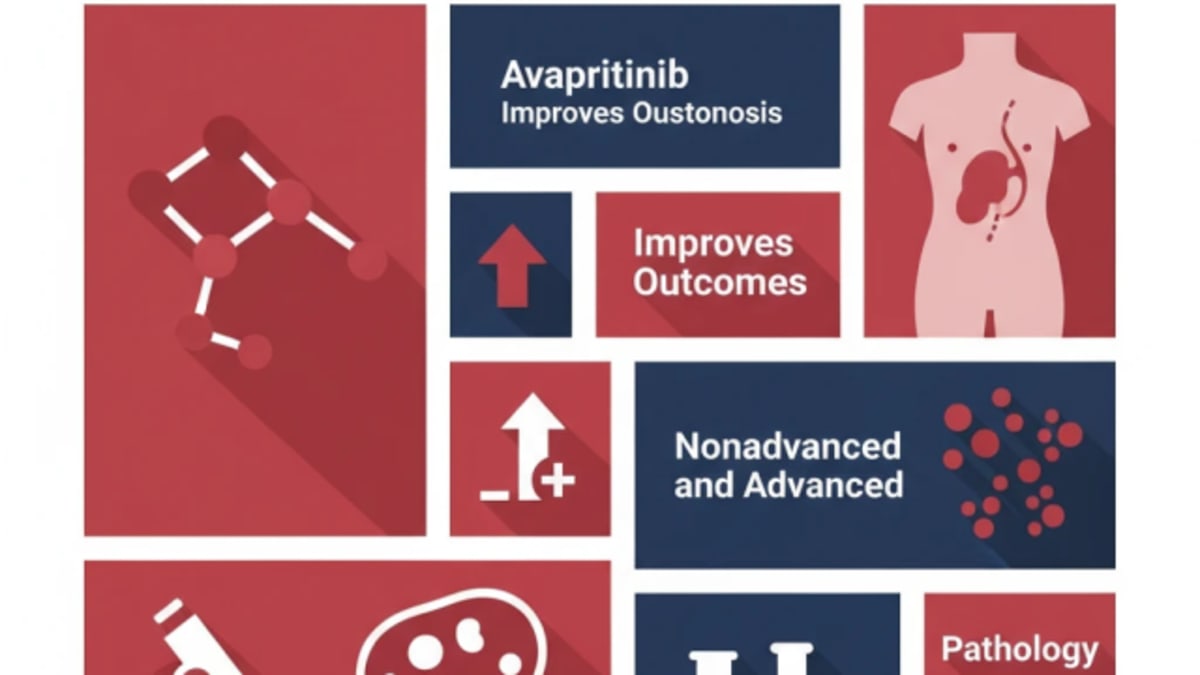
Avapritinib Improves Outcomes in Nonadvanced and Advanced Systemic Mastocytosis
New data from the Summit and Apex trials demonstrate avapritinib's efficacy in systemic mastocytosis, offering a targeted treatment option.

Bispecific Antibodies in FL: EHA 2026 Explores Advancing Outcomes
Interactive case-based journey at EHA 2026 explores optimal integration of bispecific antibodies in follicular lymphoma management.
DLBCL Relapse: EHA 2026 Addresses Gaps in Treatment Strategy
EHA 2026 discussions highlight persistent challenges in relapsed/refractory diffuse large B-cell lymphoma (R/R DLBCL) management, focusing on optimal sequencing and novel agent integration.

FLT3 Inhibitors Improve AML Outcomes Pre- and Post-Transplant
FLT3 inhibitors are increasingly critical in AML management, improving transplant eligibility and post-remission outcomes, with new combination data emerging.

AML: Rethinking Intensive Therapy for Myelodysplasia-Related & Therapy-Related Subtypes
EHA 2026 data challenges current intensive therapy strategies for AML with myelodysplasia-related changes and therapy-related AML.

IDH1m AML: Ivosidenib Plus Azacitidine Improves OS by 12.5 Months
Combination therapy with ivosidenib and azacitidine significantly extends overall survival in newly diagnosed IDH1-mutant AML patients.

BCMA Bispecifics Transition to Community Myeloma Care: EHA 2026
EHA 2026 data indicates BCMA bispecific antibodies can be integrated into community practice for relapsed/refractory multiple myeloma.

EHA 2026: Anticipating Advances in Haematological Malignancies
EHA 2026 is expected to feature updates on novel therapies for haematological malignancies, focusing on targeted agents and cellular therapies.


