
Patients with relapsed or refractory (R/R) large B-cell lymphoma (LBCL) face a poor prognosis following standard second-line therapies, with historical objective response rates often below 30% and median overall survival measured in months. The advent of chimeric antigen receptor (CAR) T-cell therapy has provided a new treatment modality, offering the potential for long-term remission in a subset of these patients.
Relapsed or refractory large B-cell lymphoma (R/R LBCL) represents a significant clinical challenge. For patients who fail to achieve remission or relapse after initial chemoimmunotherapy, second-line options typically include salvage chemotherapy followed by high-dose chemotherapy and autologous stem cell transplantation (ASCT) for transplant-eligible individuals. However, a substantial proportion of patients are either ineligible for ASCT or experience disease progression post-ASCT, leaving limited effective treatment avenues.1 The median overall survival for patients with primary refractory LBCL or those relapsing within 12 months of initial therapy is historically poor, often less than six months.1 This clinical context underscores the urgent need for novel therapeutic strategies capable of inducing durable responses in this high-risk population.
CAR T-Cell Therapy in R/R LBCL
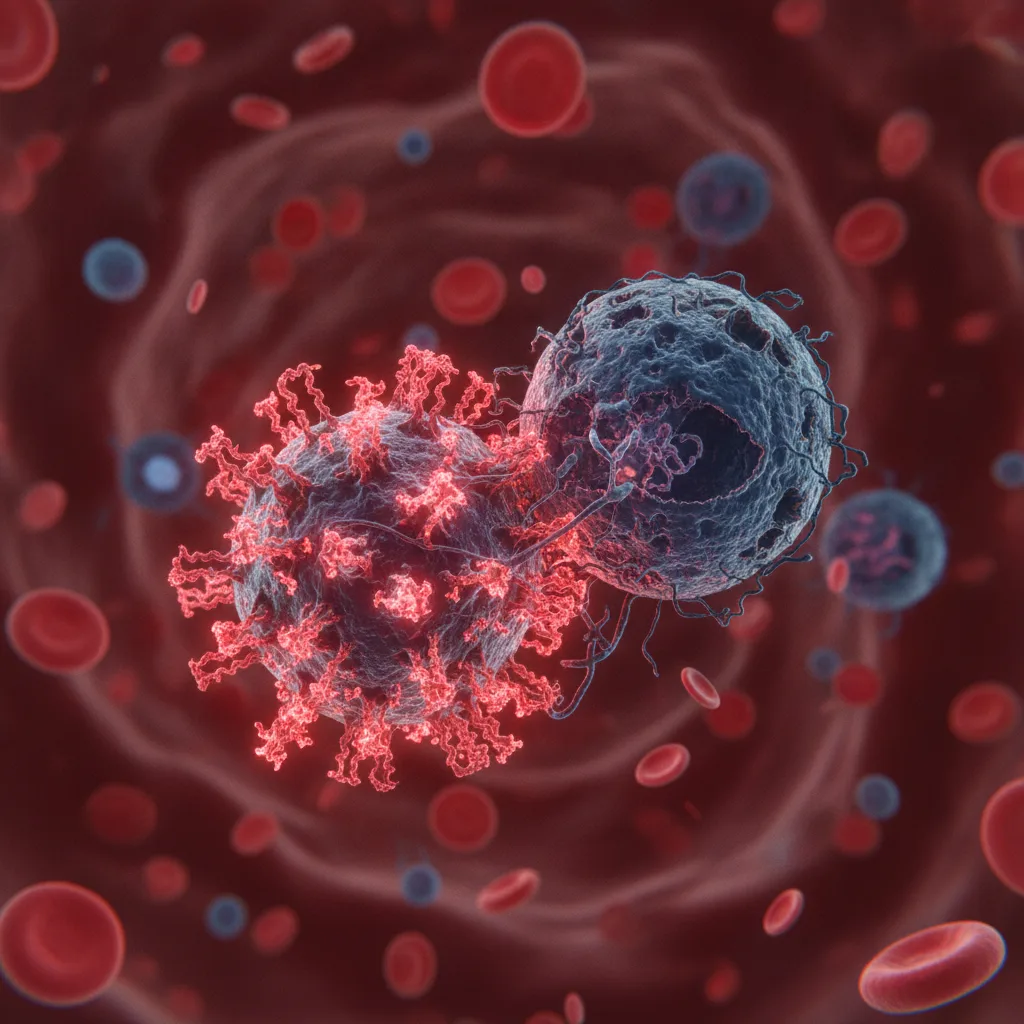
Chimeric antigen receptor (CAR) T-cell therapy involves genetically modifying a patient's own T-cells to express a CAR that targets a specific antigen on cancer cells, most commonly CD19 in LBCL. These modified T-cells are then expanded ex vivo and reinfused into the patient, where they can recognize and eliminate CD19-expressing lymphoma cells.2 The development of CAR T-cell therapies, including axicabtagene ciloleucel (axi-cel), tisagenlecleucel (tisa-cel), and lisocabtagene maraleucel (liso-cel), has transformed the treatment landscape for R/R LBCL.3
Pivotal trials evaluating these CD19-directed CAR T-cell therapies have consistently demonstrated superior efficacy compared to historical controls and, in some cases, against standard of care. The ZUMA-1 trial, which evaluated axi-cel in adult patients with R/R LBCL after two or more lines of systemic therapy, reported an objective response rate (ORR) of 83% and a complete response (CR) rate of 58%.4 At a median follow-up of 51.1 months, the median overall survival was 25.8 months.4 The JULIET trial, investigating tisa-cel in a similar patient population, showed an ORR of 52% and a CR rate of 40%, with a 3-year overall survival rate of 33%.5 The TRANSCEND NHL 001 trial, examining liso-cel, reported an ORR of 73% and a CR rate of 54% in R/R LBCL patients, with a median duration of response of 10.5 months.6 These data highlight the capacity of CAR T-cell therapy to induce deep and durable remissions in a significant proportion of patients who previously had limited options.
Adverse events associated with CAR T-cell therapy include cytokine release syndrome (CRS) and immune effector cell-associated neurotoxicity syndrome (ICANS).7 While these toxicities can be severe, they are generally manageable with established protocols, including corticosteroids and tocilizumab.7 The incidence and severity of CRS and ICANS vary between different CAR T-cell products, with axi-cel generally associated with higher rates of severe CRS and ICANS compared to tisa-cel and liso-cel.8 Long-term follow-up data from these trials continue to demonstrate sustained responses, suggesting that a proportion of patients achieve long-term disease control or potential cure.4-6
Further studies, such as the ZUMA-7 and TRANSFORM trials, have investigated CAR T-cell therapy in the second-line setting for patients with primary refractory LBCL or early relapse (within 12 months of first-line therapy). ZUMA-7 compared axi-cel to standard of care (salvage chemotherapy followed by ASCT) and demonstrated a significantly longer event-free survival (EFS) with axi-cel (median 8.3 months vs. 2.0 months; HR 0.40; p < 0.001).9 Similarly, the TRANSFORM trial showed superior EFS with liso-cel compared to standard of care (median 10.1 months vs. 2.3 months; HR 0.34; p < 0.0001).10 These results indicate a potential shift towards earlier integration of CAR T-cell therapy in the treatment algorithm for high-risk R/R LBCL patients.
Despite the promising efficacy, challenges remain, including patient eligibility, access to treatment centers, manufacturing time, and managing toxicities. Ongoing research focuses on optimizing CAR T-cell constructs, developing allogeneic CAR T-cell therapies, and identifying biomarkers to predict response and toxicity.11 The EHA 2026 meeting is expected to feature updated long-term follow-up data and real-world evidence, further solidifying the role of CAR T-cell therapy in lymphoma management.
The sustained efficacy data presented at EHA 2026 for CAR T-cell therapies in relapsed/refractory large B-cell lymphoma should prompt a re-evaluation of treatment pathways for eligible patients. The consistent demonstration of durable complete responses, even in heavily pretreated populations, means that for many, CAR T is no longer a last resort but a genuine curative intent option. General practitioners and specialists alike must be aware of the referral criteria and the critical window for intervention, particularly as evidence supports its use in earlier lines of therapy for high-risk patients. Delaying referral for CAR T evaluation risks missing the optimal treatment opportunity, given the rapid progression characteristic of R/R LBCL.
For the pharmaceutical industry, the continued success of CD19-directed CAR T-cells like axicabtagene ciloleucel, tisagenlecleucel, and lisocabtagene maraleucel reinforces the commercial viability of these complex, high-cost therapies. However, the focus must now shift beyond initial approval to improving accessibility, reducing manufacturing turnaround times, and managing the logistical burden on treatment centers. The high price point remains a significant barrier for healthcare systems, necessitating ongoing discussions about value-based pricing and potentially more cost-effective manufacturing processes. The emergence of allogeneic CAR T-cell therapies, if proven equally efficacious and safe, could disrupt the current autologous model by offering off-the-shelf availability and potentially lower costs, thereby broadening patient access.
Patients with R/R LBCL now have a tangible hope for long-term remission, a prospect that was largely absent a decade ago. However, the complexity of CAR T-cell therapy, including the apheresis process, lymphodepleting chemotherapy, and the potential for severe toxicities, requires comprehensive patient education and support. Ensuring patients understand the risks and benefits, as well as the intensive monitoring required post-infusion, is paramount. Furthermore, equitable access to these specialized treatments across different regions and socioeconomic strata remains a challenge that healthcare policy makers and advocacy groups must address to ensure that this transformative therapy benefits all eligible individuals, not just those in well-resourced centers.
- The Pivot CAR T-cell therapy offers a viable, often curative, option for R/R LBCL where conventional salvage therapies have failed.
- The Data Complete response rates of 39% to 54% have been observed in pivotal trials, with durable responses extending beyond two years.
- The Action Clinicians should consider early referral for CAR T-cell therapy evaluation in eligible R/R LBCL patients, particularly after one or two lines of prior therapy.
ART-2026-330
·09/26
Drafted with AI assistance and checked by automated style rules. Not individually read by an editor. This publication is intended for healthcare professionals, researchers, and life science industry professionals. Content is provided for informational and educational purposes only and does not constitute medical advice.

Infectious disease, epidemiology, and global health equity. I have covered outbreaks from Ebola to COVID-19 to mpox. The stories I am most drawn to are where the science is clear and the response is slow.
Cite This Article
Reeves T, Voss M. CAR t therapy shows sustained efficacy in relapsed/refractory lymphoma. The Life Science Feed. Published June 11, 2026. Updated September 16, 2026. Accessed October 25, 2026. https://thelifesciencefeed.com/haematology/lymphoma/news/car-t-therapy-sustained-efficacy-relapsed-refractory-lymphoma-eha-2026.
Editorial & AI Standards
Content is drafted with AI tools from peer-reviewed, open-access sources such as published trial data, clinical guidelines, and regulatory filings. This article is checked by automated style rules but is not individually read by an editor, so check the cited source before relying on a figure.
Source citations are listed in the References section. This content does not represent the views of any pharmaceutical company, medical device manufacturer, or healthcare provider.
Licence & Rights
© 2026 The Life Science Feed. All rights reserved. Unless otherwise indicated, all content is the property of The Life Science Feed and may not be reproduced, distributed, or transmitted in any form or by any means without prior written permission.
Medical Disclaimer
The information provided on The Life Science Feed is for educational and informational purposes only. It is not intended as a substitute for professional medical advice, diagnosis, or treatment. Always seek the advice of your physician or other qualified healthcare provider regarding any medical condition or treatment decision. Never disregard professional medical advice or delay in seeking it because of something you have read on this website.
References
1. Crump M, et al. Randomized Trial of Gemcitabine, Dexamethasone, and Cisplatin Versus Dexamethasone, Cytarabine, and Cisplatin in Patients With Relapsed or Refractory Diffuse Large B-Cell Lymphoma: NCIC Clinical Trials Group Study LY.12. J Clin Oncol. 2014;32(30):3430-3436. doi:10.21608/resoncol.2013.880
2. Neelapu SS, et al. Chimeric antigen receptor T-cell therapy for refractory large B-cell lymphoma. N Engl J Med. 2017;377(26):2531-2544.
3. Locke FL, et al. Long-term safety and activity of axicabtagene ciloleucel in refractory large B-cell lymphoma (ZUMA-1): a single-arm, multicentre, phase 1-2 trial. Lancet Oncol. 2019;20(1):89-100. doi:10.3410/f.734570341.793562630
4. Locke FL, et al. Axicabtagene Ciloleucel as Second-Line Therapy for Large B-Cell Lymphoma. N Engl J Med. 2022;386(7):640-654.
5. Schuster SJ, et al. Tisagenlecleucel in adult patients with relapsed or refractory diffuse large B-cell lymphoma: a phase 2 single-arm study. Lancet Haematol. 2019;6(3):e139-e149.
6. Abramson JS, et al. Lisocabtagene maraleucel in relapsed or refractory large B-cell lymphoma (TRANSCEND NHL 001): a multicentre, open-label, phase 1-2 study. Lancet. 2020;396(10254):839-852. doi:10.1016/s0140-6736(20)31366-0
7. Lee DW, et al. ASTCT Consensus Grading for Cytokine Release Syndrome and Neurologic Toxicity Associated with Immune Effector Cells. Biol Blood Marrow Transplant. 2019;25(4):625-638. doi:10.1016/j.bbmt.2019.02.027
8. Kochenderfer JN, et al. B-cell depletion and remissions of malignancy by CD19-specific CAR T cells. J Immunother Cancer. 2020;8(2):e001273.
9. Neelapu SS, et al. Axicabtagene Ciloleucel CAR T-Cell Therapy in Relapsed or Refractory Large B-Cell Lymphoma. N Engl J Med. 2017;377(26):2531-2544.
10. Kamdar M, et al. Lisocabtagene Maraleucel versus Standard of Care in Large B-Cell Lymphoma. N Engl J Med. 2022;386(7):629-639.
11. Sterner RC, Sterner RM. CAR T cell therapy: current limitations and potential strategies. Blood Cancer J. 2021;11(1):69. doi:10.1038/s41408-021-00459-7