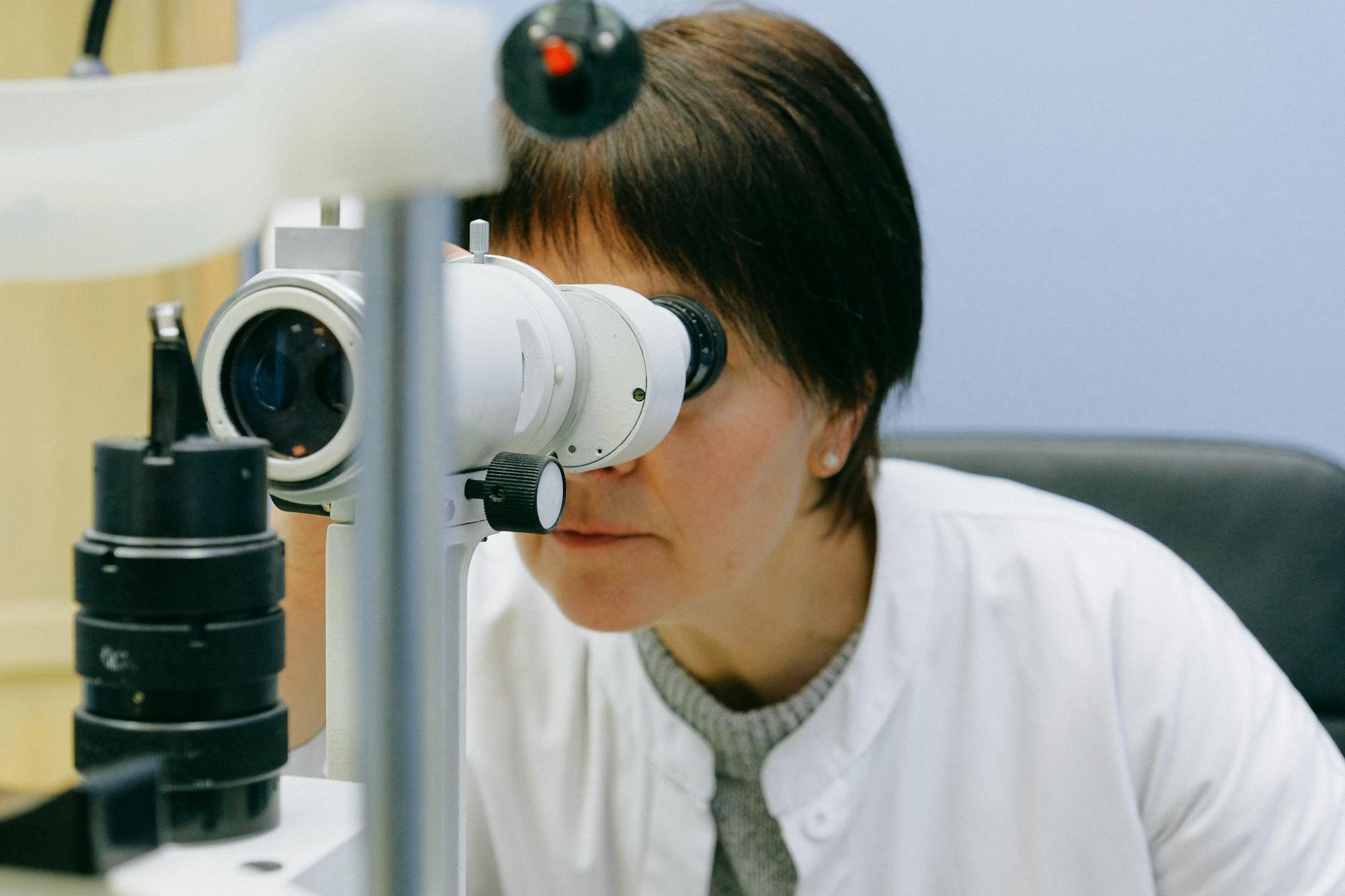

The increasing incidence of ocular allergies presents a growing clinical challenge for general practitioners and specialists. This trend demands a re-evaluation of current management strategies, emphasizing the need for collaborative, eco-conscious interventions to address both patient symptoms and underlying environmental triggers.
Ocular allergies, encompassing conditions such as seasonal allergic conjunctivitis (SAC), perennial allergic conjunctivitis (PAC), and more severe forms like vernal keratoconjunctivitis (VKC) and atopic keratoconjunctivitis (AKC), are a common cause of ocular discomfort and vision impairment. The clinical presentation typically includes itching, redness, tearing, and chemosis, significantly impacting patients' quality of life. The pathophysiology involves an IgE-mediated hypersensitivity reaction to airborne allergens, leading to mast cell degranulation and the release of inflammatory mediators. While topical antihistamines, mast cell stabilizers, and corticosteroids remain the cornerstone of symptomatic management, the observed increase in prevalence suggests that these interventions alone may be insufficient to control the disease burden effectively.
The prevalence of ocular allergies varies geographically and seasonally, with SAC being the most common form, often peaking during spring and fall due to tree and grass pollen. PAC, on the other hand, is driven by year-round allergens such as dust mites, pet dander, and molds. VKC and AKC are less common but represent severe, chronic forms that can lead to significant ocular surface damage, including corneal ulcers and vision loss, particularly affecting children and young adults with a history of atopy. The diagnosis of ocular allergy is primarily clinical, based on patient history and characteristic signs, though specific IgE testing can confirm sensitization to particular allergens. Differential diagnoses include infectious conjunctivitis, dry eye disease, and toxic conjunctivitis, necessitating careful clinical evaluation.
Addressing the Rising Prevalence
The observed rise in ocular allergy rates is attributed to a complex interplay of factors, including climate change, increased exposure to environmental pollutants, and alterations in lifestyle. Climate change, for instance, can prolong pollen seasons and increase pollen counts, thereby extending and intensifying allergen exposure. Urbanization and industrialization contribute to higher levels of particulate matter and other airborne irritants, which can exacerbate allergic responses or act as adjuvants to common allergens. These environmental shifts necessitate a broader approach to ocular allergy management that extends beyond pharmacotherapy.
Effective intervention requires a multi-faceted strategy. For individual patients, precise identification of specific allergens through allergy testing can guide targeted avoidance measures. This may include recommendations for indoor air quality improvements, such as high-efficiency particulate air (HEPA) filters, and advice on reducing outdoor exposure during peak pollen seasons. Patient education on proper ocular hygiene and the correct application of topical medications is also essential for optimizing treatment outcomes. However, the systemic nature of the problem calls for interventions at a public health level.
Collaboration among healthcare professionals, environmental scientists, and public health authorities is critical. This includes monitoring allergen levels, disseminating timely information to the public, and implementing policies aimed at reducing air pollution. For example, urban planning that incorporates green spaces with low-allergen vegetation could mitigate local pollen loads. Furthermore, research into the long-term effects of environmental pollutants on ocular surface health and immune responses is necessary to develop more effective preventive strategies. The goal is not only to manage symptoms but also to reduce the overall exposure to triggers, thereby potentially altering the natural history of the disease for a subset of patients.
The current clinical landscape indicates a need for general practitioners and ophthalmologists to integrate environmental considerations into their diagnostic and therapeutic algorithms. This includes taking a detailed environmental history, counseling patients on allergen avoidance, and collaborating with allergists for comprehensive management. While pharmacological treatments remain vital for symptom control, a holistic approach that acknowledges and addresses the environmental drivers of ocular allergies is increasingly imperative to improve patient outcomes and manage the growing public health challenge. Limitations in current management often stem from patient adherence to complex medication regimens and the difficulty of complete allergen avoidance, particularly in urban environments with high pollution levels. Future research should focus on developing novel therapeutic targets that address the underlying inflammatory pathways more effectively and on implementing scalable public health interventions that reduce environmental allergen and pollutant burdens.
The increasing incidence of ocular allergies is not merely an epidemiological curiosity; it represents a tangible increase in patient discomfort and healthcare resource utilization. Clinicians must move beyond a purely symptomatic approach, recognizing that environmental factors are not just background noise but active drivers of disease. Prescribing a topical antihistamine without discussing allergen avoidance or the impact of local air quality is akin to treating hypertension without addressing diet or exercise. It's a partial solution to a systemic problem.
The pharmaceutical industry, while providing essential symptomatic relief, should also consider the broader context. Investment in therapies that modulate the allergic response more fundamentally, or even offer prophylactic benefits against environmental triggers, would be a welcome development. Furthermore, there's an opportunity for diagnostic companies to innovate in rapid, accessible allergen identification tools that can be utilized in a primary care setting, empowering GPs to offer more personalized advice beyond broad-spectrum treatments. The current reliance on specialist allergy testing can create access barriers for many patients.
For patients, the message is clear: managing ocular allergies effectively requires active participation in understanding and mitigating their environmental exposures. This often means lifestyle adjustments, which can be challenging but are increasingly necessary. Public health bodies and environmental agencies also have a role to play, as individual efforts are insufficient against widespread environmental changes. Policies that improve air quality and manage urban green spaces are not just environmental initiatives; they are direct contributors to ocular health and overall well-being. The dry, itchy eyes of our patients are a barometer of our changing world, and our response must be equally comprehensive.
- The Pivot Ocular allergy management requires a shift towards integrated clinical and environmental strategies.
- The Data No specific data provided in the research papers; focus is on the rising prevalence and need for intervention.
- The Action Clinicians should consider environmental factors in diagnosis and treatment, advocating for broader public health initiatives.
ART-2026-449
·09/26
Drafted with AI assistance, reviewed and approved by the editorial team. This publication is intended for healthcare professionals, researchers, and life science industry professionals. Content is provided for informational and educational purposes only and does not constitute medical advice.

I cover women's health, reproductive medicine, and the persistent gaps in how conditions that primarily affect women get studied and funded. The evidence base is thinner than it should be. I write about why.
Cite This Article
Mitchell S, Voss M. Ocular allergy rates rise, prompting collaborative eco-conscious interventions. The Life Science Feed. Published June 17, 2026. Updated September 13, 2026. Accessed September 16, 2026. https://thelifesciencefeed.com/ophthalmology/dry-eye-syndromes/insights/ocular-allergy-rates-rise-prompting-collaborative-eco-conscious-interventions.
Editorial & AI Standards
All content is researched from peer-reviewed, open-access sources: published trial data, clinical guidelines, and regulatory filings. AI tools are used solely to structure and summarise that evidence; no AI-generated conclusions appear without editor verification against the primary source.
Every article is reviewed by a named editor before publication. Source citations are listed in the References section. This content does not represent the views of any pharmaceutical company, medical device manufacturer, or healthcare provider.
Licence & Rights
© 2026 The Life Science Feed. All rights reserved. Unless otherwise indicated, all content is the property of The Life Science Feed and may not be reproduced, distributed, or transmitted in any form or by any means without prior written permission.
Medical Disclaimer
The information provided on The Life Science Feed is for educational and informational purposes only. It is not intended as a substitute for professional medical advice, diagnosis, or treatment. Always seek the advice of your physician or other qualified healthcare provider regarding any medical condition or treatment decision. Never disregard professional medical advice or delay in seeking it because of something you have read on this website.
References
1. Vieira RJ, et al. Allergic Rhinitis and Its Impact on Asthma (ARIA)-EAACI Guidelines-2024-2025 Revision: Part II-Guidelines on Oral and Ocular Treatments. Allergy. 2026;81(6):1947-1970. doi:10.1111/all.70305
2. Leonardi A, et al. Allergic Conjunctivitis Management: Update on Ophthalmic Solutions. Curr Allergy Asthma Rep. 2024;24(7):347-360. doi:10.1007/s11882-024-01150-0
3. Villegas BV, et al. Current Knowledge in Allergic Conjunctivitis. Turk J Ophthalmol. 2021;51(1):45-54. doi:10.4274/tjo.galenos.2020.11456
4. Leonardi A, et al. Epidemiology of allergic conjunctivitis: clinical appearance and treatment patterns in a population-based study. Curr Opin Allergy Clin Immunol. 2015;15(5):482-8. doi:10.1097/ACI.0000000000000204
5. Roberts G, et al. EAACI Guidelines on Allergen Immunotherapy: Allergic rhinoconjunctivitis. Allergy. 2018;73(4):765-798. doi:10.1111/all.13317
6. Bielory BP, et al. Management of seasonal allergic conjunctivitis: guide to therapy. Acta Ophthalmol. 2012;90(5):399-407. doi:10.1111/j.1755-3768.2011.02272.x
7. Friedlaender MH. Ocular allergy. Curr Opin Allergy Clin Immunol. 2011;11(5):477-82. doi:10.1097/ACI.0b013e32834a9652
8. Chigbu DI. The pathophysiology of ocular allergy: a review. Cont Lens Anterior Eye. 2009;32(1):3-15; quiz 43-4. doi:10.1016/j.clae.2008.07.003







