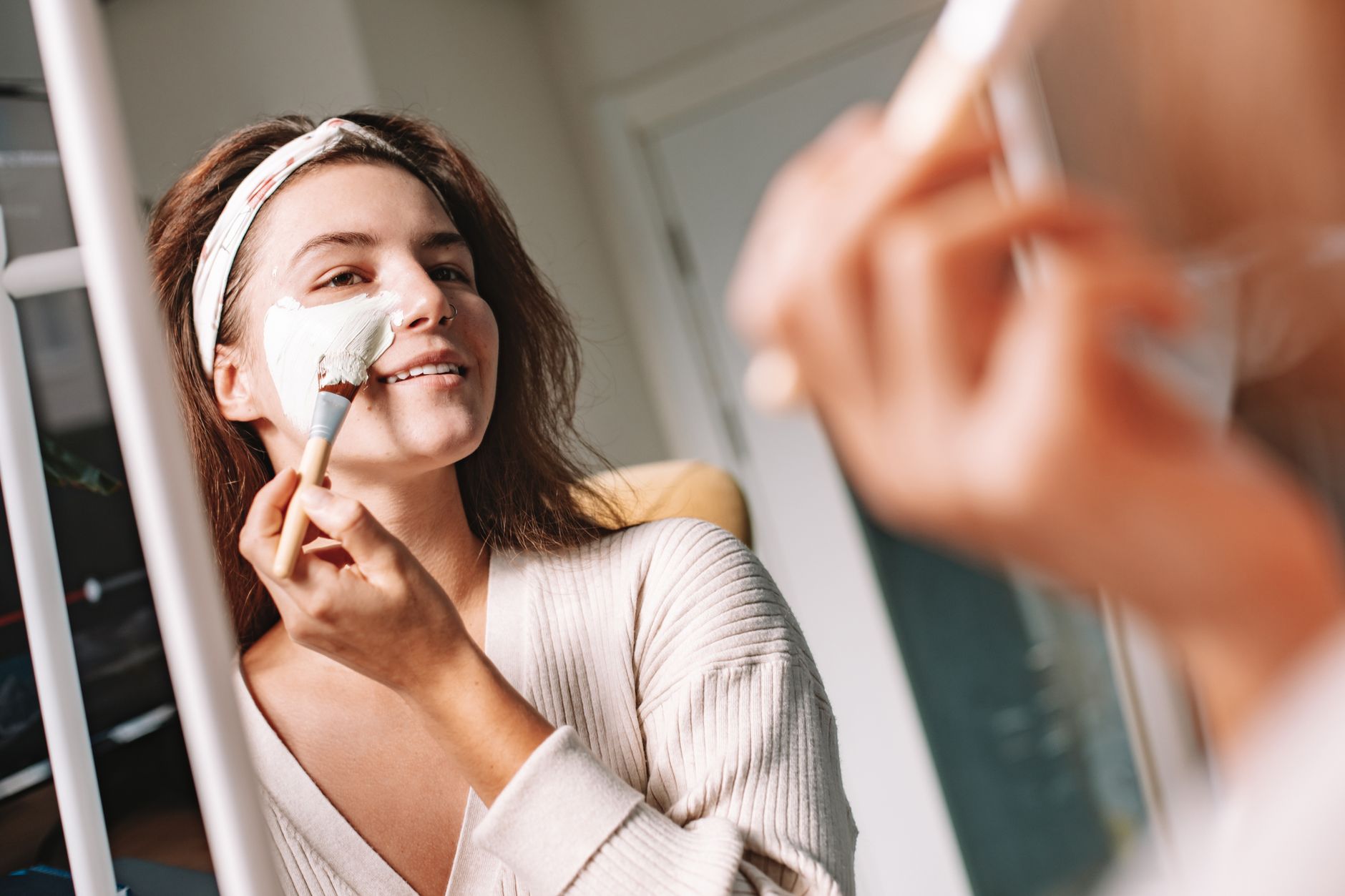
Patients increasingly inquire about non-invasive aesthetic and therapeutic options for common dermatological concerns, often encountering a dizzying array of devices and claims. Red light therapy, a form of low-level light therapy (LLLT), has emerged as a popular choice for conditions ranging from photoaging to acne. But the enthusiasm for this technology often outpaces the rigorous clinical evidence, leaving clinicians to discern genuine benefit from marketing hyperbole.
This modality, also known as photobiomodulation (PBM), involves exposure to red and near-infrared light wavelengths. The proposed mechanisms of action are complex, involving cellular-level effects that theoretically translate into clinical improvements for various skin conditions. Understanding these mechanisms is the first step in evaluating its utility.
Red light therapy, or photobiomodulation, operates on the principle that specific wavelengths of light can stimulate cellular function. The primary wavelengths used typically fall within the red (630-700 nm) and near-infrared (700-1000 nm) spectrum. These wavelengths penetrate the skin to varying depths, interacting with chromophores within cells, most notably cytochrome c oxidase in the mitochondria. This interaction is thought to enhance mitochondrial activity, leading to increased ATP production, modulation of reactive oxygen species, and activation of transcription factors. The downstream effects include reduced inflammation, enhanced cellular repair, and improved collagen synthesis.
The appeal of red light therapy lies in its non-invasive nature and generally favourable safety profile, particularly when compared to more aggressive dermatological procedures or systemic medications. Patients seeking alternatives to topical retinoids, oral antibiotics, or injectable fillers often turn to these devices. But the wide array of devices available, from professional in-office systems to consumer-grade home units, presents a challenge in standardizing treatment protocols and evaluating outcomes. The variability in light source, power density, duration of exposure, and treatment frequency means that efficacy can differ substantially between applications.
Understanding the Mechanisms of Action
The proposed mechanisms by which red and near-infrared light exert their effects are primarily cellular. When photons at these specific wavelengths penetrate the skin, they are absorbed by chromophores, with cytochrome c oxidase (CcO) in the mitochondria being a key target. This absorption leads to a transient increase in mitochondrial membrane potential and ATP synthesis. The enhanced energy production supports various cellular processes, including DNA repair, protein synthesis, and cell proliferation. This is particularly relevant for tissue repair and regeneration, which are critical for conditions like photoaging.
Beyond energy production, red light therapy is also thought to modulate cellular signaling pathways. It can influence the release of nitric oxide (NO) from CcO, which then acts as a vasodilator, improving local blood flow and nutrient delivery to tissues. NO also plays a role in reducing oxidative stress and inflammation. The anti-inflammatory effects are further supported by the modulation of pro-inflammatory cytokines and the activation of anti-inflammatory pathways. This dual action of promoting repair and reducing inflammation makes it an attractive option for conditions characterized by both tissue damage and inflammatory processes, such as acne vulgaris.
The interaction of light with cellular components can also influence gene expression. Studies have indicated that PBM can upregulate genes involved in collagen and elastin production, which are essential for maintaining skin structure and elasticity. This effect is particularly pertinent for photoaging, where collagen degradation is a hallmark. The ability to stimulate fibroblast activity and extracellular matrix remodeling suggests a potential to reverse some of the visible signs of sun damage. But the extent and durability of these changes in a clinical setting require more consistent and long-term data.
For acne, the mechanism involves not only anti-inflammatory effects but also potential antimicrobial action. While blue light is more commonly associated with targeting Cutibacterium acnes (formerly Propionibacterium acnes), red light can also contribute to reducing bacterial load indirectly by enhancing the host immune response and reducing the inflammatory cascade initiated by bacterial colonization. The reduction in sebum production, another key factor in acne pathogenesis, has also been suggested, though the evidence for this specific effect of red light is less robust than for its anti-inflammatory properties. For a deeper look into how the immune system can be leveraged in skincare, consider our coverage on immune system modulation in skincare.
Clinical Applications and Evidence Base
For photoaging, red light therapy is primarily investigated for its ability to improve skin texture, reduce fine lines and wrinkles, and enhance overall skin tone. The theoretical basis for this application is sound, given its proposed effects on collagen synthesis and fibroblast proliferation. Clinical observations often report subjective improvements in skin smoothness and radiance. But objective measurements, such as quantitative analysis of wrinkle depth or collagen density, are less consistently reported across studies. Many evaluations rely on patient self-assessment or investigator global assessment, which can introduce bias. The lack of standardized treatment protocols, including optimal wavelength, fluence, and duration, makes it challenging to compare results across different trials and devices.
In the context of acne vulgaris, red light therapy is often used as an adjunctive treatment. Its anti-inflammatory properties are particularly beneficial for inflammatory lesions, such as papules and pustules. Patients with moderate acne, who may be intolerant to topical retinoids or oral antibiotics, sometimes find red light therapy a gentler alternative. While blue light therapy directly targets C. acnes, red light's role is more focused on reducing the associated inflammation and promoting healing. Some studies have indicated a reduction in lesion count and severity, but these are frequently small, uncontrolled studies. The long-term efficacy and the potential for combination therapy with other established acne treatments remain areas requiring more definitive research. The role of nerve dysfunction in skin conditions also highlights the complexity of dermatological treatments.
Beyond photoaging and acne, red light therapy has been explored for a range of other dermatological conditions. These include wound healing, psoriasis, rosacea, and even hair loss. For wound healing, the enhanced cellular metabolism and reduced inflammation are thought to accelerate tissue repair. In psoriasis, its anti-inflammatory effects may help to mitigate the hyperproliferative and inflammatory cascade characteristic of the disease. For rosacea, the reduction in inflammation and improvement in vascular function are proposed benefits. But for many of these indications, the evidence is still nascent, often limited to case reports, small pilot studies, or mechanistic investigations rather than large, randomized controlled trials. Clinicians should approach these broader claims with a healthy degree of skepticism until more data with a sample size of at least 100 patients and a confidence interval of 95% emerges. For a comprehensive guide to skin conditions, the Oxford Handbook of Medical Dermatology remains an invaluable resource.
The challenge in evaluating red light therapy lies in the heterogeneity of devices and treatment parameters. A device emitting a specific wavelength at a low power density for a short duration may yield vastly different results than a high-power device used for extended periods. Many studies lack adequate control groups, blinding, or long-term follow-up, making it hard to ascertain true efficacy and durability of effect. The placebo effect in aesthetic treatments is also a significant confounder, as patient satisfaction can be influenced by the perceived novelty and effort involved in the treatment.
Limitations and Clinical Considerations
The primary limitation of red light therapy, across all its dermatological applications, is the inconsistency of the evidence. Many studies are small, single-centre, and lack the rigorous methodology required to establish definitive efficacy. The absence of standardized protocols for wavelength, power density, treatment duration, and frequency means that comparing results across different investigations is often an exercise in comparing apples to oranges. This makes it difficult for clinicians to recommend specific devices or treatment regimens with confidence, as what worked in one study may not translate to another setting or device.
Another significant caveat is the frequent reliance on subjective outcome measures. Patient satisfaction, photographic assessment, and investigator global assessment are valuable but can be prone to bias. Objective measures, such as histological analysis of collagen density, quantitative assessment of wrinkle depth, or precise lesion counts, are less commonly reported or are not consistently applied. Without these objective endpoints, it is challenging to quantify the true clinical benefit and to differentiate it from a placebo effect or the natural course of the condition. The lack of long-term follow-up in most studies also means that the durability of any observed improvements remains largely unknown.
The commercial market of red light therapy devices further complicates clinical evaluation. Many devices are marketed directly to consumers with exaggerated claims, often without robust clinical data to support them. This creates a situation where patient expectations may be inflated, leading to dissatisfaction when results do not match the marketing hype. Clinicians must educate patients on the realistic expectations of red light therapy, emphasizing that it is often an adjunctive treatment rather than a standalone solution, and that its effects are generally modest compared to established pharmacological or procedural interventions.
The safety profile of red light therapy is generally considered favorable, with few reported adverse events. But potential risks, though rare, include temporary redness, irritation, or dryness. The long-term effects of repeated exposure to these wavelengths are not fully understood, particularly with high-power home devices. While generally considered safe, the lack of comprehensive long-term safety data means that caution is still warranted, especially for vulnerable populations or those with underlying photosensitivity conditions. The absence of a clear regulatory framework for many of these devices also means that quality control and performance standards can vary widely.
Clinicians should view red light therapy as a potentially useful adjunctive tool, particularly for patients seeking non-pharmacological options or those who cannot tolerate conventional treatments. It is not a substitute for established standards of care for conditions like severe acne or advanced photoaging. Instead, it may offer incremental benefits when integrated into a broader treatment plan. Further research, with rigorous methodology, standardized protocols, and objective outcome measures, is essential to fully elucidate its role in dermatological practice and to differentiate truly effective applications from those that primarily benefit from marketing. The unanswered question remains: can we define optimal parameters for red light therapy to achieve consistent, measurable clinical outcomes across diverse patient populations?
The increasing patient interest in red light therapy presents a challenge for clinicians. While the theoretical mechanisms for its benefits in photoaging and acne are plausible, the current evidence base is fragmented and often lacks the rigor needed for definitive recommendations. Clinicians should manage patient expectations carefully, explaining that while red light therapy is generally safe, its efficacy is often modest and best considered as an adjunct to established treatments.
The variability in device specifications, from wavelength to power density, means that not all red light therapy is created equal. This lack of standardization makes it difficult to compare outcomes or to recommend a specific device or protocol. Until more robust, head-to-head trials with objective endpoints are available, integrating red light therapy into practice should be done cautiously, perhaps reserving it for patients who have exhausted other options or are seeking mild, non-invasive enhancements.
For the industry, the proliferation of consumer-grade devices without stringent clinical validation risks undermining the credibility of photobiomodulation as a legitimate therapeutic modality. Investing in large-scale, well-controlled trials that adhere to standardized parameters would not only provide clearer guidance for clinicians but also help differentiate truly effective products from those that rely solely on anecdotal evidence and marketing. Without this, red light therapy will remain in a grey area of dermatological practice.
- The Pivot Red light therapy offers a non-pharmacological approach to common dermatological issues, but its efficacy varies significantly by device and application.
- The Data While some studies report improvements in skin texture and inflammation, a lack of standardized protocols and robust comparator trials limits definitive conclusions.
- The Action Clinicians should counsel patients on the current evidence base, emphasizing that red light therapy is often adjunctive and not a standalone solution for most conditions.
ART-2026-1871
·10/26
Drafted with AI assistance, reviewed and approved by the editorial team. This publication is intended for healthcare professionals, researchers, and life science industry professionals. Content is provided for informational and educational purposes only and does not constitute medical advice.

I cover NHS policy, NICE guidance, and the gap between what the evidence says and what gets commissioned. I bring a health economics background to reporting on how health systems make decisions under uncertainty.
Cite This Article
Mistry D, Voss M. Red light therapy: are your patients paying for hype or help?. The Life Science Feed. Published October 5, 2026. Updated October 5, 2026. Accessed October 5, 2026. https://thelifesciencefeed.com/dermatology/acne-vulgaris/insights/red-light-therapy-are-your-patients-paying-for-hype-or-help.
Editorial & AI Standards
All content is researched from peer-reviewed, open-access sources: published trial data, clinical guidelines, and regulatory filings. AI tools are used solely to structure and summarise that evidence; no AI-generated conclusions appear without editor verification against the primary source.
Every article is reviewed by a named editor before publication. Source citations are listed in the References section. This content does not represent the views of any pharmaceutical company, medical device manufacturer, or healthcare provider.
Licence & Rights
© 2026 The Life Science Feed. All rights reserved. Unless otherwise indicated, all content is the property of The Life Science Feed and may not be reproduced, distributed, or transmitted in any form or by any means without prior written permission.
Medical Disclaimer
The information provided on The Life Science Feed is for educational and informational purposes only. It is not intended as a substitute for professional medical advice, diagnosis, or treatment. Always seek the advice of your physician or other qualified healthcare provider regarding any medical condition or treatment decision. Never disregard professional medical advice or delay in seeking it because of something you have read on this website.
References
1. Mengel D, Mok TH, Nihat A, et al. NT1-Tau Is Increased in CSF and Plasma of CJD Patients, and Correlates with Disease Progression. Cells. 2021;10(12). doi:10.3390/cells10123514
2. Hepburn J, Williams-Lockhart S, Bensadoun RJ, Hanna R. A Novel Approach of Combining Methylene Blue Photodynamic Inactivation, Photobiomodulation and Oral Ingested Methylene Blue in COVID-19 Management: A Pilot Clinical Study with 12-Month Follow-Up. Antioxidants (Basel). 2022;11(11). doi:10.3390/antiox11112211
3. Bagchi D, Bhattacharya A, Dutta T, et al. Nano MOF Entrapping Hydrophobic Photosensitizer for Dual-Stimuli-Responsive Unprecedented Therapeutic Action against Drug-Resistant Bacteria. ACS Appl Bio Mater. 2019;2(4):1772-1780. doi:10.1021/acsabm.9b00223