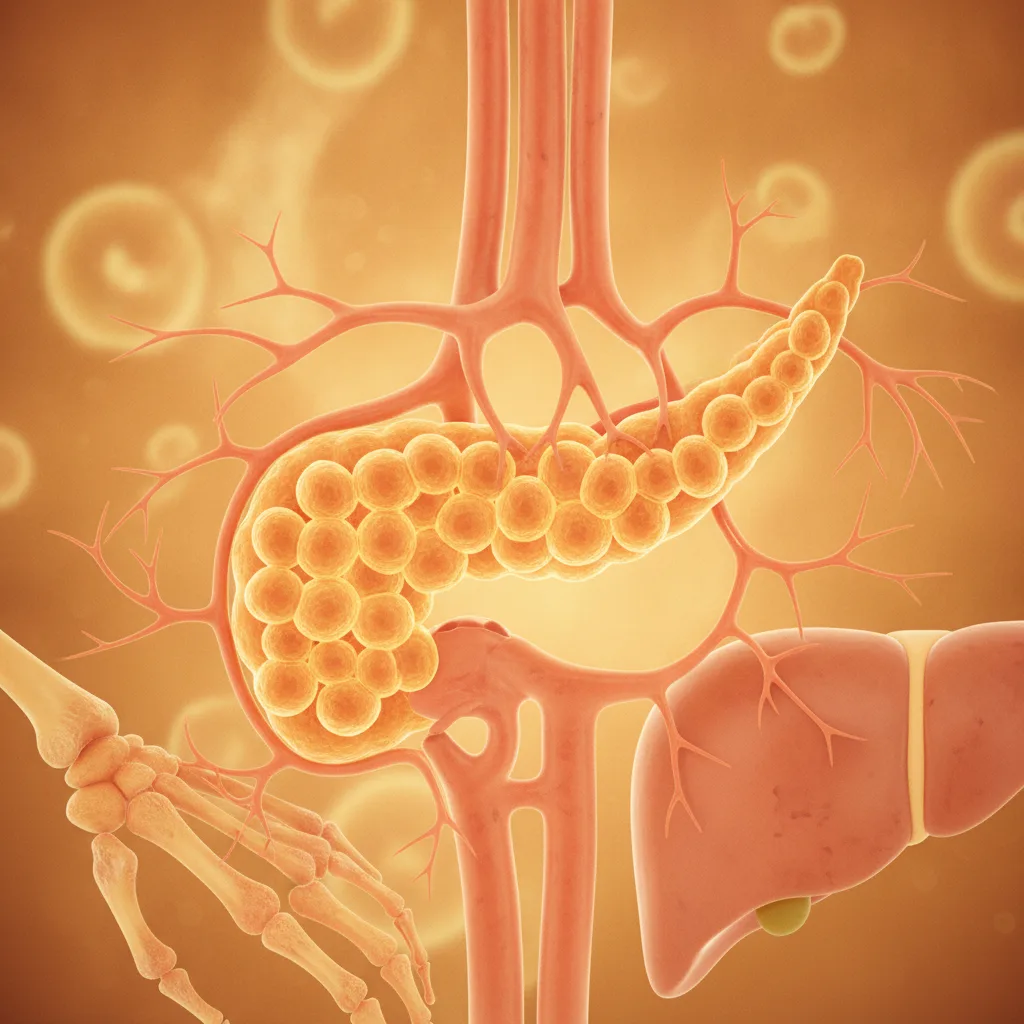

While elevated alkaline phosphatase (ALP) levels frequently prompt investigation, abnormally low ALP often goes unrecognised, despite its association with significant clinical conditions. The immediate takeaway for clinicians is that persistently low ALP, especially when accompanied by skeletal or dental abnormalities, should trigger diagnostic consideration for hypophosphatasia (HPP) and other rare metabolic disorders.
Alkaline phosphatase (ALP) is a ubiquitous enzyme with several isoforms, playing a critical role in bone mineralisation, liver function, and intestinal absorption. While high ALP levels are routinely investigated for liver disease, cholestasis, or bone disorders, low ALP is often dismissed as clinically insignificant. However, a growing understanding of its physiological roles highlights that persistently low ALP can be a diagnostic clue for several conditions, most notably hypophosphatasia (HPP).
HPP is an inherited metabolic disorder caused by mutations in the ALPL gene, which encodes the tissue-nonspecific alkaline phosphatase (TNSALP) enzyme. This enzyme is crucial for bone and tooth mineralisation, as it hydrolyses pyrophosphate, an inhibitor of mineralisation. Reduced TNSALP activity leads to an accumulation of its substrates, including inorganic pyrophosphate (PPi) and pyridoxal 5'-phosphate (PLP), resulting in defective mineralisation. The clinical spectrum of HPP is broad, ranging from severe, often fatal, perinatal forms to milder adult forms characterised by osteomalacia, recurrent fractures, and premature tooth loss.
Recognising the Clinical Spectrum
The presentation of HPP varies significantly with age and severity. Perinatal HPP, the most severe form, manifests with profound skeletal hypomineralisation, respiratory failure, and often leads to death shortly after birth. Infantile HPP presents within the first six months of life with rickets, craniosynostosis, and failure to thrive. Childhood HPP typically involves rickets, short stature, and premature loss of deciduous teeth (often before age five) due to cementum hypoplasia. Adult HPP, the most common form, can be subtle, presenting with chronic bone pain, stress fractures, pseudofractures, and chondrocalcinosis. Odontohypophosphatasia, a milder variant, primarily affects dental health, causing premature tooth exfoliation without significant skeletal involvement.
Beyond HPP, other conditions can also cause low ALP. These include severe malnutrition, zinc deficiency, magnesium deficiency, hypothyroidism, pernicious anaemia, and certain drug therapies, such as those with bisphosphonates or glucocorticoids. While these causes are generally more common, the specific clinical context, particularly the presence of skeletal or dental symptoms, helps differentiate them from HPP. For instance, a patient presenting with unexplained recurrent fractures and persistently low ALP should prompt consideration of HPP, even in the absence of a clear family history.
Diagnostic evaluation for suspected HPP involves measuring serum ALP levels, which are typically below the age- and sex-adjusted reference range. Confirmation often requires genetic testing for ALPL mutations and measurement of TNSALP substrates, such as plasma PLP and urine phosphoethanolamine (PEA). Elevated levels of these substrates support the diagnosis. Early recognition is critical, as enzyme replacement therapy with asfotase alfa is available for patients with paediatric-onset HPP, demonstrating improvements in skeletal mineralisation, motor function, and respiratory status.
Clinical Implications of Low ALP
The under-recognition of low alkaline phosphatase as a clinically significant marker represents a missed opportunity for early diagnosis and intervention in conditions like hypophosphatasia. General practitioners and specialists alike, particularly endocrinologists, rheumatologists, and paediatricians, should integrate persistently low ALP into their diagnostic algorithms. Dismissing a low ALP value as an isolated anomaly, especially in the presence of non-specific symptoms such as chronic bone pain or recurrent fractures, delays appropriate management and can lead to significant morbidity.
The availability of enzyme replacement therapy for paediatric-onset HPP underscores the importance of timely diagnosis. Asfotase alfa, a recombinant human TNSALP, has demonstrated efficacy in improving skeletal mineralisation and functional outcomes in affected children. This therapeutic option shifts HPP from a purely supportive management approach to one with disease-modifying potential. Therefore, the industry has a clear incentive to support educational initiatives that raise awareness of low ALP and its implications, potentially expanding the diagnosed patient population eligible for treatment.
For patients, improved diagnostic vigilance means a shorter diagnostic odyssey and access to targeted therapies that can mitigate the severe consequences of HPP. This includes preventing debilitating fractures, improving mobility, and enhancing quality of life. The challenge lies in overcoming the ingrained clinical habit of primarily focusing on elevated enzyme levels. Incorporating low ALP into routine differential diagnoses, particularly in paediatric and adult patients presenting with unexplained skeletal or dental issues, is a straightforward step that could significantly improve patient outcomes and reduce the long-term burden of these rare diseases.
For a comprehensive overview of endocrine disorders affecting bone and metabolism, consult the Oxford Handbook of Endocrinology and Diabetes.
The persistent oversight of low alkaline phosphatase (ALP) as a clinically relevant marker is a disservice to patients and a missed diagnostic opportunity. While elevated ALP triggers a cascade of investigations, its low counterpart often languishes unremarked in laboratory reports. This complacency must end. Clinicians, particularly those in primary care, endocrinology, and paediatrics, need to recalibrate their diagnostic radar to view persistently low ALP not as a benign anomaly, but as a red flag for conditions like hypophosphatasia (HPP).
The availability of enzyme replacement therapy, such as asfotase alfa, for paediatric-onset HPP fundamentally changes the landscape. This is no longer a condition with only symptomatic management. Early diagnosis can now lead to tangible improvements in skeletal health and functional outcomes. Pharmaceutical companies with therapies for rare diseases like HPP have a clear imperative to support educational campaigns that elevate the profile of low ALP. This is not merely about market expansion; it is about ensuring that treatable conditions are identified before irreversible damage occurs.
Ultimately, the goal is to reduce diagnostic delays for patients. Many individuals with HPP endure years of unexplained pain, fractures, and dental issues before receiving a correct diagnosis. A simple blood test, when interpreted correctly, could shorten this arduous journey. Integrating low ALP into routine clinical decision-making, alongside a thorough history and physical examination focusing on skeletal and dental health, represents a low-cost, high-impact intervention that could significantly improve the lives of those affected by rare metabolic bone disorders.
- The Pivot Low ALP, previously considered benign, is now understood to be a marker for underlying metabolic conditions, including hypophosphatasia.
- The Data Hypophosphatasia, a rare genetic disorder, is characterised by defective bone and tooth mineralisation due to low tissue-nonspecific alkaline phosphatase (TNSALP) activity.
- The Action Clinicians should investigate persistently low ALP levels, particularly in the presence of unexplained bone pain, fractures, or dental issues, to identify treatable conditions.
ART-2026-411
·09/26
Drafted with AI assistance and checked by automated style rules. Not individually read by an editor. This publication is intended for healthcare professionals, researchers, and life science industry professionals. Content is provided for informational and educational purposes only and does not constitute medical advice.

Science writer covering the frontier between basic research and clinical practice. I am interested in the moment a mechanism becomes a therapy, and everything that can go wrong in between.
Cite This Article
Aldrich M, Lopes W. Low alkaline phosphatase: recognizing clinical consequences. The Life Science Feed. Published June 14, 2026. Updated September 16, 2026. Accessed October 27, 2026. https://thelifesciencefeed.com/endocrinology/adrenal-gland-diseases/news/low-alkaline-phosphatase-recognizing-clinical-consequences.
Editorial & AI Standards
Content is drafted with AI tools from peer-reviewed, open-access sources such as published trial data, clinical guidelines, and regulatory filings. This article is checked by automated style rules but is not individually read by an editor, so check the cited source before relying on a figure.
Source citations are listed in the References section. This content does not represent the views of any pharmaceutical company, medical device manufacturer, or healthcare provider.
Licence & Rights
© 2026 The Life Science Feed. All rights reserved. Unless otherwise indicated, all content is the property of The Life Science Feed and may not be reproduced, distributed, or transmitted in any form or by any means without prior written permission.
Medical Disclaimer
The information provided on The Life Science Feed is for educational and informational purposes only. It is not intended as a substitute for professional medical advice, diagnosis, or treatment. Always seek the advice of your physician or other qualified healthcare provider regarding any medical condition or treatment decision. Never disregard professional medical advice or delay in seeking it because of something you have read on this website.
References
1. Michigami T, et al. Clinical Practice Guidelines for Hypophosphatasia. Clin Pediatr Endocrinol. 2020;29(1):9-24. doi:10.1297/cpe.29.9
2. Khan AA, et al. Hypophosphatasia diagnosis: current state of the art and proposed diagnostic criteria for children and adults. Osteoporos Int. 2024;35(3):431-438. doi:10.1007/s00198-023-06844-1
3. Rush E, et al. Proposed diagnostic criteria for the diagnosis of hypophosphatasia in children and adolescents: results from the HPP International Working Group. Osteoporos Int. 2024;35(1):1-10. doi:10.1007/s00198-023-06843-2
4. Brandi ML, et al. The challenge of hypophosphatasia diagnosis in adults: results from the HPP International Working Group Literature Surveillance. Osteoporos Int. 2024;35(3):439-449. doi:10.1007/s00198-023-06859-8
5. Whyte MP. Hypophosphatasia - aetiology, nosology, pathogenesis, diagnosis and treatment. Nat Rev Endocrinol. 2016;12(4):233-46. doi:10.1038/nrendo.2016.14
6. Riancho JA. Diagnostic Approach to Patients with Low Serum Alkaline Phosphatase. Calcif Tissue Int. 2023;112(3):289-296. doi:10.1007/s00223-022-01039-y
7. Khan AA, et al. Hypophosphatasia: Canadian update on diagnosis and management. Osteoporos Int. 2019;30(9):1713-1722. doi:10.1007/s00198-019-04921-y
8. Seefried L, et al. Diagnosis and Treatment of Hypophosphatasia. Calcif Tissue Int. 2025;116(1):46. doi:10.1007/s00223-025-01356-y
9. Montero-Lopez R, et al. Challenges in Hypophosphatasia: Suspicion, Diagnosis, Genetics, Management, and Follow-Up. Horm Res Paediatr. 2025;98(6):736-745. doi:10.1159/000540692







