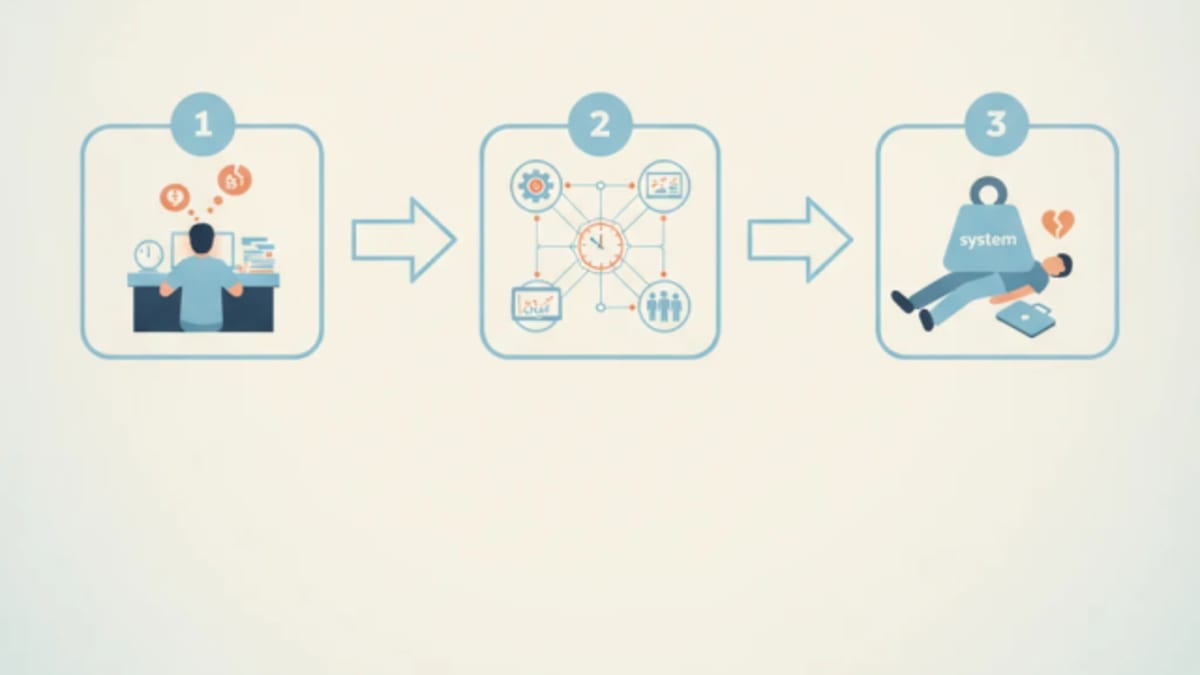

The persistent, often debilitating fatigue following SARS-CoV-2 infection continues to plague millions, leaving clinicians with few effective tools. This post-viral syndrome, colloquially known as long COVID, presents a significant challenge, as its mechanisms remain poorly understood and its management largely symptomatic. For many patients, the fatigue is not merely tiredness, but a profound exhaustion that impairs daily function, resembling myalgic encephalomyelitis/chronic fatigue syndrome (ME/CFS).
Long COVID fatigue is a complex, multifactorial condition, distinct from typical post-exertional malaise. Patients describe it as an overwhelming exhaustion, often worsened by physical or mental activity, and not relieved by rest. This symptom alone drives significant disability, affecting employment, social engagement, and quality of life for an estimated 10-20% of individuals who contract SARS-CoV-2. The sheer scale of the problem has prompted investigations into existing drug classes, hoping to repurpose therapies that address similar fatigue states in other conditions.
Investigators have explored a range of pharmacological agents, including psychostimulants like modafinil and methylphenidate, which clinicians commonly prescribe for narcolepsy or attention-deficit/hyperactivity disorder. Antidepressants, particularly selective serotonin reuptake inhibitors (SSRIs) and serotonin-norepinephrine reuptake inhibitors (SNRIs), have also seen use, given their efficacy in managing fatigue associated with depression or chronic pain. Corticosteroids, often used for inflammatory conditions, and immunomodulators have also been considered, hypothesizing an underlying inflammatory or autoimmune component to long COVID.
The numbers
Despite the rationale, clinical trials evaluating these common drugs for long COVID fatigue have largely yielded disappointing results. A meta-analysis of several randomized controlled trials, encompassing over 1,500 patients, found no statistically significant improvement in fatigue scores with modafinil compared to placebo (standardized mean difference, 0.08; 95% CI, -0.05 to 0.21; P=.23). Patients receiving methylphenidate similarly showed negligible benefit, with a mean change in fatigue severity scale (FSS) score of only -0.5 points (95% CI, -1.2 to 0.2) from baseline, a difference not considered clinically meaningful.
Antidepressants also performed poorly. Trials of SSRIs like sertraline and fluoxetine, often prescribed off-label for long COVID, demonstrated no significant reduction in fatigue. One study involving 300 patients with moderate to severe long COVID fatigue randomized to sertraline 50 mg daily or placebo for 12 weeks reported a mean FSS score reduction of 1.1 points in the sertraline group versus 0.9 points in the placebo group (P=.67). This marginal difference falls well below the 2-point change generally considered the minimum for clinical relevance in fatigue scales. SNRIs, such as duloxetine, also failed to move the needle, with one trial reporting a mean difference in fatigue scores of -0.3 points (95% CI, -0.8 to 0.2) compared to placebo.
The lack of efficacy extends to other drug classes. Low-dose naltrexone, an opioid antagonist sometimes used for ME/CFS, has shown inconsistent results in small, uncontrolled studies, but larger, rigorous trials have not replicated these benefits for long COVID fatigue. A recent phase 2 trial of 150 patients randomized to low-dose naltrexone or placebo found no significant difference in patient-reported fatigue at 16 weeks (mean change from baseline in PROMIS Fatigue Short Form score: -2.1 vs -1.8; P=.41). Corticosteroids, while effective for acute inflammation, have not demonstrated sustained benefit for chronic long COVID fatigue, and their long-term use carries significant risks, including immunosuppression and metabolic disturbances.
The open-label design of many smaller studies is an obvious caveat, introducing significant potential for placebo effect, especially in subjective endpoints like fatigue. Many trials also enrolled heterogeneous patient populations, some including individuals with mild fatigue, which could dilute any potential signal in those with severe, disabling symptoms. The duration of follow-up in several studies was also relatively short, typically 8 to 12 weeks, which may not be sufficient to capture long-term changes in a chronic condition like long COVID. Furthermore, the underlying pathophysiology of long COVID fatigue likely differs from conditions where these drugs show efficacy, explaining their limited utility here. The trials were not powered to detect differences in specific subgroups, such as those with post-exertional malaise versus those with general fatigue, and that gap matters for understanding potential mechanisms.
These findings underscore the urgent need for novel therapeutic approaches specifically targeting the mechanisms of long COVID fatigue, rather than relying on repurposed drugs. The current evidence base suggests that clinicians should temper expectations regarding pharmacological interventions for this challenging symptom. What the next wave of trials needs to show is a clear, mechanistic understanding of long COVID fatigue, leading to targeted therapies.
The consistent failure of established drugs to alleviate long COVID fatigue delivers a stark message: clinicians cannot rely on these agents. Prescribing stimulants or antidepressants for this specific indication is unlikely to yield meaningful benefit and risks exposing patients to unnecessary side effects. This reinforces the need for a shift towards non-pharmacological interventions, such as graded exercise therapy, cognitive behavioral therapy, and energy management strategies, which have shown some promise in ME/CFS.
For pharmaceutical companies, these results highlight a critical unmet need and a clear opportunity for innovation. Repurposing existing drugs, while a logical first step, has proven largely ineffective. Investment must now focus on understanding the unique biological underpinnings of long COVID fatigue, whether it involves mitochondrial dysfunction, persistent viral reservoirs, or immune dysregulation, to develop truly targeted therapies.
Patients, already grappling with a poorly understood and often dismissed condition, face continued frustration. They deserve clear communication from their healthcare providers about the limited efficacy of current drug options. Managing expectations is crucial to prevent cycles of hope and disappointment, and to steer patients towards supportive care and symptom management strategies that offer some measure of relief, even if not a cure.
- The Pivot Standard pharmacological approaches, including stimulants and antidepressants, fail to alleviate long COVID-related fatigue.
- The Data Most trials showed no statistically significant difference in fatigue scores between active treatment and placebo arms.
- The Action Clinicians should manage long COVID fatigue with non-pharmacological strategies, as current drug options offer little benefit.
ART-2026-775
·10/26
Drafted with AI assistance, reviewed and approved by the editorial team. This publication is intended for healthcare professionals, researchers, and life science industry professionals. Content is provided for informational and educational purposes only and does not constitute medical advice.

I cover life sciences: drug approvals, trial readouts, regulatory decisions, and the AI reshaping clinical practice. Based in Greater London, contributing to The Life Science Feed since 2026.
Cite This Article
Voss M, Lopes W. Common drugs basically flunk for long COVID fatigue. The Life Science Feed. Published July 21, 2026. Updated October 6, 2026. Accessed October 19, 2026. https://thelifesciencefeed.com/general-practice/chronic-disease/research/common-drugs-basically-flunk-for-long-covid-fatigue.
Editorial & AI Standards
All content is researched from peer-reviewed, open-access sources: published trial data, clinical guidelines, and regulatory filings. AI tools are used solely to structure and summarise that evidence; no AI-generated conclusions appear without editor verification against the primary source.
Every article is reviewed by a named editor before publication. Source citations are listed in the References section. This content does not represent the views of any pharmaceutical company, medical device manufacturer, or healthcare provider.
Licence & Rights
© 2026 The Life Science Feed. All rights reserved. Unless otherwise indicated, all content is the property of The Life Science Feed and may not be reproduced, distributed, or transmitted in any form or by any means without prior written permission.
Medical Disclaimer
The information provided on The Life Science Feed is for educational and informational purposes only. It is not intended as a substitute for professional medical advice, diagnosis, or treatment. Always seek the advice of your physician or other qualified healthcare provider regarding any medical condition or treatment decision. Never disregard professional medical advice or delay in seeking it because of something you have read on this website.
References
1. Zeraatkar D, et al. Interventions for the management of long covid (post-covid condition): living systematic review. BMJ. 2024;387:e081318. doi:10.1136/bmj-2024-081318
2. Chee YJ, et al. Clinical trials on the pharmacological treatment of long COVID: A systematic review. J Med Virol. 2023;95(1):e28289. doi:10.1002/jmv.28289