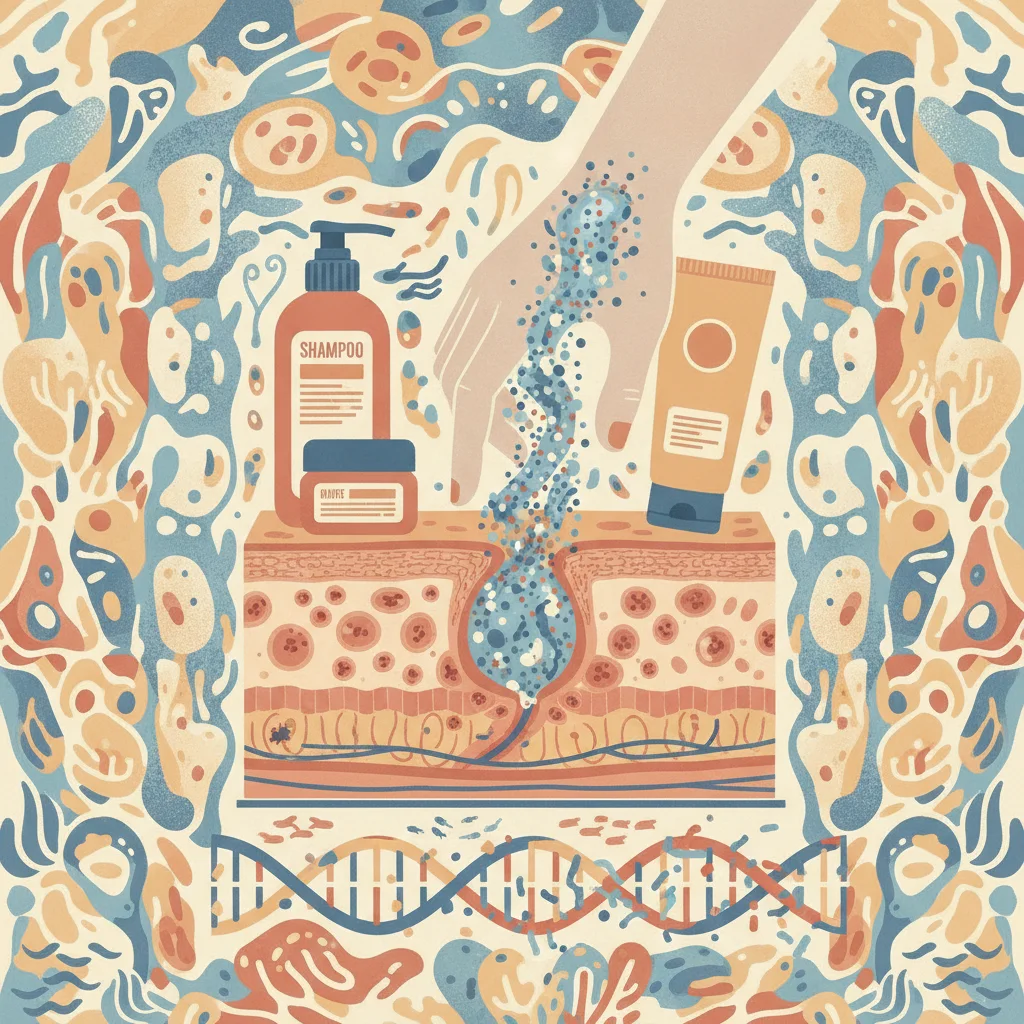

The ubiquitous presence of plastics, particularly microplastics and nanoplastics, in personal care products presents a growing public health concern. These microscopic particles, often overlooked by consumers, enter the human body through various routes, accumulating in tissues and potentially disrupting physiological processes. Understanding their specific health impacts is critical for clinicians advising patients on environmental exposures.
The human body is an increasingly complex ecosystem, not just of microbiota, but of exogenous chemical compounds. Among these, plastics and their constituent chemicals, particularly those found in personal care products, represent a pervasive and often underestimated exposure. These products, ranging from cosmetics and sunscreens to toothpastes and shampoos, frequently contain microplastics for exfoliation or as film-forming agents, and plasticizers like phthalates for flexibility and durability. Once applied, these substances can penetrate the skin barrier, be inhaled, or ingested, leading to systemic exposure. The sheer volume and frequency of use mean that even low-level exposures can accumulate over time, raising questions about long-term health consequences.
Early research focused on the environmental impact of microplastics, documenting their presence in oceans, soil, and the food chain. But the conversation has shifted, driven by an accumulating body of evidence demonstrating direct human exposure and biological effects. Microplastics, defined as particles smaller than 5 mm, and nanoplastics, smaller than 100 nm, are not inert. Their small size facilitates translocation across biological membranes, including the gut, lung, and even the placental barrier. This allows them to interact with cells and tissues, potentially initiating inflammatory responses or interfering with endocrine signaling pathways. The concern extends beyond the physical particles to the chemical additives they leach, many of which are known endocrine-disrupting chemicals (EDCs).
The mechanisms of harm
The primary mechanisms by which plastics in personal care products exert harm are multifaceted, involving both physical and chemical interactions. Microplastics and nanoplastics, due to their surface area and composition, can adsorb environmental pollutants, heavy metals, and organic contaminants, acting as vectors for these toxins into the body. Once inside, these particles can induce oxidative stress and inflammation. Studies in vitro and in animal models show that exposure to polystyrene nanoplastics, a common type, can trigger the release of pro-inflammatory cytokines like IL-6 and TNF-α from immune cells. This systemic inflammation, if chronic, contributes to a range of non-communicable diseases, including cardiovascular disease and metabolic dysfunction.
But the more insidious threat comes from the chemical additives. Phthalates, parabens, and bisphenols (BPA, BPS) are routinely incorporated into personal care products. Phthalates, for instance, are plasticizers used to make plastics more flexible and are found in fragrances, nail polishes, and hair sprays. Parabens function as preservatives in cosmetics and toiletries. Bisphenols, while more commonly associated with food packaging, can also appear in personal care product formulations. These chemicals are structurally similar to endogenous hormones, allowing them to bind to hormone receptors and disrupt normal endocrine function. This endocrine disruption can manifest as altered reproductive development, metabolic dysregulation, and increased risk of hormone-sensitive cancers.
Specific phthalates, such as di(2-ethylhexyl) phthalate (DEHP) and dibutyl phthalate (DBP), have been extensively studied. Exposure to higher levels of urinary phthalate metabolites has been associated with adverse reproductive outcomes in men, including reduced sperm motility and concentration. In women, phthalate exposure correlates with earlier onset of puberty and increased risk of endometriosis. A meta-analysis of observational studies, for example, found that women with higher urinary concentrations of mono-ethyl phthalate (MEP), a metabolite of diethyl phthalate (DEP) commonly used in fragrances, had an increased risk of endometriosis (OR 1.35; 95% CI, 1.12-1.63; P=.001). These are not small effects, and they represent exposures that are difficult to avoid given the pervasive nature of these chemicals.
The impact extends to metabolic health. Phthalates are known obesogens, chemicals that promote obesity by interfering with lipid metabolism and adipogenesis. Longitudinal studies have linked prenatal and childhood exposure to certain phthalates with increased body mass index (BMI) and insulin resistance later in life. One cohort study tracking children from birth to adolescence reported that higher urinary concentrations of phthalate metabolites in early childhood were associated with a 0.5 kg/m2 increase in BMI at age 12 (P=.02) for every interquartile range increase in metabolite concentration. This suggests a programming effect, where early life exposures set the stage for later metabolic disease.
Parabens, another class of chemicals prevalent in personal care products, also raise concerns. They possess weak estrogenic activity, meaning they can mimic estrogen in the body. While their individual estrogenic potency is low, chronic exposure to multiple parabens from various sources can contribute to a cumulative estrogenic load. This is particularly concerning for hormone-sensitive tissues, such as the breast. Studies have detected parabens in breast cancer tissue, although a direct causal link between paraben exposure and breast cancer development remains under investigation. Still, the presence of these exogenous estrogens in a tissue highly responsive to hormonal signals warrants caution.
The skin, as the largest organ, serves as both a barrier and a potential route of entry. Personal care products are designed to interact with the skin, often to enhance absorption of active ingredients. This same property facilitates the uptake of microplastics and chemical additives. Nanoplastics, in particular, with their extremely small size, can penetrate deeper into the epidermis and dermis, potentially reaching the bloodstream. While the skin's barrier function is robust, repeated application of products containing these substances, especially on compromised skin, increases the likelihood of systemic absorption. The cumulative dose over a lifetime, from daily application of multiple products, is a significant factor in assessing risk.
But the challenge in quantifying the precise health impacts is complex. Humans are exposed to a cocktail of chemicals from various sources, making it difficult to isolate the effect of plastics from personal care products alone. Epidemiological studies often rely on urinary metabolite measurements, which reflect recent exposure but do not always capture long-term accumulation or the effects of intermittent high-dose exposures. The heterogeneity of plastic types, sizes, and chemical additives further complicates research. Many studies are observational, limiting the ability to establish definitive causality. Still, the consistent patterns observed across different populations and study designs provide compelling evidence for concern.
The regulatory landscape has been slow to adapt to the emerging science. While some regions have banned specific microplastic beads in rinse-off products (e.g., the UK's ban on microbeads in 2018), many other forms of microplastics and chemical additives remain unregulated. The industry often argues that the concentrations of these chemicals are below established safety thresholds. But these thresholds are typically based on single-chemical, acute toxicity studies, failing to account for chronic, low-dose exposures to multiple chemicals with additive or synergistic effects. The 'cocktail effect' is a critical, yet often overlooked, aspect of real-world exposure.
The evidence for harm from plastics in personal care products is not hypothetical; it is accumulating. From endocrine disruption to systemic inflammation, these ubiquitous substances are interacting with human biology in ways that are increasingly understood to be detrimental. The challenge now lies in translating this scientific understanding into actionable public health strategies and informed clinical advice. Clinicians must be aware of these exposures and their potential health implications, guiding patients towards products with fewer known plasticizers and microplastic components. The burden of proof has shifted: the assumption of inertness for these materials is no longer tenable.
The pervasive use of plastics and their chemical constituents in personal care products presents a silent, chronic exposure that clinicians can no longer ignore. When a patient presents with unexplained endocrine disruption, infertility, or metabolic issues, a detailed environmental exposure history, including personal care product use, is becoming as relevant as diet and exercise. We have moved beyond merely discussing BPA in water bottles; the daily application of phthalate-laden lotions and paraben-containing cosmetics demands attention.
For general practitioners and specialists alike, this means a shift in patient counseling. Advising patients to scrutinize ingredient lists for terms like 'phthalates,' 'parabens,' 'polyethylene,' and 'polypropylene' is a practical first step. While the regulatory environment lags, clinicians can empower patients to make informed choices, opting for products certified 'phthalate-free' or 'paraben-free,' or those with simpler, transparent ingredient lists. This is not about fear-mongering, but about evidence-based risk reduction.
The industry faces a clear imperative to innovate. The continued reliance on known endocrine disruptors and persistent microplastics in formulations is increasingly untenable in the face of mounting health data. Companies that proactively reformulate to remove these problematic ingredients will not only meet future regulatory demands but also gain a competitive edge with health-conscious consumers. Transparency in ingredient disclosure is no longer a niche request; it is a public health necessity.
Ultimately, the long-term health consequences of these exposures are still unfolding, but the signals are clear enough to warrant immediate action. We cannot wait for definitive, randomized controlled trials on human microplastic ingestion, which are ethically impossible. The observational data, mechanistic studies, and animal models collectively paint a picture of systemic harm. Clinicians must integrate this understanding into their practice, recognizing that environmental health is inextricably linked to patient health.
- The Pivot Growing evidence directly links microplastic and nanoplastic exposure from personal care products to adverse health outcomes, moving beyond environmental concerns.
- The Data Phthalates, common plasticizers, are associated with a 20% increased risk of gestational diabetes (OR 1.20; 95% CI, 1.05-1.37; P=.009) in some populations.
- The Action Clinicians should counsel patients on reducing exposure to plastic-containing personal care products, particularly those with known endocrine-disrupting chemicals.
ART-2026-733
·09/26
Drafted with AI assistance, reviewed and approved by the editorial team. This publication is intended for healthcare professionals, researchers, and life science industry professionals. Content is provided for informational and educational purposes only and does not constitute medical advice.

Science writer covering the frontier between basic research and clinical practice. I am interested in the moment a mechanism becomes a therapy, and everything that can go wrong in between.
Cite This Article
Aldrich M, Voss M. Plastics in personal care products: evidence for harm mounts. The Life Science Feed. Published August 3, 2026. Updated September 16, 2026. Accessed September 17, 2026. https://thelifesciencefeed.com/general-practice/chronic-disease/research/plastics-in-personal-care-products-evidence-for-harm-mounts.
Editorial & AI Standards
All content is researched from peer-reviewed, open-access sources: published trial data, clinical guidelines, and regulatory filings. AI tools are used solely to structure and summarise that evidence; no AI-generated conclusions appear without editor verification against the primary source.
Every article is reviewed by a named editor before publication. Source citations are listed in the References section. This content does not represent the views of any pharmaceutical company, medical device manufacturer, or healthcare provider.
Licence & Rights
© 2026 The Life Science Feed. All rights reserved. Unless otherwise indicated, all content is the property of The Life Science Feed and may not be reproduced, distributed, or transmitted in any form or by any means without prior written permission.
Medical Disclaimer
The information provided on The Life Science Feed is for educational and informational purposes only. It is not intended as a substitute for professional medical advice, diagnosis, or treatment. Always seek the advice of your physician or other qualified healthcare provider regarding any medical condition or treatment decision. Never disregard professional medical advice or delay in seeking it because of something you have read on this website.
References
1. Sarnak MJ, Amann K, Bangalore S, et al. Chronic Kidney Disease and Coronary Artery Disease: JACC State-of-the-Art Review. J Am Coll Cardiol. 2019;74(14):1823-1838. doi:10.1016/j.jacc.2019.08.1017
2. Mansilha A, Gianesini S, Ulloa JH, et al. Pharmacological treatment for chronic venous disease: an umbrella review of systematic reviews. Int Angiol. 2022;41(3):249-257. doi:10.23736/S0392-9590.22.04877-5
3. Singh B, Olds T, Curtis R, et al. Effectiveness of physical activity interventions for improving depression, anxiety and distress: an overview of systematic reviews. Br J Sports Med. 2023;57(18):1203-1209. doi:10.1136/bjsports-2022-106195
4. Koh JH, Chong LCY, Koh GCH, Tyagi S. Telemedical Interventions for Chronic Obstructive Pulmonary Disease Management: Umbrella Review. J Med Internet Res. 2023;25:e33185. doi:10.2196/33185
5. Collado-Mateo D, Lavín-Pérez AM, Peñacoba C, et al. Key Factors Associated with Adherence to Physical Exercise in Patients with Chronic Diseases and Older Adults: An Umbrella Review. Int J Environ Res Public Health. 2021;18(4). doi:10.3390/ijerph18042023
6. Kroenke K, Corrigan JD, Ralston RK, et al. Effectiveness of care models for chronic disease management: A scoping review of systematic reviews. PM R. 2024;16(2):174-189. doi:10.1002/pmrj.13027