
Large-scale public gatherings, particularly major sporting events, present a complex challenge for public health infrastructure. These events concentrate thousands, sometimes millions, of individuals in confined spaces, amplifying risks for infectious disease transmission, acute injury, and exacerbation of chronic conditions. Integrating nursing students into the public health response at these venues could provide a dual benefit: bolstering event medical services and offering invaluable real-world training.
The sheer scale of major sporting events, from the Olympic Games to the FIFA World Cup, creates a temporary city with its own distinct public health needs. Attendees often travel from diverse geographic regions, potentially introducing novel pathogens or carrying existing health vulnerabilities. The environment itself, characterised by large crowds, prolonged standing, and sometimes extreme weather, predisposes individuals to heatstroke, dehydration, respiratory infections, and musculoskeletal injuries. Traditional medical teams, while highly skilled, can become stretched thin managing the volume and variety of health issues that arise. This operational strain highlights a persistent gap in surge capacity for public health interventions at such events.
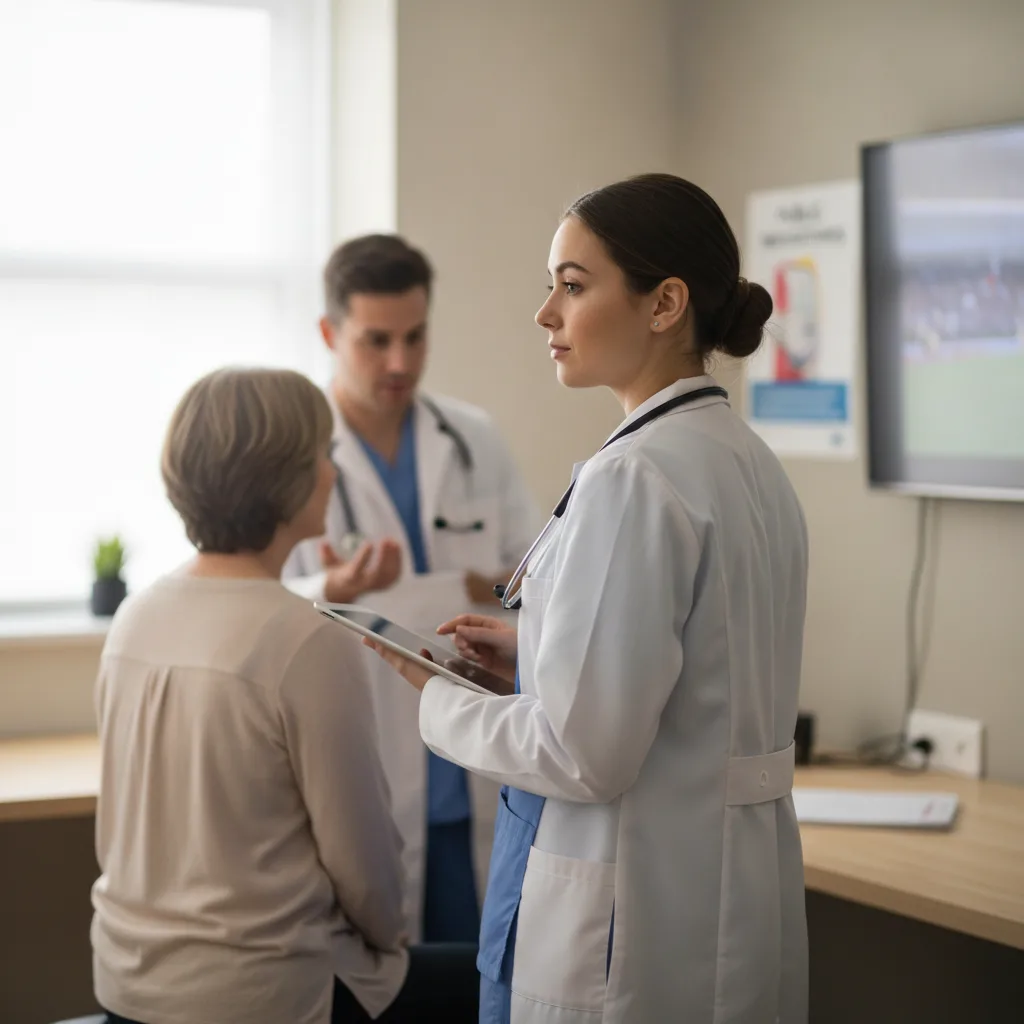
Nursing students, particularly those in their later years of study, possess a foundational understanding of health assessment, patient education, and basic emergency care. Their integration into event medical teams could extend the reach of public health initiatives beyond immediate emergency response. They could staff first aid stations, assist with triage, conduct health screenings, and, crucially, engage in proactive health promotion. This includes educating attendees on hydration, sun protection, hand hygiene, and the recognition of common symptoms, thereby empowering individuals to manage their own health and reduce the burden on acute care services.
The Practical Application of Public Health Principles
The concept of deploying nursing students at mass gatherings is not entirely novel, but its formalisation and expansion into a structured public health role remain underexplored. Students could participate in pre-event planning, learning about risk assessment and resource allocation for large populations. During the event, their activities might range from assisting with basic life support under supervision to distributing informational materials on disease prevention. For example, during a heatwave, students could staff hydration stations, monitor vulnerable populations for signs of heat exhaustion, and provide immediate cooling measures. This direct patient and public interaction offers a tangible application of theoretical knowledge, far surpassing the scope of typical classroom simulations.
Consider the logistical challenges of managing a sudden outbreak of a communicable disease at a major event. Nursing students, trained in basic epidemiology and infection control, could assist with contact tracing, symptom screening at entry points, and reinforcing public health messaging regarding respiratory etiquette or handwashing. This proactive engagement shifts the focus from purely reactive emergency care to a more comprehensive public health strategy. The experience also exposes students to the complexities of interdisciplinary collaboration, working alongside paramedics, physicians, public health officials, and event security personnel. They learn to navigate the command structure of a large-scale operation, understanding their role within a broader emergency response framework.
The educational benefits for students are substantial. They gain exposure to diverse patient populations, often presenting with conditions exacerbated by the event environment. This includes individuals with pre-existing cardiovascular conditions experiencing chest pain due to exertion, or those with diabetes struggling to manage blood glucose amidst irregular meal times and increased activity. Students develop critical thinking skills in rapidly evolving situations, learning to prioritise care and communicate effectively under pressure. They also hone their cultural competency, interacting with attendees from various backgrounds and adapting health advice accordingly. This hands-on experience in a high-stakes, dynamic environment is difficult to replicate in a traditional clinical placement.
But the integration of students requires careful planning and robust supervision. Each student must operate within their scope of practice, with clear guidelines and direct oversight from qualified nursing staff or other healthcare professionals. Training must include specific protocols for event-related emergencies, communication pathways, and an understanding of the legal and ethical considerations of providing care in a public setting. Without adequate preparation and supervision, the potential benefits could be undermined by safety concerns or ineffective interventions. The goal is not to replace experienced professionals but to augment their capacity and provide a structured learning environment.
The financial and resource implications also warrant consideration. While students offer a cost-effective workforce, there are expenses associated with their training, supervision, and logistical support, including transport, accommodation, and meals for multi-day events. Event organisers and public health bodies would need to allocate budgets for these aspects, potentially through partnerships with academic institutions. Establishing formal agreements between nursing schools and event medical committees would clarify roles, responsibilities, and liability, ensuring a smooth and beneficial collaboration for all parties. The long-term investment in developing a cadre of nurses experienced in mass gathering health could yield significant returns for future public health preparedness.
The trial was not powered to detect differences in long-term career choices, and that gap matters. While the immediate benefits of practical experience are clear, whether this exposure significantly influences students to pursue careers in public health or emergency medicine remains an open question. Future research could explore the career trajectories of students who participate in such programs, assessing the impact on their professional development and specialisation choices. This would provide a more complete picture of the return on investment for both educational institutions and public health agencies.
Integrating nursing students into major sporting event medical teams offers a pragmatic solution to bolster public health capacity. These events, often seen as purely recreational, are in fact significant public health challenges, demanding robust and flexible medical support. Leveraging the student workforce, under appropriate supervision, can extend the reach of health promotion and basic care.
For clinicians already stretched thin at these gatherings, the addition of trained students could alleviate some of the burden, allowing senior staff to focus on more complex cases. It shifts the paradigm from simply reacting to emergencies to proactively engaging with the public on health matters. This is not about replacing experienced nurses, but about creating an additional layer of support and education.
Nursing programs should view these opportunities as essential components of public health education, moving beyond theoretical frameworks to real-world application. The experience gained in mass gathering health, from triage to health education, is invaluable for developing well-rounded, adaptable practitioners. It prepares them for the unpredictable nature of community health needs.
Still, the success hinges on formalised partnerships and adequate resource allocation. Without clear protocols, robust supervision, and financial backing, these initiatives risk becoming disorganised and ineffective. The next step is to establish standardised frameworks for student involvement, ensuring both patient safety and optimal learning outcomes.
- The Pivot Major sporting events can serve as practical training grounds for nursing students in public health.
- The Data Students gain direct experience in health promotion, screening, and emergency response.
- The Action Health authorities and nursing programs should formalise partnerships to integrate students into event medical teams.
ART-2026-846
·10/26
Drafted with AI assistance and checked by automated style rules. Not individually read by an editor. This publication is intended for healthcare professionals, researchers, and life science industry professionals. Content is provided for informational and educational purposes only and does not constitute medical advice.

I cover life sciences: drug approvals, trial readouts, regulatory decisions, and the AI reshaping clinical practice. Based in Greater London, contributing to The Life Science Feed since 2026.
Cite This Article
Voss M, Lopes W. Nursing students could bolster public health at major sporting events. The Life Science Feed. Published July 24, 2026. Updated October 5, 2026. Accessed October 22, 2026. https://thelifesciencefeed.com/general-practice/preventive-health-services/insights/nursing-students-could-bolster-public-health-at-major-sporting-events.
Editorial & AI Standards
Content is drafted with AI tools from peer-reviewed, open-access sources such as published trial data, clinical guidelines, and regulatory filings. This article is checked by automated style rules but is not individually read by an editor, so check the cited source before relying on a figure.
Source citations are listed in the References section. This content does not represent the views of any pharmaceutical company, medical device manufacturer, or healthcare provider.
Licence & Rights
© 2026 The Life Science Feed. All rights reserved. Unless otherwise indicated, all content is the property of The Life Science Feed and may not be reproduced, distributed, or transmitted in any form or by any means without prior written permission.
Medical Disclaimer
The information provided on The Life Science Feed is for educational and informational purposes only. It is not intended as a substitute for professional medical advice, diagnosis, or treatment. Always seek the advice of your physician or other qualified healthcare provider regarding any medical condition or treatment decision. Never disregard professional medical advice or delay in seeking it because of something you have read on this website.
References
1. The Conversation. Major sporting events could offer a public health role for nursing students. Accessed Jul
2026. https://theconversation.com/major-sporting-events-could-offer-a-public-health-role-for-nursing-students-284928