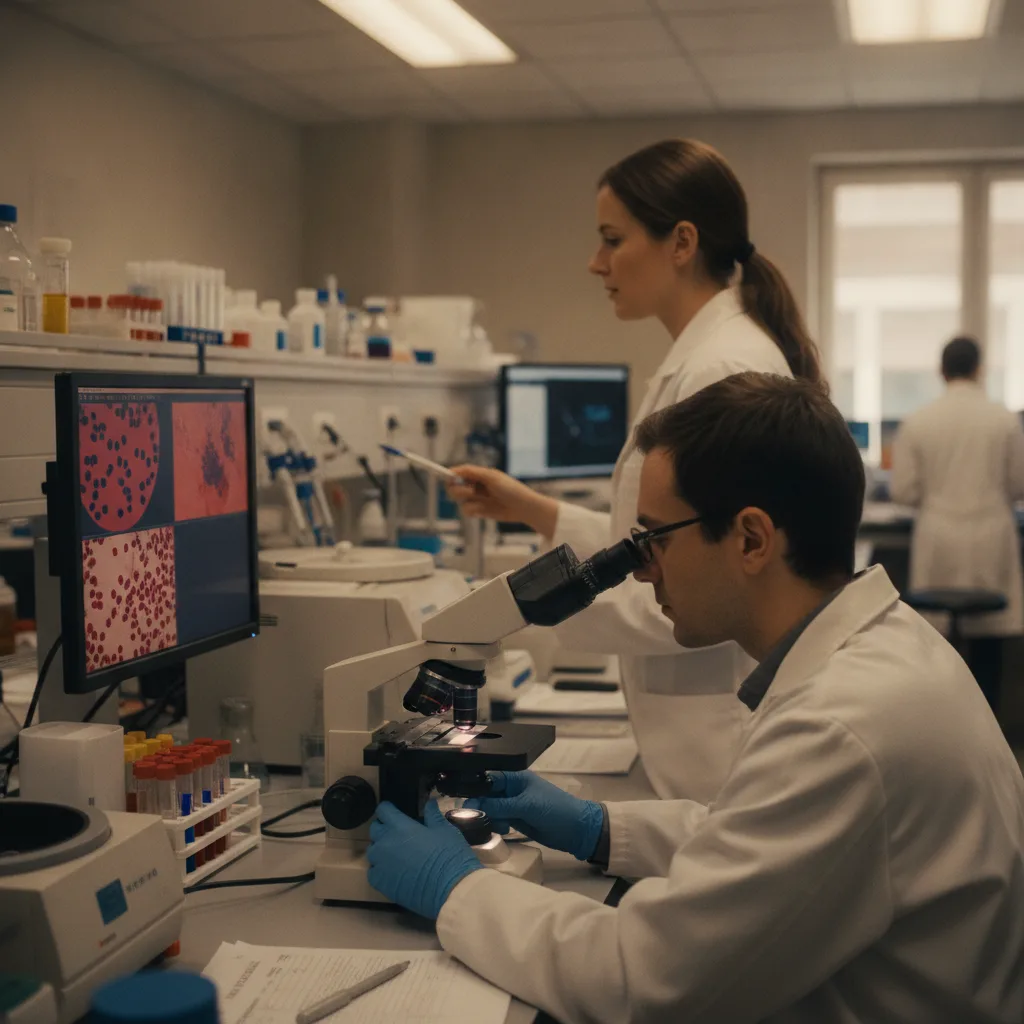

Transfusion-dependent beta-thalassemia (TDT) remains a lifelong burden for patients, requiring regular red blood cell transfusions to manage severe anemia and prevent complications. These transfusions, while life-sustaining, carry their own risks, including iron overload and alloimmunization. The field has long sought curative-intent options that move beyond symptomatic management, and gene-editing therapies have emerged as a significant contender. Exagamglogene autotemcel (exa-cel), the first clustered regularly interspaced short palindromic repeats (CRISPR)-based gene-editing therapy, has now established genome editing as a viable option for eligible patients with TDT, offering sustained transfusion independence.1
Transfusion-dependent beta-thalassemia (TDT) is a severe genetic blood disorder characterised by reduced or absent beta-globin chain synthesis, leading to ineffective erythropoiesis, chronic anemia, and significant organ damage without regular blood transfusions. The standard of care has historically involved lifelong transfusions and iron chelation therapy, a regimen that, while extending life, imposes substantial physical and psychological burdens on patients and healthcare systems. Allogeneic hematopoietic stem-cell transplantation (allo-HSCT) offers a curative option, but its applicability is limited by donor availability and the inherent risks of graft-versus-host disease (GvHD) and graft rejection. This unmet need for a donor-independent, curative therapy has driven the development of gene-editing approaches.1,2
Exagamglogene autotemcel (exa-cel) represents a significant advancement, leveraging CRISPR-Cas9 technology to modify autologous CD34-positive hematopoietic stem and progenitor cells. The mechanism involves editing the BCL11A erythroid enhancer, which subsequently reactivates fetal hemoglobin (HbF) production. Increased HbF levels compensate for the deficient adult hemoglobin, thereby ameliorating anemia and reducing or eliminating the need for transfusions. This autologous approach bypasses the immunological complications associated with allo-HSCT, such as GvHD, offering a potentially safer and more accessible curative-intent option.1,2
The Clinical Program and Patient Selection
The clinical development program for exa-cel in TDT involved multiple studies, including the CLIMB-111 and CLIMB-121 trials, which evaluated the safety and efficacy of the therapy. These trials enrolled patients with severe TDT who required regular transfusions, typically at least 100 mL/kg/year of red blood cells for at least 12 months. Patients had to be at least 12 years of age and have an adequate performance status, along with sufficient organ function to tolerate the myeloablative conditioning regimen. The rigorous patient selection process highlighted the high-risk nature of the therapy, requiring careful assessment of eligibility criteria, including cardiac, hepatic, and renal function, given the potential for conditioning-related toxicities.1,3
Patient candidacy assessment for exa-cel extends beyond the genetic diagnosis of TDT. It necessitates a comprehensive review of organ function, particularly given the chronic iron overload many TDT patients experience. This often involves detailed cardiac MRI for iron quantification and liver function tests. Mobilization and collection of autologous CD34-positive cells are initial steps, followed by centralised manufacturing of the gene-edited cells. The entire process requires intricate coordination among primary hematologists, cellular therapy programs, and specialised transplant centers. Fertility preservation discussions are also essential, as the myeloablative conditioning regimen, typically busulfan, can induce infertility.1,2
Durability of Transfusion Independence
Exa-cel has demonstrated sustained transfusion independence in patients with TDT. The primary endpoint in these studies was the proportion of patients achieving transfusion independence, defined as no red blood cell transfusions for at least 12 consecutive months while maintaining a weighted average hemoglobin of at least 9 g/dL. Data from the ongoing trials consistently show durable freedom from transfusions. For instance, a significant proportion of treated patients achieved and maintained transfusion independence for extended periods, with follow-up extending beyond three years in some cohorts. This sustained response is attributed to the persistent engraftment of the gene-edited hematopoietic stem cells and the stable production of HbF.1,2
The clinical benefit of exa-cel extends beyond simply eliminating transfusions. Patients experienced improvements in health-related quality of life (HRQoL), a critical outcome for a chronic disease that profoundly impacts daily living. These improvements encompassed physical functioning, fatigue, and overall well-being, as patients were freed from the burden of frequent hospital visits for transfusions and the associated complications. The reduction in iron overload, a direct consequence of transfusion independence, also mitigates the risk of long-term organ damage, particularly to the heart and liver, which are major causes of morbidity and mortality in TDT.3
Safety Profile and Implementation Challenges
The safety profile of exa-cel is largely driven by the myeloablative conditioning regimen. Common adverse events include myelosuppression, mucositis, nausea, vomiting, and febrile neutropenia, consistent with busulfan conditioning. These toxicities require intensive transplant-level supportive care, including infection prophylaxis and management, and close monitoring of hematologic recovery. While the autologous nature of the therapy eliminates the risk of GvHD, patients still face the acute and long-term risks associated with high-dose chemotherapy. Long-term follow-up is essential to identify any late toxic effects, including potential risks of secondary malignancies, although current data have not raised significant concerns.1,2
Implementing exa-cel into clinical practice presents several challenges. Stem cell collection can be difficult in some patients, particularly those with prior extensive transfusion histories or splenectomy. The conditioning-related toxicity demands highly specialized care centers with expertise in hematopoietic stem cell transplantation. The cost of gene-editing therapies is substantial, leading to significant reimbursement friction and raising concerns about equitable access. These barriers highlight the need for structured referral pathways, robust candidacy assessment, and coordinated care among multidisciplinary teams to ensure successful and safe delivery of this complex therapy. The safety of blood transfusions remains a concern for patients not eligible for gene therapy.1,2
The successful integration of CRISPR-based therapies like exa-cel into routine practice requires more than just editing efficacy. It depends on a meticulously planned and executed process, starting from referral and candidacy assessment, through mobilization and collection of CD34+ cells, centralised manufacturing, pharmacokinetic-guided myeloablative conditioning, and extensive transplant-level supportive care. Psychosocial support is also a critical component, given the profound impact of a potentially curative therapy on patients and their families, as well as the demanding treatment journey. Prolonged surveillance coordinated among primary hematologists and cellular therapy programs is essential to monitor long-term outcomes and identify any unforeseen late toxic effects.1,2
The long-term effectiveness of exa-cel in real-world settings, beyond controlled clinical trials, still requires careful evaluation. Registry participation is necessary to compare outcomes across different gene-editing approaches, gene addition therapies, and allogeneic transplantation. This will help to refine patient selection criteria and optimise treatment protocols. The current data, while compelling, come from relatively small cohorts of carefully selected patients. Broader application will inevitably expose the therapy to a more diverse patient population, potentially revealing new challenges or nuances in efficacy and safety. For clinicians interested in the broader applications of gene editing, the use of CAR T-cell therapy in DLBCL offers another example of this rapidly evolving field.1,2
The open-label design of the initial trials is an obvious caveat. While transfusion independence is an objective endpoint, the lack of blinding could introduce bias in other patient-reported outcomes, even if HRQoL improvements were substantial. The follow-up period, while extending to several years, is still relatively short for a therapy intended to be curative for a lifelong condition. The full spectrum of long-term safety, particularly regarding clonal evolution or secondary malignancies, will only become clear with decades of observation. The high cost also remains a significant barrier, limiting access to this transformative therapy to a select few, perpetuating inequities in healthcare. Clinicians managing complex hematological conditions may find the Oxford Handbook of Clinical Haematology a useful reference for navigating these advanced treatments.1-3
The current evidence firmly establishes exa-cel as a transformative therapy for TDT. It offers a donor-independent alternative to allo-HSCT, eliminating the risks of graft rejection and GvHD, while providing durable transfusion independence and improving patient quality of life. The successful implementation of this therapy demands a highly coordinated, multidisciplinary approach, careful patient selection, and robust long-term surveillance. The challenge for hematologists, oncologists, and transplant programs is to integrate CRISPR into practice with the rigor required for any high-risk curative therapy: careful patient selection, disciplined delivery, and long-term accountability.1-3
Exagamglogene autotemcel fundamentally shifts the treatment market for transfusion-dependent beta-thalassemia. For eligible patients, the prospect of lifelong transfusion independence is a profound change, moving beyond chronic disease management to a curative-intent option. This means fewer hospital visits, reduced iron overload complications, and a significant improvement in quality of life, which for many, has been severely compromised since childhood.
The practicalities of delivering this therapy are immense. The requirement for myeloablative conditioning and intensive supportive care means exa-cel is not a simple outpatient procedure. It demands the infrastructure and expertise of a major transplant center, limiting its accessibility. General practitioners and referring hematologists must understand the stringent patient selection criteria and the extensive preparatory and post-treatment care required, which includes fertility preservation and prolonged surveillance.
The cost of gene-editing therapies remains a formidable barrier. While the long-term economic benefits of transfusion independence are clear, the upfront investment is substantial, creating significant challenges for healthcare systems and equitable access. Payers and policymakers must grapple with how to integrate such high-value, high-cost therapies into existing frameworks without exacerbating health disparities. The ongoing need for long-term follow-up also necessitates robust registry systems to track outcomes and identify any late-emerging safety signals, ensuring accountability for this novel technology.
- The Pivot Exagamglogene autotemcel, a CRISPR-Cas9 gene-editing therapy, provides durable transfusion independence in transfusion-dependent beta-thalassemia.
- The Data The therapy reactivates fetal hemoglobin, leading to sustained freedom from transfusions in TDT patients.
- The Action Clinicians should consider exa-cel as a donor-independent, curative-intent alternative to allogeneic hematopoietic stem-cell transplantation for eligible TDT patients, understanding the complex logistical and supportive care requirements.
ART-2026-1236
·10/26
Drafted with AI assistance, reviewed and approved by the editorial team. This publication is intended for healthcare professionals, researchers, and life science industry professionals. Content is provided for informational and educational purposes only and does not constitute medical advice.

I cover women's health, reproductive medicine, and the persistent gaps in how conditions that primarily affect women get studied and funded. The evidence base is thinner than it should be. I write about why.
Cite This Article
Mitchell S, Voss M. CRISPR-edited cells offer durable transfusion independence in beta-thalassemia. The Life Science Feed. Published August 27, 2026. Updated October 5, 2026. Accessed October 11, 2026. https://thelifesciencefeed.com/haematology/beta-thalassemia/research/exagamglogene-autotemcel-beta-thalassemia-durability.
Editorial & AI Standards
All content is researched from peer-reviewed, open-access sources: published trial data, clinical guidelines, and regulatory filings. AI tools are used solely to structure and summarise that evidence; no AI-generated conclusions appear without editor verification against the primary source.
Every article is reviewed by a named editor before publication. Source citations are listed in the References section. This content does not represent the views of any pharmaceutical company, medical device manufacturer, or healthcare provider.
Licence & Rights
© 2026 The Life Science Feed. All rights reserved. Unless otherwise indicated, all content is the property of The Life Science Feed and may not be reproduced, distributed, or transmitted in any form or by any means without prior written permission.
Medical Disclaimer
The information provided on The Life Science Feed is for educational and informational purposes only. It is not intended as a substitute for professional medical advice, diagnosis, or treatment. Always seek the advice of your physician or other qualified healthcare provider regarding any medical condition or treatment decision. Never disregard professional medical advice or delay in seeking it because of something you have read on this website.
References
1. Hammoud M, Hanna R. Translating CRISPR to Practice in the Clinic: Transformative Therapy in Hemoglobinopathies and Emerging Applications in Malignancies. JCO Oncol Pract 2026.
2. Musallam KM, Locatelli F, Algeri M. 2026 Update on Clinical Trials in β-Thalassemia. Am J Hematol 2026.
3. Fuente J, Frangoul H, Lang P. Improvements in health-related quality of life in patients with transfusion-dependent β-thalassemia after exagamglogene autotemcel. Blood Adv 2025.







