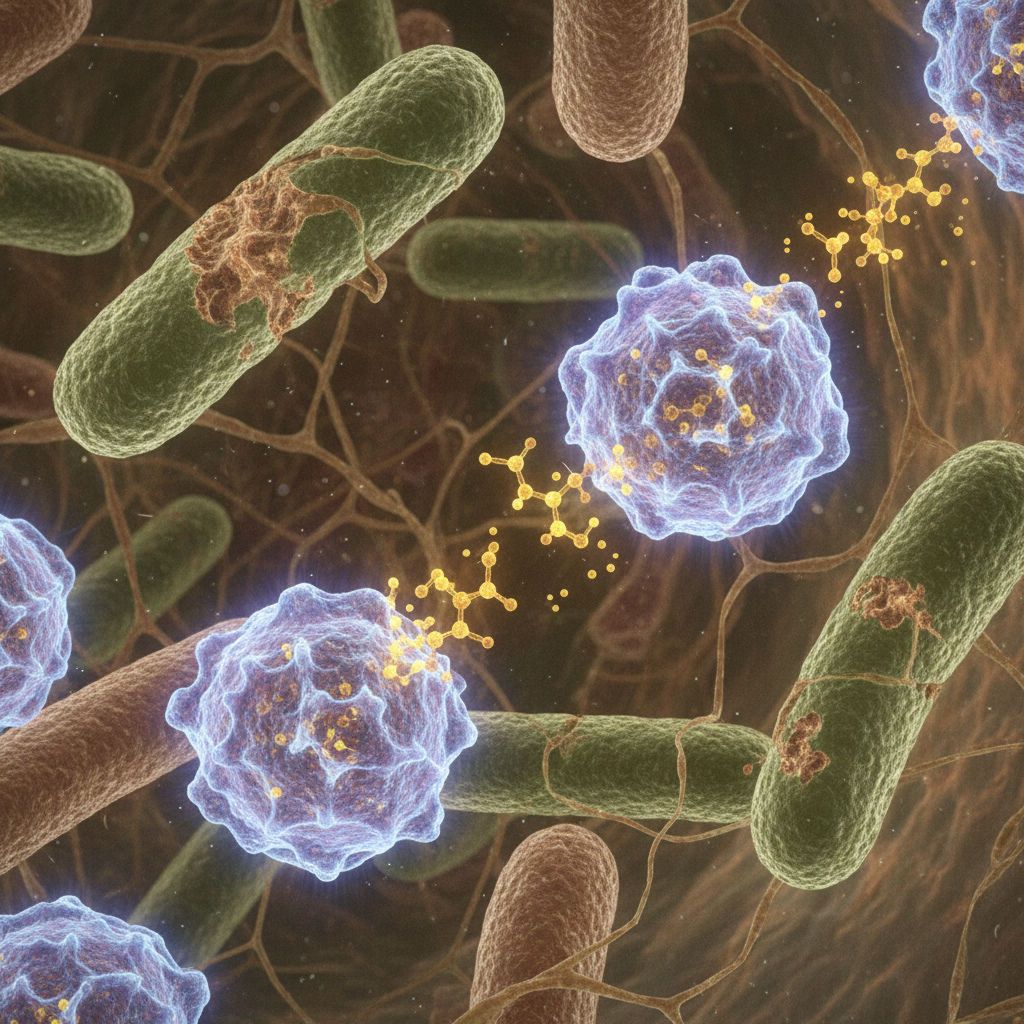
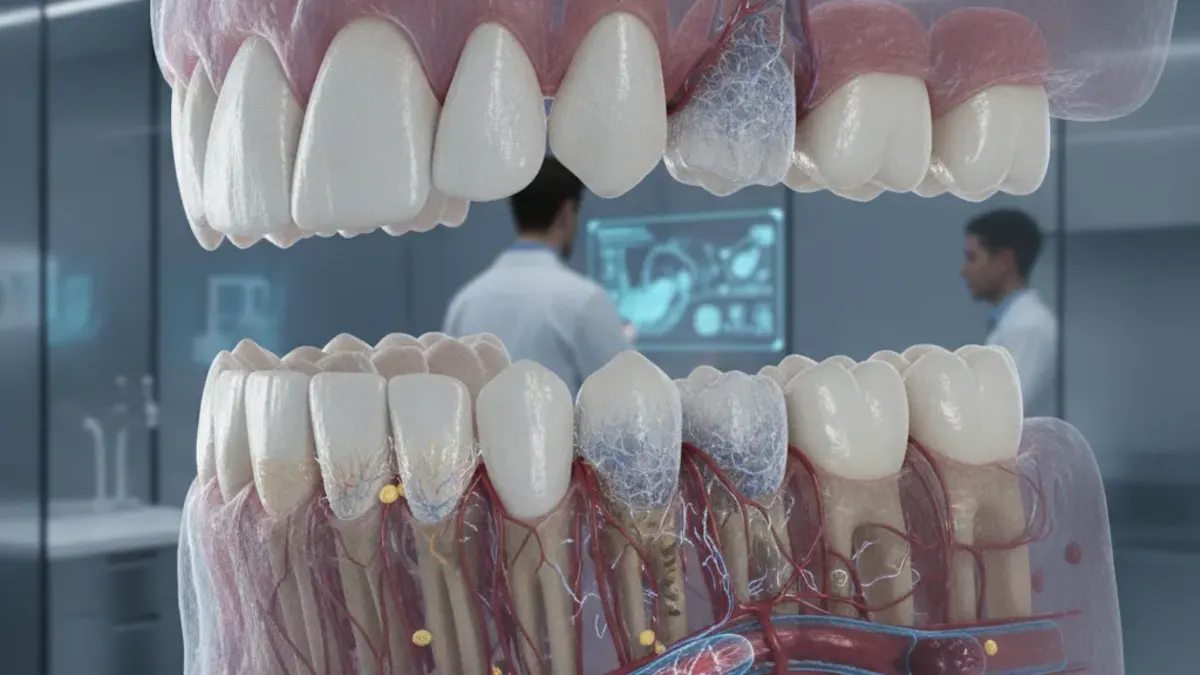
Sodium hypochlorite (NaOCl) has long been the gold standard for root canal disinfection, but its cytotoxicity raises red flags. The search for safer alternatives, such as berberine nanoparticles, is gaining traction. This week, we explore how this shift could impact endodontic practice and several other critical updates in medical research.
1. **Endodontic Innovations**: Berberine nanoparticles are emerging as a viable alternative to NaOCl in root canal treatment. This could reshape standard protocols in endodontics.
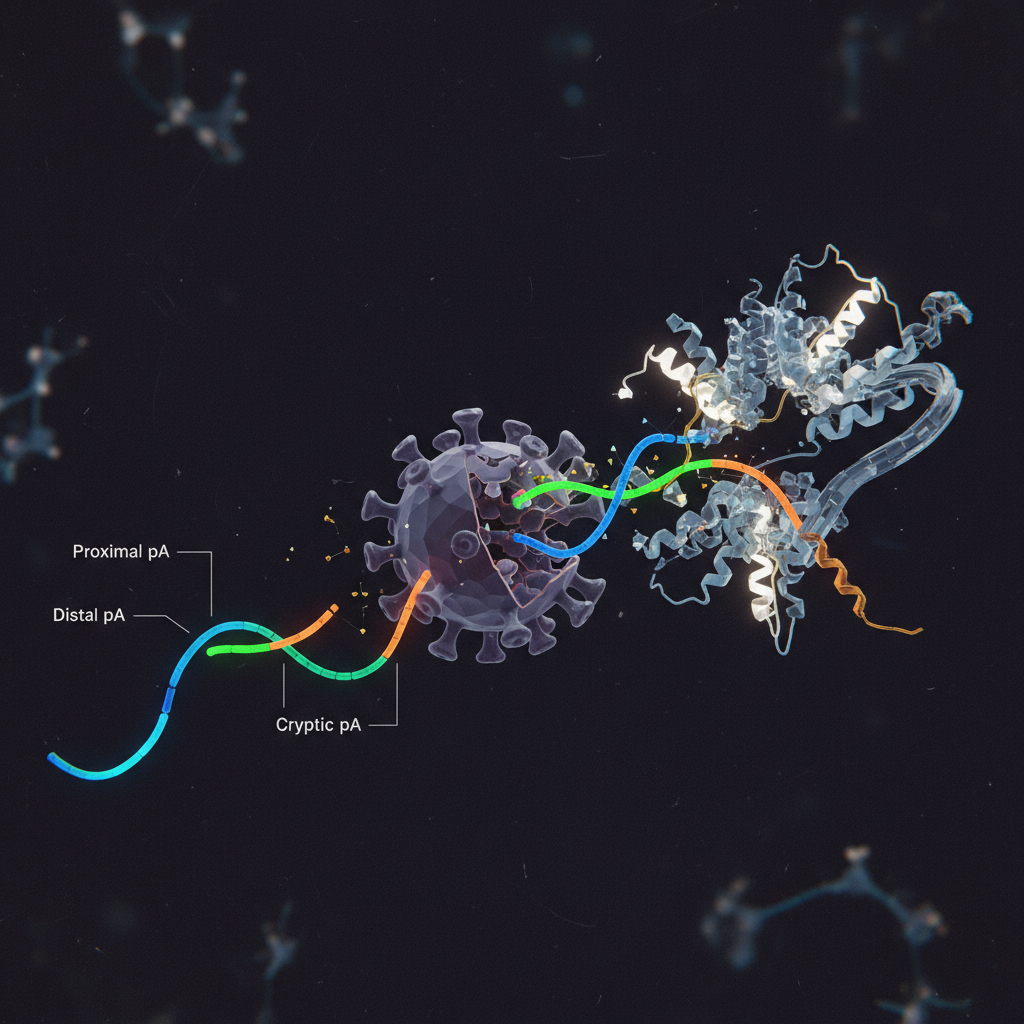
2. **Genetic Insights in Pediatrics**: The role of rare disease genetics in pediatric rheumatology is becoming clearer. It holds the potential to redefine diagnostic and therapeutic approaches.
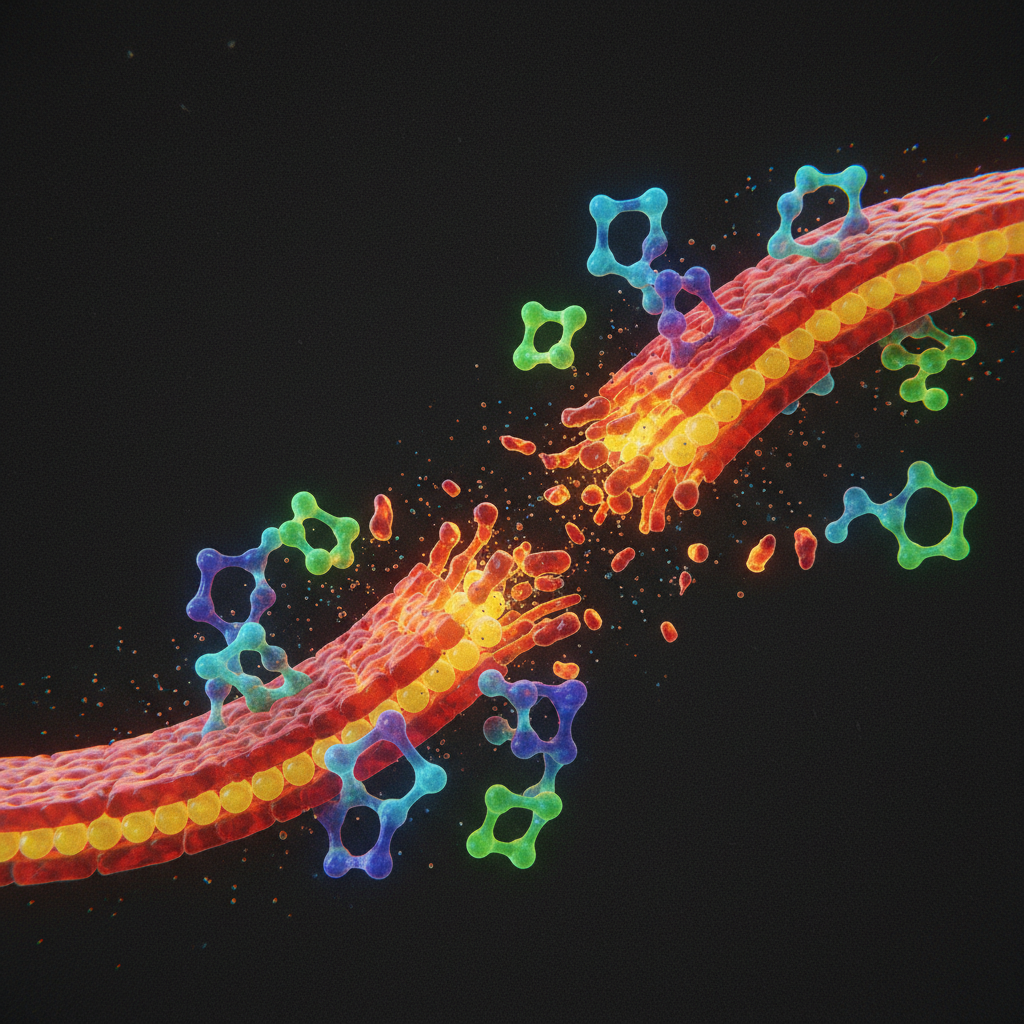
3. **Antimicrobial Resistance**: Lipophosphonoxins show promise against resistant strains where current guidelines fall short. This could lead to new strategies in combating drug-resistant infections.
These findings indicate a broader pattern: the push for safer and more targeted medical solutions is gaining momentum across disciplines. Whether it's refining endodontic practices with berberine or leveraging genetic insights for pediatric care, the focus is on specificity and reduced risk. The era of one-size-fits-all treatments is waning, and precision is key.
Clinicians should consider these innovations in their practice, balancing traditional approaches with emerging evidence. I read every reply.
 • Oct 23 – 27ACR 2026 • Orlando, US
 • Nov 6 – 11AHA 2026 • Chicago, US