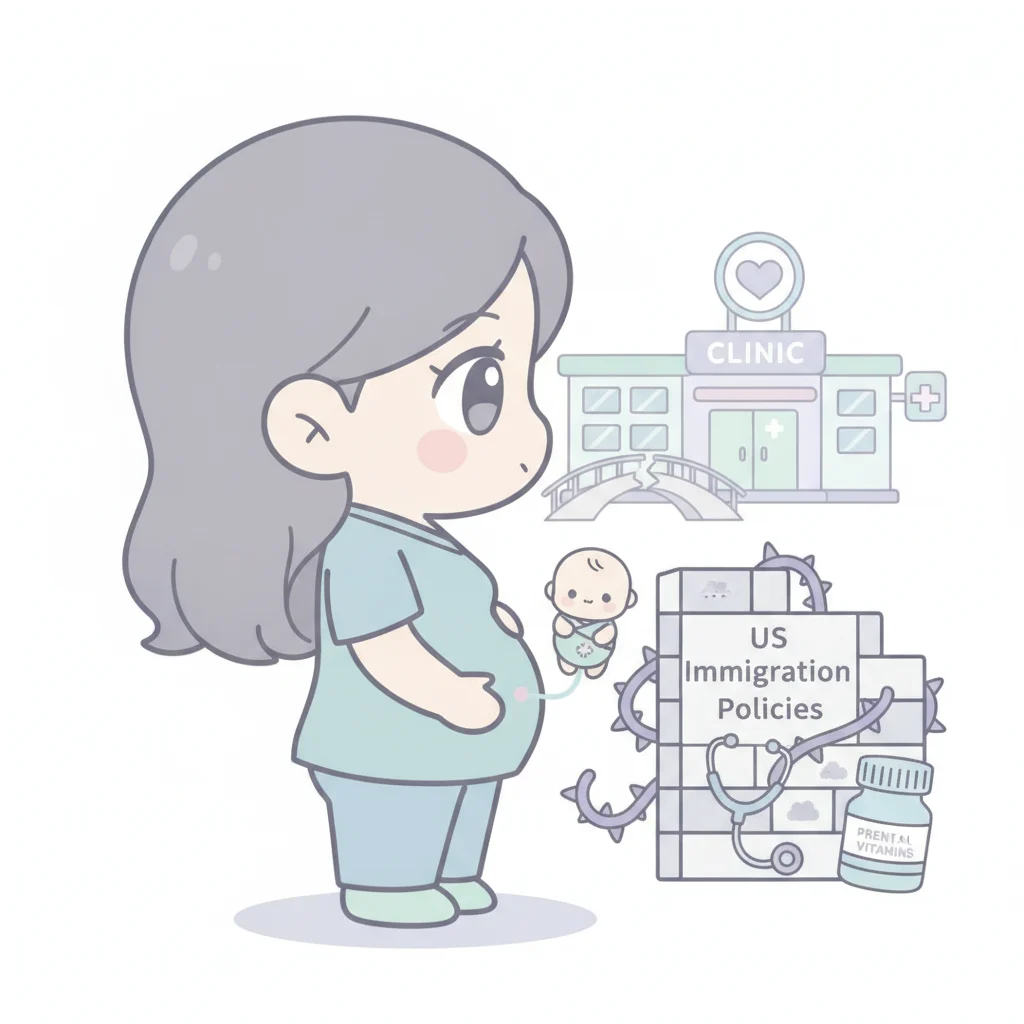

The provision of comprehensive prenatal care stands as a cornerstone of public health, directly influencing maternal and infant morbidity and mortality rates. Access to consistent, high-quality care during pregnancy reduces complications, improves birth outcomes, and establishes a foundation for healthy child development. But for many individuals in the United States, particularly those navigating complex immigration statuses, this fundamental access remains severely compromised.
US immigration policies, often designed with enforcement rather than public health in mind, inadvertently erect formidable barriers to essential medical services. These policies do not merely complicate administrative processes; they instill fear, create financial strain, and disrupt the very social support networks vital for healthy pregnancies and early parenting. The consequences ripple through families and communities, manifesting as delayed or absent prenatal care, increased stress, and poorer health trajectories for both parents and children.
The health of a pregnant individual and their developing fetus relies heavily on timely and consistent engagement with the healthcare system. Early and regular prenatal visits allow for the identification and management of risk factors, screening for conditions like gestational diabetes and preeclampsia, and the provision of crucial nutritional and lifestyle guidance. Without this foundational care, preventable complications escalate, leading to higher rates of preterm birth, low birth weight, and maternal morbidity. These outcomes carry long-term health and economic burdens for individuals, families, and the broader healthcare system.
But for individuals with precarious immigration statuses, the decision to seek care is often fraught with a unique set of anxieties that extend far beyond typical concerns about cost or convenience. The threat of deportation, the fear of family separation, and the chilling effect of increased immigration enforcement activities create a pervasive climate of distrust. This environment compels many to delay or forgo essential medical appointments, even when experiencing concerning symptoms. The perceived risk of engaging with any governmental or quasi-governmental institution, including hospitals and clinics, often outweighs the immediate health imperative. This is not merely a matter of language barriers or cultural differences; it is a direct consequence of policy design that prioritizes enforcement over public health.
The chilling effect of policy
Immigration policies in the US have evolved to include increasingly stringent enforcement measures, such as raids, detentions, and deportations, which extend beyond border regions into communities. These actions, intended to deter undocumented immigration, have an undeniable chilling effect on healthcare utilization among immigrant populations, regardless of their legal status. Families with mixed immigration statuses, where some members are citizens or legal residents while others are not, experience this fear acutely. A pregnant individual, even if legally present, may avoid seeking care if their partner or other family members are undocumented, fearing that any interaction with authorities could expose their loved ones to enforcement actions.
The expansion of public charge rules, which assess an individual's likelihood of becoming dependent on government benefits, further exacerbates this issue. While prenatal care and emergency services are generally exempt from public charge considerations, the complexity and frequent changes in these regulations create widespread confusion and apprehension. Many immigrant families, out of an abundance of caution, opt to avoid any public assistance, including Medicaid or CHIP (Children's Health Insurance Program), even when eligible. This avoidance directly impacts access to prenatal care, as these programs are often the primary means by which low-income individuals can afford comprehensive medical services during pregnancy.
Access to health insurance itself presents a significant hurdle. Undocumented immigrants are largely ineligible for federal health insurance programs, including Medicaid and Affordable Care Act (ACA) marketplace subsidies. This forces many to rely on emergency departments for acute issues, which are ill-equipped to provide continuous prenatal care, or to pay out-of-pocket for private care, which is often prohibitively expensive. Even legal residents may face waiting periods or complex eligibility requirements that delay enrollment, leaving critical gaps in coverage during pregnancy. The lack of consistent insurance coverage means that even when individuals overcome their fears and seek care, the financial burden can be insurmountable, leading to incomplete treatment or premature discontinuation of services.
The geographical distribution of healthcare resources also plays a role. In many rural areas or communities with high immigrant populations, healthcare providers may lack the cultural competency or language services necessary to effectively serve these patients. Furthermore, the closure of rural hospitals and maternity wards in recent years has reduced access to obstetric care for all residents, but disproportionately affects immigrant communities who may already face transportation challenges or live in medically underserved areas. The cumulative effect is a system that is not only difficult to navigate but actively hostile to the needs of a vulnerable population.
The stress associated with navigating a precarious immigration status, coupled with the fear of enforcement, directly impacts maternal mental health. Chronic stress, anxiety, and depression are more prevalent among immigrant pregnant individuals, particularly those facing deportation threats or family separation. These mental health challenges are not benign; they are associated with increased risks of preterm birth, low birth weight, and postpartum depression. Maternal stress hormones can cross the placenta, potentially influencing fetal development and long-term child health outcomes. The constant vigilance and uncertainty inherent in their daily lives create a toxic stress environment that undermines both physical and psychological well-being.
Parenting choices are also constrained by these policies. Post-birth, the fear of interaction with authorities continues to deter parents from seeking well-child visits, vaccinations, or early intervention services for their infants and toddlers. Parents may avoid enrolling their children in programs like WIC (Special Supplemental Nutrition Program for Women, Infants, and Children) or Head Start, despite their eligibility, due to the same public charge concerns or fear of data sharing with immigration enforcement agencies. This avoidance deprives children of critical resources for healthy development, including nutritional support, developmental screenings, and early education opportunities. The long-term consequences include higher rates of preventable childhood illnesses, developmental delays, and educational disparities, perpetuating cycles of disadvantage.
The separation of families due to detention or deportation represents one of the most severe impacts of current immigration policies. When a parent is detained or deported, children, even US citizens, experience profound trauma. The loss of a primary caregiver disrupts attachment, causes severe emotional distress, and can lead to long-term mental health issues, including anxiety, depression, and post-traumatic stress disorder. For pregnant individuals, the detention or deportation of a partner removes a critical source of emotional, financial, and practical support during a vulnerable period, further complicating access to care and increasing stress levels. The policy-driven trauma inflicted on these families has lasting repercussions that extend across generations, impacting community health and social cohesion.
Clinicians and healthcare institutions face ethical dilemmas when confronted with these policy-induced barriers. While medical ethics dictate providing care regardless of immigration status, the broader legal and political environment often creates an atmosphere where healthcare providers feel constrained or even pressured to cooperate with enforcement agencies. This tension undermines the trust essential for effective patient-provider relationships. Advocacy for policies that create safe zones in healthcare settings, where patients can seek care without fear of immigration enforcement, becomes paramount. Training healthcare staff in trauma-informed care and cultural competency is also essential to address the unique needs of immigrant patients, ensuring that care is delivered with sensitivity and respect for their lived experiences.
The economic impact of these policies is also substantial. When individuals forgo preventative care, they often present with more advanced or complicated conditions, requiring more intensive and expensive interventions. The increased rates of preterm birth and low birth weight associated with inadequate prenatal care lead to higher neonatal intensive care unit (NICU) admissions and prolonged hospital stays, incurring significant costs for hospitals and taxpayers. Investing in accessible, comprehensive prenatal care for all pregnant individuals, regardless of immigration status, is not only a moral imperative but also a fiscally responsible approach to public health. The current policies create a false economy, deferring costs from prevention to crisis management, with poorer outcomes for all involved.
The long-term societal consequences of these policies are profound. A generation of children, many of whom are US citizens, are growing up in environments marked by fear, instability, and reduced access to essential health and developmental resources. This creates a cohort with higher rates of chronic health conditions, mental health disorders, and educational disadvantages. These outcomes diminish human potential and place a greater strain on social services, education systems, and the healthcare infrastructure in the future. Addressing the health impacts of immigration policies requires a fundamental re-evaluation of how enforcement intersects with public health, prioritizing the well-being of individuals and communities over punitive measures.
The direct interference of US immigration policies with prenatal care and parenting choices presents a stark reality for clinicians: the health of our patients is being actively undermined by non-medical factors. We cannot simply treat the symptoms of delayed care or increased stress; we must acknowledge the systemic drivers. This demands a shift in focus from individual patient compliance to systemic advocacy and the creation of truly safe clinical spaces.
For too long, the medical community has operated under the assumption that healthcare access is primarily a matter of insurance and affordability. But for immigrant populations, fear of deportation and family separation are equally, if not more, potent barriers. Clinicians must understand that a missed appointment or a reluctance to disclose information may stem from a rational fear of legal repercussions, not a lack of engagement. This requires a trauma-informed approach that builds trust and protects patient confidentiality rigorously.
The industry, including hospital systems and professional medical organizations, has a responsibility to actively push back against policies that compromise public health. This means advocating for clear distinctions between healthcare provision and immigration enforcement, ensuring eligibility for essential services regardless of status, and investing in culturally and linguistically appropriate care models. Ignoring these policy impacts is no longer tenable; the evidence of harm is too clear.
Ultimately, the health outcomes for pregnant individuals and their children are inextricably linked to the stability and safety of their families and communities. When policies create an environment of chronic stress and fear, they compromise the very foundations of health. We must recognize that supporting the health of immigrant families is not a niche concern; it is fundamental to the health of the entire population.
- The Pivot Immigration enforcement policies directly interfere with access to prenatal care and healthy parenting environments, moving beyond economic barriers.
- The Data Fear of deportation or detention leads to delayed or forgone medical care, increasing risks of adverse maternal and infant outcomes.
- The Action Clinicians must advocate for policies that separate healthcare access from immigration enforcement and develop trauma-informed care models for affected populations.
ART-2026-847
·10/26
Drafted with AI assistance and checked by automated style rules. Not individually read by an editor. This publication is intended for healthcare professionals, researchers, and life science industry professionals. Content is provided for informational and educational purposes only and does not constitute medical advice.

I cover women's health, reproductive medicine, and the persistent gaps in how conditions that primarily affect women get studied and funded. The evidence base is thinner than it should be. I write about why.
Cite This Article
Mitchell S, Voss M. Your patients face higher maternal risks from immigration policy. The Life Science Feed. Published July 24, 2026. Updated October 6, 2026. Accessed October 22, 2026. https://thelifesciencefeed.com/obstetrics-and-gyn/pregnancy-complications/policy/your-patients-face-higher-maternal-risks-from-immigration-policy.
Editorial & AI Standards
Content is drafted with AI tools from peer-reviewed, open-access sources such as published trial data, clinical guidelines, and regulatory filings. This article is checked by automated style rules but is not individually read by an editor, so check the cited source before relying on a figure.
Source citations are listed in the References section. This content does not represent the views of any pharmaceutical company, medical device manufacturer, or healthcare provider.
Licence & Rights
© 2026 The Life Science Feed. All rights reserved. Unless otherwise indicated, all content is the property of The Life Science Feed and may not be reproduced, distributed, or transmitted in any form or by any means without prior written permission.
Medical Disclaimer
The information provided on The Life Science Feed is for educational and informational purposes only. It is not intended as a substitute for professional medical advice, diagnosis, or treatment. Always seek the advice of your physician or other qualified healthcare provider regarding any medical condition or treatment decision. Never disregard professional medical advice or delay in seeking it because of something you have read on this website.
References
1. The Conversation. US immigration policies interfere with prenatal care and parenting choices, hurting people and communities. Accessed Jul
2026. https://theconversation.com/us-immigration-policies-interfere-with-prenatal-care-and-parenting-choices-hurting-people-and-communities-276948