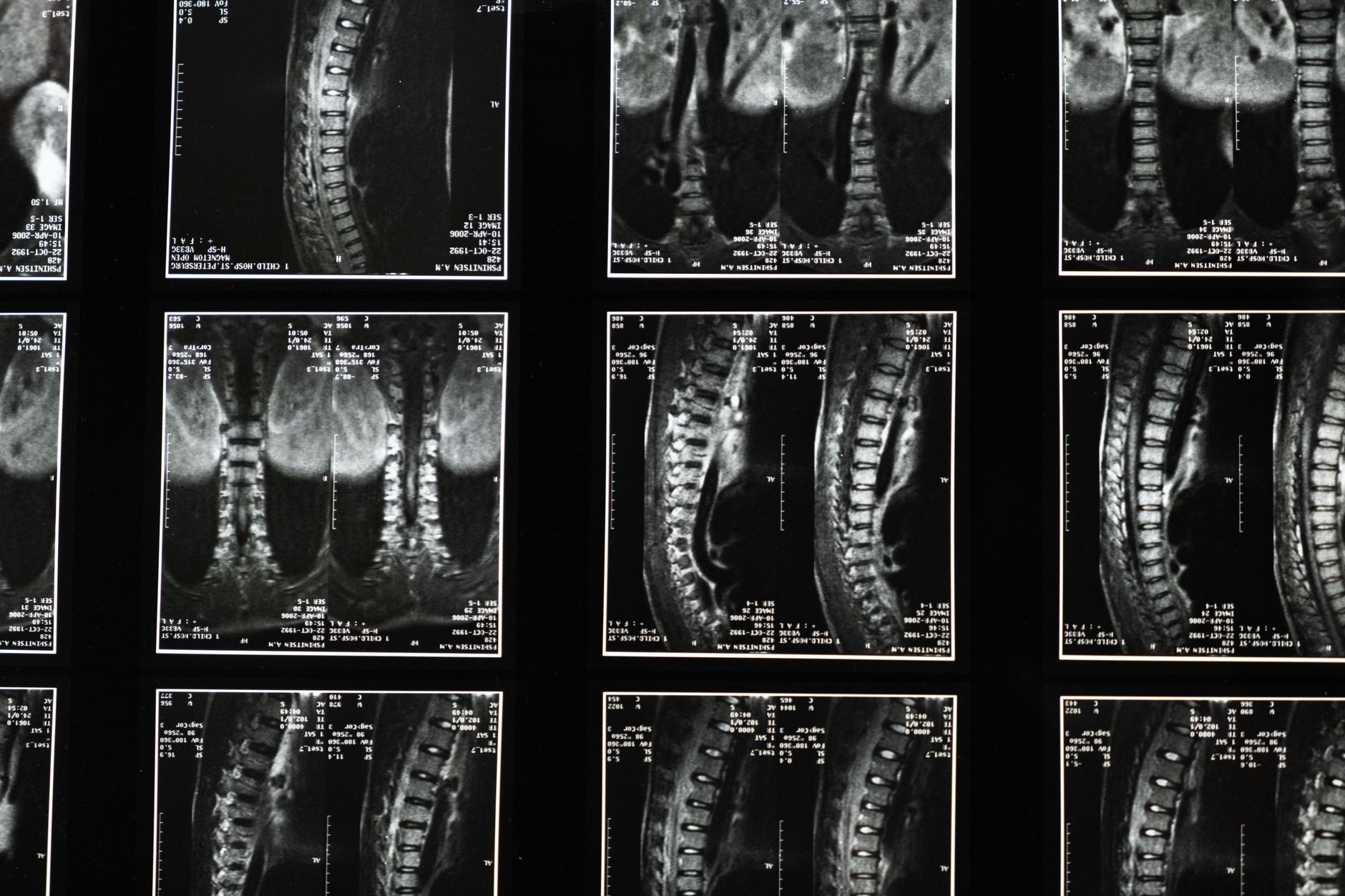
The spectacle of the World Cup routinely delivers moments of athletic brilliance, but it also serves as a stark reminder of the physical toll exacted on elite footballers. The compressed tournament schedule, coupled with the high stakes of international competition, creates an environment ripe for injury, pushing the boundaries of sports medicine and rehabilitation.
The modern game of football, particularly at the elite international level, demands an unparalleled combination of speed, power, and endurance. Players cover significant distances at high intensity, often engaging in explosive sprints, rapid changes of direction, and forceful tackles. This relentless physical output, especially within the condensed schedule of a major tournament like the World Cup, places immense stress on musculoskeletal systems, making injuries an almost inevitable consequence.
Injury surveillance during major tournaments consistently identifies muscle strains, particularly of the hamstrings and quadriceps, as the most common type of injury. Joint sprains, especially ankle and knee ligament damage, also feature prominently. These injuries often result from non-contact mechanisms, suggesting fatigue, inadequate recovery, and cumulative microtrauma play a substantial role, rather than solely direct impact. The sheer volume of competitive minutes, combined with limited recovery windows between matches, creates a challenging scenario for medical teams aiming to keep players fit and performing at their peak.
The Mechanisms of Breakdown
The physiological demands on a World Cup player are extraordinary. A typical elite player may cover 10-12 km per match, with a significant proportion of this distance at high speed or sprinting. Repeated maximal efforts, coupled with the need for rapid deceleration and acceleration, place immense eccentric loads on muscle groups. When recovery is suboptimal, muscle fatigue accumulates, leading to a reduction in muscle stiffness and proprioceptive function. This diminished capacity increases susceptibility to strains and tears, particularly in muscles like the hamstrings, which are critical for high-speed running.
Beyond muscle fatigue, the psychological stress of high-stakes competition also contributes to injury risk. Elevated cortisol levels, disrupted sleep patterns, and mental exhaustion can impair reaction times and decision-making, increasing the likelihood of awkward landings, mistimed tackles, or falls that result in joint trauma. The pressure to perform, often despite minor niggles, can also lead players to push through discomfort, escalating minor issues into more significant injuries that necessitate withdrawal from play.
Rehabilitation and Return to Play
When an injury occurs during a major tournament, the timeline for rehabilitation and return to play becomes critically compressed. Medical teams face the unenviable task of accelerating recovery while mitigating the risk of re-injury. This often involves intensive physiotherapy, targeted strength and conditioning, and advanced modalities such as cryotherapy, compression therapy, and electrostimulation. The goal is not merely to get the player back on the pitch, but to ensure they can perform at an elite level without compromising their long-term health.
The decision to clear a player for return to play is complex, balancing objective measures of strength, range of motion, and functional capacity with subjective player feedback and the strategic needs of the team. Imaging studies, such as MRI, provide crucial information on tissue healing, but clinical assessment of functional readiness remains paramount. A player returning too soon risks re-injury, which can be more severe and prolong their absence. Conversely, a cautious approach may mean a key player misses crucial matches, impacting team performance. This delicate balance underscores the expertise required from sports medicine professionals, who often rely on comprehensive clinical assessments, similar to those outlined in the Oxford Handbook of Clinical Medicine, to guide their decisions.
The Long-Term Impact
The immediate impact of World Cup injuries is evident in player absences and team performance, but the long-term consequences for athletes can be substantial. Repeated injuries, particularly to major joints like the knee, increase the risk of early-onset osteoarthritis and chronic pain. Muscle tears, if not fully rehabilitated, can lead to persistent weakness and susceptibility to future strains. The cumulative effect of a career spent at the highest level, punctuated by high-intensity tournaments, can significantly shorten an athlete's playing career and impact their quality of life post-retirement.
Preventative strategies are therefore critical. These include individualized training programs that focus on strength, flexibility, and neuromuscular control, as well as meticulous load management to prevent overtraining. Nutritional support, adequate hydration, and structured recovery protocols are also essential components of a comprehensive injury prevention program. The challenge for sports medicine is to continuously refine these strategies to meet the evolving demands of elite sport, ensuring player welfare remains a priority amidst the relentless pursuit of victory.
The intensity of major tournaments like the World Cup offers a magnified view into the challenges of managing elite athlete health. For general practitioners and specialists, the lessons extend beyond the pitch. The principles of load management, individualized recovery, and meticulous rehabilitation are universal, applying equally to the weekend warrior or the patient recovering from a musculoskeletal injury.
The pressure to return to activity, whether professional sport or daily life, often conflicts with optimal healing timelines. Clinicians must advocate for evidence-based recovery protocols, resisting the urge to accelerate rehabilitation beyond what is physiologically sound. The long-term health of the patient, not just their immediate return to function, must remain the guiding principle.
Furthermore, the emphasis on preventative strategies in elite sport highlights the value of proactive care. Identifying risk factors for injury, implementing targeted conditioning programs, and educating patients on the importance of proper recovery can significantly reduce the incidence of musculoskeletal issues across all activity levels. This proactive approach can prevent minor complaints from escalating into chronic conditions.
- The Pivot The World Cup's high-intensity, short-turnaround format exacerbates injury risk, particularly for muscle strains and joint trauma.
- The Data Tournament data consistently show a high incidence of non-contact muscle injuries, often linked to fatigue and inadequate recovery.
- The Action Clinicians should consider enhanced injury prevention strategies, including tailored recovery protocols and load management, for athletes in demanding schedules.
ART-2026-1002
·10/26
Drafted with AI assistance and checked by automated style rules. Not individually read by an editor. This publication is intended for healthcare professionals, researchers, and life science industry professionals. Content is provided for informational and educational purposes only and does not constitute medical advice.

I cover women's health, reproductive medicine, and the persistent gaps in how conditions that primarily affect women get studied and funded. The evidence base is thinner than it should be. I write about why.
Cite This Article
Mitchell S, Lopes W. World cup injuries: a stress test for sports medicine. The Life Science Feed. Published July 28, 2026. Updated October 4, 2026. Accessed October 27, 2026. https://thelifesciencefeed.com/orthopedics/sports-injuries/news/world-cup-injuries-a-stress-test-for-sports-medicine.
Editorial & AI Standards
Content is drafted with AI tools from peer-reviewed, open-access sources such as published trial data, clinical guidelines, and regulatory filings. This article is checked by automated style rules but is not individually read by an editor, so check the cited source before relying on a figure.
Source citations are listed in the References section. This content does not represent the views of any pharmaceutical company, medical device manufacturer, or healthcare provider.
Licence & Rights
© 2026 The Life Science Feed. All rights reserved. Unless otherwise indicated, all content is the property of The Life Science Feed and may not be reproduced, distributed, or transmitted in any form or by any means without prior written permission.
Medical Disclaimer
The information provided on The Life Science Feed is for educational and informational purposes only. It is not intended as a substitute for professional medical advice, diagnosis, or treatment. Always seek the advice of your physician or other qualified healthcare provider regarding any medical condition or treatment decision. Never disregard professional medical advice or delay in seeking it because of something you have read on this website.
References
1. Lang MA, Tucker R, Edwards S, Iverson GL, Gardner AJ. Tackle Risk Factors for Head Injury Assessments (HIAs) in Sub-Elite Rugby League and Recommendations for Prevention: Head Contacts from Upright Tackles Increase the HIA Risk to Both Ball Carrier and Tackler. Sports Med Open. 2024;10(1):43. doi:10.1186/s40798-024-00696-7