
Obsessive-compulsive disorder (OCD) can be a profoundly debilitating condition, with a significant proportion of patients failing to achieve adequate symptom control with conventional pharmacotherapy and psychotherapy. For these individuals, the search for effective, durable interventions is a pressing clinical need. Deep transcranial magnetic stimulation (dTMS) has emerged as a non-invasive neuromodulation technique showing promise in this challenging population.
The critical question for any intervention in treatment-resistant OCD, however, extends beyond initial efficacy to the persistence of benefit. Clinicians need to understand if the symptom reduction achieved with dTMS is sustained over time, allowing patients to maintain functional gains and reduce the burden of their illness.
Obsessive-compulsive disorder affects millions globally, characterized by intrusive thoughts and repetitive behaviors that significantly impair daily functioning. First-line treatments typically involve selective serotonin reuptake inhibitors (SSRIs) and cognitive behavioral therapy (CBT), particularly exposure and response prevention (ERP). But a substantial minority of patients, estimated at 30-40%, do not achieve satisfactory remission with these approaches, leading to the designation of treatment-resistant OCD. These patients often cycle through multiple medication trials, augmentation strategies, and intensive psychotherapy, frequently with limited success. The unmet need for effective, well-tolerated, and durable treatments in this population is considerable, driving interest in novel neuromodulation techniques.
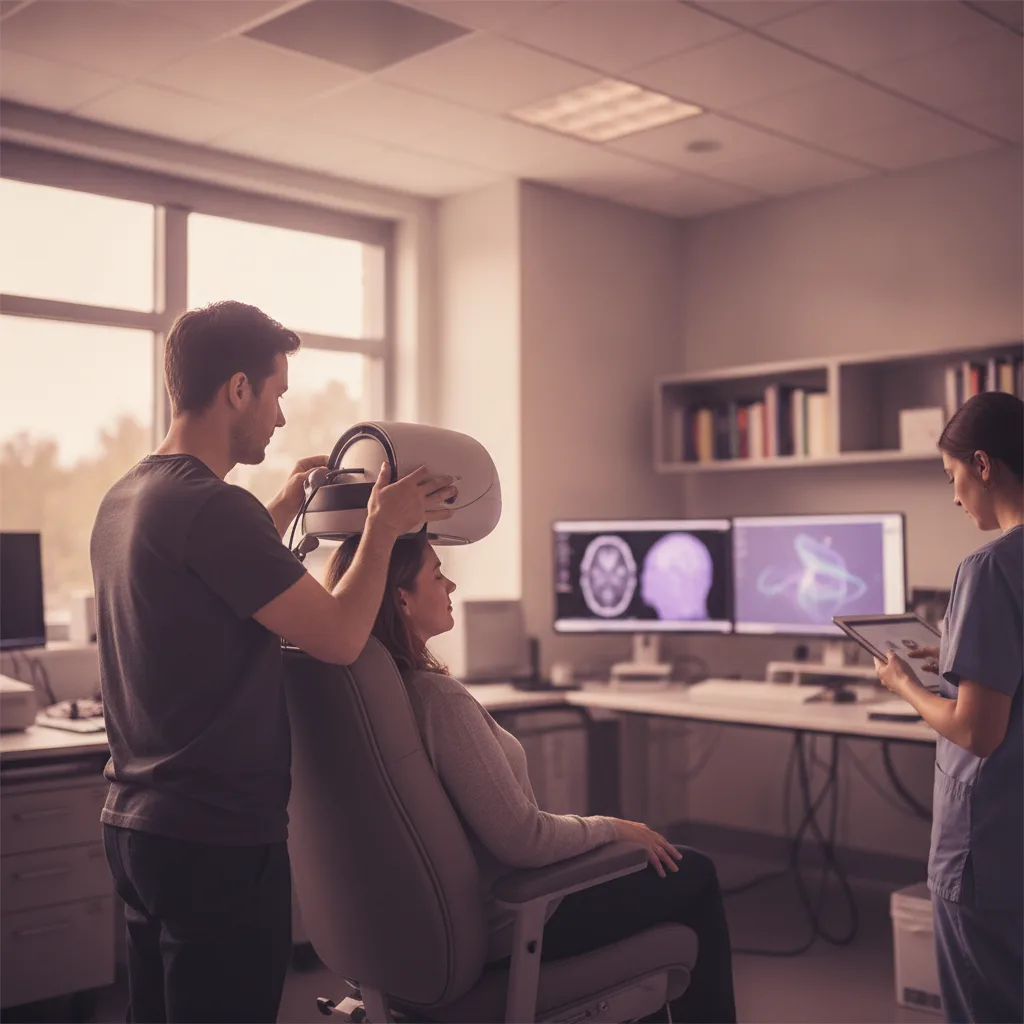
Deep transcranial magnetic stimulation delivers magnetic pulses to specific brain regions, aiming to modulate neural activity implicated in OCD pathophysiology. Unlike conventional TMS, dTMS utilizes a patented H-coil technology designed to stimulate deeper and broader brain areas, such as the medial prefrontal cortex and anterior cingulate cortex, which are believed to be hyperactive in OCD. The procedure is non-invasive, generally well-tolerated, and administered in an outpatient setting. Patients typically undergo daily sessions over several weeks, with each session lasting approximately 20 minutes. The initial treatment course aims to induce a therapeutic response, but the natural history of OCD often necessitates long-term management, raising questions about how long any induced benefit might last. For a deeper dive into why higher SSRI doses are often required for OCD compared to depression, clinicians might consult Why OCD demands higher SSRI doses than depression.
Understanding the Initial Response
The immediate efficacy of dTMS in treatment-resistant OCD has been explored in various clinical settings. Patients undergoing an acute course of dTMS often experience a reduction in OCD symptom severity, as measured by standardized scales like the Yale-Brown Obsessive Compulsive Scale (Y-BOCS). This initial response can be clinically meaningful, allowing some patients to experience a significant decrease in their obsessive thoughts and compulsive behaviors. The mechanism is thought to involve the normalization of aberrant neural circuits, particularly those connecting the prefrontal cortex, striatum, and thalamus, which are implicated in the disorder's pathology. The acute phase of treatment focuses on achieving this initial symptom reduction, providing a foundation for potential long-term stability.
The patient population typically enrolled in dTMS studies for OCD has a history of multiple failed treatment attempts, underscoring the severity and refractoriness of their condition. These are individuals who have often exhausted pharmacological options, including various SSRIs, clomipramine, and augmentation with antipsychotics, as well as extensive courses of CBT. The inclusion criteria for dTMS trials often specify a minimum Y-BOCS score, indicating moderate to severe symptoms at baseline, and a documented lack of response to at least two adequate trials of standard therapy. This selection ensures that the intervention is being tested in the population most in need of alternative strategies.
The Challenge of Durability
While acute response is a necessary first step, the true value of a treatment for a chronic condition like OCD lies in its ability to provide sustained relief. The durability of response following an initial course of dTMS is a critical area of investigation. Some patients maintain their gains for several months post-treatment, suggesting a lasting impact on brain circuitry. But for others, symptoms may gradually return, necessitating further intervention. This variability highlights the complex and heterogeneous nature of OCD, where individual responses to neuromodulation can differ significantly. The challenge for clinicians is to identify predictors of durable response and to develop strategies to prolong the therapeutic effects.
Maintenance dTMS protocols have been explored as a strategy to extend the benefits observed during the acute phase. These protocols involve periodic dTMS sessions, often spaced weekly or bi-weekly, after the initial intensive treatment course. The rationale is similar to that of maintenance pharmacotherapy, where ongoing intervention prevents relapse or recurrence of symptoms. The optimal frequency and duration of maintenance sessions remain areas of active research, as individual patient needs and symptom trajectories can vary widely. The goal is to find the minimum effective dose of stimulation to sustain remission without overburdening patients with frequent clinic visits. For more on the long-term effects of dTMS, our previous coverage on Deep TMS for Treatment-Resistant OCD: Does the Benefit Last? offers additional context.
Adverse Events and Patient Experience
Deep TMS is generally considered safe and well-tolerated. The most common adverse events are mild to moderate and typically transient, including headache, scalp discomfort at the stimulation site, and facial muscle twitching. These side effects usually diminish over the course of treatment and can often be managed with over-the-counter analgesics or adjustments to stimulation parameters. Serious adverse events, such as seizures, are rare but a known risk associated with TMS, particularly in individuals with predisposing factors. Careful patient screening and adherence to safety guidelines are essential to minimize these risks. The non-invasive nature and relatively benign side effect profile make dTMS an attractive option for patients who have struggled with the systemic side effects of psychotropic medications.
Patient experience with dTMS is generally positive, especially for those who have found little relief elsewhere. The ability to undergo treatment without hospitalization or significant disruption to daily life is a considerable advantage. But the time commitment for daily sessions over several weeks can be a barrier for some, particularly those living far from treatment centers or with demanding work schedules. The cost of treatment, which may not always be fully covered by insurance, also presents a practical challenge for many. These logistical and financial considerations can influence a patient's ability to complete an acute course and adhere to any recommended maintenance protocol. Clinicians managing patients with complex psychiatric conditions may find the Oxford Handbook of Psychiatry a useful quick reference for diagnosis and management strategies.
Integrating dTMS into Clinical Practice
Integrating dTMS into the broader treatment landscape for OCD requires careful consideration of its place in the stepped-care model. It is not a first-line intervention but rather a valuable option for patients who have failed to respond to established therapies. The decision to pursue dTMS typically follows a thorough assessment of previous treatment history, symptom severity, and patient preferences. Multidisciplinary collaboration, involving psychiatrists, neurologists, and psychotherapists, is often beneficial to ensure comprehensive care and to optimize treatment outcomes. The role of dTMS as an augmentation strategy, used in conjunction with ongoing pharmacotherapy or psychotherapy, is also an area of interest, potentially enhancing overall efficacy.
The long-term management of OCD, particularly in treatment-resistant cases, often involves a combination of modalities. Even with a successful dTMS response, patients may continue to benefit from adjunctive psychotherapy, such as ERP, to reinforce behavioral changes and coping strategies. Ongoing pharmacological management may also be necessary, with dTMS serving to enhance the effectiveness of medications that were previously insufficient. The goal is to develop an individualized treatment plan that leverages the strengths of each intervention to achieve and maintain the best possible functional outcomes for the patient. The question of how to best sequence or combine dTMS with other therapies to maximize durability remains a key area for future research.
For clinicians managing patients with severe, treatment-resistant OCD, dTMS offers a genuine alternative when standard pharmacological and psychotherapeutic approaches have failed. This is not a panacea, but a viable option for a population desperately in need of new tools. The initial response rates are encouraging, providing a glimmer of hope for individuals who have endured years of debilitating symptoms.
But the critical takeaway is that initial efficacy does not automatically translate to lasting remission. The chronic nature of OCD means that durability of response is paramount. Clinicians must temper expectations regarding a one-and-done solution and instead prepare patients for the possibility of maintenance therapy or re-treatment to sustain any gains. This requires a pragmatic approach to long-term care planning.
The logistical burden of daily sessions, and the financial implications, are not trivial. These factors will inevitably influence patient access and adherence, regardless of clinical benefit. We need more data on optimal maintenance schedules and better insurance coverage to make this therapy truly accessible to those who could benefit most.
dTMS is another arrow in the quiver for a challenging disorder. It demands careful patient selection, realistic goal setting, and an understanding that for many, it will be part of a broader, ongoing management strategy rather than a definitive endpoint.
- The Pivot Deep transcranial magnetic stimulation provides a non-pharmacological option for patients with treatment-resistant OCD who have not responded to standard care.
- The Data While initial response rates are observed, the long-term durability of these benefits requires ongoing assessment and potential maintenance strategies.
- The Action Clinicians should consider dTMS for appropriate patients, but also plan for monitoring and potential re-treatment or adjunctive therapies to sustain symptom control.
ART-2026-1458
·10/26
Drafted with AI assistance, reviewed and approved by the editorial team. This publication is intended for healthcare professionals, researchers, and life science industry professionals. Content is provided for informational and educational purposes only and does not constitute medical advice.

Infectious disease, epidemiology, and global health equity. I have covered outbreaks from Ebola to COVID-19 to mpox. The stories I am most drawn to are where the science is clear and the response is slow.
Cite This Article
Reeves T, Voss M. Deep TMS for OCD: how durable is the response in treatment-resistant patients?. The Life Science Feed. Published August 27, 2026. Updated October 6, 2026. Accessed October 11, 2026. https://thelifesciencefeed.com/psychiatry/obsessive-compulsive-disorder/research/deep-tms-ocd-durability-treatment-resistant.
Editorial & AI Standards
All content is researched from peer-reviewed, open-access sources: published trial data, clinical guidelines, and regulatory filings. AI tools are used solely to structure and summarise that evidence; no AI-generated conclusions appear without editor verification against the primary source.
Every article is reviewed by a named editor before publication. Source citations are listed in the References section. This content does not represent the views of any pharmaceutical company, medical device manufacturer, or healthcare provider.
Licence & Rights
© 2026 The Life Science Feed. All rights reserved. Unless otherwise indicated, all content is the property of The Life Science Feed and may not be reproduced, distributed, or transmitted in any form or by any means without prior written permission.
Medical Disclaimer
The information provided on The Life Science Feed is for educational and informational purposes only. It is not intended as a substitute for professional medical advice, diagnosis, or treatment. Always seek the advice of your physician or other qualified healthcare provider regarding any medical condition or treatment decision. Never disregard professional medical advice or delay in seeking it because of something you have read on this website.
References
1. Endres D, Schiele MA, von Zedtwitz K, et al. Obsessive-compulsive disorder - A state-of-the-art review. Neurosci Biobehav Rev. 2025;177:106320. doi:10.1016/j.neubiorev.2025.106320
2. Diedrich A, Voderholzer U. Obsessive-compulsive personality disorder: a current review. Curr Psychiatry Rep. 2015;17(2):2. doi:10.1007/s11920-014-0547-8
3. Cervin M. Obsessive-Compulsive Disorder: Diagnosis, Clinical Features, Nosology, and Epidemiology. Psychiatr Clin North Am. 2023;46(1):1-16. doi:10.1016/j.psc.2022.10.006
4. Stiede JT, Spencer SD, Onyeka O, et al. Obsessive-Compulsive Disorder in Children and Adolescents. Annu Rev Clin Psychol. 2024;20(1):355-380. doi:10.1146/annurev-clinpsy-080822-043910
5. Robbins TW, Vaghi MM, Banca P. Obsessive-Compulsive Disorder: Puzzles and Prospects. Neuron. 2019;102(1):27-47. doi:10.1016/j.neuron.2019.01.046
6. Veale D, Roberts A. Obsessive-compulsive disorder. BMJ. 2014;348:g2183. doi:10.1136/bmj.g2183