
Systemic sclerosis (SSc) with diffuse cutaneous scleroderma and visceral organ involvement presents a formidable challenge, marked by significant morbidity and mortality from its early stages. The disease's aggressive progression, particularly in the first few years, demands interventions capable of altering its trajectory before irreversible damage takes hold. Autologous stem cell transplantation (ASCT) has emerged as a therapeutic option, but its inherent risks necessitate a precise understanding of which patients stand to benefit most.
Systemic sclerosis, particularly its diffuse cutaneous form, is a progressive autoimmune disease characterized by widespread fibrosis of the skin and internal organs. The relentless accrual and progression of complications, especially affecting the heart, lungs, and kidneys, drive substantial morbidity and mortality. Clinicians face a narrow window to intervene effectively, as the most aggressive phase of disease activity and organ damage typically occurs within the first few years of onset. This urgency highlights the need for therapies that can significantly modify the disease course, rather than merely manage symptoms.1
Autologous stem cell transplantation (ASCT), following immune ablation, represents one such intervention with the potential to reset the immune system and halt disease progression. The rationale behind ASCT in autoimmune diseases like scleroderma is to eliminate autoreactive immune cells and then reconstitute the immune system with hematopoietic stem cells, ideally leading to a new, tolerant immune repertoire. This approach, while powerful, is not without risk, and careful patient selection is paramount to ensure the potential benefits outweigh the procedural hazards.1
Defining the Candidate for Immune Ablation
The core question for clinicians considering ASCT in systemic sclerosis revolves around identifying the appropriate patient population. Peter J. Clements and Daniel E. Furst, writing in a 1997 supplement to the Journal of Rheumatology, laid out a framework for patient selection, emphasizing the balance between the transplant's risk and the disease's severity. They argued that the opportunity to significantly modify SSc's course, either by prolonging survival or preventing/lessening organ involvement progression, is largely confined to the first 3 to 4 years of the disease. This is the period when the risk of developing and worsening skin and organ complications is highest.1
Clements and Furst suggested that patients with diffuse scleroderma of short duration, specifically less than 3 years from the first non-Raynaud sign or symptom, are the prime candidates. This early intervention window is important because the disease is still active and potentially reversible, rather than having progressed to irreversible fibrotic changes. The presence of at least mild involvement of the heart, lung, or kidney further strengthens the case for ASCT in this group, indicating sufficiently severe disease to warrant the procedure.1
The authors highlighted that the mortality risk associated with ASCT itself is low, typically less than 2% in the first year. This figure, while small, must be weighed against the natural history and expected mortality of the disease being treated. For patients with rapidly progressive, early-stage diffuse SSc and mild organ involvement, the potential for ASCT to prevent severe, life-threatening complications justifies this procedural risk. The immune reset strategies seen in other autoimmune conditions also highlight the potential for such aggressive interventions.
Excluding Those Beyond Help
But not all patients with systemic sclerosis are suitable for ASCT. Clements and Furst explicitly cautioned against offering ASCT to patients with severe or end-stage organ involvement. At this advanced stage, the disease has progressed to a point where ASCT is unlikely to improve the existing degree of organ damage. The irreversible fibrosis and structural changes in organs like the heart, lungs, or kidneys mean that even a successful immune reset will not reverse established pathology.1
For these patients, the risks of ASCT, including infection, organ toxicity from conditioning regimens, and the potential for disease relapse, outweigh any realistic prospect of benefit. The goal of ASCT is to prevent further damage and potentially reverse early, active inflammation, not to salvage organs that have already undergone extensive fibrotic remodeling. This distinction is important for patient safety and resource allocation, preventing futile interventions in those who have progressed too far.1
The decision to pursue ASCT is complex, requiring a multidisciplinary approach involving rheumatologists, hematologists, and transplant specialists. A thorough assessment of disease activity, organ involvement, and overall patient fitness is essential. This includes detailed evaluations of cardiac function, pulmonary function, and renal status to accurately stage the disease and predict the likelihood of benefit versus harm. For a comprehensive overview of rheumatological conditions and their management, the Oxford Handbook of Rheumatology (5th ed) serves as an excellent reference.
The Rationale for Early Intervention
The emphasis on early intervention, within 3 years of the first non-Raynaud symptom, stems from the understanding of SSc pathophysiology. In its initial stages, diffuse SSc is characterized by active inflammation and vasculopathy, which drive the fibrotic process. During this period, the immune system is highly active, and targeting these early inflammatory drivers with immune ablation and reconstitution holds the greatest promise. As the disease progresses, the inflammatory component often wanes, replaced by established, irreversible fibrosis.1
This early window is also when the risk of rapid progression of skin thickening and new organ involvement is highest. Preventing this progression is the primary objective of ASCT. If the disease is allowed to advance to severe organ damage, the therapeutic window for meaningful intervention closes. This principle is not unique to scleroderma; similar considerations apply in other severe autoimmune conditions where early, aggressive immune modulation can prevent long-term disability.1
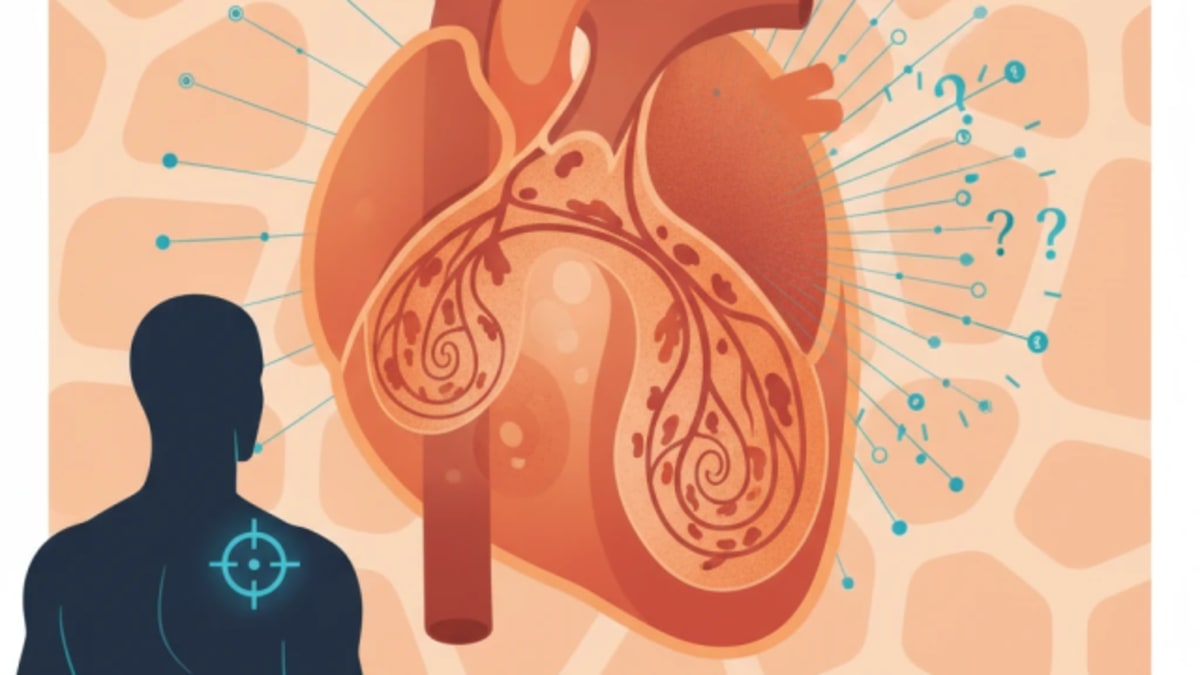
The specific organs mentioned, heart, lung, and kidney, are critical because their involvement significantly impacts prognosis and quality of life in SSc. Even mild involvement in these systems indicates a more aggressive disease phenotype that warrants consideration for high-risk, high-reward therapies like ASCT. For instance, early signs of interstitial lung disease or cardiac involvement, even if asymptomatic, can rapidly progress to life-threatening complications.1
Considerations Beyond Organ Involvement
While organ involvement is a primary determinant, other factors contribute to the overall assessment. The rate of skin thickening, as measured by the modified Rodnan skin score, can also be an indicator of disease activity and progression. Patients with rapidly progressive skin involvement, even without overt severe organ damage, may also be considered for ASCT if they fall within the early disease window. The overall functional status and performance score of the patient are also critical. A patient must be fit enough to withstand the rigors of the conditioning regimen and the transplant procedure itself.1
The absence of severe comorbidities that would significantly increase the risks of ASCT is also a prerequisite. For example, pre-existing severe cardiac dysfunction or active infections would contraindicate the procedure. The decision-making process is a delicate balance, requiring a thorough understanding of both the disease and the patient's individual physiological resilience. This careful selection process ensures that ASCT is reserved for those who truly have the most to gain and the best chance of tolerating the treatment.1
The long-term follow-up of ASCT patients is also essential to monitor for disease relapse, late-onset complications, and the overall durability of the immune reset. While Clements and Furst's 1997 paper provided foundational guidance, subsequent research has refined these criteria and improved conditioning regimens, further optimizing patient outcomes. But the core principle of early intervention in active disease, avoiding those with end-stage organ damage, remains a cornerstone of ASCT in scleroderma. The challenges of transplant in older patients or those with complex comorbidities are well-documented across various transplant fields.
The Catch: Balancing Risk and Benefit
The low mortality risk of ASCT, cited as less than 2% in the first year, is a critical figure. This relatively low procedural mortality makes the therapy viable for a severe, life-threatening disease like diffuse SSc. But it is not zero. The decision to proceed with ASCT is a shared one, involving detailed discussions with the patient about the potential benefits, the risks, and the demanding nature of the treatment. Patients must be fully informed and have realistic expectations about the outcomes.1
The potential for long-term complications, including secondary malignancies, infertility, and chronic infections, must also be discussed. While not explicitly detailed in the 1997 paper, these are known risks associated with intensive immunosuppression and stem cell transplantation. The benefit of ASCT is not a cure, but rather a significant modification of the disease course, potentially leading to long-term remission or stabilization of organ function.1
The trial was not powered to detect differences in very rare subgroups, and that gap matters for clinicians managing patients with atypical presentations. Still, the core message is clear: ASCT is a powerful tool, but one that must be wielded with precision. The patient's disease activity, the duration of their illness, and the extent of their organ involvement are the primary determinants of suitability. Ignoring these factors risks exposing patients to a high-intensity therapy with little chance of meaningful improvement.1
For clinicians managing systemic sclerosis, the message is unambiguous: autologous stem cell transplantation is a therapy for early, aggressive disease, not a last resort for end-stage organ failure. The window for effective intervention is narrow, demanding prompt recognition of diffuse cutaneous scleroderma with even mild visceral involvement.
Referring patients with established, severe cardiac, pulmonary, or renal involvement for ASCT is a disservice. The procedure carries inherent risks, and those risks are only justified when there is a realistic prospect of altering disease progression. For patients with irreversible fibrotic damage, ASCT offers little, if any, benefit, exposing them to unnecessary toxicity.
This highlights the need for vigilant monitoring and early referral to specialist centers for patients presenting with new-onset diffuse SSc. Identifying those within the critical 3-year window from the first non-Raynaud symptom, especially with any hint of organ involvement, is paramount. Delaying this assessment can effectively close the door on a potentially life-changing therapy.
- The Pivot Autologous stem cell transplantation (ASCT) can modify the disease course in diffuse cutaneous scleroderma, but only in carefully selected patients.
- The Data ASCT carries a low mortality risk, less than 2% in the first year, which must be justified by the severity of the underlying disease.
- The Action Clinicians should consider ASCT for patients with diffuse SSc of short duration (less than 3 years from first non-Raynaud sign) and mild heart, lung, or kidney involvement, while avoiding it in those with severe or end-stage organ damage.
ART-2026-1208
·09/26
Drafted with AI assistance, reviewed and approved by the editorial team. This publication is intended for healthcare professionals, researchers, and life science industry professionals. Content is provided for informational and educational purposes only and does not constitute medical advice.

I cover women's health, reproductive medicine, and the persistent gaps in how conditions that primarily affect women get studied and funded. The evidence base is thinner than it should be. I write about why.
Cite This Article
Mitchell S, Voss M. Autologous stem cell transplant in scleroderma: who justifies the risk?. The Life Science Feed. Published August 27, 2026. Updated September 29, 2026. Accessed October 11, 2026. https://thelifesciencefeed.com/rheumatology/systemic-sclerosis/research/scleroderma-autologous-stem-cell-transplant-risk.
Editorial & AI Standards
All content is researched from peer-reviewed, open-access sources: published trial data, clinical guidelines, and regulatory filings. AI tools are used solely to structure and summarise that evidence; no AI-generated conclusions appear without editor verification against the primary source.
Every article is reviewed by a named editor before publication. Source citations are listed in the References section. This content does not represent the views of any pharmaceutical company, medical device manufacturer, or healthcare provider.
Licence & Rights
© 2026 The Life Science Feed. All rights reserved. Unless otherwise indicated, all content is the property of The Life Science Feed and may not be reproduced, distributed, or transmitted in any form or by any means without prior written permission.
Medical Disclaimer
The information provided on The Life Science Feed is for educational and informational purposes only. It is not intended as a substitute for professional medical advice, diagnosis, or treatment. Always seek the advice of your physician or other qualified healthcare provider regarding any medical condition or treatment decision. Never disregard professional medical advice or delay in seeking it because of something you have read on this website.
References
1. Clements PJ, Furst DE. Choosing appropriate patients with systemic sclerosis for treatment by autologous stem cell transplantation. J Rheumatol Suppl. 1997;48:107-110.