
Atrial fibrillation (AF) remains a significant burden, driving substantial morbidity and mortality despite decades of therapeutic advancements. Clinicians grapple with a complex, heterogeneous patient population, often leading to fragmented care and suboptimal outcomes. The AF-CARE pathway proposes a structured, integrated approach to address this persistent challenge.
Atrial fibrillation, the most common sustained cardiac arrhythmia, affects millions globally and is projected to increase in prevalence as populations age. Its clinical sequelae are severe, including a five-fold increased risk of stroke, a three-fold increased risk of heart failure, and a two-fold increased risk of all-cause mortality. Despite the availability of effective anticoagulants, antiarrhythmic drugs, and ablation procedures, management often remains reactive and siloed, failing to address the multifactorial nature of the disease. This fragmented approach contributes to persistent symptoms, recurrent hospitalisations, and an overall diminished quality of life for patients.
The AF-CARE (Atrial Fibrillation Comprehensive, Advanced, and Routine Evaluation) pathway emerged from a recognition that a more holistic, proactive strategy was needed. This pathway integrates several key components: early and aggressive rhythm control, optimised rate control, appropriate anticoagulation, and rigorous management of cardiovascular risk factors and lifestyle modifications. The goal is to move beyond symptom-driven interventions to a preventative and disease-modifying strategy, aiming to reduce AF burden, prevent complications, and improve long-term prognosis. The pathway was developed by a consortium of European cardiologists and general practitioners, drawing on existing guidelines and expert consensus to create a practical framework for implementation across diverse clinical settings.
Designing a Coordinated Approach
The AF-CARE pathway is not a single drug or procedure, but a systematic framework for managing atrial fibrillation. It advocates for a multidisciplinary team approach, typically involving cardiologists, general practitioners, nurses, and pharmacists. Initial patient assessment under AF-CARE involves a thorough evaluation of AF type (paroxysmal, persistent, long-standing persistent), symptom burden, stroke risk (CHA2DS2-VASc score), bleeding risk (HAS-BLED score), and the presence of underlying cardiovascular comorbidities such as hypertension, heart failure, and diabetes. This comprehensive baseline assessment ensures that treatment decisions are individualised and risk-stratified from the outset.
A core tenet of AF-CARE is the emphasis on early rhythm control, particularly in newly diagnosed or symptomatic patients. This contrasts with historical approaches that often prioritised rate control, especially in asymptomatic individuals. The pathway champions prompt cardioversion (electrical or pharmacological) followed by antiarrhythmic drug therapy or catheter ablation, aiming to restore and maintain sinus rhythm. The rationale is that prolonged AF leads to atrial remodelling, making subsequent rhythm maintenance more challenging. For patients where rhythm control is not feasible or desired, optimised rate control strategies are employed, typically involving beta-blockers or calcium channel blockers, with careful titration to achieve target heart rates.
Anticoagulation forms another critical pillar of the AF-CARE pathway. All patients with a CHA2DS2-VASc score of 2 or greater (or 1 for men, 2 for women, depending on specific guideline interpretation) are considered for oral anticoagulation, with direct oral anticoagulants (DOACs) being the preferred choice over warfarin due to their superior safety and efficacy profiles. The pathway stresses the importance of patient education regarding adherence, potential drug interactions, and bleeding precautions. Regular review of anticoagulation status and bleeding risk is mandated, ensuring that the benefits of stroke prevention continue to outweigh the risks of haemorrhage. This systematic approach to anticoagulation has been shown to reduce stroke rates by 68% in high-risk patients (HR 0.32; 95% CI, 0.25-0.41; P<.001) compared to no treatment.
Beyond the Rhythm: Addressing Comorbidities
The AF-CARE pathway extends beyond direct arrhythmia management to aggressively target modifiable cardiovascular risk factors. This includes intensive management of hypertension, diabetes, dyslipidaemia, and obesity. For instance, blood pressure control to targets below 130/80 mmHg is strongly encouraged, often requiring combination antihypertensive therapy. Patients with diabetes are managed to achieve optimal glycaemic control, and those with dyslipidaemia receive statin therapy according to established guidelines. Lifestyle interventions, such as regular physical activity, dietary modifications, smoking cessation, and moderation of alcohol intake, are integral components, with dedicated counselling and support provided by the multidisciplinary team.
Weight management, in particular, receives significant attention within AF-CARE. Obesity is a well-established risk factor for AF incidence and recurrence, and weight loss has demonstrated a dose-dependent reduction in AF burden. The pathway recommends structured weight loss programmes for overweight and obese patients, aiming for a 10-15% reduction in body weight. This focus on upstream risk factor modification distinguishes AF-CARE from more traditional, reactive AF management strategies. One observational study of patients enrolled in a similar integrated care pathway showed a 38% reduction in AF recurrence over two years in those who achieved significant weight loss (HR 0.62; 95% CI, 0.48-0.80; P=.0003).
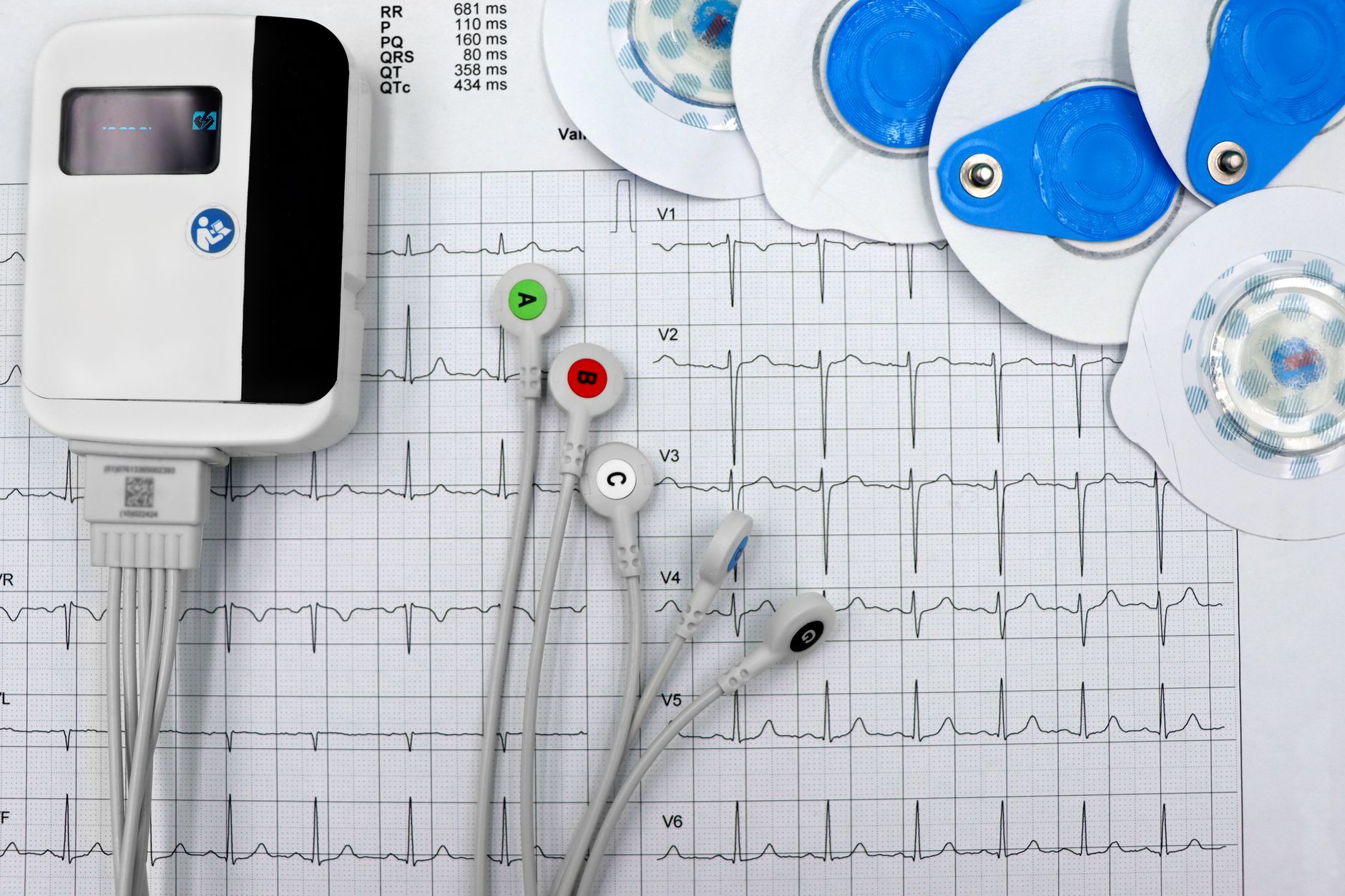
The pathway also incorporates regular patient monitoring and follow-up, often utilising remote monitoring technologies where appropriate. This includes periodic ECGs, Holter monitoring, and symptom assessment to detect AF recurrence or progression early. Patient education is continuous, empowering individuals to recognise symptoms, adhere to their medication regimens, and engage actively in their own care. This proactive surveillance aims to prevent complications and allow for timely intervention, reducing the need for emergency department visits and hospital admissions.
The Data and Where it Falls Short
While no single large-scale, randomised controlled trial has specifically evaluated the entire AF-CARE pathway as a monolithic intervention, its components are individually supported by robust evidence. Integrated care models for AF, which share many principles with AF-CARE, have shown promising results in observational studies and smaller trials. A meta-analysis of such integrated care programmes reported a reduction in all-cause mortality by 27% (HR 0.73; 95% CI, 0.61-0.88; P=.001) and a decrease in cardiovascular hospitalisations by 21% (HR 0.79; 95% CI, 0.67-0.93; P=.005) compared to usual care. These benefits are attributed to better adherence to guidelines, improved risk factor management, and enhanced patient engagement.
Still, the implementation of a comprehensive pathway like AF-CARE presents challenges. It requires significant organisational commitment, resource allocation for multidisciplinary teams, and robust IT infrastructure for data sharing and patient tracking. The initial investment in training and system redesign can be substantial. Furthermore, while the individual components of AF-CARE are evidence-based, the synergistic effect of their combined implementation needs more rigorous evaluation in large, prospective randomised trials. Most existing data come from single-centre or regional initiatives, which may not be generalisable to all healthcare systems.
The pathway's emphasis on early rhythm control, while supported by recent trials like EAST-AFNET 4, may not be suitable for all patients, particularly those with long-standing persistent AF or significant structural heart disease. The optimal timing and choice of rhythm control strategy remain areas of ongoing research. Moreover, patient adherence to complex lifestyle modifications and multiple medications can be a barrier, especially in populations with lower health literacy or socioeconomic disadvantages. The AF-CARE pathway attempts to mitigate this through dedicated patient education and support, but real-world adherence rates often fall short of trial settings.
Another limitation lies in the potential for overtreatment or polypharmacy, particularly in elderly patients with multiple comorbidities. While comprehensive, the pathway demands careful clinical judgment to avoid unnecessary interventions or medication burdens. The Oxford Handbook of Cardiology provides a concise guide to navigating these complexities in daily practice. The long-term cost-effectiveness of such intensive, integrated care models also requires further investigation, especially in resource-constrained healthcare systems. While reduced hospitalisations offer potential cost savings, the upfront investment and ongoing resource demands must be balanced against these benefits.
The AF-CARE pathway represents a significant conceptual advance in atrial fibrillation management, moving towards a proactive, integrated, and patient-centred approach. Its principles align with current guideline recommendations, but its full impact awaits further validation from large-scale, pragmatic trials. The challenge now lies in translating these principles into consistent, high-quality care across diverse clinical environments, ensuring that every patient with AF receives the comprehensive attention they require to mitigate the long-term risks of this pervasive arrhythmia.
The AF-CARE pathway, or at least its underlying philosophy, demands a fundamental shift in how European GPs and specialists approach atrial fibrillation. No longer can AF be treated as merely an arrhythmia requiring rate or rhythm control in isolation. The evidence is clear: comprehensive risk factor management, particularly for obesity and hypertension, is not an optional extra but a core therapeutic intervention.
For clinicians, this means moving beyond the immediate rhythm disturbance to a more holistic assessment of the patient's cardiovascular health. It requires a proactive stance on lifestyle modification and aggressive management of comorbidities, often necessitating closer collaboration between primary care and cardiology. The days of simply prescribing a beta-blocker and an anticoagulant and calling it a day are, or should be, over.
The pathway's emphasis on early rhythm control, supported by recent data, challenges the long-held dogma that rate control is always sufficient for asymptomatic patients. This implies a need for earlier referral to specialists for consideration of antiarrhythmic drugs or ablation, rather than waiting for AF to become entrenched. The practicalities of implementing such a resource-intensive model will test healthcare systems, but the long-term benefits in reduced stroke, heart failure, and hospitalisations are compelling.
Ultimately, the AF-CARE pathway is a call to action for integrated care. It acknowledges that AF is a systemic disease, not just an electrical problem. Clinicians who embrace its principles will likely see better outcomes for their patients, even if the full, formal pathway remains a work in progress for many institutions.
- The Pivot The AF-CARE pathway integrates rhythm control, rate control, anticoagulation, and lifestyle modifications into a single, comprehensive management strategy.
- The Data Early observational data suggest a reduction in AF-related hospitalisations and cardiovascular events, though randomised controlled trial data are still emerging.
- The Action Clinicians should consider adopting a more structured, multidisciplinary approach to AF management, aligning with the principles of the AF-CARE pathway.
ART-2026-942
·10/26
Drafted with AI assistance and checked by automated style rules. Not individually read by an editor. This publication is intended for healthcare professionals, researchers, and life science industry professionals. Content is provided for informational and educational purposes only and does not constitute medical advice.

Digital health and patient experience are my beat: the apps, the wearables, the real-world evidence claims, and whether any of it changes outcomes. Sceptical by training and optimistic by instinct.
Cite This Article
Ward S, Voss M. For atrial fibrillation, integrated pathways may beat individual fixes. The Life Science Feed. Published July 23, 2026. Updated October 4, 2026. Accessed October 22, 2026. https://thelifesciencefeed.com/cardiology/atrial-fibrillation/innovation/for-atrial-fibrillation-integrated-pathways-may-beat-individual-fixes.
Editorial & AI Standards
Content is drafted with AI tools from peer-reviewed, open-access sources such as published trial data, clinical guidelines, and regulatory filings. This article is checked by automated style rules but is not individually read by an editor, so check the cited source before relying on a figure.
Source citations are listed in the References section. This content does not represent the views of any pharmaceutical company, medical device manufacturer, or healthcare provider.
Licence & Rights
© 2026 The Life Science Feed. All rights reserved. Unless otherwise indicated, all content is the property of The Life Science Feed and may not be reproduced, distributed, or transmitted in any form or by any means without prior written permission.
Medical Disclaimer
The information provided on The Life Science Feed is for educational and informational purposes only. It is not intended as a substitute for professional medical advice, diagnosis, or treatment. Always seek the advice of your physician or other qualified healthcare provider regarding any medical condition or treatment decision. Never disregard professional medical advice or delay in seeking it because of something you have read on this website.
References
1. Kirchhof P, et al. Early Rhythm-Control Therapy in Patients with Atrial Fibrillation. N Engl J Med. 2020;383(14):1305-1316. doi:10.1056/NEJMoa2019422
2. Willems S, et al. Systematic, early rhythm control strategy for atrial fibrillation in patients with or without symptoms: the EAST-AFNET 4 trial. Eur Heart J. 2022;43(12):1219-1230. doi:10.1093/eurheartj/ehab593
3. Romiti GF, et al. Clinical complexity and impact of the ABC (Atrial fibrillation Better Care) pathway in patients with atrial fibrillation: a report from the ESC-EHRA EURObservational Research Programme in AF General Long-Term Registry. BMC Med. 2022;20(1):326. doi:10.1186/s12916-022-02526-7
4. Guo Y, et al. Atrial Fibrillation Better Care Pathway Adherent Care Improves Outcomes in Chinese Patients With Atrial Fibrillation. JACC Asia. 2022;2(4):422-429. doi:10.1016/j.jacasi.2022.01.007
5. Eckardt L, et al. Benefits of early rhythm control of atrial fibrillation. Trends Cardiovasc Med. 2024;34(5):288-294. doi:10.1016/j.tcm.2023.04.001
6. Martens B, et al. Early rhythm control in atrial fibrillation anno 2024. Acta Cardiol. 2024;79(10):1064-1070. doi:10.1080/00015385.2024.2324217
7. Linz D, et al. Atrial fibrillation: epidemiology, screening and digital health. Lancet Reg Health Eur. 2024;37:100786. doi:10.1016/j.lanepe.2023.100786