
Tactical athletes, encompassing military personnel, firefighters, police officers, and other first responders, operate under extreme physical and psychological stress. Their cardiovascular health is paramount, yet traditional athletic screening guidelines often fall short in addressing the specific demands and risks inherent to these professions. The need for tailored recommendations has long been evident, given the unique physiological stressors and potential for sudden cardiac events in this population, where lives are at stake.
The cardiovascular health of tactical athletes presents a distinct challenge for clinicians. These individuals routinely engage in strenuous physical activity, often under conditions of sleep deprivation, high-stress environments, and exposure to environmental extremes. Such factors can exacerbate underlying cardiac conditions or even precipitate acute events, making a robust and specific screening protocol essential. Standard pre-participation physical evaluations, designed for recreational or competitive athletes, frequently miss the nuances of this population's risk profile.
These new recommendations aim to bridge that gap, offering a framework for the comprehensive assessment and management of cardiac health in military personnel, law enforcement, firefighters, and other emergency responders. The guidance emphasizes a proactive approach, recognizing that early detection and appropriate intervention are essential for maintaining operational readiness and preventing catastrophic outcomes. It moves beyond a simple checklist, advocating for a deeper understanding of the physiological adaptations and potential pathologies unique to this demanding cohort.
Understanding the Unique Cardiac Demands
Tactical athletes routinely push their cardiovascular systems to the absolute limit, often for prolonged periods and with little recovery. This differs significantly from many traditional sports, where peak exertion might be intermittent or confined to specific competitive events. The sustained high-intensity effort, coupled with the psychological stress of life-or-death situations, imposes a chronic burden on the heart that can lead to distinct physiological adaptations and potential pathologies.
The recommendations highlight the importance of recognizing both acute and chronic stressors. Acute stressors include sudden bursts of maximal effort, such as carrying heavy equipment, rapid ascent of stairs, or engaging in combative situations. Chronic stressors involve sustained physical training, irregular sleep patterns, and the cumulative psychological toll of their duties. These combined factors can lead to conditions like exercise-induced arrhythmias, accelerated atherosclerosis, or even stress-induced cardiomyopathy, which may not manifest in less demanding populations. Clinicians must consider these occupational realities when evaluating symptoms or interpreting diagnostic findings.
The guidance also addresses the prevalence of specific cardiac conditions within this population. For instance, hypertrophic cardiomyopathy (HCM) and arrhythmogenic right ventricular cardiomyopathy (ARVC) are well-known causes of sudden cardiac death in young athletes. While rare, their impact in a tactical setting can be devastating, not only for the individual but also for mission integrity and public safety. The recommendations therefore advocate for a high index of suspicion and appropriate screening for these conditions, particularly in individuals with a family history of sudden cardiac death or unexplained syncope.
But the focus extends beyond congenital conditions. Acquired heart disease, including coronary artery disease (CAD), hypertension, and valvular heart disease, can also be prevalent, especially in older tactical athletes or those with traditional cardiovascular risk factors. The recommendations stress that age alone does not preclude an individual from tactical service, but it necessitates a more rigorous and individualized approach to cardiac risk assessment. Regular monitoring of blood pressure, lipid profiles, and glucose metabolism is essential, alongside a thorough understanding of the athlete's specific occupational role and physical demands.
Comprehensive Screening Protocols
The new recommendations outline a multi-faceted screening protocol designed to identify both common and rare cardiac conditions that could compromise a tactical athlete's safety or performance. This protocol begins with a detailed personal and family history, specifically probing for symptoms like chest pain, syncope, palpitations, or undue fatigue during exertion. A family history of sudden cardiac death, particularly in individuals under 50, warrants immediate attention and further investigation.
A thorough physical examination is also paramount, including careful auscultation for murmurs, assessment of peripheral pulses, and measurement of blood pressure in both arms. The recommendations emphasize that a normal physical exam does not rule out significant pathology, but it provides important baseline information. For instance, a subtle murmur might be benign in a sedentary individual but could indicate a significant valvular lesion in an athlete undergoing extreme exertion. Clinicians should also be mindful of the potential for dilated cardiomyopathy, which can sometimes present subtly in its early stages.
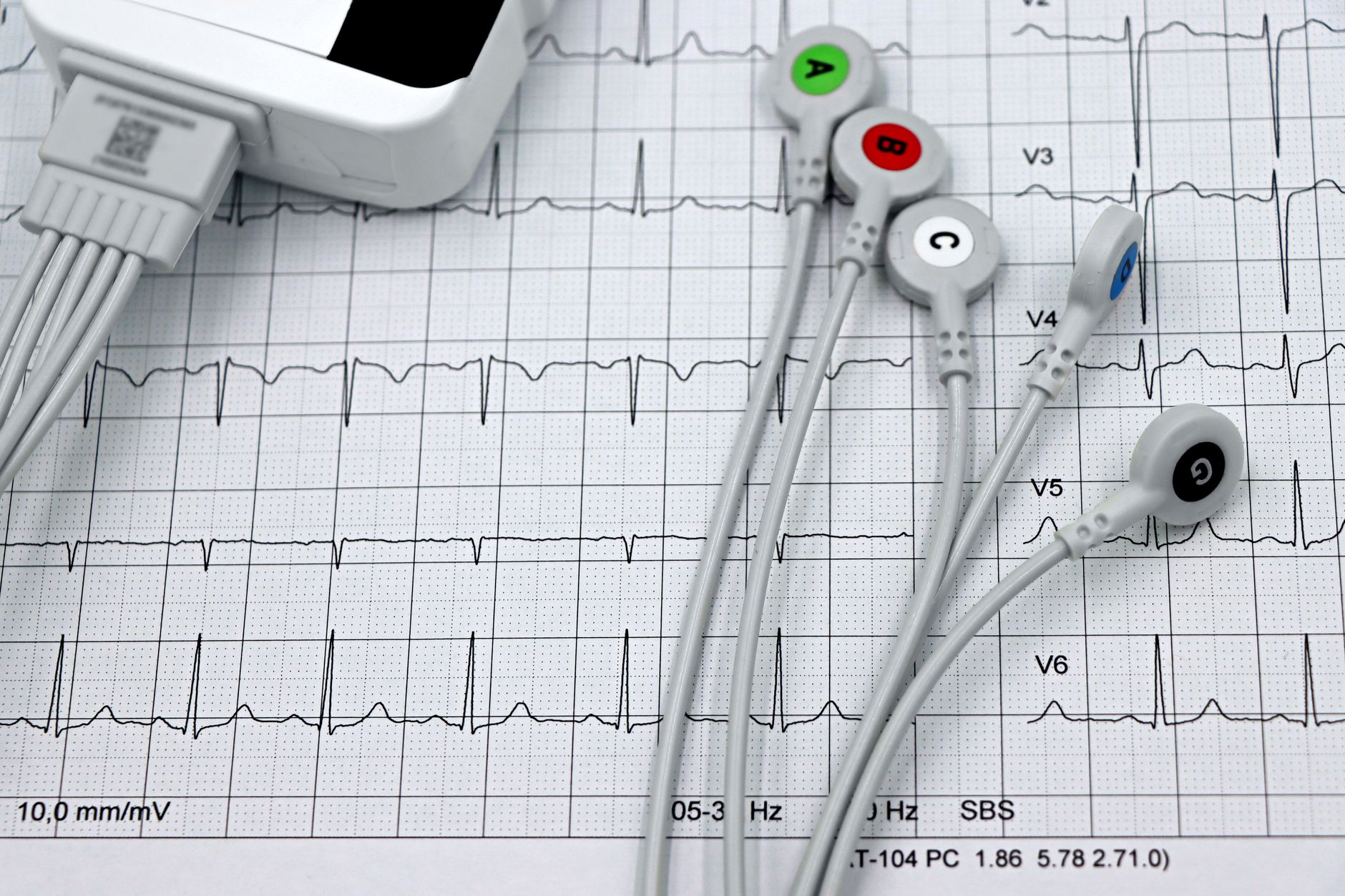
Beyond the initial history and physical, the guidance suggests targeted diagnostic testing based on individual risk factors and clinical suspicion. A 12-lead electrocardiogram (ECG) is a cornerstone of the screening process, capable of detecting abnormalities indicative of HCM, ARVC, pre-excitation syndromes, and other arrhythmogenic conditions. Interpreting ECGs in athletes requires specialized knowledge, as physiological adaptations to training can mimic pathological changes. The recommendations advocate for the use of established athlete-specific ECG interpretation criteria to minimize false positives and unnecessary further testing.
Echocardiography is recommended for individuals with abnormal ECG findings, suspicious symptoms, or a concerning family history. This non-invasive imaging modality provides detailed information on cardiac structure and function, allowing for the diagnosis of conditions like HCM, ARVC, valvular heart disease, and congenital heart defects. Stress testing, either exercise-based or pharmacological, may be indicated for older tactical athletes or those with multiple cardiovascular risk factors to assess for inducible ischemia. The Oxford Handbook of Cardiology offers a concise guide to these diagnostic approaches.
Managing Identified Risks and Return to Duty
Identifying a cardiac abnormality in a tactical athlete presents a complex management challenge, balancing the individual's health and safety with their desire and professional obligation to serve. The recommendations provide a framework for risk stratification and shared decision-making, emphasizing that not all cardiac conditions necessitate immediate disqualification from duty. The severity of the condition, its potential for progression, the specific demands of the athlete's role, and the availability of effective treatments all factor into the decision.
For conditions like well-controlled hypertension or mild valvular regurgitation, modifications to training or duty assignments might be sufficient, along with ongoing monitoring. But for more serious conditions, such as symptomatic HCM or high-risk arrhythmias, temporary or permanent removal from duty may be necessary. The guidance stresses the importance of clear communication with the athlete, explaining the rationale behind any restrictions and exploring potential alternative roles or accommodations. This process often requires a multidisciplinary approach, involving cardiologists, exercise physiologists, and occupational health specialists.
Return-to-duty protocols are also addressed, outlining criteria for when an athlete with a previously identified cardiac condition can safely resume full tactical operations. This typically involves a period of treatment or rehabilitation, followed by repeat diagnostic testing to confirm stability or improvement of the condition. For example, an athlete who underwent ablation for an arrhythmia might require a period of observation and repeat Holter monitoring before being cleared for high-intensity activities. The recommendations emphasize that these decisions should be individualized and based on objective evidence, rather than arbitrary timeframes.
Still, the recommendations acknowledge that some conditions will permanently preclude an individual from tactical service. This is a difficult conversation, but one that is essential for the athlete's long-term health and the safety of their colleagues. The guidance encourages support systems for these individuals, including psychological counseling and assistance with career transition. The goal is to ensure that tactical athletes receive the best possible cardiac care, allowing them to perform their duties safely and effectively, or to transition to a healthier life if their heart cannot sustain the demands.
The Role of Lifestyle and Ongoing Surveillance
Beyond initial screening and management of identified conditions, the recommendations highlight the important role of lifestyle modifications and ongoing surveillance in maintaining the cardiovascular health of tactical athletes. These individuals, despite their high fitness levels, are not immune to the effects of poor diet, inadequate sleep, and chronic stress. The guidance advocates for comprehensive wellness programs that address nutrition, sleep hygiene, stress management techniques, and appropriate training regimens.
Regular follow-up examinations are also essential, particularly for those with known cardiac conditions or multiple risk factors. These surveillance visits should include updated history and physical examinations, repeat ECGs, and targeted imaging or stress testing as indicated. The frequency of these visits will depend on the individual's risk profile and the nature of any underlying cardiac issues. This proactive approach helps to detect any progression of disease or the emergence of new conditions before they become critical.
The recommendations also touch upon the use of performance-enhancing substances, which can have significant and often detrimental effects on cardiovascular health. Anabolic steroids, stimulants, and other illicit drugs can induce hypertension, arrhythmias, cardiomyopathy, and accelerated atherosclerosis. Clinicians must be vigilant in screening for such use and educating tactical athletes on the severe cardiac risks associated with these substances. The integrity of the screening process relies on honest disclosure, but also on the clinician's ability to identify subtle signs of abuse.
The open-label nature of many tactical athlete programs is an obvious caveat. These individuals are often highly motivated to remain in service, which can sometimes lead to underreporting of symptoms or non-adherence to medical advice. The recommendations implicitly call for a culture of trust and transparency between tactical athletes and their healthcare providers, ensuring that health concerns are addressed without fear of professional repercussions. This balance is delicate but essential for effective cardiac care in this unique population.
The new recommendations for tactical athletes' cardiac care are long overdue. General athletic guidelines simply do not capture the brutal physiological reality of military, police, and fire service. Clinicians must now adopt a more aggressive and tailored screening approach, moving beyond the standard pre-participation physical to truly understand the unique demands placed on these individuals' hearts.
This means a higher index of suspicion for both congenital and acquired heart disease, even in seemingly fit individuals. The emphasis on detailed history, athlete-specific ECG interpretation, and targeted imaging is not merely academic; it is a practical necessity to prevent sudden cardiac events in high-stakes environments. We cannot afford to miss a subtle murmur or an ambiguous ECG in someone whose job involves carrying heavy loads into burning buildings.
For the industry, this guidance highlights the need for better integration of cardiac health into occupational fitness standards. It also emphasizes the importance of ongoing research into the long-term cardiovascular effects of chronic stress and extreme exertion. We still lack definitive data on how years of tactical service impact the aging heart, and that gap matters for future policy.
These recommendations empower clinicians to make more informed decisions, ensuring that tactical athletes are not only fit for duty but also protected from preventable cardiac tragedies. It is a shift from a reactive approach to a truly proactive one, recognizing that these individuals deserve care as specialized as their demanding professions.
- The Pivot New guidelines provide specific recommendations for cardiovascular screening and management in tactical athletes, moving beyond general athletic population advice.
- The Data Recommendations emphasize a comprehensive approach to risk stratification, including detailed history, physical examination, and targeted diagnostic testing.
- The Action Clinicians should implement a multi-faceted screening protocol that considers the unique occupational demands and potential for both acquired and congenital cardiac conditions in tactical athletes.
ART-2026-1841
·09/26
Drafted with AI assistance, reviewed and approved by the editorial team. This publication is intended for healthcare professionals, researchers, and life science industry professionals. Content is provided for informational and educational purposes only and does not constitute medical advice.

I cover NHS policy, NICE guidance, and the gap between what the evidence says and what gets commissioned. I bring a health economics background to reporting on how health systems make decisions under uncertainty.
Cite This Article
Mistry D, Voss M. Tactical athletes need more than a sports physical. The Life Science Feed. Published September 29, 2026. Updated September 29, 2026. Accessed September 29, 2026. https://thelifesciencefeed.com/cardiology/cardiac-biomarkers/guidelines/tactical-athletes-need-more-than-a-sports-physical.
Editorial & AI Standards
All content is researched from peer-reviewed, open-access sources: published trial data, clinical guidelines, and regulatory filings. AI tools are used solely to structure and summarise that evidence; no AI-generated conclusions appear without editor verification against the primary source.
Every article is reviewed by a named editor before publication. Source citations are listed in the References section. This content does not represent the views of any pharmaceutical company, medical device manufacturer, or healthcare provider.
Licence & Rights
© 2026 The Life Science Feed. All rights reserved. Unless otherwise indicated, all content is the property of The Life Science Feed and may not be reproduced, distributed, or transmitted in any form or by any means without prior written permission.
Medical Disclaimer
The information provided on The Life Science Feed is for educational and informational purposes only. It is not intended as a substitute for professional medical advice, diagnosis, or treatment. Always seek the advice of your physician or other qualified healthcare provider regarding any medical condition or treatment decision. Never disregard professional medical advice or delay in seeking it because of something you have read on this website.
References
1. Taqueti VR, Di Carli MF. Coronary Microvascular Disease Pathogenic Mechanisms and Therapeutic Options: JACC State-of-the-Art Review. J Am Coll Cardiol. 2018;72(21):2625-2641. doi:10.1016/j.jacc.2018.09.042
2. Okoth K, Chandan JS, Marshall T, et al. Association between the reproductive health of young women and cardiovascular disease in later life: umbrella review. BMJ. 2020;371:m3502. doi:10.1136/bmj.m3502
3. Balakrishna R, Bjørnerud T, Bemanian M, Aune D, Fadnes LT. Consumption of Nuts and Seeds and Health Outcomes Including Cardiovascular Disease, Diabetes and Metabolic Disease, Cancer, and Mortality: An Umbrella Review. Adv Nutr. 2022;13(6):2136-2148. doi:10.1093/advances/nmac077
4. Ndumele CE, Rodriguez F, Dixon DL, et al. 2026 AHA/ACC/ADA/ASN Guideline for the Prevention, Detection, Evaluation, and Management of Cardiovascular-Kidney-Metabolic Syndrome: A Report of the American College of Cardiology/American Heart Association Joint Committee on Clinical Practice Guidelines. J Am Coll Cardiol. 2026;87(22S):e1889-e2007. doi:10.1016/j.jacc.2026.03.056
5. de Bont J, Jaganathan S, Dahlquist M, Persson Å, Stafoggia M, Ljungman P. Ambient air pollution and cardiovascular diseases: An umbrella review of systematic reviews and meta-analyses. J Intern Med. 2022;291(6):779-800. doi:10.1111/joim.13467
6. Liu M, Meijer P, Lam TM, et al. The built environment and cardiovascular disease: an umbrella review and meta-meta-analysis. Eur J Prev Cardiol. 2023;30(16):1801-1827. doi:10.1093/eurjpc/zwad241