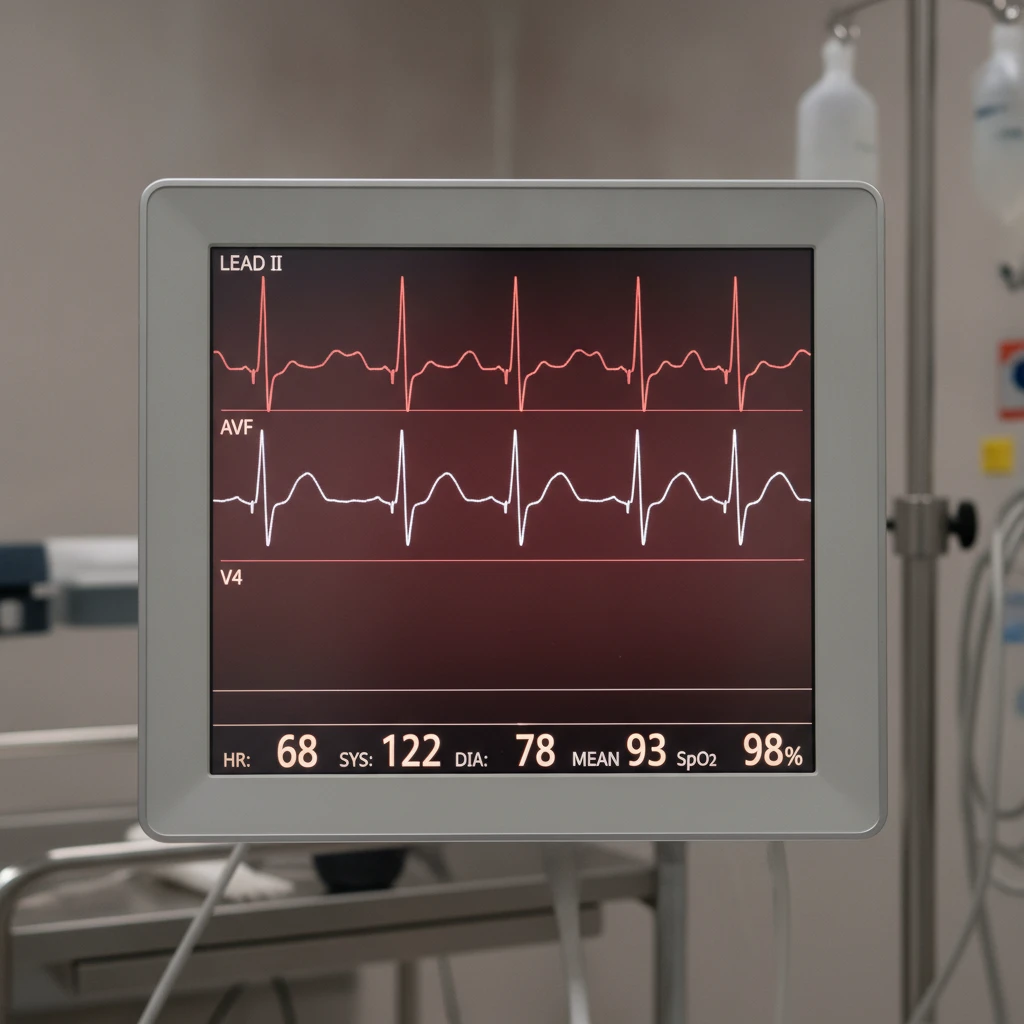

The management of cancer therapy-related cardiac dysfunction (CTRCD) presents a persistent clinical dilemma, balancing oncological efficacy with cardiac safety. Current monitoring practices, often rooted in historical precedent, are being re-evaluated for their efficiency and clinical utility. The immediate takeaway from discussions at ESC Cardio-Oncology 2026 is a clear imperative to transition towards more evidence-based, risk-stratified approaches for cardiotoxicity surveillance.
Cardiotoxicity, a significant adverse effect of many cancer treatments, necessitates careful monitoring to mitigate long-term cardiac morbidity and mortality. Historically, surveillance protocols have relied heavily on serial left ventricular ejection fraction (LVEF) assessment, primarily via echocardiography, often at fixed intervals. This approach, while well-intentioned, has been questioned for its resource intensity and whether it consistently translates to superior patient outcomes across all patient populations and treatment regimens. The discussions at ESC Cardio-Oncology 2026 underscored a growing consensus that a more nuanced, evidence-informed strategy is required to optimise patient care and resource allocation.
Rethinking Surveillance Strategies
The traditional paradigm of universal, frequent LVEF monitoring for all patients receiving potentially cardiotoxic cancer therapies is undergoing scrutiny. While LVEF remains a cornerstone of cardiac function assessment, its sensitivity and specificity for early detection of CTRCD, particularly subclinical dysfunction, are not absolute. Furthermore, the cost-effectiveness of routine, frequent imaging in low-risk populations has been challenged.1
Presentations at the conference highlighted that a significant proportion of patients undergoing cancer treatment, particularly those receiving anthracyclines or HER2-targeted therapies, may not develop clinically significant cardiotoxicity. For these patients, intensive monitoring may lead to unnecessary anxiety, increased healthcare costs, and potential delays in oncological treatment without a clear benefit in preventing or mitigating cardiac events.2
Emerging evidence supports a risk-stratified approach, where the intensity and frequency of cardiac monitoring are tailored to the individual patient's baseline cardiac risk factors, the specific cardiotoxic potential of their cancer therapy, and the cumulative dose of agents administered. For example, patients with pre-existing cardiovascular disease, advanced age, or those receiving high-dose anthracyclines may warrant more intensive surveillance. Conversely, lower-risk patients might benefit from less frequent monitoring, potentially incorporating biomarkers such as high-sensitivity troponin and natriuretic peptides for early detection of cardiac injury.3
The utility of novel imaging techniques, such as global longitudinal strain (GLS) by echocardiography, was also discussed. GLS has demonstrated potential for earlier detection of subclinical myocardial dysfunction compared to LVEF alone. However, its widespread implementation requires standardisation and further validation in large prospective trials to establish clear thresholds for intervention and its impact on long-term cardiac outcomes.4 The integration of artificial intelligence (AI) and machine learning into risk prediction models and image analysis was presented as a future direction, potentially enhancing the precision and efficiency of cardiotoxicity monitoring.5
Epidemiology and Mechanisms of Cardiotoxicity
The incidence of cardiotoxicity varies significantly depending on the specific chemotherapeutic agent, cumulative dose, and patient characteristics. Anthracyclines, for instance, are known to induce dose-dependent cardiotoxicity through mechanisms involving oxidative stress, topoisomerase IIβ inhibition, and mitochondrial dysfunction, leading to cardiomyocyte damage and eventual heart failure. HER2-targeted therapies, such as trastuzumab, are associated with a different profile of cardiotoxicity, often characterised by reversible left ventricular dysfunction without direct cardiomyocyte necrosis, suggesting a mechanism related to HER2 signalling disruption in cardiomyocytes. Understanding these distinct mechanisms informs the rationale for tailored monitoring strategies and potential cardioprotective interventions.
Expanding on Patient Populations and Methodologies
The discussion on patient populations extended beyond general risk categories to specific subgroups, such as pediatric cancer survivors, who face unique long-term cardiotoxicity risks due to developing cardiovascular systems, and elderly patients, who often present with multiple comorbidities that complicate cardiotoxicity assessment and management. Methodological advancements in echocardiography, including 3D echocardiography for more accurate LVEF and volume quantification, were also considered. The practical implementation of these advanced techniques in routine clinical practice requires overcoming challenges related to operator dependency, image acquisition standardisation, and interpretation consistency across different centers.
Limitations of current evidence include the heterogeneity of study populations and monitoring protocols, making direct comparisons challenging. There is a need for more prospective, randomised controlled trials to definitively compare different surveillance strategies and establish their impact on hard cardiac endpoints. Furthermore, the optimal timing and criteria for initiating cardioprotective therapies, based on early signs of cardiotoxicity, require further clarification. The discussions at ESC Cardio-Oncology 2026 emphasised that while a shift towards evidence-based monitoring is necessary, it must be supported by robust clinical data to ensure patient safety and optimise resource utilisation.
The push for evidence-based cardiotoxicity monitoring, as articulated at ESC Cardio-Oncology 2026, represents a necessary recalibration of clinical practice. The current default of frequent, universal LVEF assessment, while seemingly comprehensive, often fails the test of efficiency and targeted benefit. Clinicians should critically evaluate whether every patient receiving a potentially cardiotoxic agent truly requires the same intensive surveillance schedule. This is not about reducing vigilance, but about redirecting resources to where they are most needed, particularly for high-risk patients who stand to gain the most from early intervention.
For pharmaceutical companies developing novel oncology agents, this shift implies a greater responsibility to characterise the cardiotoxic profile of their drugs with precision, moving beyond simple LVEF changes to include more sensitive biomarkers and advanced imaging. The industry should also consider the development of integrated risk assessment tools that can guide monitoring strategies. Patients, in turn, will benefit from a more personalised approach, avoiding unnecessary procedures and the associated anxiety, while ensuring that those at genuine risk receive timely and effective cardiac protection. The era of 'more is always better' in monitoring is giving way to 'smarter is better'.
Guideline bodies, such as the European Society of Cardiology and the American Society of Clinical Oncology, will need to update their recommendations to reflect this evolving evidence. This will involve defining clear risk stratification criteria, endorsing specific biomarkers or imaging modalities for different risk groups, and providing practical algorithms for clinicians. Without clear, actionable guidance, the transition from traditional to evidence-based monitoring risks inconsistent application and potential gaps in care. The goal is to ensure that cardiac safety remains paramount, but within a framework that is both clinically effective and economically sustainable.
- The Pivot Cardiotoxicity monitoring is shifting from routine, broad screening to targeted, risk-stratified strategies.
- The Data Emerging evidence suggests that traditional frequent echocardiography may not always correlate with improved patient outcomes in all cohorts.
- The Action Clinicians should consider individual patient risk profiles and specific oncological treatments when designing cardiotoxicity surveillance protocols.
ART-2026-470
·09/26
Drafted with AI assistance, reviewed and approved by the editorial team. This publication is intended for healthcare professionals, researchers, and life science industry professionals. Content is provided for informational and educational purposes only and does not constitute medical advice.

I cover life sciences: drug approvals, trial readouts, regulatory decisions, and the AI reshaping clinical practice. Based in Greater London, contributing to The Life Science Feed since 2026.
Cite This Article
Voss M, Lopes W. Cardiotoxicity monitoring: evidence-based shift from traditional methods. The Life Science Feed. Published June 19, 2026. Updated September 17, 2026. Accessed September 17, 2026. https://thelifesciencefeed.com/cardiology/cardiomyopathies/research/cardiotoxicity-monitoring-evidence-based-shift-from-traditional-methods.
Editorial & AI Standards
All content is researched from peer-reviewed, open-access sources: published trial data, clinical guidelines, and regulatory filings. AI tools are used solely to structure and summarise that evidence; no AI-generated conclusions appear without editor verification against the primary source.
Every article is reviewed by a named editor before publication. Source citations are listed in the References section. This content does not represent the views of any pharmaceutical company, medical device manufacturer, or healthcare provider.
Licence & Rights
© 2026 The Life Science Feed. All rights reserved. Unless otherwise indicated, all content is the property of The Life Science Feed and may not be reproduced, distributed, or transmitted in any form or by any means without prior written permission.
Medical Disclaimer
The information provided on The Life Science Feed is for educational and informational purposes only. It is not intended as a substitute for professional medical advice, diagnosis, or treatment. Always seek the advice of your physician or other qualified healthcare provider regarding any medical condition or treatment decision. Never disregard professional medical advice or delay in seeking it because of something you have read on this website.
References
1. Armenian SH, et al. Cardiovascular Toxicity of Cancer Therapies: An American Society of Clinical Oncology Clinical Practice Guideline. J Clin Oncol. 2017;35(29):3342-3361.
2. Herrmann J, et al. Cardiovascular Toxicity of Cancer Treatment: Perspectives on the Design of Clinical Trials. J Am Coll Cardiol. 2018;72(24):3218-3231.
3. Pituskin E, et al. Early Detection and Prevention of Anthracycline-Induced Cardiotoxicity: The CECCY Trial. J Am Coll Cardiol. 2016;67(10):1035-1043.
4. Thavendiranathan P, et al. Use of Myocardial Strain Imaging in Cardio-Oncology: A Clinical Consensus Statement of the American Society of Echocardiography and the Canadian Society of Echocardiography. J Am Soc Echocardiogr. 2014;27(7):687-699.
5. Zhang J, et al. Artificial Intelligence in Cardio-Oncology: A Review. Front Cardiovasc Med. 2022;9:845678.







