
The practice of medicine often relies on immediate access to advanced diagnostics, specialist consultations, and a full complement of pharmaceutical and procedural interventions. But for clinicians operating in remote or austere environments, these mainstays are often unavailable. This reality necessitates a distinct approach to patient care, one that prioritizes resourcefulness, adaptability, and a deep understanding of environmental physiology.
Advanced practice clinicians, including nurse practitioners (NPs) and physician assistants (PAs), are increasingly finding themselves in roles that demand medical expertise far from conventional healthcare infrastructure. These environments range from disaster zones and remote expeditions to rural clinics with limited specialist access. The core challenge in these settings is the absence of immediate support systems, forcing clinicians to rely heavily on their clinical acumen, physical examination skills, and a pragmatic approach to problem-solving.
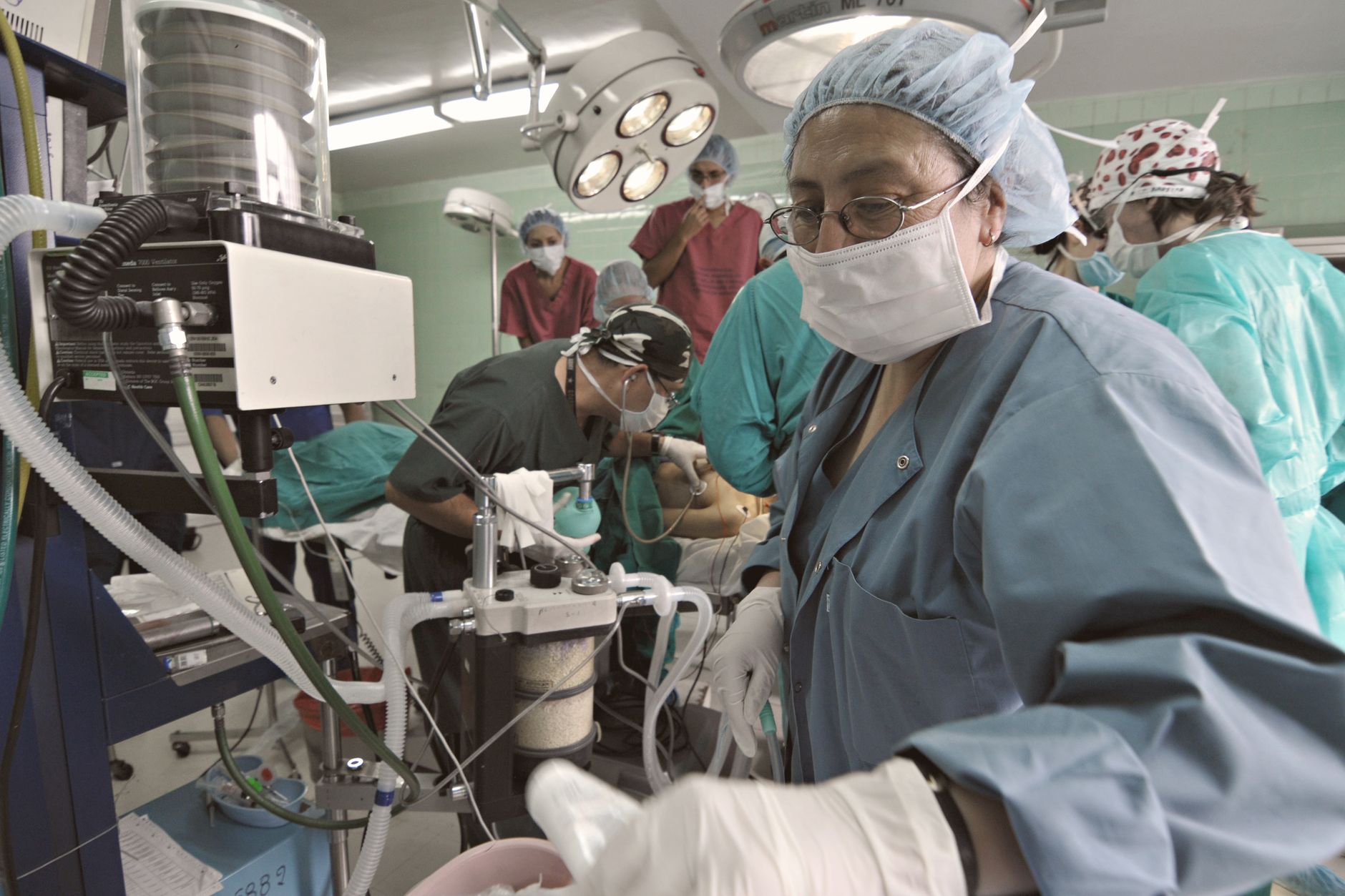
The unique demands of wilderness medicine push the boundaries of standard clinical practice. Clinicians must often perform procedures that would typically fall outside their usual scope in a hospital setting, such as advanced wound management, fracture reduction, and even improvisational surgical techniques. This expanded skill set is not merely about performing new tasks, but about adapting existing knowledge to novel and often high-stakes situations where conventional tools are absent.
Adapting Clinical Practice to Austere Environments
Wilderness medicine training focuses on developing competencies that are important when traditional medical resources are scarce. This includes a strong emphasis on primary survey and resuscitation in challenging conditions, where environmental factors like extreme cold, heat, or altitude can significantly complicate patient presentation and management. Clinicians learn to manage conditions such as hypothermia, frostbite, heatstroke, and high-altitude illnesses, which are rarely encountered in urban emergency departments but are life-threatening in remote settings.
Beyond environmental injuries, advanced practice clinicians in these roles must also be proficient in managing common medical emergencies without the benefit of extensive laboratory testing or imaging. This means honing diagnostic skills through detailed history taking and physical examination. For instance, differentiating between various causes of abdominal pain or altered mental status becomes a purely clinical exercise, relying on a thorough understanding of pathophysiology and a systematic approach to assessment. The Oxford Handbook of Clinical Medicine remains an invaluable reference for these broad diagnostic challenges.
The management of trauma in wilderness settings also requires significant adaptation. While urban trauma centers benefit from immediate access to CT scans and surgical teams, a clinician in a remote location must stabilize a patient with limited equipment, often for extended periods. This involves mastering techniques for hemorrhage control, airway management, and spinal immobilization using improvised materials. The principles of damage control resuscitation are paramount, focusing on immediate life threats and preparing the patient for evacuation, which itself can be a complex logistical challenge.
The psychological toll on both patients and clinicians in these environments is substantial. Managing anxiety, fear, and the emotional impact of injury or illness without the usual comforts of a hospital setting requires strong communication skills and an understanding of crisis intervention. Clinicians must also be acutely aware of their own mental and physical limits, as burnout risk is elevated in high-stress, resource-depleted situations, a topic we have explored in our coverage of clinician burnout risk.
Developing Unique Diagnostic and Therapeutic Skills
The diagnostic process in wilderness medicine often relies on a heightened sense of observation and a deeper interpretation of subtle clinical signs. Without the luxury of a full diagnostic panel, clinicians must become adept at pattern recognition and probabilistic reasoning. For example, assessing hydration status in a patient with gastroenteritis in a remote camp requires careful evaluation of skin turgor, mucous membranes, and urine output, rather than simply ordering electrolyte levels. Oral rehydration solutions, often overlooked in modern practice, become a cornerstone of therapy in these scenarios, as discussed in our piece on oral rehydration solutions in concert medicine.
Therapeutic interventions are similarly constrained. Pharmacological options are limited to what can be carried, necessitating a thorough understanding of drug indications, contraindications, and potential side effects. Clinicians learn to prioritize medications based on immediate life-saving potential and to manage chronic conditions with minimal drug regimens. This often involves creative solutions, such as using readily available materials for splinting or wound dressing, or adapting standard medical devices for unconventional uses. The ability to improvise is a hallmark of effective wilderness medical practice.
Beyond immediate care, wilderness medicine also emphasizes preventative strategies. This includes educating patients on environmental hazards, promoting proper hygiene to prevent infectious diseases, and ensuring adequate nutrition and hydration. For advanced practice clinicians, this preventative role extends to advising on appropriate gear, route planning, and emergency preparedness for expeditions or remote work. Understanding the epidemiology of diseases prevalent in specific wilderness areas is also critical, allowing for targeted prophylaxis and early intervention.
The skills acquired in wilderness medicine are not confined to remote expeditions. They are highly transferable to other resource-limited settings, such as disaster relief efforts or humanitarian aid missions. The ability to triage mass casualties, manage complex injuries with minimal equipment, and maintain public health in challenging conditions is invaluable. Our previous coverage on earthquake aftermath clinical priorities highlights the broad applicability of these skills.
The Educational Imperative for Advanced Practice
Formal training in wilderness medicine is essential for NPs and PAs seeking to work in these specialized environments. Such programs typically cover topics like expedition medicine, search and rescue, dive medicine, and austere surgical skills. They often involve hands-on training in simulated outdoor environments, allowing clinicians to practice under realistic conditions. This experiential learning is vital for developing the confidence and competence required to manage emergencies when backup is hours or days away, as patient outcomes depend on it.
These educational pathways also emphasize ethical considerations unique to wilderness practice. Decisions regarding resource allocation, patient evacuation, and end-of-life care take on added complexity when medical support is distant and outcomes are uncertain. Clinicians must navigate these dilemmas with a strong ethical framework, prioritizing patient well-being while acknowledging the limitations of their environment. This often involves difficult conversations with patients and their families, requiring empathy and clear communication.
The growth of advanced practice roles in remote and underserved areas highlights the increasing relevance of wilderness medicine. As healthcare systems evolve and clinicians are deployed to more diverse settings, the demand for practitioners with these specialized skills will only grow. Equipping NPs and PAs with this unique skill set not only enhances their individual capabilities but also strengthens the overall resilience of healthcare delivery in challenging circumstances. This demonstrates the adaptability required of modern clinicians, moving beyond the confines of the clinic to provide care wherever it is needed.
Advanced practice clinicians who embrace wilderness medicine training are not simply adding another certification to their CV; they are fundamentally reshaping their clinical identity. The ability to diagnose and treat complex conditions with minimal resources forces a return to foundational clinical skills, sharpening diagnostic acumen and fostering an unparalleled resourcefulness. This is not just about managing a broken bone on a mountain, but about cultivating a mindset that can adapt to any unexpected clinical challenge, even within a well-equipped hospital.
For healthcare systems, investing in wilderness medicine training for NPs and PAs represents a strategic advantage. These clinicians become invaluable assets in disaster preparedness, rural health initiatives, and even in optimizing care pathways within conventional settings by promoting efficiency and critical thinking. They are the practitioners who can bridge gaps in care when infrastructure fails or when specialist access is limited, making them essential for robust community health.
Patients, particularly those in remote communities or participating in outdoor activities, stand to benefit immensely. Having access to clinicians who are not only medically proficient but also adept at managing the unique challenges of their environment can mean the difference between life and death. This specialized expertise provides a level of confidence and safety that traditional medical training alone cannot offer, ensuring high-quality care is available regardless of location.
- The Pivot Wilderness medicine training equips NPs and PAs with expanded diagnostic and treatment capabilities for resource-limited settings.
- The Data No specific numeric data from clinical trials is available for this topic.
- The Action Clinicians working in or considering remote practice should pursue specialized training in wilderness medicine to enhance their preparedness.
ART-2026-1866
·10/26
Drafted with AI assistance, reviewed and approved by the editorial team. This publication is intended for healthcare professionals, researchers, and life science industry professionals. Content is provided for informational and educational purposes only and does not constitute medical advice.

Science writer covering the frontier between basic research and clinical practice. I am interested in the moment a mechanism becomes a therapy, and everything that can go wrong in between.
Cite This Article
Aldrich M, Voss M. Wilderness medicine: are you ready for the next patient without a hospital?. The Life Science Feed. Published October 2, 2026. Updated October 2, 2026. Accessed October 2, 2026. https://thelifesciencefeed.com/critical-care/major-trauma/insights/wilderness-medicine-are-you-ready-for-the-next-patient-without-a-hospital.
Editorial & AI Standards
All content is researched from peer-reviewed, open-access sources: published trial data, clinical guidelines, and regulatory filings. AI tools are used solely to structure and summarise that evidence; no AI-generated conclusions appear without editor verification against the primary source.
Every article is reviewed by a named editor before publication. Source citations are listed in the References section. This content does not represent the views of any pharmaceutical company, medical device manufacturer, or healthcare provider.
Licence & Rights
© 2026 The Life Science Feed. All rights reserved. Unless otherwise indicated, all content is the property of The Life Science Feed and may not be reproduced, distributed, or transmitted in any form or by any means without prior written permission.
Medical Disclaimer
The information provided on The Life Science Feed is for educational and informational purposes only. It is not intended as a substitute for professional medical advice, diagnosis, or treatment. Always seek the advice of your physician or other qualified healthcare provider regarding any medical condition or treatment decision. Never disregard professional medical advice or delay in seeking it because of something you have read on this website.
References
1. Alexander W, Bright S, Burns P, Townes D. Wilderness Medicine. Med Clin North Am. 2016;100(2):345-56. doi:10.1016/j.mcna.2015.09.003
2. Sward DG, Bennett BL. Wilderness medicine. World J Emerg Med. 2014;5(1):5-15. doi:10.5847/wjem.j.issn.1920-8642.2014.01.001
3. Townes DA. Wilderness medicine. Prim Care. 2002;29(4):1027-48. doi:10.1016/s0095-4543(02)00054-4
4. Lugo-Amador NM, Rothenhaus T, Moyer P. Heat-related illness. Emerg Med Clin North Am. 2004;22(2):315-27, viii. doi:10.1016/j.emc.2004.01.004
5. Comp G, Ferrari A, Seigneur S. Desert Medicine. Emerg Med Clin North Am. 2024;42(3):565-580. doi:10.1016/j.emc.2024.02.016
6. McIntosh SE, Freer L, Grissom CK, et al. Wilderness Medical Society Clinical Practice Guidelines for the Prevention and Treatment of Frostbite: 2024 Update. Wilderness Environ Med. 2024;35(2):183-197. doi:10.1177/10806032231222359