Psychiatry7 Sept 2026
Beyond diabetes: Semaglutide's surprising signal in bipolar disorderRead article

Critical Care10 Sept 2026
E-scooter head injuries: Why are urban trauma centers seeing more?Read article


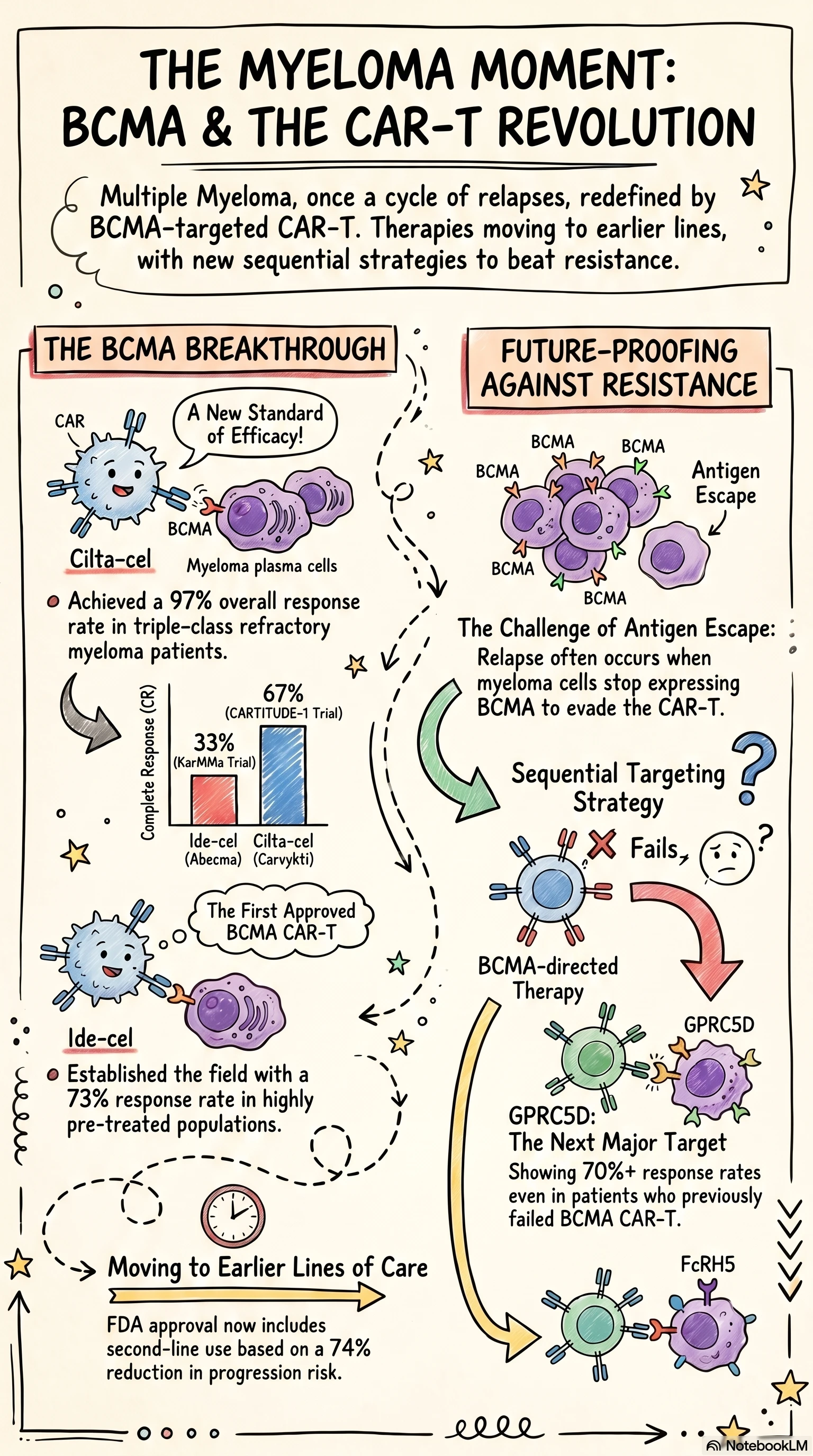
The most resistant cancer is finally responding, and the pipeline is accelerating
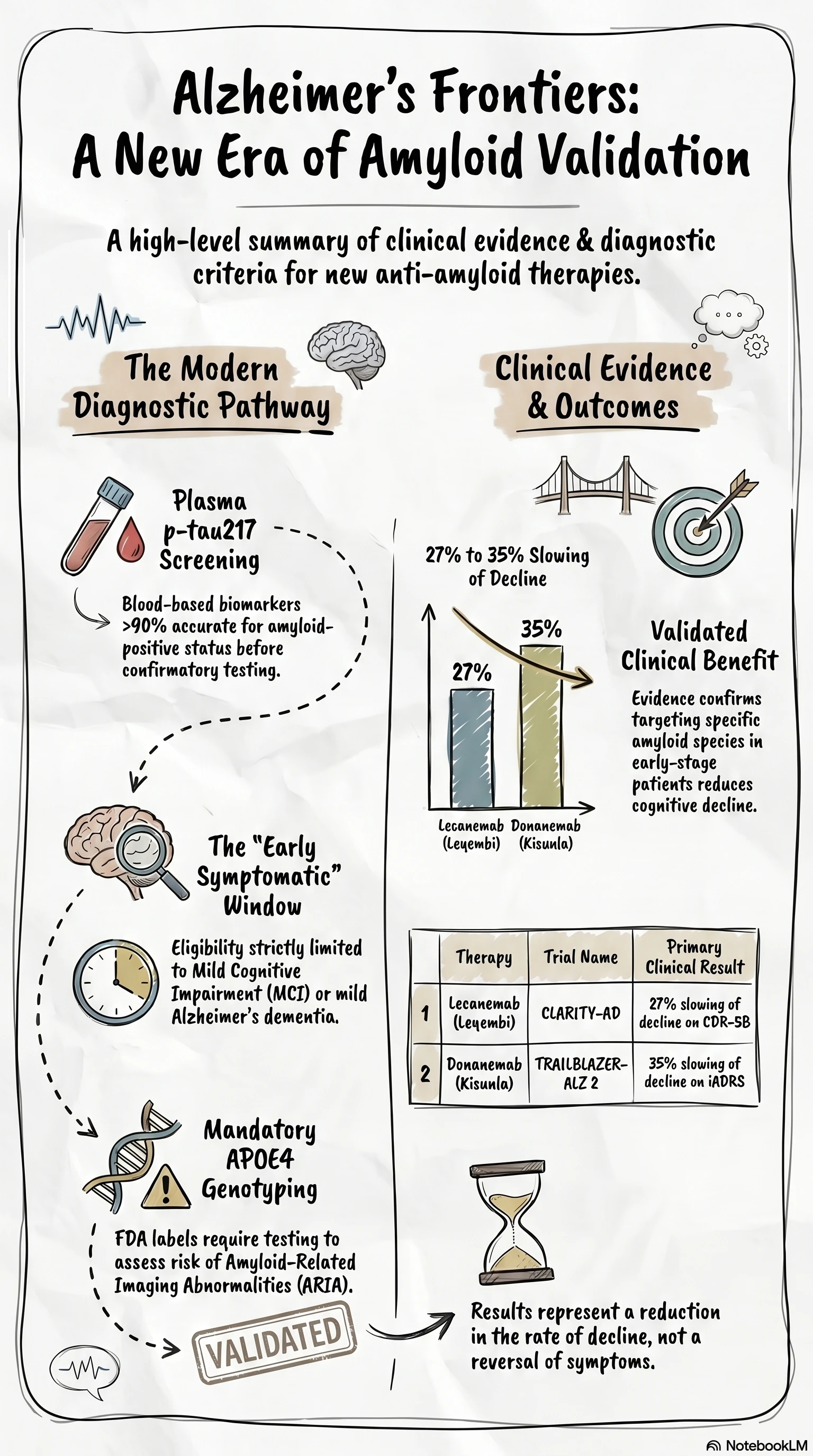
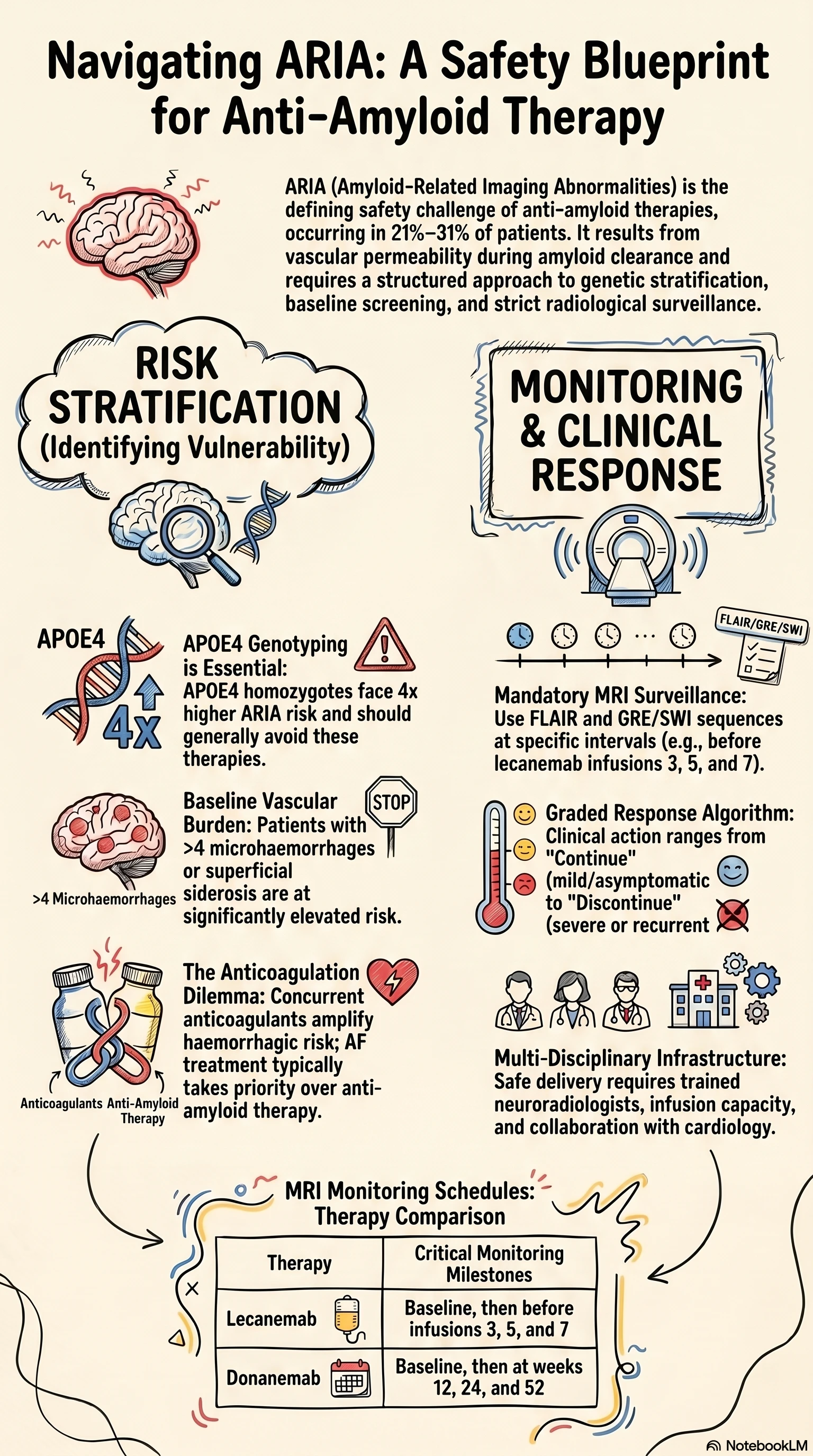
Lecanemab and donanemab are approved. The harder question is who gets them and how
Label expansion triples the eligible population and the infrastructure race begins
From 1 approval to 15: how the ADC platform reshaped every solid tumor type
Four bispecific antibodies, two CAR-T therapies, and a treatment landscape that moves monthly

PARP Inhibitors in Ovarian Cancer: HRD Status Dictates Maintenance Benefit
PARP inhibitors have transformed ovarian cancer treatment, but homologous recombination deficiency (HRD) status critically determines their efficacy.

Low-risk thyroid cancer: Time to rethink radioactive iodine?
Forgoing radioactive iodine therapy in select low-risk thyroid cancer patients does not increase recurrence rates, challenging a long-held treatment paradigm.

PPIs and cancer: Is CYP2C19 a friend or foe?
Genetic ancestry influences colorectal cancer risk through proton pump inhibitor metabolism, with CYP2C19 showing opposing roles in carcinogenesis versus precancerous states.
Lung cancer in never smokers: The 60x risk factor you might be missing
Folate Receptor Alpha Testing: The Shifting Target in Platinum-Resistant Ovarian Cancer
HPV-positive OPSCC: Are we overtreating excellent prognoses?

Seladelpar and Elafibranor: The Second-Line Options for PBC After Ursodeoxycholic Acid Fails
Seladelpar and elafibranor offer new therapeutic avenues for primary biliary cholangitis patients with inadequate response to ursodeoxycholic acid.
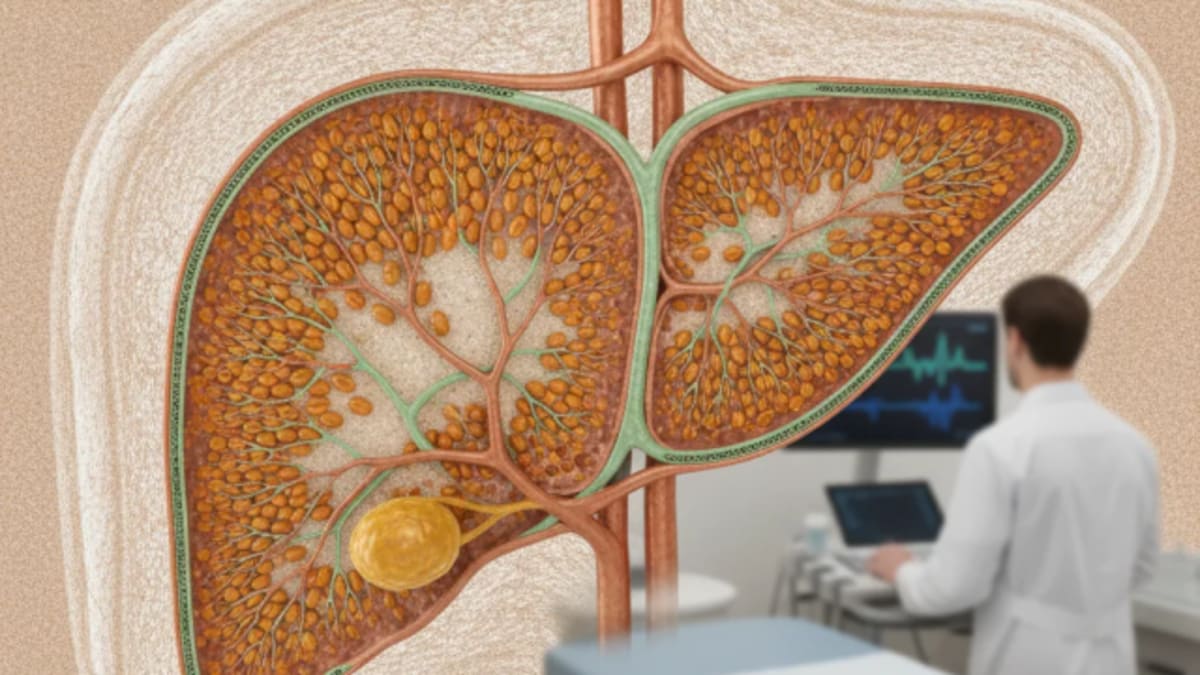
Coffee may cut liver disease risk, related mortality
Regular coffee consumption correlates with a reduced risk of chronic liver disease and associated mortality, according to UK Biobank data.

Why primary sclerosing cholangitis remains a therapeutic graveyard
Despite numerous attempts, no disease-modifying therapy has succeeded in primary sclerosing cholangitis, leaving transplant as the only definitive treatment.
TNF emerges as a key node in autoimmune hepatitis, trial shows
Cholangiocarcinoma Surveillance: What Interval, What Modality in PSC?
Pruritus in primary biliary cholangitis: the symptom that drives quality of life

DOACs for AFib: Are intermediate-risk patients getting the protection they need?
Direct oral anticoagulants (DOACs) reduce clinical events in atrial fibrillation patients at intermediate stroke risk, challenging prior assumptions about optimal management in this group.

Eplontersen for ATTR-CM: Why a promising therapy fell short
Eplontersen, when added to standard care, did not demonstrate additional cardiovascular benefit for patients with ATTR-CM. The therapy's impact on cardiac outcomes remains unconfirmed.

Beyond diagnosis: ECG waveforms predict MI-E treatment response
Electrocardiogram waveforms offer insights into myocardial infarction with epicardial coronary artery disease (MI-E) efficacy, providing a non-invasive window into myocardial health.

Not all red meat is equal for type 2 diabetes risk
A 90,000-person French cohort study finds Neu5Gc, a non-human sugar concentrated in red meat, is linked to a 63% higher type 2 diabetes risk at the highest versus lowest intake, with a dose-response pattern and only partial mediation through weight gain.

Orforglipron: Does menopausal status really matter for weight loss?
A post-hoc subgroup analysis of the ATTAIN-1 and ATTAIN-2 trials finds orforglipron's weight-loss and waist-circumference benefits held up whether women were pre-, peri- or post-menopausal.

Ultra-processed foods: Exercise can cut type 2 diabetes risk
A UK Biobank analysis combining diet records, wearable activity data and genetic risk scores finds that meeting WHO activity guidelines meaningfully lowers type 2 diabetes risk, even for people with high genetic susceptibility and high ultra-processed food intake.
Exam stress, blood sugar: a clinical paradox?
Type 2 diabetes: Gut bugs predict risk before blood sugar rises?
Neurodiversity in type 2 diabetes isn't evenly spread by age

Hyperactivity and ID: It's not just genetics, it's O-GlcNAc dyshomeostasis
Pathogenic O-GlcNAc dyshomeostasis, driven by OGT gene variants, causes cortical malformations and hyperactivity in a rodent model, revealing neurodevelopmental defects.

Bilateral Focused Ultrasound: A New Path for Parkinson's Motor Control?
Staged, bilateral MRgFUS pallidothalamic tractotomy significantly improved motor complications in Parkinson's disease, offering an incisionless alternative to DBS.

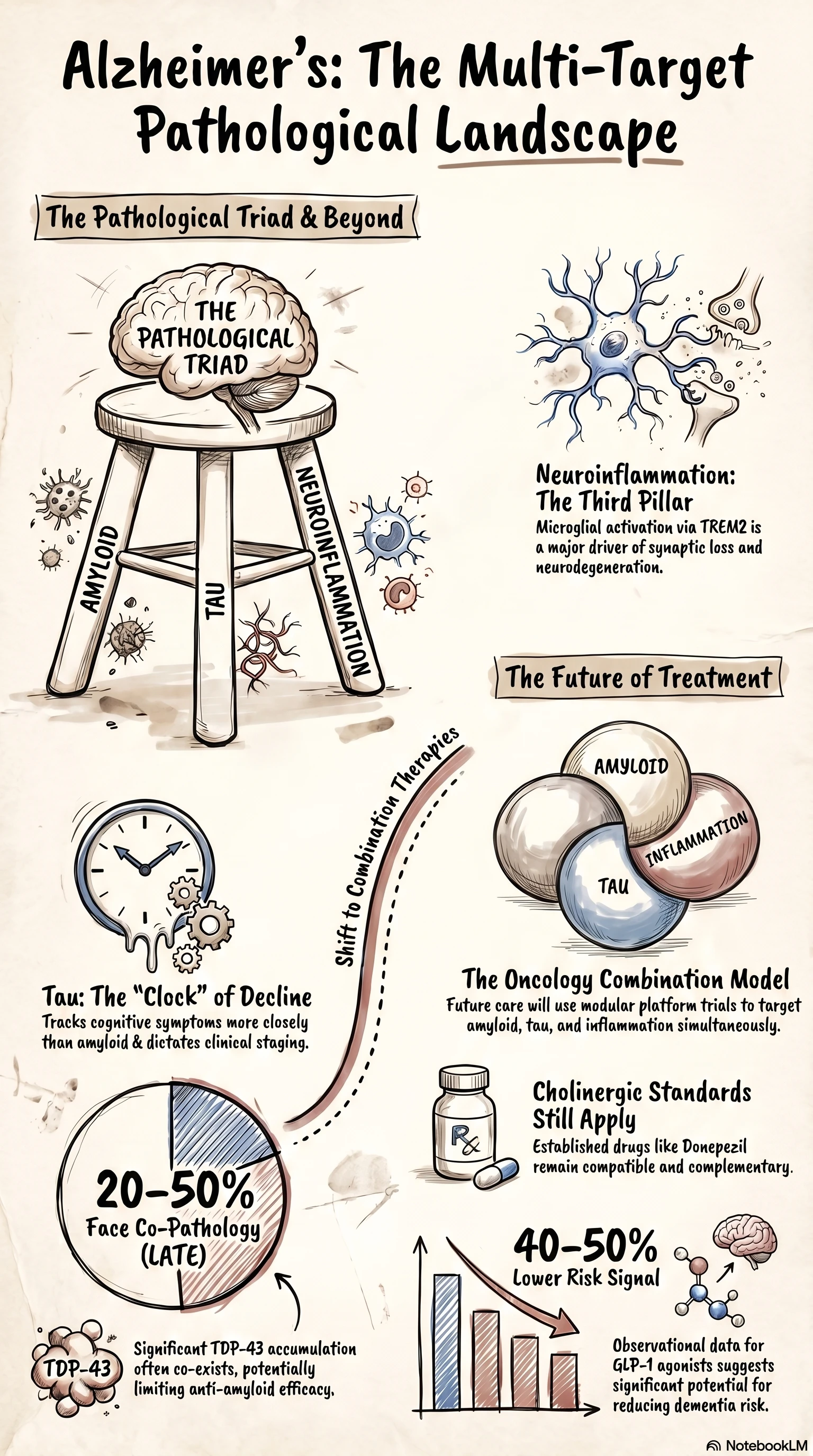
Alzheimer's blood tests: Why are unverified claims spreading so fast?
Unverified claims about a new Alzheimer's blood test are circulating online, creating confusion for patients and clinicians alike. These claims often overstate the test's diagnostic capabilities and clinical utility.
Noninvasive Ventilation: A Shift in End-of-Life Care for ALS?
Do CGRP Monoclonal Antibodies Offer Relief for Vestibular Migraine Vertigo?
Vestibular Migraine vs. Meniere Disease: Separating Overlapping Diagnoses
 Leukemia
Rusfertide and hepcidin mimetics: a different way to control erythrocytosis
Get the full storyHaematocrit targets: Is 45% still the right threshold for phlebotomy?
Get the full storyWhy molecular response in polycythemia vera remains an elusive endpoint
Get the full storyPNH: Beyond Eculizumab, How Proximal Inhibition Reshaped Treatment Goals
Get the full storyWhen complement inhibitors fail: Recognizing breakthrough haemolysis
Get the full storyOral factor B inhibition: a new path for PNH management?
Get the full storyMyelofibrosis: Why transplant timing dictates survival, not just symptoms
Get the full storyChoosing a JAK Inhibitor in Myelofibrosis: Beyond Ruxolitinib
Get the full storyMomelotinib and anaemia in myelofibrosis: a new calculus for treatment?
Get the full storyGene therapy for thalassemia: Approval is one hurdle, access is the next
Get the full story Idiopathic Pulmonary Fibrosis
 Clostridioides difficile
Seladelpar and elafibranor: second-line options for PBC
LAA occlusion: Less bleeding, but is stroke risk truly equal?
PD-L1 isn't just a biomarker for HNSCC, it's a treatment guide
Dual-target gene therapy: Can it free Parkinson's patients from levodopa dependence?
 AdvertisementAdvertisementAdvertisement
 • Sep 28 – Oct 2UEG Week 2026 • Barcelona, ES
  • Oct 17 – 20Joint ACTRIMS-ECTRIMS 2026 • Toronto, CA
  • Oct 21 – 23ESMO 2026 • Madrid, ES • Oct 23 – 27ACR 2026 • Orlando, US
  • Nov 6 – 11AHA 2026 • Chicago, US • Nov 6 – 9ASH 2026 • New Orleans, US • Dec 12 – 15ACC.27 Together With WCC • Houston, US • Apr 10 – 12LIVEEASD 2026 • Milan, IT • Sep 28 – Oct 2UEG Week 2026 • Barcelona, ES • Oct 17 – 20Joint ACTRIMS-ECTRIMS 2026 • Toronto, CA • Oct 21 – 23ESMO 2026 • Madrid, ES • Oct 23 – 27ACR 2026 • Orlando, US • Nov 6 – 11AHA 2026 • Chicago, US • Nov 6 – 9ASH 2026 • New Orleans, US • Dec 12 – 15ACC.27 Together With WCC • Houston, US • Apr 10 – 12
 Advertisement
 MilanSep 28 – Oct 2 2026
Type 2 diabetes: CGM cuts mortality, but how?
A target trial emulation of nearly 28,000 US patients finds people with type 2 diabetes on basal insulin who started continuous glucose monitoring had 44% lower one-year mortality and fewer cardiovascular events than matched non-users.

Orforglipron: Does menopausal status really matter for weight loss?
A post-hoc subgroup analysis of the ATTAIN-1 and ATTAIN-2 trials finds orforglipron's weight-loss and waist-circumference benefits held up whether women were pre-, peri- or post-menopausal.

Ultra-processed foods: Exercise can cut type 2 diabetes risk
A UK Biobank analysis combining diet records, wearable activity data and genetic risk scores finds that meeting WHO activity guidelines meaningfully lowers type 2 diabetes risk, even for people with high genetic susceptibility and high ultra-processed food intake.
Not all red meat is equal for type 2 diabetes risk
A 90,000-person French cohort study finds Neu5Gc, a non-human sugar concentrated in red meat, is linked to a 63% higher type 2 diabetes risk at the highest versus lowest intake, with a dose-response pattern and only partial mediation through weight gain.

Type 2 diabetes: Gut bugs predict risk before blood sugar rises?
A study of more than 200,000 people identifies 789 gut bacterial species linked to type 2 diabetes, with the same signature detectable in people with normal blood sugar who show early signs of insulin resistance after meals.

GLP-1s: Is eligibility missing half your high-risk patients?
A 313,000-person Danish and UK analysis finds people with a BMI of 25-26.9, currently ineligible for GLP-1 receptor agonists, have coronary heart disease risk matching those who do qualify, if they also carry elevated remnant cholesterol or inflammation.

After T2D, CKD and HF aren't separate risks. Here's why
A 1.6 million-patient analysis maps how chronic kidney disease and heart failure actually unfold after a type 2 diabetes diagnosis, and what happens once the first complication has already arrived.

Exam stress, blood sugar: a clinical paradox?
A small continuous-glucose-monitoring study of 22 healthy medical students finds glucose levels rose in the days before an exam and peaked on exam day, raising questions about the cumulative metabolic cost of repeated academic stress.

Neurodiversity in type 2 diabetes isn't evenly spread by age
A cross-sectional analysis of 3.4 million matched pairs finds neurodiversity prevalence in type 2 diabetes is heavily concentrated in the youngest patients, with autism four times more common and ADHD twice as common at the earliest ages of diagnosis.
Amylin analogues: The missing piece in cardiometabolic care?
Amylin analogues are emerging as a potential new class of therapy for cardiometabolic disease, building on established physiological roles in glucose homeostasis and satiety.

Metformin for prediabetes: Is early use the new standard?
Early initiation of metformin can delay the onset of type 2 diabetes in high-risk individuals, reducing the long-term burden of metabolic disease. This strategy aligns with established guidelines for prediabetes management.

Type 2 diabetes: What if insulin only needed to be weekly?
Insulin efsitora alfa represents a shift towards once-weekly basal insulin, aiming to simplify regimens and improve adherence for patients with type 2 diabetes.

Is your diabetes care missing the full metabolic picture?
New technologies are moving beyond simple glucose monitoring to integrate additional biomarkers, offering a more comprehensive view of metabolic health in diabetes management.

Rethinking GLP-1s: Beyond diabetes, a new cardiometabolic role
GLP-1-based therapies are redefining the management of chronic metabolic diseases, moving beyond glucose control to address broader cardiometabolic risk.

Automated insulin delivery: Why pregnancy makes glucose control harder
Automated insulin delivery systems offer improved glucose control, but pregnancy and menstrual cycle variations present unique challenges for optimal management.

Predictive CGM: Stop chasing nocturnal lows, prevent them
Predictive continuous glucose monitoring (CGM) technology offers a new approach to managing nocturnal hypoglycaemia, providing real-time alerts that allow for proactive intervention. This technology aims to reduce the fear and clinical burden associated with overnight glucose fluctuations in patients with diabetes.

MASH: Why diabetes management now demands a liver-first approach?
Emerging liver-directed approaches for moderate to advanced MASH are reshaping treatment paradigms, with significant implications for diabetes specialists managing metabolic dysfunction.

Type 1 diabetes: Beyond insulin, what are we missing?
Early-stage type 1 diabetes care extends beyond insulin, requiring a comprehensive approach to manage glycaemia, prevent complications, and support patient well-being.

Beyond HbA1c: What integrated diabetes care really means for organs
Managing diabetes extends beyond glucose control, requiring a holistic approach to prevent heart, kidney, and liver complications.
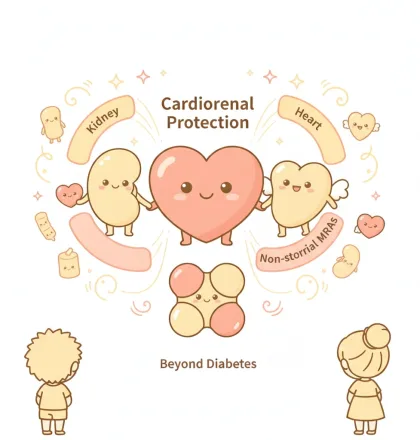
CKD, T2D: Why RAASi isn't enough for cardiorenal protection?
Non-steroidal mineralocorticoid receptor antagonists offer a new therapeutic avenue for cardiorenal protection, particularly in patients with chronic kidney disease and type 2 diabetes. These agents mitigate inflammation and fibrosis, addressing residual risk beyond traditional renin-angiotensin-aldosterone system inhibition.

Metabolic health: Why weight loss isn't enough for your patients
Metabolic health extends beyond simple weight loss, requiring a focus on underlying biological mechanisms that drive dysfunction. Effective interventions target insulin resistance, inflammation, and adipocyte function.

Type 2 diabetes: Is early control a cancer shield or a red herring?
Poor glycaemic control soon after type 2 diabetes diagnosis correlates with increased cancer risk, particularly for pancreatic and colorectal cancers.

Type 1 diabetes: Why managing insulin isn't enough anymore
Teplizumab represents a significant step in autoimmune type 1 diabetes management, moving beyond insulin replacement to target disease progression itself. Its mechanism offers a new approach to preserving beta-cell function.

Lipohypertrophy: It's not just cosmetic for GLP-1 patients
Suboptimal injection practices contribute to lipohypertrophy, impairing drug absorption and glycemic control in patients using insulin and GLP-1 injectables. Correct technique is essential for therapeutic efficacy.

Beyond statins: The counterintuitive path to cutting pancreatitis risk
ApoC-III inhibition with plozasiran reduced triglycerides by 53%-58% and showed a borderline 17% reduction in pancreatitis events in severe hypertriglyceridemia.

Semaglutide: Beyond weight loss, what's the real reason it works?
Semaglutide, a GLP-1 RA, shows promise beyond obesity and diabetes, with emerging data suggesting roles in orthopedics and heart failure with preserved ejection fraction.

Why CGM readings drift during a marathon in type 1 diabetes
In a real marathon, CGM error reached 36.6% to 43.1%, several times the figures seen in short laboratory exercise tests. Runners with type 1 diabetes finished as fast as controls, but a fingerstick still earns its place.

Sex and hypoglycaemia in type 1 diabetes: what CGM data now show
Across 110 events in 12 adults with type 1 diabetes, sexual intercourse caused no clinically significant hypoglycaemia. Glucose moved in both directions, shaped by the starting level, body mass index and time of day.
The enduring puzzle of diabetes remission after bariatric surgery
Bariatric surgery often leads to diabetes remission, but the mechanisms are complex and not solely due to weight loss. Understanding these pathways is essential for optimising patient outcomes.
Type 2 diabetes: CGM cuts mortality, but how?
A target trial emulation of nearly 28,000 US patients finds people with type 2 diabetes on basal insulin who started continuous glucose monitoring had 44% lower one-year mortality and fewer cardiovascular events than matched non-users.
Orforglipron: Does menopausal status really matter for weight loss?
A post-hoc subgroup analysis of the ATTAIN-1 and ATTAIN-2 trials finds orforglipron's weight-loss and waist-circumference benefits held up whether women were pre-, peri- or post-menopausal.
Ultra-processed foods: Exercise can cut type 2 diabetes risk
A UK Biobank analysis combining diet records, wearable activity data and genetic risk scores finds that meeting WHO activity guidelines meaningfully lowers type 2 diabetes risk, even for people with high genetic susceptibility and high ultra-processed food intake.
Not all red meat is equal for type 2 diabetes risk
A 90,000-person French cohort study finds Neu5Gc, a non-human sugar concentrated in red meat, is linked to a 63% higher type 2 diabetes risk at the highest versus lowest intake, with a dose-response pattern and only partial mediation through weight gain.
Type 2 diabetes: Gut bugs predict risk before blood sugar rises?
A study of more than 200,000 people identifies 789 gut bacterial species linked to type 2 diabetes, with the same signature detectable in people with normal blood sugar who show early signs of insulin resistance after meals.
GLP-1s: Is eligibility missing half your high-risk patients?
A 313,000-person Danish and UK analysis finds people with a BMI of 25-26.9, currently ineligible for GLP-1 receptor agonists, have coronary heart disease risk matching those who do qualify, if they also carry elevated remnant cholesterol or inflammation.
After T2D, CKD and HF aren't separate risks. Here's why
A 1.6 million-patient analysis maps how chronic kidney disease and heart failure actually unfold after a type 2 diabetes diagnosis, and what happens once the first complication has already arrived.
Exam stress, blood sugar: a clinical paradox?
A small continuous-glucose-monitoring study of 22 healthy medical students finds glucose levels rose in the days before an exam and peaked on exam day, raising questions about the cumulative metabolic cost of repeated academic stress.
Neurodiversity in type 2 diabetes isn't evenly spread by age
A cross-sectional analysis of 3.4 million matched pairs finds neurodiversity prevalence in type 2 diabetes is heavily concentrated in the youngest patients, with autism four times more common and ADHD twice as common at the earliest ages of diagnosis.
Amylin analogues: The missing piece in cardiometabolic care?
Amylin analogues are emerging as a potential new class of therapy for cardiometabolic disease, building on established physiological roles in glucose homeostasis and satiety.
Metformin for prediabetes: Is early use the new standard?
Early initiation of metformin can delay the onset of type 2 diabetes in high-risk individuals, reducing the long-term burden of metabolic disease. This strategy aligns with established guidelines for prediabetes management.
Type 2 diabetes: What if insulin only needed to be weekly?
Insulin efsitora alfa represents a shift towards once-weekly basal insulin, aiming to simplify regimens and improve adherence for patients with type 2 diabetes.
Is your diabetes care missing the full metabolic picture?
New technologies are moving beyond simple glucose monitoring to integrate additional biomarkers, offering a more comprehensive view of metabolic health in diabetes management.
Rethinking GLP-1s: Beyond diabetes, a new cardiometabolic role
GLP-1-based therapies are redefining the management of chronic metabolic diseases, moving beyond glucose control to address broader cardiometabolic risk.
Automated insulin delivery: Why pregnancy makes glucose control harder
Automated insulin delivery systems offer improved glucose control, but pregnancy and menstrual cycle variations present unique challenges for optimal management.
Predictive CGM: Stop chasing nocturnal lows, prevent them
Predictive continuous glucose monitoring (CGM) technology offers a new approach to managing nocturnal hypoglycaemia, providing real-time alerts that allow for proactive intervention. This technology aims to reduce the fear and clinical burden associated with overnight glucose fluctuations in patients with diabetes.
MASH: Why diabetes management now demands a liver-first approach?
Emerging liver-directed approaches for moderate to advanced MASH are reshaping treatment paradigms, with significant implications for diabetes specialists managing metabolic dysfunction.
Type 1 diabetes: Beyond insulin, what are we missing?
Early-stage type 1 diabetes care extends beyond insulin, requiring a comprehensive approach to manage glycaemia, prevent complications, and support patient well-being.
Beyond HbA1c: What integrated diabetes care really means for organs
Managing diabetes extends beyond glucose control, requiring a holistic approach to prevent heart, kidney, and liver complications.
CKD, T2D: Why RAASi isn't enough for cardiorenal protection?
Non-steroidal mineralocorticoid receptor antagonists offer a new therapeutic avenue for cardiorenal protection, particularly in patients with chronic kidney disease and type 2 diabetes. These agents mitigate inflammation and fibrosis, addressing residual risk beyond traditional renin-angiotensin-aldosterone system inhibition.
Metabolic health: Why weight loss isn't enough for your patients
Metabolic health extends beyond simple weight loss, requiring a focus on underlying biological mechanisms that drive dysfunction. Effective interventions target insulin resistance, inflammation, and adipocyte function.
Type 2 diabetes: Is early control a cancer shield or a red herring?
Poor glycaemic control soon after type 2 diabetes diagnosis correlates with increased cancer risk, particularly for pancreatic and colorectal cancers.
Type 1 diabetes: Why managing insulin isn't enough anymore
Teplizumab represents a significant step in autoimmune type 1 diabetes management, moving beyond insulin replacement to target disease progression itself. Its mechanism offers a new approach to preserving beta-cell function.
Lipohypertrophy: It's not just cosmetic for GLP-1 patients
Suboptimal injection practices contribute to lipohypertrophy, impairing drug absorption and glycemic control in patients using insulin and GLP-1 injectables. Correct technique is essential for therapeutic efficacy.
Beyond statins: The counterintuitive path to cutting pancreatitis risk
ApoC-III inhibition with plozasiran reduced triglycerides by 53%-58% and showed a borderline 17% reduction in pancreatitis events in severe hypertriglyceridemia.
Semaglutide: Beyond weight loss, what's the real reason it works?
Semaglutide, a GLP-1 RA, shows promise beyond obesity and diabetes, with emerging data suggesting roles in orthopedics and heart failure with preserved ejection fraction.
Why CGM readings drift during a marathon in type 1 diabetes
In a real marathon, CGM error reached 36.6% to 43.1%, several times the figures seen in short laboratory exercise tests. Runners with type 1 diabetes finished as fast as controls, but a fingerstick still earns its place.
Sex and hypoglycaemia in type 1 diabetes: what CGM data now show
Across 110 events in 12 adults with type 1 diabetes, sexual intercourse caused no clinically significant hypoglycaemia. Glucose moved in both directions, shaped by the starting level, body mass index and time of day.
The enduring puzzle of diabetes remission after bariatric surgery
Bariatric surgery often leads to diabetes remission, but the mechanisms are complex and not solely due to weight loss. Understanding these pathways is essential for optimising patient outcomes.