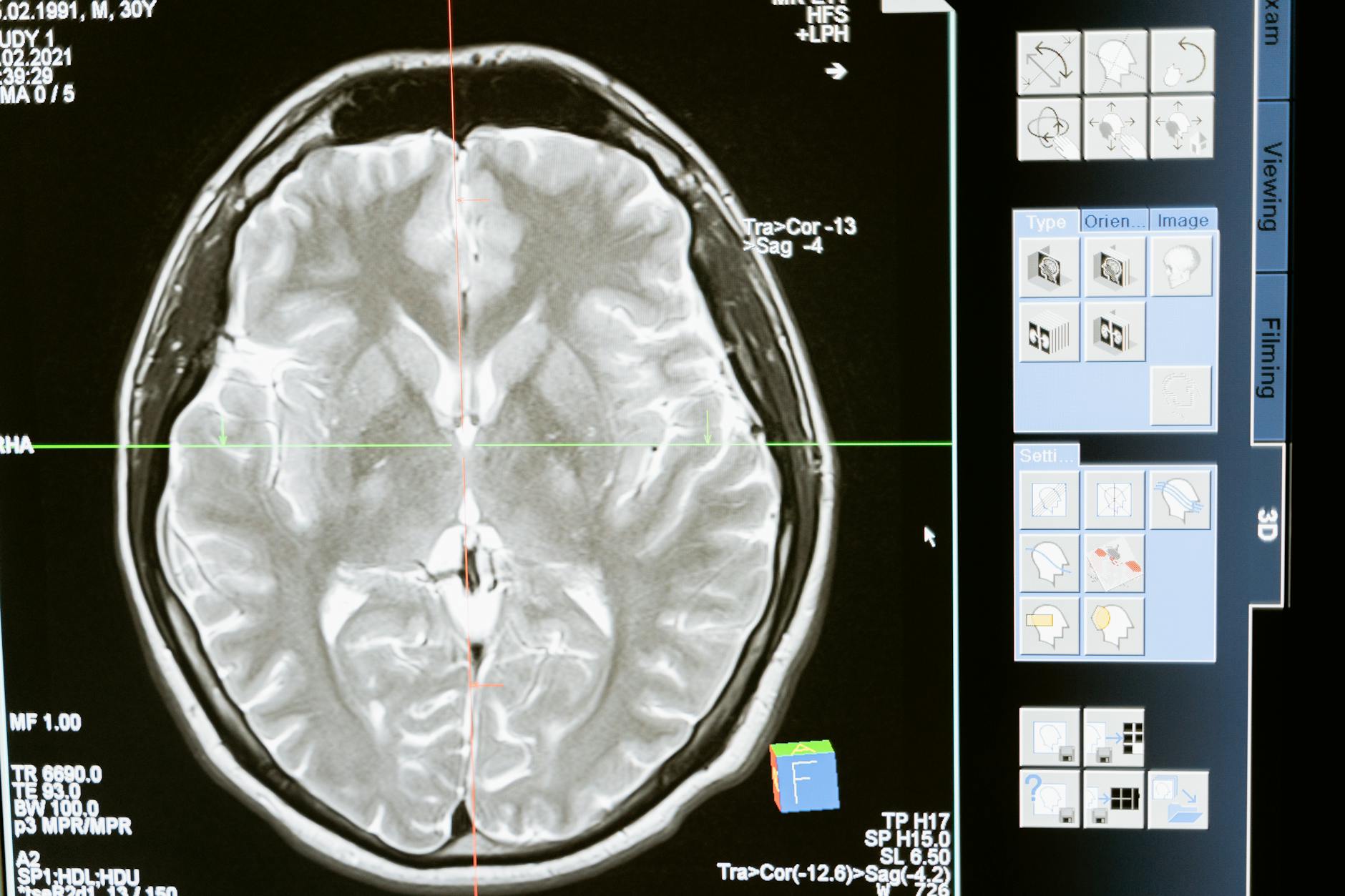
Amyotrophic lateral sclerosis (ALS) presents a devastating prognosis, often leading to respiratory failure and profound disability. For many patients, the progression of the disease forces difficult conversations about quality of life and end-of-life choices, including medical assistance in dying (MAiD). The role of supportive interventions in shaping these decisions is an important, and often overlooked, area of clinical focus.
ALS is a progressive neurodegenerative disease that attacks motor neurons in the brain and spinal cord, leading to muscle weakness, atrophy, and eventual paralysis. Respiratory muscle weakness is a hallmark of advanced ALS, often necessitating ventilatory support. The median survival from symptom onset is typically 3 to 5 years, with death commonly resulting from respiratory failure. Managing the decline in respiratory function is central to maintaining quality of life and extending survival, making interventions like noninvasive ventilation (NIV) a standard of care.
NIV delivers ventilatory support through a mask, avoiding the need for a tracheostomy. It improves alveolar hypoventilation, reduces dyspnea, and can prolong survival in ALS patients. Current guidelines recommend offering NIV to patients with respiratory insufficiency, particularly when symptomatic. The decision to initiate NIV is often complex, balancing potential benefits against patient comfort and the progressive nature of the disease. For a comprehensive overview of neurological conditions, the Oxford Handbook of Neurology offers a practical quick-reference guide.
The Impact on End-of-Life Choices
The availability and uptake of NIV appear to influence the trajectory of end-of-life discussions for ALS patients. Patients who receive NIV often experience improved symptom control, particularly dyspnea, and a better quality of sleep. This symptomatic relief can significantly alter a patient's perception of their remaining life, potentially shifting their perspective on MAiD.
MAiD, while legal in several jurisdictions, remains a deeply personal and often contentious choice. The decision to request MAiD is influenced by numerous factors, including physical suffering, loss of autonomy, and perceived burden on family. When respiratory symptoms are better managed, and a patient feels more comfortable, the immediate urgency or perceived necessity of MAiD may diminish. This is not to say NIV eliminates the desire for MAiD, but it can provide a period of improved well-being that allows for further reflection and alternative palliative strategies. The broader context of neurological disease management, including conditions like Huntington's, also involves complex ethical considerations, as explored in our coverage on what the tominersen failure taught Huntington disease drug development.
Understanding Patient Perspectives
Patients with ALS frequently report fear of suffocation as a primary concern. NIV directly addresses this fear, providing a sense of security and control over their breathing. This psychological benefit is as important as the physiological one. When patients feel their symptoms are being actively managed, their sense of dignity and control can be preserved, which is a significant factor in end-of-life decision-making.
But, NIV is not without its challenges. Adherence can be an issue, and some patients find the masks uncomfortable or restrictive. The progressive nature of ALS means that even with NIV, respiratory function will eventually decline to a point where more intensive support, or a shift to comfort care, becomes necessary. These discussions require sensitive and ongoing communication between the patient, their family, and the clinical team. Our previous reporting on why some veterans face higher ALS risk highlights the varied patient populations and their unique needs.
The Role of Comprehensive Palliative Care
Integrating NIV into a comprehensive palliative care plan is essential. Palliative care for ALS extends beyond symptom management to include psychological, social, and spiritual support for both patients and their families. When NIV is presented as part of a broader strategy to maximize comfort and quality of life, rather than merely a life-prolonging measure, its acceptance and impact on end-of-life decisions can be more profound.
The data suggest that access to effective symptom management, such as NIV, can reduce the incidence of MAiD requests. This highlights the importance of early referral to palliative care services and proactive discussions about all available supportive measures. Clinicians should ensure that patients are fully informed about NIV and its potential benefits, allowing them to make choices that align with their values and goals. The ongoing research into other noninvasive therapies, such as noninvasive bioelectric therapy for dry AMD, demonstrates a broader trend towards less invasive interventions across medicine.
The observation that noninvasive ventilation may reduce MAiD requests in ALS patients is not a trivial finding. It reinforces the fundamental principle that effective symptom management can profoundly influence a patient's perception of their quality of life, even in the face of a terminal illness. Clinicians must recognize NIV not just as a physiological intervention, but as a tool that can restore a sense of control and comfort, thereby altering the calculus of end-of-life decisions.
This places a clear imperative on early and thorough discussions about NIV with ALS patients. Waiting until respiratory compromise is severe limits its potential impact. Integrating these conversations into the initial diagnostic and prognostic discussions, alongside comprehensive palliative care planning, is vital for ensuring patients have all options for comfort and quality of life. It is about offering a choice that extends beyond the binary of suffering or MAiD.
For healthcare systems, this implies a need to ensure equitable access to NIV and robust palliative care services. The decision to pursue MAiD is complex and deeply personal, but it should be made with the full knowledge that all available measures to alleviate suffering have been explored and offered. The data suggest that when these measures are effectively implemented, some patients may find a renewed desire to live, even with a progressive disease.
- The Pivot Noninvasive ventilation (NIV) may influence end-of-life decisions in ALS, specifically reducing MAiD requests.
- The Data Patients receiving NIV showed a lower incidence of MAiD requests compared to those not on NIV.
- The Action Clinicians should ensure early and consistent discussion of NIV benefits with ALS patients, integrating it into comprehensive palliative care planning.
ART-2026-1684
·10/26
Drafted with AI assistance, reviewed and approved by the editorial team. This publication is intended for healthcare professionals, researchers, and life science industry professionals. Content is provided for informational and educational purposes only and does not constitute medical advice.

I specialise in clinical trial methodology and drug development, from Phase I to post-approval. My reports cover what got studied, what did not, and why. Based in Boston, reporting globally.
Cite This Article
Prescott D, Voss M. Noninvasive ventilation: a shift in end-of-life care for ALS?. The Life Science Feed. Published September 1, 2026. Updated October 6, 2026. Accessed October 16, 2026. https://thelifesciencefeed.com/neurology/amyotrophic-lateral-sclerosis/news/noninvasive-ventilation-a-shift-in-end-of-life-care-for-als.
Editorial & AI Standards
All content is researched from peer-reviewed, open-access sources: published trial data, clinical guidelines, and regulatory filings. AI tools are used solely to structure and summarise that evidence; no AI-generated conclusions appear without editor verification against the primary source.
Every article is reviewed by a named editor before publication. Source citations are listed in the References section. This content does not represent the views of any pharmaceutical company, medical device manufacturer, or healthcare provider.
Licence & Rights
© 2026 The Life Science Feed. All rights reserved. Unless otherwise indicated, all content is the property of The Life Science Feed and may not be reproduced, distributed, or transmitted in any form or by any means without prior written permission.
Medical Disclaimer
The information provided on The Life Science Feed is for educational and informational purposes only. It is not intended as a substitute for professional medical advice, diagnosis, or treatment. Always seek the advice of your physician or other qualified healthcare provider regarding any medical condition or treatment decision. Never disregard professional medical advice or delay in seeking it because of something you have read on this website.
References
1. Ito M. [Re-evaluating ALS Medical Care in Japan: An International Comparison of Japan, Europe, the United States, and Canada-Insights from Mechanical Ventilation, Support for Social Participation, End-of-Life Care Options, Approved Drugs, and Precision Medicine]. Brain Nerve. 2026;78(6):654-657. doi:10.11477/mf.188160960780060654