The Life Science Feed
Podcast
Deep dives with clinicians, researchers, and industry leaders on the science reshaping modern medicine.
Series
Multiple Sclerosis Horizons Sessions

Should clinicians start with high-efficacy therapy or escalate from low-efficacy agents? TREAT-MS and DELIVER-MS have generated data that reframes the question, and the answer is more nuanced than either camp admits.
David Mistry & Laura Chen
Series
Dementia Frontiers Deep Dive Series
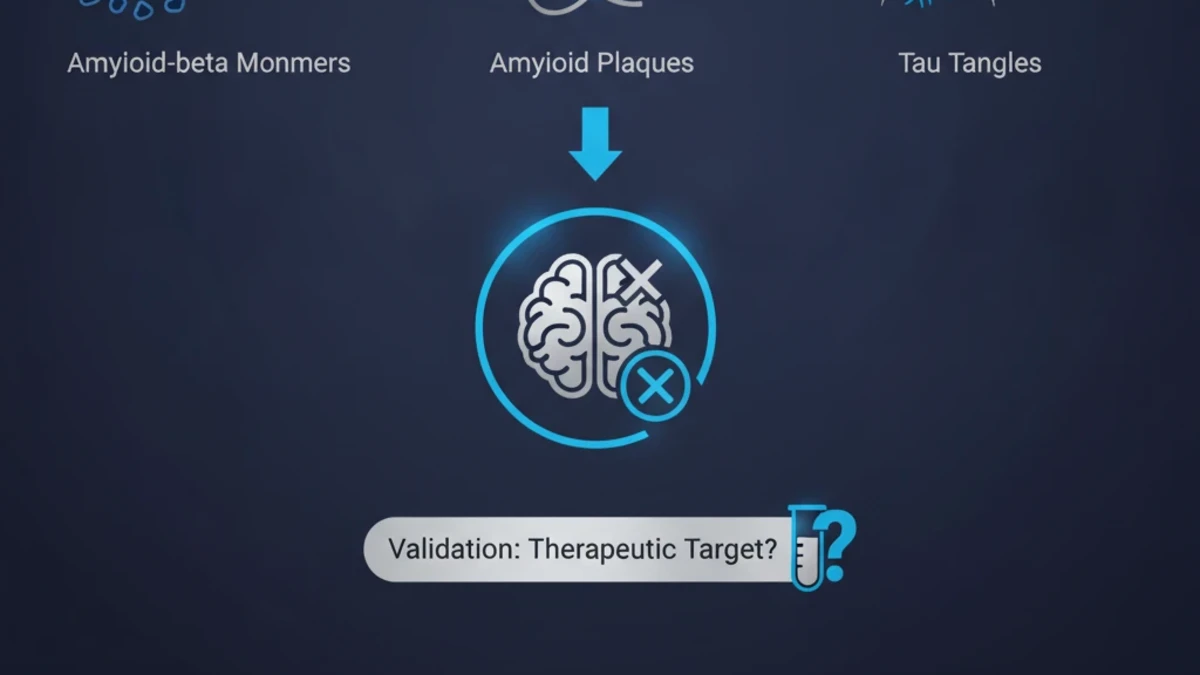
After two decades of high-profile failures, lecanemab and donanemab have produced the first positive phase 3 trials in Alzheimer's disease. We examine the CLARITY-AD and TRAILBLAZER-ALZ 2 data, the clinical meaningfulness debate, and what the approvals actually mean at the bedside.
Sophie Ward & Tom Reeves

ARIA (amyloid-related imaging abnormalities) affects up to 24% of patients on anti-amyloid therapy. APOE4 genotyping, MRI monitoring protocols, severity-graded management, and the anticoagulation dilemma: a practical guide to navigating the risk.
Sophie Ward & Tom Reeves

Amyloid clearance is only one part of the Alzheimer's story. Why tau remains the closer correlate of cognitive decline, what the TREM2 biology tells us about microglia, what the GLP-1 signal means, and how platform trials are moving toward multi-target combination therapy.
Tom Reeves & Sophie Ward

The Lancet Commission 2024 estimates 45% of dementia is preventable. SPRINT-MIND showed 19% MCI reduction from intensive blood pressure control. FINGER showed 25% better cognitive scores with multi-domain lifestyle intervention. ACHIEVE showed 48% slowing in high-risk patients with hearing aids. The evidence is here and we walk through it.
Tom Reeves & Sophie Ward
Series
CAR-T & the Future of Blood Cancer Debate Series

In 2012, a 6-year-old with relapsed ALL became the first child successfully treated with CAR-T cell therapy. That case launched a revolution. Sarah Mitchell and James Carter explain how chimeric antigen receptor T cells are engineered, why CD19 was the first target, and why CRS and ICANS are the price of their potency.
James Carter & Sarah Mitchell

Ciltacabtagene autoleucel achieved a 97% overall response rate and 67% complete response in triple-class refractory multiple myeloma - numbers not thought achievable a decade ago. CARTITUDE-4 has now moved it to the second line. Sarah Mitchell and James Carter cover the BCMA story, the new targets, and the resistance mechanisms driving the next generation.
James Carter & Sarah Mitchell

By the time CAR-T arrived in CLL, the disease had already been transformed by BTK inhibitors and venetoclax. TRANSCEND CLL 004 showed 18% CR in BTKi/venetoclax-refractory disease. Sarah Mitchell and James Carter explore why CLL is harder for CAR-T, where it still has a role - especially in Richter's transformation - and why timing of T cell collection matters.
James Carter & Sarah Mitchell

The next phase of CAR-T addresses its biggest limitations: off-the-shelf allogeneic products, in vivo gene delivery, and bispecific antibodies that redirect T cells without any gene engineering. Sarah Mitchell and James Carter explore where the technology is going - and what blood cancer management looks like by 2030.
James Carter & Sarah Mitchell
Series
Heart Failure Deep Dive Series

Four drug classes (ARNi, beta-blocker, MRA, SGLT2 inhibitor) have together produced a 73% reduction in cardiovascular death and hospitalisation versus placebo in HFrEF. Sarah Mitchell and James Carter unpack why each drug works, what the landmark trials showed, and why clinical inertia is still the biggest barrier to optimal care.
James Carter & Sarah Mitchell

Heart failure with preserved ejection fraction accounts for more than half of all HF diagnoses. For two decades every major drug trial failed. Then SGLT2 inhibitors changed everything - twice. Sarah Mitchell and James Carter explain why HFpEF was so hard, and what finally worked.
Sarah Mitchell & James Carter
More than 80% of HFpEF patients are overweight or obese. STEP-HFpEF showed semaglutide 2.4mg improved symptoms by 16 points on the KCCQ and reduced weight by 13.3% - now a Class IIa ESC recommendation. Sarah Mitchell and James Carter explore why treating the metabolic environment is the new paradigm for HFpEF.
Sarah Mitchell & James Carter
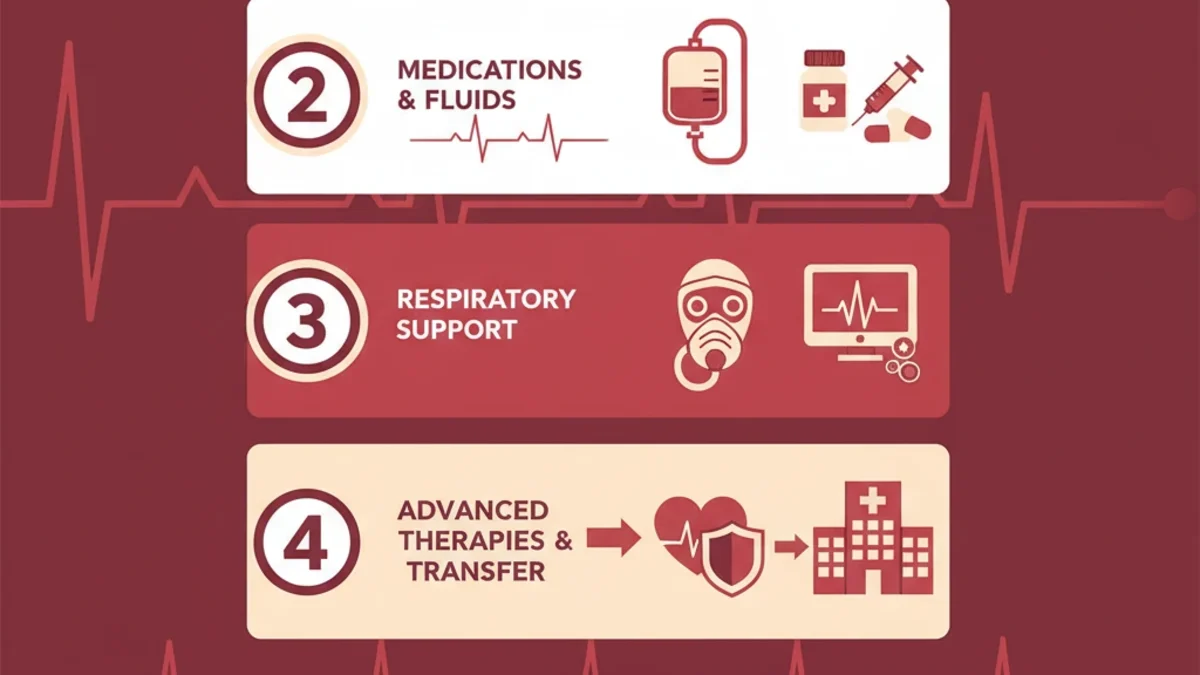
Acute decompensated heart failure drives over one million hospital admissions annually. 30-day readmission rates are 25%. When the heart cannot compensate, the tools change entirely - IV diuretics, inotropes, mechanical circulatory support. Sarah Mitchell and James Carter cover ADHF management, cardiogenic shock, and how to prevent the revolving door.
Sarah Mitchell & James Carter
Series
Biologic Wars: Rheumatology Debate Series

ORAL Surveillance showed tofacitinib carried higher cardiovascular and malignancy risk than anti-TNF in high-risk RA patients - triggering a class-wide boxed warning. But was the signal overgeneralised? Sarah Mitchell and James Carter unpack the data, the controversy, and how to make the JAKi-vs-biologic decision in 2026.
Sarah Mitchell & James Carter

Treat-to-target transformed RA outcomes - not through new drugs but through rigorous measurement and escalation discipline. Sarah Mitchell and James Carter cover the evidence base, the disease activity tools, the window of opportunity in early RA, and when tapering biologics in sustained remission is safe.
James Carter & Sarah Mitchell

PsA is not RA with skin, and axSpA is not RA in the spine. The biologic hierarchy shifts significantly across the spondyloarthropathy spectrum - IL-17 and IL-23 inhibitors dominate, anti-TNF has uveitis caveats, and IBD comorbidity changes everything. Sarah Mitchell and James Carter explain how EULAR 2026 data shapes the choices.
James Carter & Sarah Mitchell

Humira (adalimumab) biosimilar alternatives have cut NHS spend by over 50% while expanding treatment access. Evidence from NOR-SWITCH confirms switching is safe, yet resistance persists, driven by the nocebo effect and physician inertia.
Sarah Mitchell & James Carter
Series
ADC Deep Dive Series

EGFR, ALK, ROS1, KRAS: lung cancer has more targetable mutations than any other solid tumour. Sarah Mitchell and James Carter unpack how genomic profiling transformed NSCLC from a single disease into a collection of precision targets, and what each mutation means for treatment choice.
Sarah Mitchell & James Carter

PD-L1 expression is the gatekeeper to first-line immunotherapy in NSCLC, but the biology of why some tumours respond and others do not remains one of oncology's central questions. Sarah Mitchell and James Carter examine the landmark trials that established checkpoint inhibitors as standard of care.
Sarah Mitchell & James Carter

Antibody-drug conjugates have redefined what targeted therapy means in lung cancer. Trastuzumab deruxtecan in HER2-mutant NSCLC and datopotamab deruxtecan in TROP2-expressing disease are producing responses that older chemotherapy could not approach. Sarah Mitchell and James Carter cover the ADC revolution.
Sarah Mitchell & James Carter

Resistance to EGFR inhibitors is almost inevitable, but the mechanisms are predictable and increasingly targetable. From T790M acquired resistance to osimertinib, through FLAURA2 combination strategies, Sarah Mitchell and James Carter explain how the field is staying one step ahead of lung cancer.
James Carter & Sarah Mitchell
Series
GLP-1 Deep Dive Series

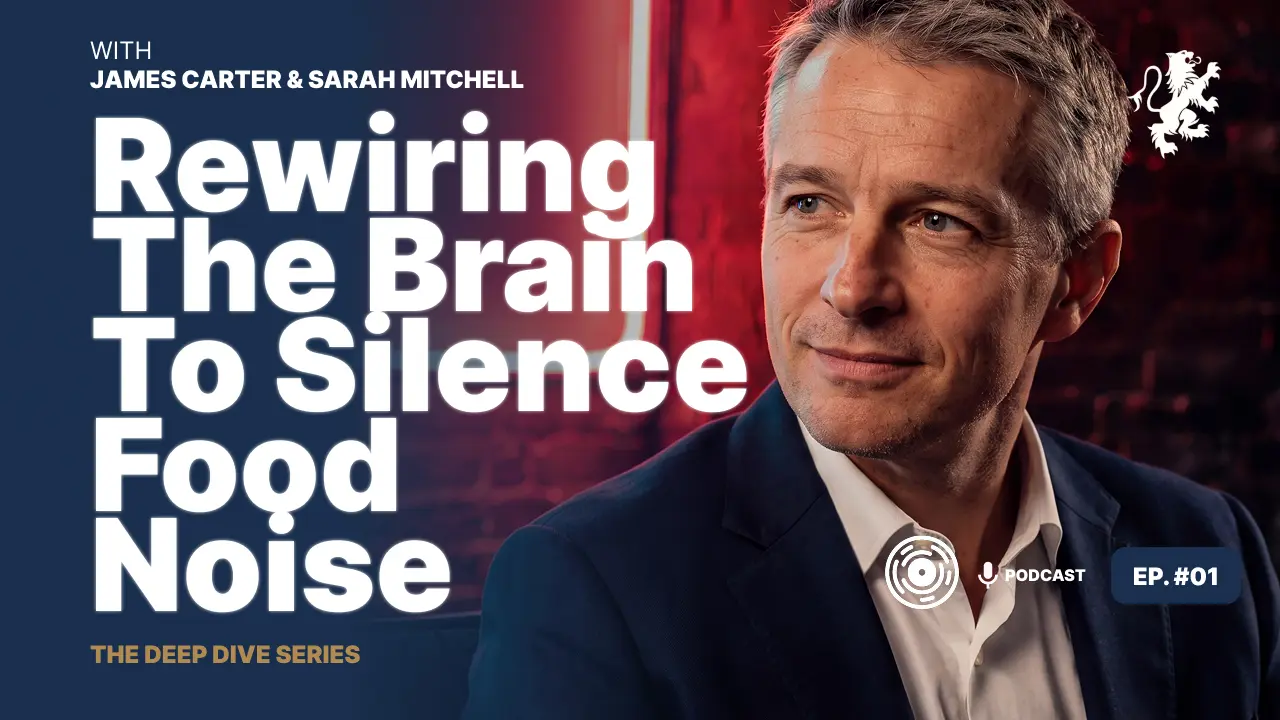

GLP-1 receptor agonists do far more than lower blood glucose: they reshape the brain's reward response to food, suppress appetite at the hypothalamic level, and slow gastric emptying. Sarah Mitchell and James Carter explain the neuroscience behind the most transformative class of drugs in a generation.
James Carter & Sarah Mitchell


SELECT, LEADER, SUSTAIN-6, STEP-HFpEF: GLP-1 receptor agonists have accumulated cardiovascular and renal outcomes data that most drug classes can only aspire to. Sarah Mitchell and James Carter examine why these drugs are now being prescribed by cardiologists and nephrologists as well as endocrinologists.
James Carter & Sarah Mitchell


Semaglutide and tirzepatide produce results that obesity medicine has never seen before, but demand vastly outstrips supply, cost remains prohibitive for many, and prescribing criteria vary widely between health systems. Sarah Mitchell and James Carter examine who is getting GLP-1 therapy and why equity matters.
James Carter & Sarah Mitchell


GLP-1 receptor agonists drive significant lean mass loss alongside fat loss, a concern that may undermine long-term metabolic health and physical function. Sarah Mitchell and Matt Aldrich examine the muscle loss evidence, the role of resistance training, and emerging strategies to preserve lean tissue during weight loss.
Sarah Mitchell & Matt Aldrich
Series
Psoriasis Deep Dive Series

Deucravacitinib (the first approved TYK2 inhibitor) offers a new oral option for moderate-to-severe psoriasis without the cardiovascular safety concerns attached to pan-JAK inhibitors. Sarah Mitchell and James Carter examine how the oral therapy landscape is evolving and what it means for patients who refuse injections.
James Carter & Sarah Mitchell

Monitoring for methotrexate-related liver toxicity dominated psoriasis practice for decades, but now the PIIINP blood test has replaced routine liver biopsies in most guidelines. Sarah Mitchell and James Carter walk through the current monitoring framework for systemic and biologic therapies in psoriasis.
James Carter & Sarah Mitchell

Up to half of psoriasis patients discontinue their treatment within a year. The reasons are complex: side effect fear, injection fatigue, visible improvement masking ongoing disease. The solutions require as much psychology as pharmacology. Sarah Mitchell and James Carter examine the adherence crisis and what works.
Sarah Mitchell & James Carter

The NOR-SWITCH trial established that switching from reference infliximab to a biosimilar is safe. Multiple subsequent studies have confirmed this across adalimumab and other biologics. Sarah Mitchell and James Carter examine the switching evidence, the nocebo effect, and how the biosimilar dividend is reshaping access to care.
Sarah Mitchell & James Carter


