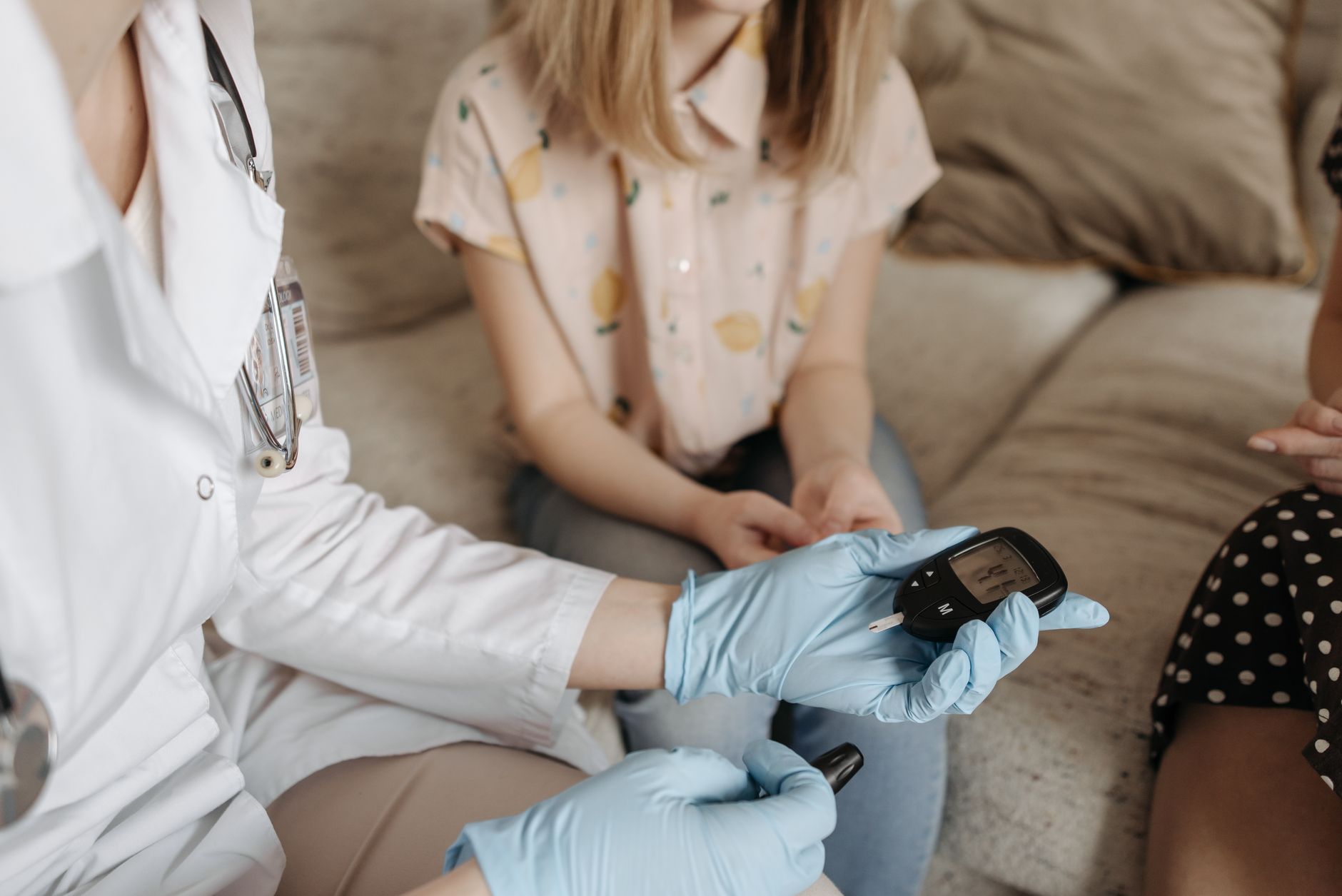

The fear of nocturnal hypoglycaemia looms large for many patients with diabetes, particularly those on insulin or sulfonylureas. This silent threat can lead to severe events, impair quality of life, and contribute to poor glycaemic control due to defensive hyperglycaemia. Clinicians have long sought tools to mitigate this risk, moving beyond reactive measures to proactive intervention.
Predictive continuous glucose monitoring (CGM) technology represents a significant evolution in this effort, offering real-time glucose data and, importantly, advance warning of impending hypoglycaemic episodes. This capability transforms the management paradigm from detection to prevention, potentially alleviating a major source of patient anxiety and improving overall safety.
Nocturnal hypoglycaemia remains a persistent and dangerous challenge in diabetes management, especially for individuals relying on insulin or insulin secretagogues. These episodes often go undetected, as patients are asleep, leading to prolonged low glucose levels that can result in seizures, coma, and, in rare cases, death. The clinical consequences extend beyond acute events; repeated nocturnal hypoglycaemia can impair cognitive function, disrupt sleep patterns, and foster a pervasive fear of hypoglycaemia (FoH) that drives patients to maintain higher-than-optimal glucose levels, compromising long-term glycaemic control. The unmet need for effective, proactive strategies to prevent these events is substantial, impacting both patient safety and quality of life.
Traditional approaches to managing nocturnal hypoglycaemia have largely been reactive. Patients or caregivers might check blood glucose levels before bed, during the night, or upon waking, but these spot checks provide only a snapshot and cannot predict future trends. Conventional CGM systems offer continuous data, which is a step forward, but often alert only when hypoglycaemia is already occurring or imminent. The critical gap has been the ability to provide sufficient warning to allow for intervention before glucose levels drop dangerously low. This is where predictive CGM technology distinguishes itself, by employing algorithms that forecast glucose trends and alert users to potential hypoglycaemia minutes in advance.
How Predictive CGM Works
Predictive CGM systems leverage sophisticated algorithms to analyse current glucose readings, glucose trend data, and rates of change to project future glucose levels. These algorithms are designed to identify patterns indicative of a rapid decline in glucose or a trajectory towards hypoglycaemia. When the system predicts that glucose levels will fall below a user-defined threshold within a specified timeframe (e.g., 15 to 30 minutes), it issues an alert. This foresight provides a vital window for intervention, allowing patients to consume carbohydrates or adjust insulin doses before a severe hypoglycaemic event occurs.
The technology typically involves a small sensor inserted under the skin, which measures interstitial glucose levels every few minutes. This sensor transmits data wirelessly to a receiver, smartphone, or insulin pump. The accompanying software processes this data, applies its predictive analytics, and generates alerts. These alerts can be visual, auditory, or vibratory, designed to wake a sleeping patient or alert a caregiver. The ability to customise glucose thresholds and alert timing is a key feature, allowing for individualised management based on patient risk factors, lifestyle, and treatment regimen. This level of personalisation is essential, as the dynamics of glucose metabolism vary significantly among individuals.
The underlying mechanism of action for these predictive algorithms often involves machine learning models trained on vast datasets of glucose readings, insulin doses, meal timings, and physical activity. These models learn to recognise subtle precursors to hypoglycaemia that might be missed by simpler trend analysis. The accuracy of these predictions is paramount, as false alarms can lead to alarm fatigue and reduced adherence, while missed predictions can have serious consequences. Continuous refinement of these algorithms is an ongoing process, with manufacturers striving to balance sensitivity and specificity to maximise clinical utility. For clinicians managing patients with complex diabetes, understanding these technological nuances is becoming as important as knowing the pharmacology of insulin, as highlighted in discussions around the human touch in diabetes care beyond technology.
The integration of predictive CGM with automated insulin delivery (AID) systems, often referred to as hybrid closed-loop systems, represents the pinnacle of this technology. In these systems, the predictive CGM not only alerts the user but also communicates directly with an insulin pump, automatically adjusting insulin delivery to prevent hypoglycaemia or correct hyperglycaemia. This closed-loop functionality significantly reduces the burden of self-management, particularly overnight, by automating many of the decisions that previously required constant vigilance from the patient. Such systems are particularly beneficial for paediatric patients and those with impaired hypoglycaemia awareness, offering an enhanced layer of safety and control.
Clinical Impact on Nocturnal Hypoglycaemia
The primary clinical benefit of predictive CGM is its potential to significantly reduce the incidence and duration of nocturnal hypoglycaemia. By providing early warnings, patients can take corrective action, such as consuming a small amount of carbohydrate, before glucose levels drop to dangerous lows. This proactive approach contrasts sharply with traditional methods, which often only identify hypoglycaemia after it has already occurred, requiring more aggressive and sometimes delayed intervention. The reduction in hypoglycaemic events translates directly into improved patient safety and a decrease in emergency department visits or hospitalisations related to severe hypoglycaemia.
Beyond the direct prevention of hypoglycaemia, predictive CGM has a profound impact on the psychological burden associated with diabetes. The constant worry about nocturnal hypoglycaemia can severely affect sleep quality for both patients and their families, leading to chronic fatigue, anxiety, and a diminished quality of life. The reassurance provided by a system that actively monitors and predicts glucose trends allows patients to sleep more soundly, knowing they will be alerted if a problem arises. This improvement in sleep and reduction in anxiety can lead to better overall well-being and a greater willingness to pursue optimal glycaemic targets without the fear of severe hypoglycaemia.
The data generated by predictive CGM systems also offers invaluable insights for clinicians. The continuous glucose profiles, including trends and event logs, provide a comprehensive picture of a patient's glycaemic patterns, allowing for more informed adjustments to insulin regimens, meal plans, and physical activity recommendations. This granular data helps identify specific times or situations when hypoglycaemia is most likely to occur, enabling targeted interventions. For instance, if a patient consistently experiences nocturnal lows after evening exercise, the clinician can advise on pre-bedtime carbohydrate intake or insulin dose reduction. This data-driven approach moves beyond anecdotal patient reports to evidence-based adjustments, enhancing the precision of diabetes management. The Omnipod 5 system, for example, has shown improvements in CGM metrics and reductions in hypoglycaemia, highlighting the potential of integrated systems.
The adoption of predictive CGM technology also has implications for patient education and self-efficacy. Patients become more engaged in their own care when they have access to real-time data and can see the immediate impact of their actions on glucose levels. This feedback loop empowers them to make better daily decisions and fosters a deeper understanding of their diabetes. While the technology is advanced, the principles of diabetes education remain important, ensuring patients understand how to interpret alerts and respond appropriately. This blend of technology and education is essential for maximising the benefits of predictive CGM in real-world settings. Clinicians often find that a comprehensive Oxford Handbook of Endocrinology and Diabetes can be an invaluable resource for navigating these complex management strategies.
Challenges and Considerations for Implementation
Despite the clear advantages, the widespread implementation of predictive CGM technology faces several challenges. Cost remains a significant barrier for many patients and healthcare systems. While the long-term benefits of preventing severe hypoglycaemia and improving quality of life may outweigh the initial investment, upfront costs can be prohibitive. Reimbursement policies vary widely by region and insurer, creating disparities in access. Advocacy efforts are ongoing to ensure that these life-changing technologies are accessible to all patients who could benefit from them, recognising their role in reducing overall healthcare expenditures by preventing costly complications.
Another consideration is the potential for alarm fatigue. While predictive alerts are designed to be timely and actionable, an excessive number of alarms, particularly false alarms, can lead to patients ignoring them or even disabling the system. This highlights the importance of accurate algorithms and careful calibration of alert thresholds to minimise unnecessary interruptions. Clinicians must work with patients to find the right balance, ensuring alerts are frequent enough to be effective but not so frequent as to be disruptive. Patient education on how to interpret and respond to different types of alerts is also vital to prevent misuse or disengagement.
The learning curve for both patients and healthcare providers is also a factor. While modern CGM systems are designed to be user-friendly, understanding the nuances of data interpretation, sensor insertion, and troubleshooting requires training. Healthcare professionals need to be proficient in integrating CGM data into their clinical decision-making and educating patients on its effective use. This requires ongoing professional development and dedicated time for patient instruction, which can strain already stretched clinical resources. The digital literacy of patients also plays a role, as some may find the technology intimidating or difficult to manage.
Data privacy and security are also critical concerns. CGM systems collect sensitive health information, and ensuring the secure transmission and storage of this data is paramount. Patients need to be confident that their personal health information is protected from breaches and misuse. Manufacturers and healthcare providers must adhere to stringent data protection regulations and implement robust cybersecurity measures. As these technologies become more integrated into daily life, addressing these privacy concerns will be essential for building trust and encouraging broader adoption. The benefits of these systems are clear, but the practicalities of implementation require careful consideration and ongoing support.
The Future of Nocturnal Hypoglycaemia Management
The trajectory of predictive CGM technology points towards even greater integration and autonomy. The evolution of hybrid closed-loop systems into fully automated closed-loop systems, where insulin delivery is managed almost entirely by the algorithm with minimal user input, is a key area of development. These advanced systems aim to further reduce the mental burden of diabetes management, allowing patients to live more freely without constant vigilance over their glucose levels. Such systems will likely incorporate more physiological inputs, such as heart rate or activity levels, to enhance predictive accuracy and responsiveness.
Beyond automation, future developments may include the integration of predictive CGM data with other health technologies and digital platforms. Imagine a system that not only predicts hypoglycaemia but also communicates with smart home devices to adjust environmental factors, or with telehealth platforms to alert healthcare providers to persistent issues. This interconnectedness could create a more holistic and responsive diabetes management ecosystem. The potential for artificial intelligence and machine learning to continually refine predictive algorithms, making them even more accurate and personalised, is immense. This ongoing innovation promises to make nocturnal hypoglycaemia a far less common and less feared complication of diabetes.
The open-label nature of many real-world CGM studies is an obvious caveat when assessing the full impact, as patient awareness of monitoring can influence behaviour. The trials were not powered to detect differences in specific, rare nocturnal events, and that gap matters for understanding the full spectrum of benefit. Predictive CGM was tested primarily in patients with type 1 diabetes on intensive insulin regimens; whether benefits extend to broader groups, such as those with type 2 diabetes on less intensive therapies, remains unclear and warrants further investigation. The next generation of trials needs to focus on these broader populations and hard clinical endpoints beyond glucose metrics to fully establish the long-term impact on patient outcomes and healthcare resource utilisation.
Predictive CGM technology is not merely an incremental improvement; it fundamentally shifts the management of nocturnal hypoglycaemia from reactive to proactive. For clinicians, this means moving beyond simply reviewing past glucose logs to actively preventing future events. It demands a new level of engagement with technology, understanding how these algorithms work, and how to best integrate them into individualised patient care plans.
The reduction in nocturnal hypoglycaemia anxiety is a profound benefit for patients, often overlooked in discussions focused solely on HbA1c. Allowing patients and their families to sleep soundly, free from the constant dread of an overnight low, can significantly improve their overall quality of life and adherence to therapy. This psychological relief is a powerful driver for better long-term outcomes, as patients are more likely to pursue optimal glycaemic targets without fear.
But the technology is not a panacea. The cost remains a significant barrier, and the potential for alarm fatigue is real. Industry must continue to refine algorithms to minimise false positives and ensure that these systems are accessible and affordable. For healthcare systems, the challenge lies in providing adequate training and support for both clinicians and patients to maximise the utility of these sophisticated tools, ensuring that the promise of predictive technology translates into tangible, equitable benefits for all.
- The Pivot Predictive CGM systems offer real-time alerts for impending nocturnal hypoglycaemia, enabling proactive intervention rather than reactive treatment.
- The Data While specific trial numbers are not available for this general topic, the mechanism of predictive alerts allows for a reduction in time spent in hypoglycaemia and improved sleep quality.
- The Action Clinicians should consider integrating predictive CGM into the management plans for patients at high risk of nocturnal hypoglycaemia, particularly those on intensive insulin regimens.
ART-2026-1814
·09/26
Drafted with AI assistance, reviewed and approved by the editorial team. This publication is intended for healthcare professionals, researchers, and life science industry professionals. Content is provided for informational and educational purposes only and does not constitute medical advice.

I write about AI in healthcare: the validation studies, the deployment failures, and the regulatory questions without answers yet. Based in San Francisco, close to where the technology is built.
Cite This Article
Chen L, Voss M. Predictive CGM: stop chasing nocturnal lows, prevent them. The Life Science Feed. Published September 25, 2026. Updated September 25, 2026. Accessed September 25, 2026. https://thelifesciencefeed.com/endocrinology/diabetes-mellitus-type-2/innovation/predictive-cgm-stop-chasing-nocturnal-lows-prevent-them.
Editorial & AI Standards
All content is researched from peer-reviewed, open-access sources: published trial data, clinical guidelines, and regulatory filings. AI tools are used solely to structure and summarise that evidence; no AI-generated conclusions appear without editor verification against the primary source.
Every article is reviewed by a named editor before publication. Source citations are listed in the References section. This content does not represent the views of any pharmaceutical company, medical device manufacturer, or healthcare provider.
Licence & Rights
© 2026 The Life Science Feed. All rights reserved. Unless otherwise indicated, all content is the property of The Life Science Feed and may not be reproduced, distributed, or transmitted in any form or by any means without prior written permission.
Medical Disclaimer
The information provided on The Life Science Feed is for educational and informational purposes only. It is not intended as a substitute for professional medical advice, diagnosis, or treatment. Always seek the advice of your physician or other qualified healthcare provider regarding any medical condition or treatment decision. Never disregard professional medical advice or delay in seeking it because of something you have read on this website.
References
1. Li W, Huang E, Gao S. Type 1 Diabetes Mellitus and Cognitive Impairments: A Systematic Review. J Alzheimers Dis. 2017;57(1):29-36. doi:10.3233/JAD-161250
2. Lu X, Zhao C. Exercise and Type 1 Diabetes. Adv Exp Med Biol. 2020;1228:107-121. doi:10.1007/978-981-15-1792-1_7
3. Durá-Travé T, Gallinas-Victoriano F. Type 1 Diabetes Mellitus and Vitamin D. Int J Mol Sci. 2025;26(10). doi:10.3390/ijms26104593
4. Syed FZ. Type 1 Diabetes Mellitus. Ann Intern Med. 2022;175(3):ITC33-ITC48. doi:10.7326/AITC202203150
5. Henríquez-Tejo R, Cartes-Velásquez R. [Psychosocial impact of type 1 diabetes mellitus in children, adolescents and their families. Literature review]. Rev Chil Pediatr. 2018;89(3):391-398. doi:10.4067/S0370-41062018005000507
6. Ebrahimpour Y, Khatami S, Saffar M, et al. A Comprehensive Review of Novel Advances in Type 1 Diabetes Mellitus. J Diabetes. 2025;17(8):e70120. doi:10.1111/1753-0407.70120