
Mammals, including humans, lack the lifelong dental replacement seen in many other vertebrates, leaving a significant gap in understanding the cellular mechanisms driving whole-tooth regeneration. Unpacking the precise cellular populations and signaling pathways involved in rapid tooth replacement could inform future regenerative strategies. A study published in eLife used cichlid fishes to map these complex interactions, offering a comparative foundation for dental regeneration in vertebrates.1
Teeth are ectodermal organs, and their capacity for full regeneration and replacement has persisted throughout evolutionary history in many species, even into adulthood. But because most mammals, such as humans and mice, do not possess lifelong dental replacement, the specific tempo and mode of this process remain poorly understood. A clear picture of the cell populations and signals contributing to this regenerative capacity has been elusive.1
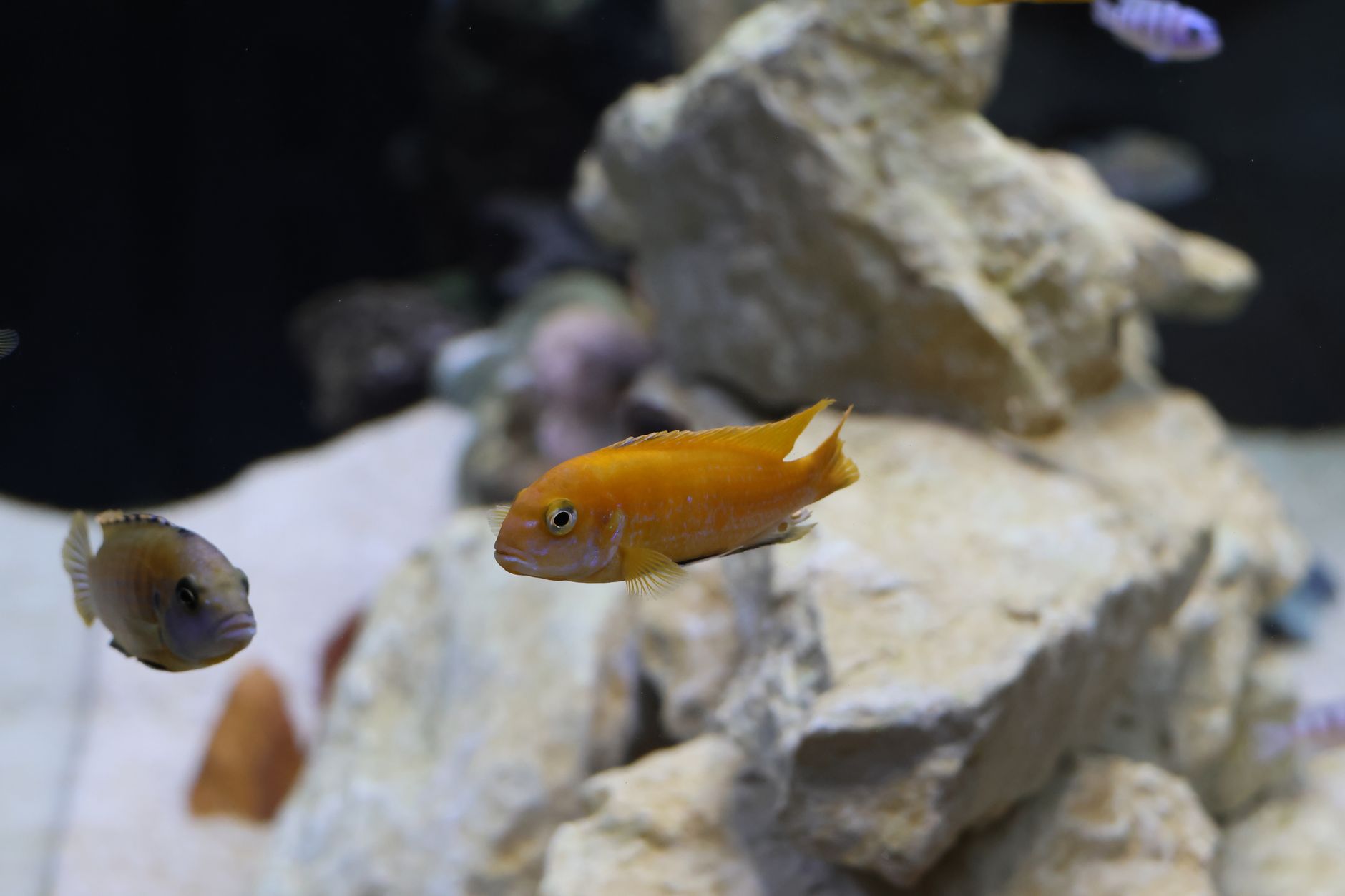
Mubeen and colleagues used cichlid fishes from Lake Malawi, a species group known for differing in tooth shape and number but consistently exhibiting one-for-one tooth replacement.1 The investigators first explored the tempo of dental replacement after plucking, then identified the cell populations, gene expression signatures, and interactions between these populations that changed in response to this plucking paradigm.1 This approach allowed for a detailed examination of the cellular and molecular dynamics underlying rapid tooth regeneration.1
The Cichlid Model for Rapid Regeneration
The cichlid species, despite their divergent dentitions, accelerated tooth replacement by more than three-fold on the plucked half of the jaw.1 This rapid response provided a robust model for investigating the cellular basis of accelerated whole-tooth regeneration.1 The researchers then employed single-nucleus RNA-sequencing (snRNA-seq) to profile cellular and molecular changes across the first week of post-plucking tooth replacement.1 This technique allowed them to infer cellular trajectories within both the dental epithelium and mesenchyme, which are essential tissues for tooth construction.1
The snRNA-seq analysis identified distinct gene expression profiles and cellular interactions across four specific time points during accelerated tooth replacement.1 These profiles showed divergent involvement of epithelial, mesenchymal, and immune cell types, highlighting the complex relationship required for regeneration.1 Differential signaling of several key pathways, including Collagen, BMP, MMP, Semaphorin, and Slit-Robo, was evident after plucking.1 These pathways illuminated temporally sequenced roles for immune response, odontogenesis, vascularization, and nerve pathfinding as new teeth developed.1
Unpacking the Cellular Trajectories
The dental epithelium and mesenchyme exhibited specific cellular trajectories that underpinned the regenerative process.1 Epithelial cells, which form the outer layer of the tooth and contribute to enamel formation, showed dynamic changes in gene expression.1 These changes indicated active proliferation and differentiation, essential steps for forming new tooth buds.1 The mesenchymal cells, responsible for dentin and pulp formation, also displayed distinct molecular signatures.1 These signatures pointed to their role in orchestrating the structural components of the regenerating tooth.1
Immune cells also played a significant, albeit temporally regulated, role in the accelerated regeneration.1 Their involvement early in the process likely cleared debris and modulated the inflammatory environment, setting the stage for subsequent tissue repair and growth.1 The precise timing of immune cell activity, followed by the coordinated actions of epithelial and mesenchymal cells, suggests a tightly regulated regenerative cascade.1 This sequence is vital for ensuring proper tooth development and integration.1
Signaling Pathways and Their Orchestration
The study identified several critical signaling pathways that were differentially activated during accelerated tooth replacement.1 Collagen pathways, for instance, are fundamental for extracellular matrix remodeling and structural integrity, essential as new tooth tissues are laid down.1 BMP (Bone Morphogenetic Protein) signaling is well-known for its role in odontogenesis and bone formation, driving the differentiation of cells into odontoblasts.1 MMP (Matrix Metalloproteinase) pathways facilitate tissue remodeling and degradation of the extracellular matrix, allowing for cell migration and tissue reorganization during development.1
Semaphorin and Slit-Robo pathways, typically associated with axon guidance and neuronal development, also showed differential signaling.1 This finding highlights their involvement in nerve pathfinding, ensuring the regenerating tooth is properly innervated.1 The coordinated activation of these diverse pathways demonstrates the complexity of whole-tooth regeneration, requiring precise temporal and spatial regulation of multiple biological processes.1 Understanding these pathways could provide targets for therapeutic interventions.1 For a broader understanding of how genetic factors influence development, clinicians might consult resources like the Oxford Handbook of Genetics.
Implications for Mammalian Dental Regeneration
This study provides a comparative foundation for understanding dental regeneration in vertebrates, particularly for species that lack lifelong tooth replacement.1 The detailed cellular and molecular maps generated from the cichlid model offer insights into the fundamental processes that could potentially be reactivated or mimicked in mammals.1 While humans do not regenerate teeth, identifying the core mechanisms in a highly regenerative species offers a blueprint.1 The insights could guide research into inducing regeneration of permanent teeth or even repairing dental structures.1
The specific roles of immune response, odontogenesis, vascularization, and nerve pathfinding identified in cichlids are likely conserved, at least in part, across vertebrates.1 This conservation suggests that targeting these pathways in mammals might unlock dormant regenerative capacities.1 The challenge lies in translating these findings from a fish model, which naturally replaces teeth, to a mammalian system where this capacity is largely lost.1 But the detailed understanding of cellular interactions and gene expression provides a starting point.1 This work builds on previous efforts to understand dental trauma, such as the critical first hour for salvaging an avulsed permanent tooth, by exploring the underlying biological machinery of regeneration itself.
The study was not designed to test interventions in mammals, nor did it directly address human dental conditions.1 Its strength lies in its foundational biological discovery, providing a granular view of a complex regenerative process.1 The snRNA-seq approach, while powerful, captures snapshots rather than continuous real-time dynamics, which means inferring precise causal relationships requires further experimental validation.1 Still, the comprehensive dataset offers a rich resource for future investigations into dental development and regeneration.1
The study provides insight into the trajectory of cellular interactions accompanying whole-tooth replacement and offers a comparative foundation for understanding dental regeneration in vertebrates.Mubeen T, He H, Gruenhagen GW
Future research will need to explore how these identified pathways and cell types interact in a mammalian context, perhaps using genetic manipulation or targeted molecular therapies. The ultimate goal would be to stimulate endogenous regenerative processes in human dental tissues. This work sets the stage for such translational efforts, moving beyond simple repair to true regeneration. The next step involves identifying the specific triggers that initiate and sustain this accelerated regeneration in cichlids and determining if similar triggers exist, even if dormant, in mammalian systems.1
The detailed cellular and molecular map of accelerated tooth regeneration in cichlid fish offers a fascinating, if distant, glimpse into potential future dental therapies. Clinicians currently manage tooth loss with prosthetics or implants, but the dream of true biological regeneration remains. This research provides a foundational understanding of the complex choreography of epithelial, mesenchymal, and immune cells required for building a new tooth from scratch.
The identification of specific signaling pathways like Collagen, BMP, MMP, Semaphorin, and Slit-Robo is particularly compelling. These are not obscure pathways; many have known roles in mammalian development and tissue repair. The challenge lies in understanding how to orchestrate their precise temporal activation in a non-regenerative mammalian system without inducing uncontrolled growth or malformation.
For now, this remains basic science, far removed from the dental chair. But it provides a robust comparative model. The next generation of dental research will undoubtedly leverage such insights to explore whether dormant regenerative capacities can be awakened in human dental pulp or periodontal tissues, moving beyond current restorative limitations. It is a long road from cichlid jaws to human molars, but the cellular blueprint is now clearer.
- The Pivot Cichlid fish accelerate tooth replacement by more than three-fold following plucking, providing a model to study rapid whole-tooth regeneration.
- The Data Single-nucleus RNA-seq identified distinct gene expression profiles and cellular interactions across four time points during accelerated replacement.
- The Action Understanding the temporally sequenced roles of immune response, odontogenesis, vascularization, and nerve pathfinding in cichlids may guide future mammalian dental research.
ART-2026-1842
·09/26
Drafted with AI assistance, reviewed and approved by the editorial team. This publication is intended for healthcare professionals, researchers, and life science industry professionals. Content is provided for informational and educational purposes only and does not constitute medical advice.

Digital health and patient experience are my beat: the apps, the wearables, the real-world evidence claims, and whether any of it changes outcomes. Sceptical by training and optimistic by instinct.
Cite This Article
Ward S, Voss M. Why don't humans regenerate teeth like cichlid fish?. The Life Science Feed. Published September 29, 2026. Updated September 29, 2026. Accessed September 29, 2026. https://thelifesciencefeed.com/dentistry/dental-caries/research/why-dont-humans-regenerate-teeth-like-cichlid-fish.
Editorial & AI Standards
All content is researched from peer-reviewed, open-access sources: published trial data, clinical guidelines, and regulatory filings. AI tools are used solely to structure and summarise that evidence; no AI-generated conclusions appear without editor verification against the primary source.
Every article is reviewed by a named editor before publication. Source citations are listed in the References section. This content does not represent the views of any pharmaceutical company, medical device manufacturer, or healthcare provider.
Licence & Rights
© 2026 The Life Science Feed. All rights reserved. Unless otherwise indicated, all content is the property of The Life Science Feed and may not be reproduced, distributed, or transmitted in any form or by any means without prior written permission.
Medical Disclaimer
The information provided on The Life Science Feed is for educational and informational purposes only. It is not intended as a substitute for professional medical advice, diagnosis, or treatment. Always seek the advice of your physician or other qualified healthcare provider regarding any medical condition or treatment decision. Never disregard professional medical advice or delay in seeking it because of something you have read on this website.
References
1. Mubeen T, He H, Gruenhagen GW. Cellular basis of accelerated whole-tooth regeneration. Elife. 2026;15:e42781859. doi:10.7554/eLife.42781859