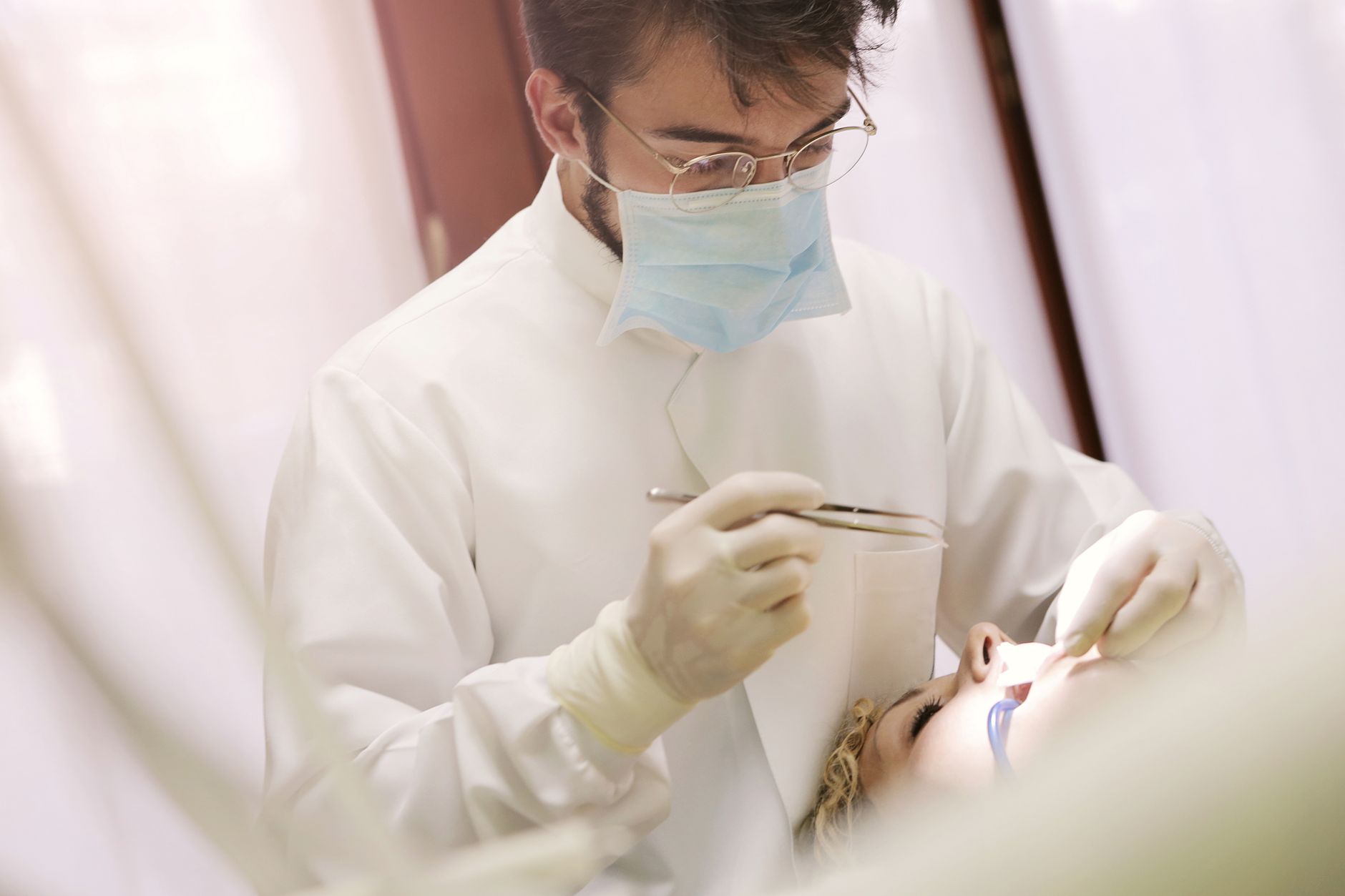
The promise of a straighter smile delivered to one's doorstep, often at a lower cost, has fueled the rise of direct-to-consumer (DTC) orthodontic companies. These services bypass traditional dental visits, relying on remote assessments and self-administered aligner systems. But this model, while appealing for its accessibility, introduces significant clinical risks, frequently presenting specialists with patients whose initial issues are compounded by inadequate oversight.
The fundamental tension lies between patient autonomy and the necessity of professional clinical judgment in managing complex biological processes. Orthodontic treatment is not merely an aesthetic endeavor; it involves intricate biomechanical forces acting on living tissues, with potential ramifications for occlusal function, temporomandibular joint health, and periodontal integrity.
Orthodontic treatment, at its core, involves the controlled application of forces to teeth to induce bone remodeling and tooth movement. This process is highly individualised, influenced by factors such as bone density, periodontal health, existing restorations, and patient compliance. Traditional orthodontic care begins with a thorough clinical examination, including radiographs, intraoral and extraoral photographs, and dental impressions or scans. This diagnostic phase allows the orthodontist to identify underlying skeletal discrepancies, root morphology anomalies, active periodontal disease, or temporomandibular joint dysfunction, all of which can contraindicate or significantly alter treatment planning.
Direct-to-consumer models typically streamline this initial assessment, often relying on patient-submitted photographs and self-taken impressions. Some companies employ teledentistry platforms for virtual consultations, but these often lack the diagnostic depth of an in-person examination. The absence of current radiographs, for instance, means that existing pathology like active caries, periapical lesions, or undetected root resorption may go unaddressed, potentially worsening during orthodontic tooth movement. A comprehensive understanding of the patient's overall oral health status is paramount before initiating any tooth movement, a principle often compromised in remote-only models.
The Mechanics of Misalignment
Orthodontic tooth movement is a delicate balance. Forces must be light, continuous, and precisely directed to achieve predictable results without causing iatrogenic damage. When forces are too heavy, uncontrolled, or applied to teeth with compromised periodontal support, irreversible damage can occur. This includes root resorption, loss of alveolar bone, and gingival recession. The design of clear aligners, a common modality in DTC orthodontics, requires precise planning to ensure forces are distributed correctly across the dentition.
But the efficacy of aligner therapy hinges on accurate initial records and meticulous treatment staging. Each aligner tray is designed to move teeth incrementally. If the initial impression is inaccurate, or if the patient's teeth do not track as predicted, subsequent aligners may not fit correctly, leading to unintended tooth movements or a lack of movement altogether. Without regular in-person checks by a qualified clinician, these tracking errors can accumulate, resulting in significant discrepancies between the planned and actual tooth positions. Patients, often unaware of these subtle but critical issues, continue wearing ill-fitting aligners, exacerbating the problem.
The Spectrum of Complications
Specialist orthodontic practices increasingly report seeing patients who initiated DTC treatment and subsequently developed complications. These range from minor aesthetic dissatisfactions to severe functional impairments. One common presentation is a worsened malocclusion, where the initial crowding or spacing issue is either unresolved or replaced by new, more complex problems. For example, posterior open bites, where the back teeth no longer meet, are a frequently reported complication, often due to uncontrolled extrusion of anterior teeth or intrusion of posterior teeth. This can lead to difficulties in chewing and speaking, and place undue stress on the temporomandibular joints.
Periodontal complications are also a significant concern. Orthodontic tooth movement in the presence of active periodontal disease can accelerate bone loss and lead to tooth mobility. Without a baseline periodontal assessment and ongoing monitoring, patients with undiagnosed or poorly managed gingivitis or periodontitis are at high risk. The aligners themselves, if not properly cleaned, can trap plaque and food debris against the teeth and gums, creating an environment conducive to bacterial proliferation and inflammation. Patients may also experience gingival recession, particularly if teeth are moved too far buccally or lingually, thinning the cortical bone plate.
The appeal of convenience often overshadows the inherent biological complexity of orthodontic treatment, leaving patients with problems far more intricate than their initial concerns. Sarah Gellar, Clinical Trials Editor
Root resorption, the shortening of tooth roots, is a known risk of all orthodontic treatment, but it is typically monitored closely with radiographs in traditional care. In DTC models, where radiographs are often absent or outdated, significant root resorption can occur undetected, potentially compromising the long-term stability and vitality of the affected teeth. This is particularly concerning for patients with pre-existing short roots or those with a history of trauma to their teeth. The irreversible nature of root resorption highlights the need for vigilant clinical oversight.
The Role of Clinical Oversight
The core issue with many DTC orthodontic services is the absence of consistent, in-person clinical oversight. An orthodontist's role extends beyond simply prescribing aligners; it involves continuous assessment of tooth movement, periodontal response, occlusal changes, and patient compliance. Adjustments to treatment plans are often necessary based on how an individual's biology responds to forces. This iterative process of assessment and modification is largely absent in remote models.
Patients may also present with issues that require interdisciplinary management, such as restorative needs, surgical extractions, or orthognathic surgery. A comprehensive initial examination by a general dentist or orthodontist can identify these needs early, allowing for a coordinated treatment approach. When patients bypass this initial assessment, these critical needs may be overlooked until complications arise, making subsequent treatment more challenging and costly. For instance, a patient with significant skeletal discrepancies might require surgical intervention to achieve a stable, functional occlusion, a solution that clear aligners alone cannot provide. Clinicians can find a concise guide to managing such complex cases in the Oxford Handbook of Clinical Medicine.
The Regulatory and Ethical Landscape
The regulatory framework for DTC orthodontics varies significantly across jurisdictions, creating a patchwork of oversight. In some regions, dental boards have issued warnings or taken action against companies operating without adequate professional supervision. But the rapid evolution of these services often outpaces regulatory responses. Ethical considerations also arise, particularly regarding informed consent. Patients must fully understand the risks and limitations of remote orthodontic care, including the potential for complications and the need for subsequent specialist intervention.
The financial implications for patients are also substantial. While DTC services often market themselves as more affordable, the cost of correcting complications can far exceed the initial savings. Patients may find themselves paying for two rounds of treatment: the initial, unsuccessful DTC attempt, and then the subsequent specialist intervention to rectify the damage. This financial burden, coupled with the emotional distress of prolonged and complicated treatment, can be significant. The question of who bears responsibility for these complications also remains a contentious issue, often leading to disputes between patients and DTC providers.
The lack of a direct patient-provider relationship, where a single clinician is accountable for the entire course of treatment, fragments care. This fragmentation makes it difficult to ensure continuity and comprehensive management, particularly when complications arise. The model relies heavily on patient self-monitoring and adherence to instructions, but without professional guidance, patients may misinterpret symptoms or fail to recognise early signs of trouble. This is a critical distinction from traditional orthodontic care, where regular appointments allow for timely intervention and adjustments. For example, managing acute respiratory failure requires constant, in-person monitoring, a principle that applies to any complex medical intervention.
The long-term stability of orthodontic results is another area of concern. Retention protocols are essential to prevent relapse after active treatment. These typically involve fixed retainers or removable retainers worn for an extended period, often indefinitely. DTC models may provide retainers, but without ongoing clinical assessment of their fit and efficacy, patients are at higher risk of relapse. The absence of regular follow-up appointments means that issues with retainer wear or fit may go unnoticed until significant tooth movement has occurred, necessitating further treatment.
The rise of DTC orthodontics highlights a broader challenge in healthcare: balancing accessibility and affordability with safety and quality. While technology offers new avenues for care delivery, it cannot replace the judgment and hands-on expertise of a trained clinician, especially in fields involving complex biological processes. The cases reaching specialists too late serve as a stark reminder of the potential pitfalls when this balance is not maintained. The need for comprehensive diagnostic work-up and continuous professional oversight remains non-negotiable for predictable and safe orthodontic outcomes.
The proliferation of direct-to-consumer orthodontic services presents a clear and present danger to patient oral health. Clinicians, particularly general practitioners, must be acutely aware of the risks and prepared to counsel patients against these unsupervised approaches. The allure of convenience and lower cost often blinds individuals to the irreversible damage that can occur when complex biomechanics are managed without professional oversight.
Specialists are increasingly burdened with rectifying severe malocclusions, periodontal damage, and root resorption that could have been prevented with proper initial assessment and ongoing monitoring. This not only increases the financial strain on patients but also consumes valuable specialist time that could be dedicated to primary care. The industry's marketing often downplays the inherent complexity of tooth movement, creating unrealistic expectations and fostering a false sense of security.
Regulatory bodies need to establish clearer guidelines and enforce stricter oversight for companies offering these services. Orthodontic treatment is a medical procedure, not a cosmetic product, and it demands the same rigorous standards of care as any other intervention affecting patient health. Until then, the onus falls on individual clinicians to educate their patients and advocate for evidence-based, professionally supervised care.
- The Pivot Direct-to-consumer orthodontic models often lack the comprehensive diagnostic and ongoing clinical supervision essential for safe and effective treatment.
- The Data Patients presenting to specialists after DTC treatment frequently exhibit worsened malocclusions, new periodontal disease, or irreversible dental damage.
- The Action Clinicians should educate patients on the inherent risks of unsupervised orthodontic care and advocate for comprehensive initial assessments and regular in-person monitoring.
ART-2026-1399
·10/26
Drafted with AI assistance, reviewed and approved by the editorial team. This publication is intended for healthcare professionals, researchers, and life science industry professionals. Content is provided for informational and educational purposes only and does not constitute medical advice.

I cover NHS policy, NICE guidance, and the gap between what the evidence says and what gets commissioned. I bring a health economics background to reporting on how health systems make decisions under uncertainty.
Cite This Article
Mistry D, Voss M. Direct-to-consumer orthodontics: when convenience becomes a clinical complication. The Life Science Feed. Published August 27, 2026. Updated October 5, 2026. Accessed October 11, 2026. https://thelifesciencefeed.com/dentistry/malocclusion/insights/direct-to-consumer-orthodontics-complications.
Editorial & AI Standards
All content is researched from peer-reviewed, open-access sources: published trial data, clinical guidelines, and regulatory filings. AI tools are used solely to structure and summarise that evidence; no AI-generated conclusions appear without editor verification against the primary source.
Every article is reviewed by a named editor before publication. Source citations are listed in the References section. This content does not represent the views of any pharmaceutical company, medical device manufacturer, or healthcare provider.
Licence & Rights
© 2026 The Life Science Feed. All rights reserved. Unless otherwise indicated, all content is the property of The Life Science Feed and may not be reproduced, distributed, or transmitted in any form or by any means without prior written permission.
Medical Disclaimer
The information provided on The Life Science Feed is for educational and informational purposes only. It is not intended as a substitute for professional medical advice, diagnosis, or treatment. Always seek the advice of your physician or other qualified healthcare provider regarding any medical condition or treatment decision. Never disregard professional medical advice or delay in seeking it because of something you have read on this website.
References
1. Alhammadi MS, Halboub E, Fayed MS, Labib A, El-Saaidi C. Global distribution of malocclusion traits: A systematic review. Dental Press J Orthod. 2018;23(6):40.e1-40.e10. doi:10.1590/2177-6709.23.6.40.e1-10.onl
2. Lombardo G, Vena F, Negri P, et al. Worldwide prevalence of malocclusion in the different stages of dentition: A systematic review and meta-analysis. Eur J Paediatr Dent. 2020;21(2):115-122. doi:10.23804/ejpd.2020.21.02.05
3. Inchingolo AD, Inchingolo AM, Campanelli M, et al. Orthodontic treatment in patients with atypical swallowing and malocclusion: a systematic review. J Clin Pediatr Dent. 2024;48(5):14-26. doi:10.22514/jocpd.2024.100
4. Janson G, Sathler R, Fernandes TM, Branco NC, Freitas MR. Correction of Class II malocclusion with Class II elastics: a systematic review. Am J Orthod Dentofacial Orthop. 2013;143(3):383-92. doi:10.1016/j.ajodo.2012.10.015
5. Póvoa-Santos L, Lacerda-Santos R, Alvarenga-Brant R, et al. Ankyloglossia and malocclusion: A systematic review and meta-analysis. J Am Dent Assoc. 2024;155(1):59-73.e9. doi:10.1016/j.adaj.2023.09.014
6. Alhammadi MS, Almashraqi AA, Khadhi AH, et al. Orthodontic camouflage versus orthodontic-orthognathic surgical treatment in borderline class III malocclusion: a systematic review. Clin Oral Investig. 2022;26(11):6443-6455. doi:10.1007/s00784-022-04685-6