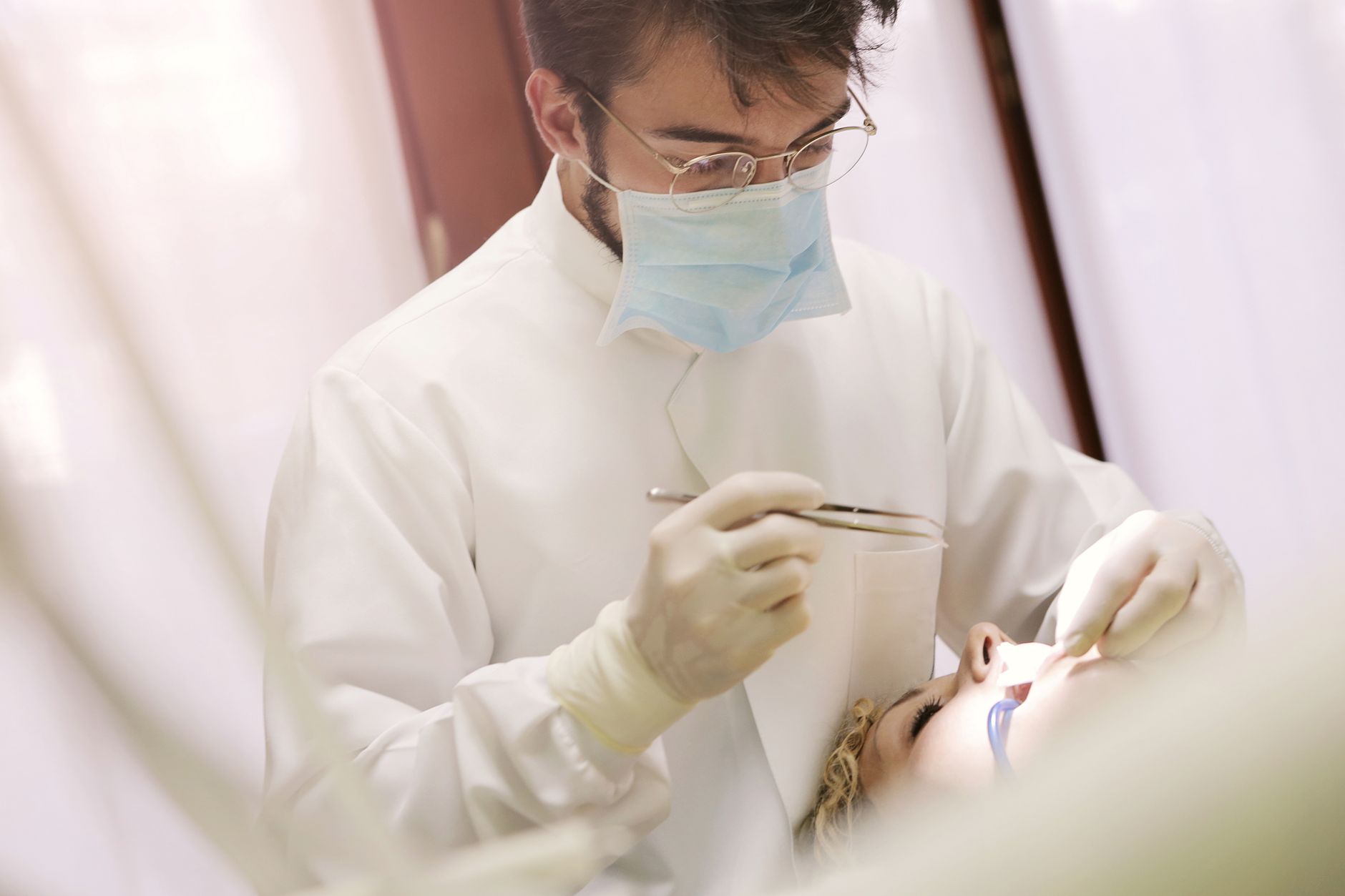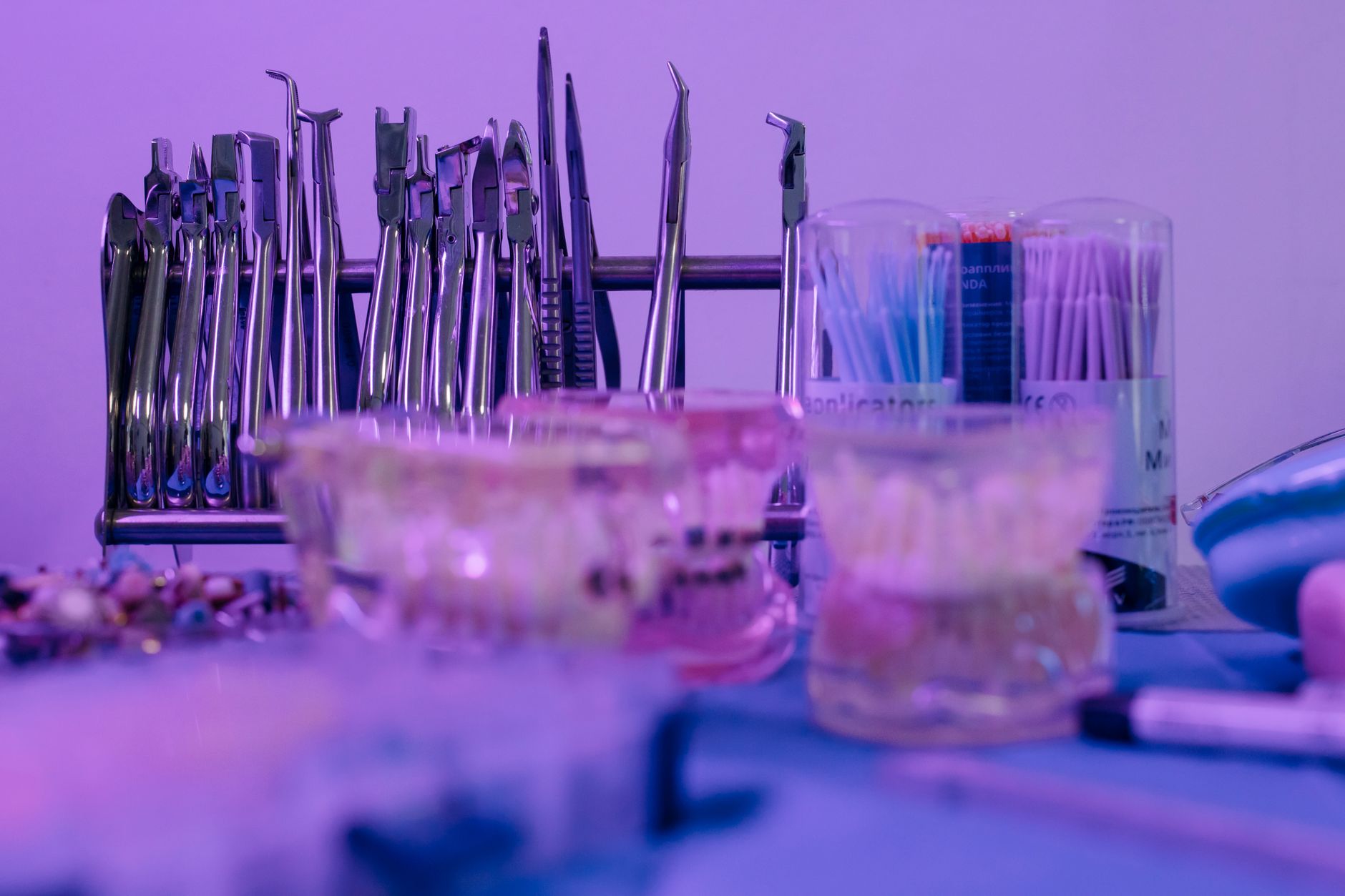

Orthodontic treatment has evolved significantly, offering patients choices beyond traditional metal brackets. Clear aligners have gained considerable popularity for their aesthetic appeal and perceived convenience, presenting a compelling alternative to fixed appliances. But the fundamental question for clinicians remains: do these newer systems deliver comparable biomechanical control across the full spectrum of tooth movements required for comprehensive treatment?
The choice between clear aligners and fixed orthodontic appliances often hinges on patient preference for aesthetics and comfort. But the underlying biomechanics and the predictability of specific tooth movements are important considerations for treatment planning. Fixed appliances, with their direct bonding to each tooth and continuous archwire engagement, offer a level of control over individual tooth positioning that aligners achieve through a series of incremental, removable plastic trays.
Orthodontic treatment aims to correct malocclusions by applying controlled forces to teeth, leading to bone remodelling and tooth movement. The types of movements required vary widely, from simple tipping and rotation to complex bodily movements, intrusion, extrusion, and root torque. Understanding which appliance system reliably achieves these movements is paramount for successful outcomes. For instance, managing temporomandibular joint disorders often involves precise occlusal adjustments, which can be influenced by the stability of orthodontic corrections.
Predictability of Specific Tooth Movements
Simple tipping movements, where the crown of a tooth moves more than its root, are generally well-managed by both clear aligners and fixed appliances. Aligners exert force through pressure points on the tooth surface, guiding it into the desired position. Fixed appliances achieve tipping through archwire deflection and bracket slot interaction, offering precise control over the angle of movement.
Rotational movements, particularly rotations of more than 15-20 degrees, present a greater challenge for clear aligners. The smooth surface of the aligner can struggle to generate sufficient and sustained rotational force, especially on teeth with rounder cross-sections like canines or premolars. Auxiliary attachments, such as optimized attachments or buttons with elastics, are frequently required to enhance the predictability of these rotations with aligners. Fixed appliances, by contrast, engage the tooth directly via the bracket, allowing for more efficient and predictable rotation through the archwire's torsional properties.
Extrusion, the movement of a tooth out of the alveolar bone, is another area where aligners demonstrate limitations. Significant extrusion, particularly of multiple teeth, is often less predictable with aligners compared to fixed appliances. The aligner's grip on the tooth can be insufficient to generate the necessary sustained extrusive force, leading to incomplete movement. Fixed appliances use archwire mechanics and vertical elastics to achieve controlled extrusion, often with greater reliability. Similarly, intrusion, moving a tooth into the alveolar bone, is generally more predictable with fixed appliances, which can apply direct, continuous intrusive forces through archwires and auxiliary springs.
Bodily movement, where the entire tooth moves translationally without significant tipping, requires precise control over the centre of resistance. Fixed appliances achieve this through rectangular archwires that fill the bracket slot, allowing for torque control and efficient bodily movement. Clear aligners, relying on surface contact, can struggle to produce pure bodily movement without some degree of tipping. The use of power ridges or optimized attachments can improve aligner efficacy for bodily movement, but often still requires careful monitoring and refinement.
Root Torque and Anchorage Control
Root torque, the movement of the root of a tooth in a buccal or lingual direction while the crown remains relatively stable, is perhaps the most challenging movement for clear aligners. Achieving precise root torque requires applying a rotational force around the long axis of the tooth, which aligners find difficult to deliver consistently. The plastic material of the aligner may deform or flex, dissipating the intended force. Fixed appliances, with their rigid archwires and bracket slot engagement, are inherently superior for generating and controlling root torque, a critical aspect of achieving optimal occlusion and stability. This is particularly relevant in cases requiring detailed finishing and root parallelism.
Anchorage control, preventing unwanted movement of anchor teeth while moving target teeth, is also managed differently. Fixed appliances often use various forms of anchorage, including intermaxillary elastics, headgear, or temporary anchorage devices (TADs), to reinforce stability. Clear aligners rely on the fit and coverage of the aligner over all teeth, using the entire arch as a source of reciprocal anchorage. While this can be effective for some movements, managing complex anchorage demands, such as maximum anchorage cases, may still favour fixed appliances or require adjunctive TADs even with aligners. The role of oral appliances in other conditions, like obstructive sleep apnea, highlights the broader application of dental devices, but their biomechanical principles differ significantly from orthodontic tooth movement.
The Role of Attachments and Auxiliaries
The efficacy of clear aligners for more complex movements is heavily dependent on the strategic placement and design of attachments. These small, tooth-coloured composite resin bumps bonded to specific teeth act as handles for the aligner, improving grip and force transmission. Different shapes and orientations of attachments are designed to facilitate specific movements, such as rotation, extrusion, or bodily movement. Without these auxiliaries, the range of reliably achievable movements with aligners would be significantly narrower. But even with optimized attachments, the biomechanical response can be less predictable than with fixed appliances, often requiring more frequent refinements and additional aligner sets.
The open-label design of many clinical experiences with aligners is an obvious caveat. The trial was not powered to detect differences in every specific tooth movement across all malocclusion types, and that gap matters for clinicians making treatment decisions. The success of aligner treatment often relies on patient compliance, as the aligners must be worn for 20-22 hours per day. Poor compliance can severely compromise treatment predictability, a factor not present with bonded fixed appliances. For a comprehensive understanding of patient management, clinicians might consult resources like the Oxford Handbook of General Practice, 5th Edition, which covers a broad range of clinical scenarios.
Still, the aesthetic and comfort advantages of clear aligners are undeniable for many patients. For straightforward cases involving minor crowding, spacing, or simple tipping, aligners can be a highly effective treatment option. But for complex malocclusions requiring significant rotations, extrusions, bodily movements, or precise root torque, fixed appliances often provide a more predictable and efficient pathway to the desired outcome. The decision between the two systems must be an informed one, weighing patient preferences against the biomechanical demands of the case and the inherent capabilities of each appliance type. The long-term stability of orthodontic results, regardless of appliance type, is also a critical consideration, as relapse can occur if movements are not adequately controlled and retained. This is a common challenge across dental interventions, including the management of early childhood caries, where patient adherence and biological factors play a significant role.
The allure of clear aligners is strong, driven by patient demand for invisible orthodontics. But clinicians must resist the urge to treat them as a universal replacement for fixed appliances. The biomechanical realities dictate that certain complex movements, particularly those involving significant root control or large rotations, remain the domain of traditional braces. Expecting aligners to perform miracles without auxiliary attachments or meticulous planning is a recipe for prolonged treatment and patient dissatisfaction.
For general practitioners referring patients for orthodontic care, understanding these limitations is important for treatment success. A simple case of mild crowding might be perfectly suited for aligners, but a patient presenting with severe rotations or a need for significant root parallelism will likely achieve a more predictable and stable result with fixed appliances. The initial consultation should clearly delineate these differences, managing patient expectations from the outset.
The industry continues to innovate with aligner technology, introducing new materials and attachment designs aimed at expanding their capabilities. But these advancements do not fundamentally alter the physics of tooth movement. The core principle remains: direct, controlled force application is key. Until aligners can reliably replicate the precise, multi-directional force vectors achievable with archwires in bracket slots, their application in highly complex cases will continue to demand significant clinical expertise and often, a hybrid approach.
- The Pivot Clear aligners are not universally equivalent to fixed appliances for all orthodontic movements.
- The Data Rotational movements, significant extrusions, and root torque are less reliably achieved with aligners.
- The Action Clinicians must carefully select appliance type based on the specific biomechanical demands of each case, particularly for complex malocclusions.
ART-2026-1396
·10/26
Drafted with AI assistance, reviewed and approved by the editorial team. This publication is intended for healthcare professionals, researchers, and life science industry professionals. Content is provided for informational and educational purposes only and does not constitute medical advice.

Infectious disease, epidemiology, and global health equity. I have covered outbreaks from Ebola to COVID-19 to mpox. The stories I am most drawn to are where the science is clear and the response is slow.
Cite This Article
Reeves T, Voss M. Clear aligners vs. fixed braces: which orthodontic movements are truly reliable?. The Life Science Feed. Published August 27, 2026. Updated October 6, 2026. Accessed October 11, 2026. https://thelifesciencefeed.com/dentistry/malocclusion/research/clear-aligners-fixed-appliances-orthodontic-movements.
Editorial & AI Standards
All content is researched from peer-reviewed, open-access sources: published trial data, clinical guidelines, and regulatory filings. AI tools are used solely to structure and summarise that evidence; no AI-generated conclusions appear without editor verification against the primary source.
Every article is reviewed by a named editor before publication. Source citations are listed in the References section. This content does not represent the views of any pharmaceutical company, medical device manufacturer, or healthcare provider.
Licence & Rights
© 2026 The Life Science Feed. All rights reserved. Unless otherwise indicated, all content is the property of The Life Science Feed and may not be reproduced, distributed, or transmitted in any form or by any means without prior written permission.
Medical Disclaimer
The information provided on The Life Science Feed is for educational and informational purposes only. It is not intended as a substitute for professional medical advice, diagnosis, or treatment. Always seek the advice of your physician or other qualified healthcare provider regarding any medical condition or treatment decision. Never disregard professional medical advice or delay in seeking it because of something you have read on this website.
References
1. España-Pamplona P, Bernés-Martínez L, Andrés-Castelló C, Bolás-Colveé B, Adobes-Martín M, Garcovich D. Changes in the Oral Microbiota with the Use of Aligners vs. Braces: A Systematic Review. J Clin Med. 2024;13(23). doi:10.3390/jcm13237435
2. Bagalkot KB, Saha P, Chikhalia DK, et al. Clear Aligners or Traditional Braces? An Effective Plan in the Ortho-Perio Treatment of Gingival Recessions. J Pharm Bioallied Sci. 2025;17(Suppl 4):S3189-S3191. doi:10.4103/jpbs.jpbs_1277_25
3. Bita RG, Breban-Schwarzkopf D, Luca MM, Maghet E, Danila AI. Orthodontic Appliance Type and Oral Malodor Burden: Cross-Sectional Comparison of Clear Aligners, Fixed Braces, and Untreated Controls. Dent J (Basel). 2026;14(4). doi:10.3390/dj14040225
4. Panda B, Chaudhari DV, Nagella SP, et al. Comparison of Aligners and Braces in Angle's Class III Malocclusion Cases: A Clinical Study. J Pharm Bioallied Sci. 2025;17(Suppl 5):S3683-S3685. doi:10.4103/jpbs.jpbs_735_25
5. Adarsh K, Kaur H, Rai S, et al. Assessment of Outcomes in Patients who Underwent Traditional and Advanced Orthodontic Treatment: A Comparative Study. J Pharm Bioallied Sci. 2025;17(Suppl 5):S3527-S3529. doi:10.4103/jpbs.jpbs_345_25