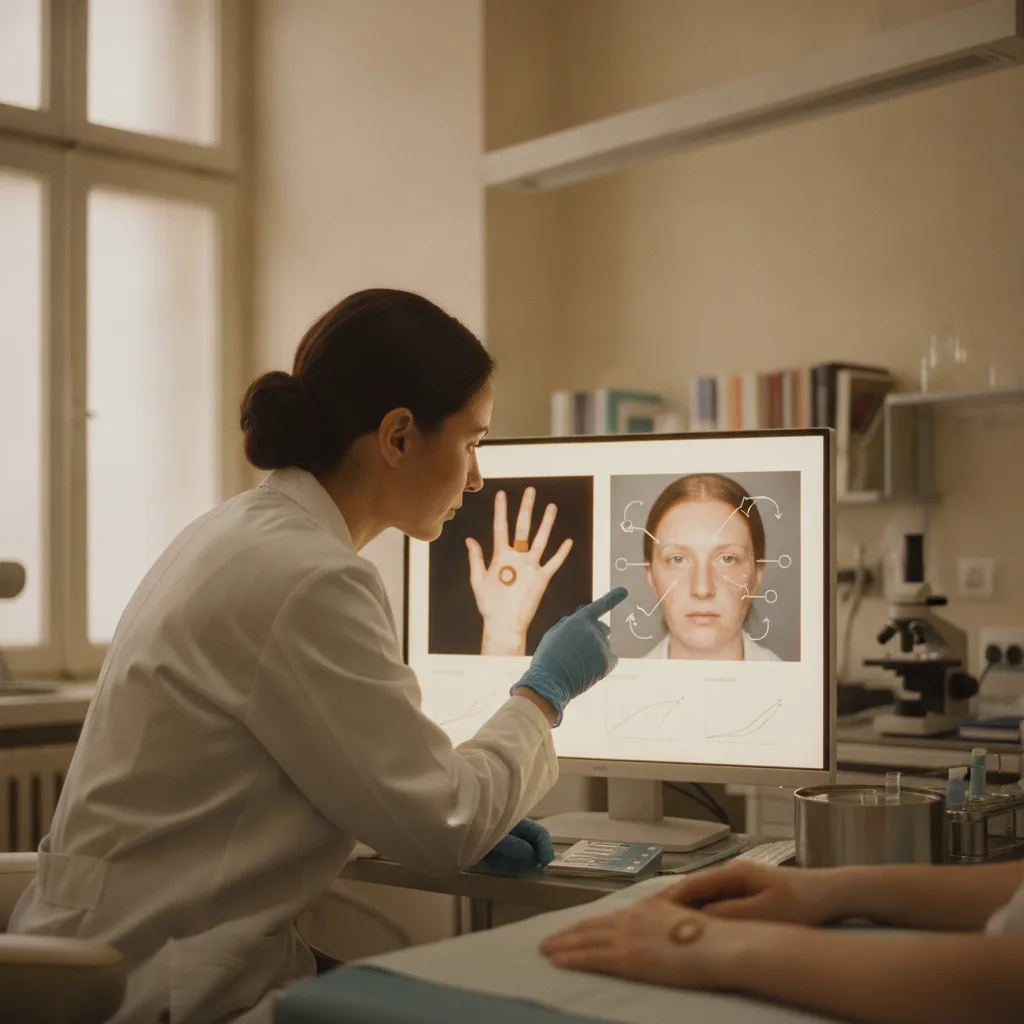

Vitiligo, a chronic autoimmune disorder characterized by depigmentation of the skin, presents a considerable challenge for both patients and clinicians. The visible nature of the lesions often leads to significant psychological distress, impacting quality of life. While therapeutic options have expanded, setting realistic expectations for repigmentation, particularly concerning different body areas and the time required for response, remains a crucial aspect of patient management, as it directly affects patient adherence and satisfaction.
Patients frequently seek treatment with the hope of complete repigmentation, but the reality of treatment efficacy is often less straightforward. Understanding the differential response rates across anatomical sites, such as the face versus the hands, is essential for guiding patient discussions and optimizing treatment strategies. This distinction is not merely cosmetic; it reflects underlying biological differences in follicular melanocyte reservoirs and skin architecture.
Vitiligo is an acquired disorder characterized by the progressive loss of functional melanocytes, leading to well-demarcated, depigmented macules and patches on the skin. The precise etiology involves a complex relationship between genetic predisposition, autoimmune destruction of melanocytes, oxidative stress, and neurogenic factors. This melanocyte destruction results in the characteristic white patches that can appear anywhere on the body, but often manifest in visible areas like the face, hands, and feet, making the condition particularly distressing for affected individuals.
The unmet need in vitiligo treatment has historically been substantial. Conventional therapies, including topical corticosteroids, calcineurin inhibitors, and phototherapy (narrowband ultraviolet B, or NBUVB), aim to halt disease progression and stimulate repigmentation. These treatments require consistent application or frequent clinic visits over extended periods, often months to years, to achieve meaningful results. Patient adherence is a significant factor in treatment success, and the slow pace of response can be discouraging.
Understanding the Mechanisms of Repigmentation
Repigmentation in vitiligo primarily occurs through two mechanisms: the migration of melanocytes from the hair follicles (follicular reservoir) and, to a lesser extent, from the borders of existing lesions. Hair follicles, particularly the outer root sheath, contain a population of quiescent melanocyte stem cells. When stimulated by therapies like phototherapy or topical agents, these stem cells activate, proliferate, and migrate upwards into the epidermis, where they differentiate into mature melanocytes and begin producing melanin. This process is visible clinically as perifollicular repigmentation, appearing as small, pigmented dots around hair follicles that gradually coalesce.
The density and activity of these follicular melanocyte reservoirs vary significantly across different anatomical sites. Areas with a high density of robust hair follicles, such as the face and neck, tend to respond more favorably and rapidly to treatment. Conversely, areas with sparse or less active hair follicles, like the dorsal aspects of the hands and feet (acral areas), exhibit a much slower and often incomplete repigmentation response. This biological difference underpins the observed disparities in treatment outcomes.
Differential Response Across Body Sites
Clinical experience consistently demonstrates a hierarchy of repigmentation potential across different body regions. The face and neck are generally considered the most responsive areas, often achieving significant repigmentation within a few months of consistent therapy. Trunk and proximal limb lesions also tend to respond well, though often not as quickly or completely as facial lesions. The least responsive areas are typically the hands and feet, particularly the fingers and toes, as well as bony prominences and mucous membranes. This differential response is a critical piece of information for patient counseling.
Patients often prioritize repigmentation of highly visible areas, especially the face and hands. While facial repigmentation is often achievable, the expectation for similar results on the hands must be tempered. The slower and less complete response in acral areas can be a source of frustration for patients if not adequately addressed upfront. This is particularly relevant for patients with extensive vitiligo, where a comprehensive treatment plan must account for these regional differences.
Time to Response and Treatment Duration
Repigmentation is a gradual process, regardless of the treatment modality. For topical therapies, initial signs of repigmentation may become visible within 2 to 3 months, but substantial improvement often requires 6 to 12 months of continuous application. Phototherapy, typically administered two to three times per week, also demands a significant time commitment. Patients undergoing NBUVB therapy may start to see perifollicular pigmentation after 20 to 30 sessions, but a full course often extends for 6 to 12 months, or even longer, to maximize repigmentation. The regulatory landscape for dermatological treatments continues to evolve, but the biological pace of melanocyte regeneration remains a constant.
The duration of treatment is also influenced by the extent and stability of the disease. Patients with rapidly progressing vitiligo may require initial stabilization therapy before focusing on repigmentation. For stable vitiligo, the goal is to achieve maximal repigmentation, which can take well over a year. Discontinuation of treatment too early, due to impatience or lack of perceived progress, is a common reason for suboptimal outcomes. Clinicians must reinforce the need for persistence and long-term commitment.
Managing Patient Expectations
Effective patient education is paramount in vitiligo management. From the initial consultation, clinicians should clearly explain the chronic nature of the disease and the realistic expectations for treatment. This includes discussing the varying response rates across body sites, emphasizing that while facial lesions often achieve significant repigmentation, complete repigmentation of acral areas is less common and takes considerably longer. For a deeper understanding of skin conditions, the Oxford Handbook of Medical Dermatology can be a valuable resource for clinicians.
Visual aids, such as photographs of typical repigmentation patterns on different body parts, can be helpful. Patients should understand that even with successful repigmentation, the skin may not perfectly match the surrounding unaffected skin, and some degree of residual dyspigmentation or textural changes may persist. The goal is often significant cosmetic improvement rather than absolute restoration to baseline. This honest dialogue helps prevent disappointment and improves patient satisfaction and adherence.
The Role of Combination Therapies
To enhance repigmentation, particularly in less responsive areas, combination therapies are frequently employed. Combining topical agents with phototherapy is a common strategy. For instance, topical corticosteroids or calcineurin inhibitors can be used in conjunction with NBUVB to potentially accelerate and improve the extent of repigmentation. Systemic therapies, such as oral corticosteroids or immunosuppressants, may be used in cases of rapidly progressing or extensive vitiligo, often as a bridge to phototherapy or other long-term treatments.
Surgical options, including melanocyte transplantation techniques, are also available for stable, refractory lesions, particularly on the hands and feet. These procedures involve harvesting melanocytes from normally pigmented skin and transplanting them to depigmented areas. While effective for selected patients, they are invasive, carry their own risks, and are typically reserved for areas that have not responded to medical therapies. The decision to pursue surgical intervention requires careful patient selection and realistic expectations regarding the cosmetic outcome.
Psychological Impact and Support
The psychological burden of vitiligo cannot be overstated. The visible nature of the disease can lead to feelings of self-consciousness, anxiety, depression, and social isolation. These psychosocial aspects are often more impactful than the physical symptoms of the disease itself. Effective management must therefore include addressing these psychological needs. Support groups, counseling, and camouflage cosmetics can play a vital role in improving patients' quality of life, irrespective of the degree of repigmentation achieved.
Clinicians should routinely screen for psychological distress and refer patients to mental health professionals when appropriate. A holistic approach that integrates dermatological treatment with psychological support is crucial for comprehensive patient care. The journey with vitiligo is often long and challenging, and patients benefit immensely from a supportive and empathetic clinical team. This comprehensive approach aligns with the broader understanding of chronic disease management, where patient well-being extends beyond purely physical metrics, as seen in discussions around chronic neurological conditions.
Limitations of Current Approaches
Despite advances, current vitiligo treatments have limitations. The need for prolonged therapy, the inconvenience of frequent clinic visits for phototherapy, and the potential for side effects (e.g., skin atrophy with long-term topical corticosteroids) can affect adherence. Not all patients respond to treatment, and some may experience only partial repigmentation. The lack of a definitive cure for many chronic conditions, including vitiligo, means that ongoing management and realistic goal-setting are essential.
The challenge of treating acral vitiligo remains particularly significant. Even with aggressive combination therapies, complete repigmentation of the hands and feet is rare. This recalcitrance highlights the need for novel therapeutic strategies specifically targeting these difficult-to-treat areas, perhaps focusing on enhancing follicular melanocyte stem cell activity or exploring alternative sources of repigmentation. The development of new agents, such as JAK inhibitors, represents a step forward, but their long-term efficacy and safety profiles, particularly in diverse anatomical sites, continue to be evaluated.
The differential response of vitiligo to treatment across body sites is not merely an interesting observation; it is a fundamental aspect of patient care. Clinicians must internalize that a patient's face will likely repigment faster and more completely than their hands, and this reality needs to be communicated clearly from the first consultation. Failure to set these expectations leads to frustration, non-adherence, and ultimately, dissatisfaction with otherwise effective therapies.
This means moving beyond a generic discussion of 'repigmentation' and delving into the specifics of 'facial repigmentation' versus 'acral repigmentation.' For patients prioritizing hand lesions, the conversation must acknowledge the inherent biological limitations and the longer, more arduous path to even partial improvement. This frankness, while potentially difficult, builds trust and allows patients to make informed decisions about their commitment to prolonged treatment regimens.
The industry, in turn, needs to focus research efforts on therapies that specifically address the recalcitrant nature of acral vitiligo. Current agents, while effective for facial lesions, often fall short where the need is arguably greatest for many patients. Developing treatments that can reliably stimulate melanocyte reservoirs in areas with sparse follicles would represent a genuine advance, rather than incremental gains in already responsive areas.
Until such targeted therapies emerge, the onus remains on the clinician to manage the gap between patient hope and biological reality. A well-informed patient, even one with partial repigmentation, is generally a more satisfied patient than one who expected a complete 'cure' for their hands and received only modest improvement.
- The Pivot Repigmentation rates and speed differ markedly between facial and acral vitiligo lesions, necessitating tailored patient counseling.
- The Data Facial vitiligo typically achieves greater than 75% repigmentation more readily and quickly than lesions on the hands or feet.
- The Action Clinicians should emphasize the slower, less complete response expected for acral vitiligo and manage patient expectations accordingly from the outset.
ART-2026-1219
·10/26
Drafted with AI assistance, reviewed and approved by the editorial team. This publication is intended for healthcare professionals, researchers, and life science industry professionals. Content is provided for informational and educational purposes only and does not constitute medical advice.

I write about AI in healthcare: the validation studies, the deployment failures, and the regulatory questions without answers yet. Based in San Francisco, close to where the technology is built.
Cite This Article
Chen L, Lopes W. Vitiligo: why managing expectations for facial vs. hand repigmentation matters. The Life Science Feed. Published August 27, 2026. Updated October 6, 2026. Accessed October 11, 2026. https://thelifesciencefeed.com/dermatology/vitiligo/insights/vitiligo-face-hands-time-to-response.
Editorial & AI Standards
All content is researched from peer-reviewed, open-access sources: published trial data, clinical guidelines, and regulatory filings. AI tools are used solely to structure and summarise that evidence; no AI-generated conclusions appear without editor verification against the primary source.
Every article is reviewed by a named editor before publication. Source citations are listed in the References section. This content does not represent the views of any pharmaceutical company, medical device manufacturer, or healthcare provider.
Licence & Rights
© 2026 The Life Science Feed. All rights reserved. Unless otherwise indicated, all content is the property of The Life Science Feed and may not be reproduced, distributed, or transmitted in any form or by any means without prior written permission.
Medical Disclaimer
The information provided on The Life Science Feed is for educational and informational purposes only. It is not intended as a substitute for professional medical advice, diagnosis, or treatment. Always seek the advice of your physician or other qualified healthcare provider regarding any medical condition or treatment decision. Never disregard professional medical advice or delay in seeking it because of something you have read on this website.
References
1. Bergqvist C, Ezzedine K. Vitiligo: A Review. Dermatology. 2020;236(6):571-592. doi:10.1159/000506103
2. Cunningham KN, Rosmarin D. Vitiligo Treatments: Review of Current Therapeutic Modalities and JAK Inhibitors. Am J Clin Dermatol. 2023;24(2):165-186. doi:10.1007/s40257-022-00752-6
3. Ezzedine K, Eleftheriadou V, Jones H, et al. Psychosocial Effects of Vitiligo: A Systematic Literature Review. Am J Clin Dermatol. 2021;22(6):757-774. doi:10.1007/s40257-021-00631-6
4. Qi F, Liu F, Gao L. Janus Kinase Inhibitors in the Treatment of Vitiligo: A Review. Front Immunol. 2021;12:790125. doi:10.3389/fimmu.2021.790125
5. Retamal C, Hartmann D, Valenzuela F. Vitiligo: A Review of Pathogenesis and Treatments, Including New Therapies on the Horizon. J Cutan Med Surg. 2025;29(3):NP21-NP33. doi:10.1177/12034754251320637
6. Phan K, Phan S, Shumack S, Gupta M. Repigmentation in vitiligo using janus kinase (JAK) inhibitors with phototherapy: systematic review and Meta-analysis. J Dermatolog Treat. 2022;33(1):173-177. doi:10.1080/09546634.2020.1735615






