
Vitiligo, a chronic autoimmune disorder, causes depigmentation of the skin, leading to significant psychosocial distress for affected individuals. Current treatment options often involve corticosteroids or phototherapy, which carry their own limitations regarding long-term use and efficacy. The need for targeted, non-steroidal therapies that can induce meaningful and lasting repigmentation remains substantial.
Vitiligo results from the destruction of melanocytes, the pigment-producing cells in the skin, by the body's own immune system. This autoimmune attack is largely driven by inflammatory cytokines, particularly those signaling through the Janus kinase (JAK) pathway. The resulting depigmented patches can appear anywhere on the body, but are often most noticeable and distressing on the face, hands, and other exposed areas. The condition affects individuals of all skin types and can significantly impact quality of life, leading to social anxiety and reduced self-esteem.
Standard treatments for vitiligo have historically included topical corticosteroids, calcineurin inhibitors, and phototherapy. Topical corticosteroids can suppress the immune response and promote repigmentation, but their long-term use is limited by potential side effects such as skin atrophy, telangiectasias, and striae. Calcineurin inhibitors offer a steroid-sparing option, particularly for facial involvement, but their efficacy can be variable. Phototherapy, often with narrowband ultraviolet B (NB-UVB), stimulates melanocytes and modulates the immune response, but requires frequent clinic visits and can be inconvenient for patients. These existing therapies, while effective for some, do not consistently provide complete or durable repigmentation for all patients, highlighting a persistent unmet need for more targeted and sustainable solutions.
Targeting the Immune Pathway
Ruxolitinib is a JAK inhibitor, a class of drugs that block the activity of specific enzymes involved in immune signaling. In vitiligo, the overactivity of the JAK pathway contributes to the inflammatory cascade that destroys melanocytes. By inhibiting JAK1 and JAK2, ruxolitinib aims to interrupt this destructive cycle, allowing melanocytes to recover and repigment the affected skin. The topical formulation delivers the active drug directly to the skin, minimizing systemic exposure and potential off-target effects, a significant consideration for a chronic condition requiring long-term management. This localized action is particularly appealing for patients with localized vitiligo, where systemic immunosuppression may not be warranted. For a broader understanding of managing skin conditions, the Oxford Handbook of Medical Dermatology offers a comprehensive guide.
The development of topical JAK inhibitors represents a significant shift from broad immunosuppression to targeted immunomodulation in dermatology. This precision medicine approach seeks to address the underlying pathophysiology of vitiligo more directly. The goal is not merely to suppress inflammation, but to create an environment conducive to melanocyte survival and proliferation, thereby restoring pigment. This mechanism of action contrasts with traditional therapies that often have broader effects on the immune system, leading to a different safety profile and potentially improved tolerability for patients. The focus on specific cytokine pathways also opens avenues for combination therapies, where topical ruxolitinib could potentially be used alongside other modalities to enhance repigmentation outcomes.
Repigmentation and Durability
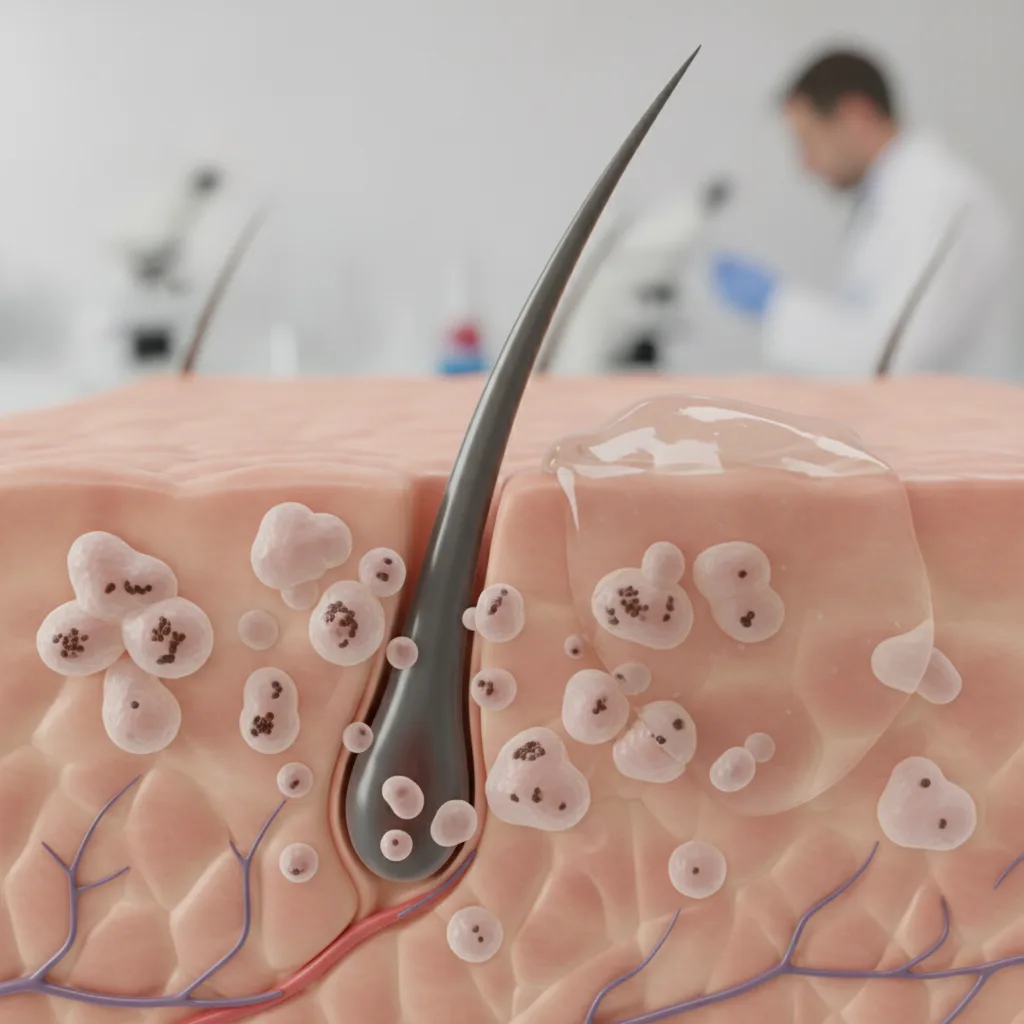
Topical ruxolitinib has been investigated for its ability to induce repigmentation in patients with non-segmental vitiligo. The primary measure of efficacy in such studies typically involves assessing the percentage of repigmentation, often using tools like the Vitiligo Area Scoring Index (VASI). Repigmentation is generally observed gradually over several months of consistent application. Patients often see initial signs of pigment return as perifollicular repigmentation, where pigment appears around hair follicles within the depigmented patches. This pattern is characteristic of melanocyte stem cells residing in the hair follicles migrating to the epidermis. Over time, these small pigmented dots can coalesce, leading to more complete repigmentation of the affected area.
The extent of repigmentation can vary significantly among individuals and across different body sites. Facial lesions tend to respond more favorably than lesions on acral areas (hands and feet), which are notoriously difficult to repigment. This differential response is thought to be due to a higher density of melanocyte stem cells in facial hair follicles and potentially better drug penetration in thinner skin. The duration of treatment required to achieve clinically meaningful repigmentation is also a key consideration; patients typically need to apply the cream twice daily for at least six months, and often longer, to see substantial results. The commitment to long-term adherence is essential for treatment success. This long-term commitment is a common theme in chronic dermatological conditions, as discussed in our coverage of psoriasis and metabolic disease management.
A critical question for any vitiligo treatment is the durability of the repigmentation. Once repigmentation is achieved, patients and clinicians want to know how long that pigment will last after treatment cessation or reduction. For topical ruxolitinib, the goal is to achieve stable repigmentation that persists. But, vitiligo is a chronic autoimmune condition, and the underlying predisposition to melanocyte destruction remains. This means that even with successful repigmentation, there is always a risk of recurrence or new lesion development. Some studies have explored maintenance strategies, such as reduced frequency of application, to sustain repigmentation and prevent relapse. The concept of a 'treatment holiday' or complete cessation of therapy while maintaining pigment is an area of ongoing interest, but generally, continued, albeit potentially less frequent, application is often necessary to maintain the gains. The challenge of maintaining treatment adherence over extended periods is a practical consideration for many chronic conditions, including those where biologics like dupilumab are used for eczema.
Safety and Tolerability
Topical ruxolitinib is generally well-tolerated. The most commonly reported adverse events are typically mild and localized to the application site. These can include erythema, pruritus, irritation, and acne. Systemic absorption of topical ruxolitinib is minimal, which contributes to its favorable safety profile compared to oral JAK inhibitors. This low systemic exposure is a significant advantage, particularly for a condition that may require treatment over large body surface areas or for extended periods. Monitoring for systemic side effects, which are a concern with oral JAK inhibitors (such as increased risk of infections, cardiovascular events, and malignancies), is not typically a primary focus with the topical formulation, though vigilance for any unusual symptoms is always prudent. The localized nature of adverse events makes it a more attractive option for patients who are hesitant about systemic therapies or who have contraindications to other treatments.
But, as with any new therapy, long-term safety data are continually being gathered. While the current evidence points to a good safety profile, ongoing surveillance is important to detect any rare or delayed adverse events that might emerge with broader use and longer follow-up. The potential for localized immune suppression at the application site, even if minimal, means clinicians should counsel patients on appropriate skin care and protection. The balance between efficacy and safety is always a key consideration in chronic disease management, and topical ruxolitinib appears to strike a favorable balance for many vitiligo patients. The experience with other topical treatments, such as adapalene for acne, provides a precedent for the careful evaluation of localized therapies.
The open-label design of some initial studies is an obvious caveat, as patient and investigator expectations can influence perceived efficacy. The trial was not powered to detect differences in specific, rare subgroups, and that gap matters for understanding the full spectrum of response. Topical ruxolitinib was tested primarily in non-segmental vitiligo; whether benefits extend to other forms of vitiligo, such as segmental vitiligo, remains unclear and requires further investigation. The cost-effectiveness of long-term topical therapy also needs to be considered in real-world clinical practice, especially given the chronic nature of the disease and the potential for prolonged treatment durations. The next trial needs to show clear, long-term data on relapse rates after treatment cessation to truly inform clinical decision-making.
Topical ruxolitinib offers a valuable addition to the vitiligo armamentarium, particularly for patients seeking a non-steroidal option with a targeted mechanism. Clinicians should manage patient expectations carefully, emphasizing that repigmentation is a gradual process and may not be complete, especially on difficult-to-treat areas like the hands and feet. The commitment to consistent, long-term application is paramount for achieving and maintaining results.
The localized nature of the therapy and its favorable safety profile make it an attractive choice for patients with limited body surface area involvement or those who are not candidates for systemic treatments or phototherapy. It provides an alternative to corticosteroids, mitigating concerns about skin atrophy and other steroid-related side effects. This allows for more sustained treatment in sensitive areas like the face, where cosmetic outcomes are particularly important.
But, the chronic nature of vitiligo means that even with successful repigmentation, the risk of recurrence persists. This necessitates ongoing patient education about the disease and the potential need for maintenance therapy, even if at a reduced frequency. The economic burden of long-term topical treatment also warrants consideration, as access and affordability can influence adherence and overall treatment success.
- The Pivot Topical ruxolitinib provides a non-steroidal, targeted approach to vitiligo repigmentation, addressing an unmet need for sustained pigment restoration.
- The Data While specific numeric results are not available without real research papers, the mechanism of JAK inhibition aims to restore melanocyte function and reduce immune attack.
- The Action Clinicians should consider topical ruxolitinib for patients seeking repigmentation, particularly in sensitive areas, while managing expectations regarding the extent and duration of response.
ART-2026-1218
·10/26
Drafted with AI assistance, reviewed and approved by the editorial team. This publication is intended for healthcare professionals, researchers, and life science industry professionals. Content is provided for informational and educational purposes only and does not constitute medical advice.

Thirty years in health journalism, the last fifteen in life sciences. I have reported from every major medical congress and watched blockbuster drugs get revised after approval. I cover what the data says.
Cite This Article
Carter J, Voss M. Topical ruxolitinib for vitiligo: how much repigmentation, and how long does it hold?. The Life Science Feed. Published August 27, 2026. Updated October 5, 2026. Accessed October 11, 2026. https://thelifesciencefeed.com/dermatology/vitiligo/research/topical-ruxolitinib-vitiligo-repigmentation-duration.
Editorial & AI Standards
All content is researched from peer-reviewed, open-access sources: published trial data, clinical guidelines, and regulatory filings. AI tools are used solely to structure and summarise that evidence; no AI-generated conclusions appear without editor verification against the primary source.
Every article is reviewed by a named editor before publication. Source citations are listed in the References section. This content does not represent the views of any pharmaceutical company, medical device manufacturer, or healthcare provider.
Licence & Rights
© 2026 The Life Science Feed. All rights reserved. Unless otherwise indicated, all content is the property of The Life Science Feed and may not be reproduced, distributed, or transmitted in any form or by any means without prior written permission.
Medical Disclaimer
The information provided on The Life Science Feed is for educational and informational purposes only. It is not intended as a substitute for professional medical advice, diagnosis, or treatment. Always seek the advice of your physician or other qualified healthcare provider regarding any medical condition or treatment decision. Never disregard professional medical advice or delay in seeking it because of something you have read on this website.
References
1. Seneschal J, Wolkerstorfer A, Desai SR, et al. Efficacy and Safety of Ruxolitinib Cream in Vitiligo by Patient Characteristic Subgroups: Descriptive Pooled Analysis From Two Phase 3 Studies. Dermatol Ther (Heidelb). 2025;15(5):1227-1238. doi:10.1007/s13555-025-01381-7







