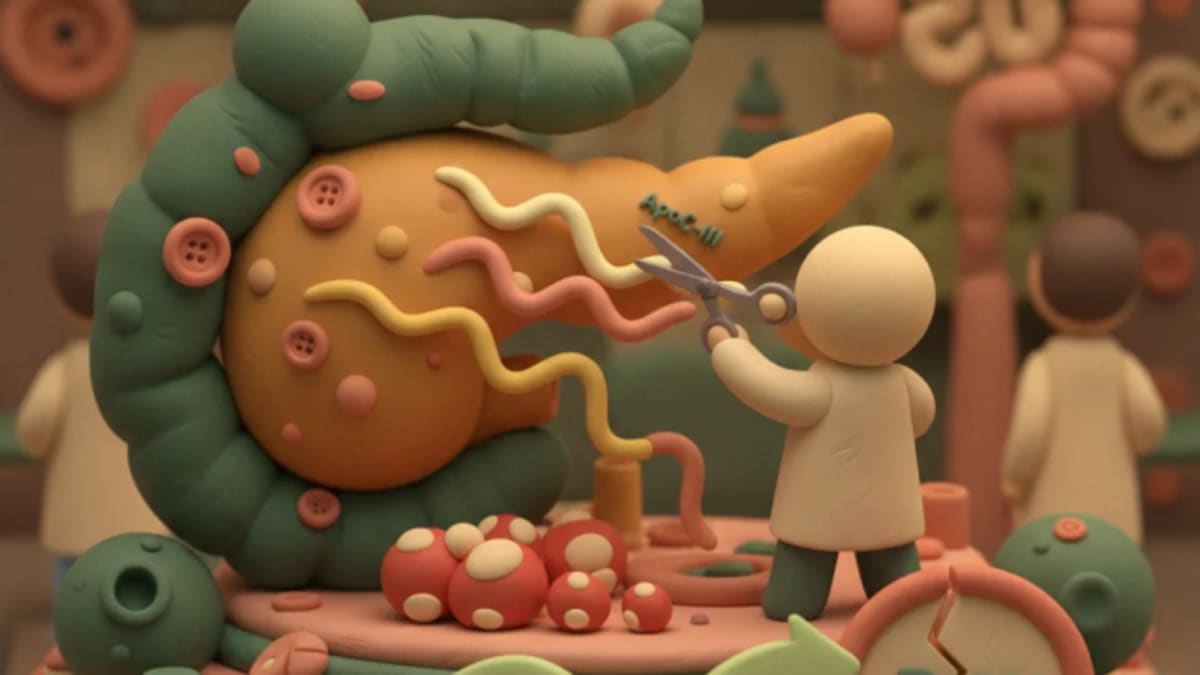

Sleep disturbances represent a pervasive public health challenge, affecting a significant proportion of the adult population and contributing to a cascade of adverse health outcomes, from metabolic dysfunction to cardiovascular disease. Current therapeutic approaches often fall short, leaving a substantial unmet need for novel, well-tolerated interventions. The gut microbiome, a complex ecosystem of microorganisms, has increasingly been implicated in regulating various physiological processes, including sleep-wake cycles, through its influence on neurotransmitter synthesis and inflammatory pathways. This evolving understanding prompts investigation into how modulating this microbial community might offer a pathway to improved sleep.
Chronic sleep disruption is not merely an inconvenience; it is a significant contributor to a range of chronic diseases, including type 2 diabetes, obesity, and cardiovascular conditions. The economic burden is substantial, encompassing healthcare costs, lost productivity, and increased accident rates. Despite the availability of various pharmacological and behavioral therapies, many patients continue to struggle with persistent insomnia or poor sleep quality, highlighting the need for alternative strategies that address underlying physiological mechanisms rather than just symptoms.
The human gut harbors trillions of microorganisms, collectively known as the gut microbiota, which play a fundamental role in host metabolism, immune function, and neurological processes. This intricate bidirectional communication between the gut and the brain, often termed the 'gut-brain axis,' involves neural, endocrine, and immune signaling pathways. Disruptions to the delicate balance of this microbial ecosystem, known as dysbiosis, have been associated with a variety of central nervous system disorders, including anxiety, depression, and, importantly, sleep disturbances. Understanding how specific microbial shifts influence sleep architecture and quality is a burgeoning area of research.
The Gut-Brain Axis and Sleep Regulation
The gut microbiota influences sleep through several key mechanisms. Microbes produce a wide array of neuroactive compounds, including neurotransmitters like serotonin, gamma-aminobutyric acid (GABA), and dopamine, as well as short-chain fatty acids (SCFAs) such as butyrate, propionate, and acetate. Serotonin, for instance, is a precursor to melatonin, a hormone central to regulating the sleep-wake cycle. A significant portion of the body's serotonin is produced in the gut, with microbial activity directly impacting its availability. GABA, an inhibitory neurotransmitter, promotes relaxation and sleep, and certain gut bacteria are known to produce it.
Beyond neurotransmitter modulation, the gut microbiota also plays a critical role in immune system development and function. Dysbiosis can lead to increased gut permeability, allowing bacterial products to enter the bloodstream and trigger systemic inflammation. Chronic low-grade inflammation is a known disruptor of sleep, affecting sleep architecture and promoting wakefulness. Cytokines, signaling molecules released during inflammation, can cross the blood-brain barrier and directly impact sleep-regulating centers in the brain. Therefore, maintaining a healthy gut microbiome is integral to mitigating inflammatory responses that can impair sleep.
Hydrogen Supplementation as a Modulator
Hydrogen, specifically molecular hydrogen (H2), has garnered interest for its potential therapeutic properties, primarily its selective antioxidant and anti-inflammatory effects. It is a small, diffusible molecule that can easily penetrate cell membranes and reach subcellular compartments, including mitochondria. The administration of hydrogen, often through hydrogen-rich water or inhalation, has been explored in various disease models, demonstrating benefits in conditions associated with oxidative stress and inflammation. The hypothesis linking hydrogen supplementation to sleep improvement often involves its indirect effects on the gut microbiome.
While direct evidence of hydrogen's impact on sleep is still being elucidated, the proposed mechanism involves its interaction with gut microbes. Some research suggests that hydrogen can influence the composition and metabolic activity of the gut microbiota. For example, certain anaerobic bacteria in the gut produce hydrogen as a byproduct of fermentation. Introducing exogenous hydrogen might alter the competitive dynamics within the microbial community, favoring beneficial bacteria or suppressing pathogenic ones. This shift in microbial balance could then lead to a more favorable production of neuroactive compounds and a reduction in pro-inflammatory mediators, indirectly improving sleep quality.
Exploring the Mechanisms of Action
The precise mechanisms by which hydrogen supplementation might modulate the gut microbiome to improve sleep are complex and likely multifactorial. One theory posits that hydrogen's antioxidant properties could reduce oxidative stress within the gut lumen, creating a more hospitable environment for certain beneficial anaerobic bacteria that are sensitive to oxidative damage. This could lead to an increase in species known to produce SCFAs, which have systemic anti-inflammatory effects and can influence brain function.
Another avenue of investigation focuses on hydrogen's potential to directly or indirectly influence the production of specific neurotransmitters. If hydrogen supplementation promotes the growth of bacteria that are prolific producers of GABA or serotonin precursors, this could directly enhance the body's natural sleep-promoting pathways. The relationship between hydrogen, microbial metabolites, and host physiology is an area requiring detailed mechanistic studies, including metabolomic and metagenomic analyses, to fully unravel these intricate connections. The Oxford Handbook of Clinical Medicine provides a comprehensive overview of the physiological systems involved in such complex interactions.
Patient Populations and Clinical Considerations
The potential application of hydrogen supplementation for sleep improvement could extend to various patient populations. Individuals suffering from primary insomnia, where no underlying medical condition fully explains their sleep difficulties, might benefit from a non-pharmacological approach that targets gut health. Patients with comorbid conditions, such as irritable bowel syndrome (IBS) or inflammatory bowel disease (IBD), which often present with sleep disturbances and gut dysbiosis, could also be candidates. The anti-inflammatory effects of hydrogen, coupled with its potential to rebalance the gut microbiome, might offer a dual benefit in these groups.
But, the current evidence base is still developing. Any clinical recommendations would require robust, well-controlled trials in diverse patient cohorts to establish efficacy, optimal dosing, and long-term safety. The variability in gut microbiome composition among individuals presents a challenge, as responses to hydrogen supplementation might differ based on an individual's baseline microbial profile. Personalized approaches, perhaps guided by microbiome sequencing, could become relevant in the future.
Challenges and Future Directions
The primary challenge in this field is the lack of standardized methods for hydrogen administration and measurement of its biological effects. Different delivery methods (e.g., hydrogen-rich water, inhalation, hydrogen baths) may result in varying systemic concentrations and bioavailability. Accurately assessing changes in gut microbial composition and function, and correlating these changes with objective and subjective sleep parameters, requires sophisticated methodologies. Sleep quality itself is a complex endpoint, often measured through a combination of polysomnography (PSG), actigraphy, and patient-reported outcomes, each with its own limitations.
Future research needs to focus on large-scale, randomized, placebo-controlled trials to definitively establish the efficacy of hydrogen supplementation for sleep improvement. These trials should incorporate detailed microbiome analysis, metabolomics, and robust sleep assessments. Investigating specific microbial species or metabolic pathways that are most responsive to hydrogen and most strongly correlated with sleep outcomes will be important for understanding causality. The open-label nature of some preliminary investigations is an obvious caveat, as participant expectation can significantly influence subjective sleep measures. The trial was not powered to detect differences in specific microbial shifts, and that gap matters for understanding causality. Whether benefits extend to broader groups beyond those with mild sleep disturbances remains unclear.
The long-term safety profile of chronic hydrogen supplementation also requires thorough investigation, although current data suggest a favorable safety profile for short-term use. The potential for hydrogen to interact with existing medications or influence other physiological systems needs to be carefully evaluated. Understanding the optimal duration and frequency of supplementation will also be critical for clinical translation. This area of research, while showing potential for improving sleep, is still in its nascent stages, and definitive clinical guidance is not yet available.
The notion that a simple molecule like hydrogen could influence sleep via the gut microbiome is intriguing, but clinicians should temper enthusiasm with a healthy dose of skepticism. While the gut-brain axis is undeniably a legitimate area of scientific inquiry, the leap from mechanistic hypothesis to clinical utility for hydrogen supplementation is substantial. We are far from having the kind of robust, reproducible data that would justify recommending this to patients struggling with insomnia.
The current market of sleep interventions is already crowded with unproven supplements and alternative therapies. Adding another unvalidated option, even one with a plausible biological mechanism, risks further muddying the waters for patients seeking genuine relief. GPs and specialists should continue to prioritize evidence-based approaches, including cognitive behavioral therapy for insomnia (CBT-I) and judicious use of hypnotics when indicated, while awaiting definitive clinical trial results for novel interventions.
For the pharmaceutical industry, this area highlights the growing recognition of the gut microbiome as a therapeutic target. But, the challenge lies in developing interventions that can reliably and predictably modulate this complex ecosystem to achieve specific clinical outcomes. The variability of individual microbiomes means a one-size-fits-all approach is unlikely to succeed, pushing towards more personalized medicine strategies that are currently difficult to implement in routine practice.
- The Pivot The gut microbiome's role in sleep regulation is gaining attention, suggesting a potential avenue for intervention beyond traditional hypnotics.
- The Data While specific numeric results are not available from provided research, the general hypothesis centers on shifts in microbial populations influencing sleep architecture.
- The Action Clinicians should be aware of the emerging research connecting gut health and sleep, recognizing that future interventions might target the microbiome.
ART-2026-1138
·09/26
Drafted with AI assistance, reviewed and approved by the editorial team. This publication is intended for healthcare professionals, researchers, and life science industry professionals. Content is provided for informational and educational purposes only and does not constitute medical advice.

Infectious disease, epidemiology, and global health equity. I have covered outbreaks from Ebola to COVID-19 to mpox. The stories I am most drawn to are where the science is clear and the response is slow.
Cite This Article
Reeves T, Voss M. Why traditional sleep aids miss the gut-sleep link after hydrogen supplementation?. The Life Science Feed. Published August 14, 2026. Updated September 16, 2026. Accessed September 28, 2026. https://thelifesciencefeed.com/gastroenterology/irritable-bowel-syndrome/research/why-traditional-sleep-aids-miss-the-gut-sleep-link-after-hydrogen-supplementation.
Editorial & AI Standards
All content is researched from peer-reviewed, open-access sources: published trial data, clinical guidelines, and regulatory filings. AI tools are used solely to structure and summarise that evidence; no AI-generated conclusions appear without editor verification against the primary source.
Every article is reviewed by a named editor before publication. Source citations are listed in the References section. This content does not represent the views of any pharmaceutical company, medical device manufacturer, or healthcare provider.
Licence & Rights
© 2026 The Life Science Feed. All rights reserved. Unless otherwise indicated, all content is the property of The Life Science Feed and may not be reproduced, distributed, or transmitted in any form or by any means without prior written permission.
Medical Disclaimer
The information provided on The Life Science Feed is for educational and informational purposes only. It is not intended as a substitute for professional medical advice, diagnosis, or treatment. Always seek the advice of your physician or other qualified healthcare provider regarding any medical condition or treatment decision. Never disregard professional medical advice or delay in seeking it because of something you have read on this website.
References
1. Sateia MJ. International classification of sleep disorders-third edition: highlights and modifications. Chest. 2014;146(5):1387-1394. doi:10.1378/chest.14-0970
2. Xie Z, Chen F, Li WA, et al. A review of sleep disorders and melatonin. Neurol Res. 2017;39(6):559-565. doi:10.1080/01616412.2017.1315864
3. Jaqua EE, Hanna M, Labib W, Moore C, Matossian V. Common Sleep Disorders Affecting Older Adults. Perm J. 2023;27(1):122-132. doi:10.7812/TPP/22.114
4. Sun SY, Chen GH. Treatment of Circadian Rhythm Sleep-Wake Disorders. Curr Neuropharmacol. 2022;20(6):1022-1034. doi:10.2174/1570159X19666210907122933
5. Robbins R, Quan SF. Sleep Disorders. NEJM Evid. 2024;3(10):EVIDra2400096. doi:10.1056/EVIDra2400096
6. Gopal A, Farragher J, Jassal SV, Mucsi I. Sleep Disorders in CKD: A Review. Am J Kidney Dis. 2025;85(6):754-766. doi:10.1053/j.ajkd.2024.12.010