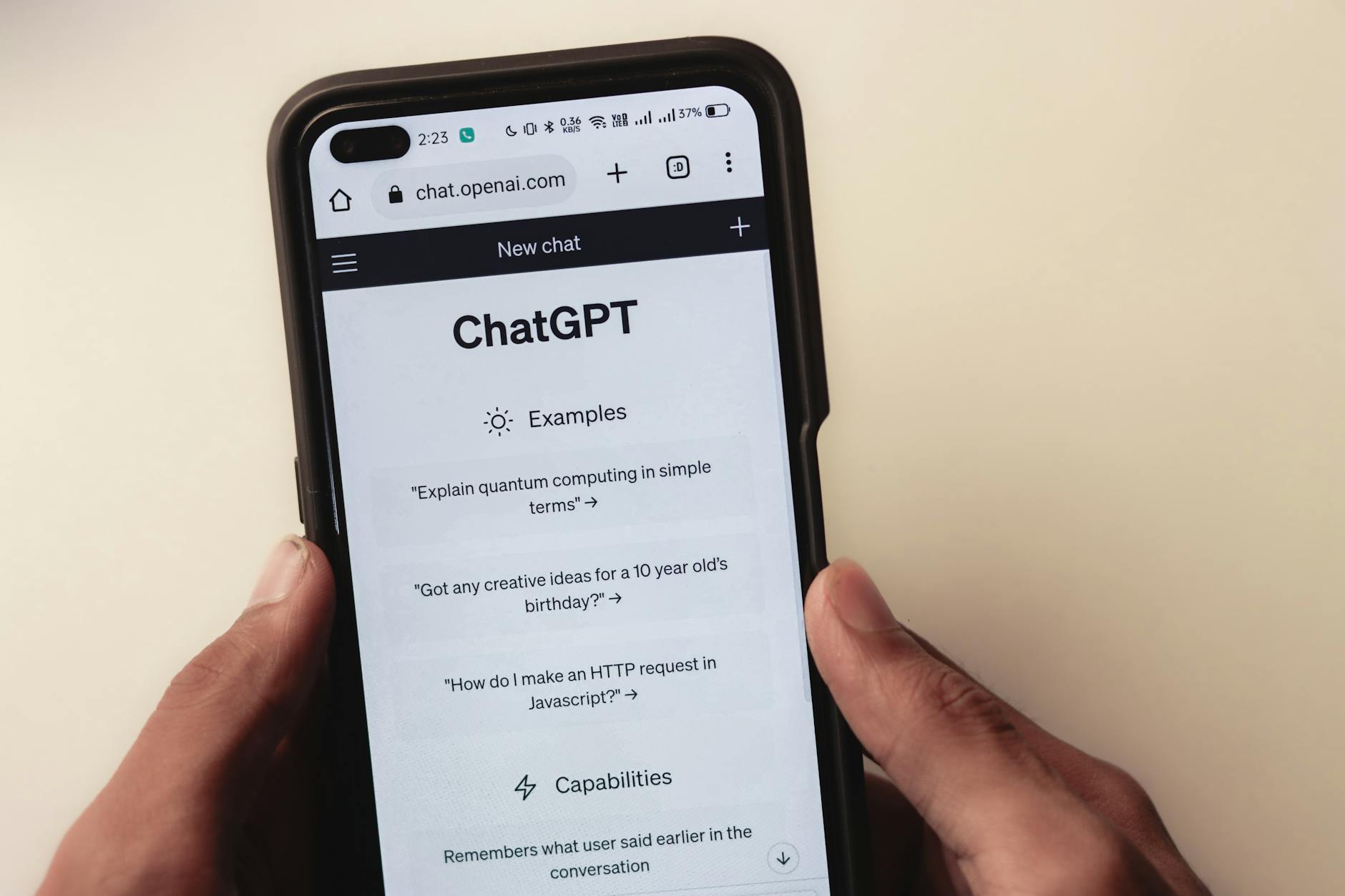

For patients attempting weight management, accurate calorie tracking is a cornerstone of dietary intervention. The rise of AI-powered photo-based tools promised a convenient solution, simplifying the tedious process of manual food logging. But convenience does not always equate to precision, and the clinical utility of these apps hinges entirely on their accuracy.
Weight management, whether for obesity, diabetes, or cardiovascular risk reduction, frequently relies on creating a caloric deficit. Patients are often advised to monitor their food intake, a task traditionally performed through manual logging or estimation. The advent of smartphone applications leveraging artificial intelligence and image recognition technology aimed to streamline this process, allowing users to simply photograph their meals for automated calorie and macronutrient estimation. This approach was envisioned to reduce the burden of manual entry, thereby improving adherence and accuracy.
The underlying mechanism of these AI tools involves complex algorithms trained on vast datasets of food images and nutritional information. When a user uploads a photo, the AI attempts to identify individual food items, estimate portion sizes, and then calculate the corresponding caloric content based on its internal database. This process is inherently challenging, as food presentation, lighting, and the precise composition of dishes can vary widely. The promise was a seamless, objective method for dietary assessment, but the reality appears to fall short of this ideal.
The Accuracy Gap
Analysis of these AI photo-based calorie tracking tools reveals a consistent and substantial underestimation of actual caloric intake. Across various studies and user scenarios, these applications typically miss approximately 33% of the calories consumed. This is not a minor discrepancy; it represents a significant portion of a patient's daily energy intake, enough to completely negate a carefully planned caloric deficit for weight loss.
Consider a patient aiming for a 500-calorie daily deficit to achieve a modest weight loss. If their AI tracker consistently underestimates their intake by 33%, a meal reported as 600 calories might actually contain 900 calories. This means the patient is consuming an extra 300 calories per meal, or potentially 900 calories over three meals, effectively erasing their intended deficit. For patients with conditions like type 2 diabetes, where precise carbohydrate counting is critical for insulin dosing, such inaccuracies could also have clinical consequences beyond just weight management.
Why the Discrepancy Persists
The reasons for this persistent underestimation are multifactorial. One primary challenge lies in the accurate identification of food items. Many dishes, particularly mixed meals or ethnic foods, are complex and difficult for an AI to parse into individual components. A photograph of a casserole, for instance, provides limited information about the specific ingredients, their proportions, or the cooking methods used, all of which heavily influence caloric density.
Portion size estimation is another significant hurdle. Humans are notoriously poor at estimating portion sizes, and AI systems face similar difficulties when presented with a two-dimensional image. The AI often struggles with hidden ingredients, such as oils, sauces, or dressings, which can add substantial calories without being visually prominent. These caloric additions are frequently overlooked or underestimated by the algorithms.
Implications for Clinical Practice
The consistent underestimation by these tools means that patients relying solely on them for dietary guidance may become frustrated by a lack of progress despite diligent tracking. This can lead to disengagement from weight management programs or, worse, an increase in caloric intake under the false impression that they are still within their targets. For clinicians, this presents a challenge when reviewing patient dietary logs generated by these apps, as the data may not accurately reflect actual consumption. The data provided by these apps, while seemingly objective, can be misleading, making it difficult to assess adherence or adjust dietary recommendations effectively.
The utility of these tools might lie more in raising general awareness of food choices and meal patterns rather than providing precise caloric data. They can serve as a starting point for patients to reflect on their eating habits, but they are not a substitute for comprehensive dietary education or, when necessary, consultation with a registered dietitian. Clinicians should emphasize that while these apps offer convenience, they are not infallible and should be used with a critical eye. For a more robust understanding of nutrition and dietary management, the Oxford Handbook of Endocrinology and Diabetes provides practical guidance on managing conditions where diet plays a central role.
Moving Forward
The development of AI in health technology is rapid, and future iterations of these calorie trackers may improve in accuracy. But current limitations suggest that a degree of human oversight and education remains essential. Patients need to understand the inherent challenges in automated food recognition and portion estimation. They also need to be equipped with fundamental knowledge about caloric density and macronutrient content to critically evaluate the information provided by these apps.
The open-label nature of using these apps in real-world settings is an obvious caveat; users are not in a controlled environment, and the variability in their food choices and photo-taking habits introduces significant noise. Whether future AI models can overcome the visual ambiguity of complex meals and accurately account for hidden calories remains an open question. Until then, clinicians should manage patient expectations regarding the precision of these tools.
The widespread adoption of AI photo-based calorie trackers presents a double-edged sword for clinicians. While they offer an accessible entry point for patients to engage with dietary awareness, their substantial underestimation of caloric intake means the data they generate is often unreliable. Relying on these apps for precise dietary management, particularly for patients with conditions requiring strict caloric or macronutrient control, is likely to lead to frustration and suboptimal outcomes.
Clinicians should proactively discuss the limitations of these tools with patients. It is essential to temper enthusiasm for technological convenience with a dose of reality regarding accuracy. Instead of viewing these apps as definitive calorie counters, they are perhaps better positioned as educational aids that prompt general reflection on eating habits, rather than providing actionable, precise numerical targets.
The core principles of nutrition education, including understanding portion sizes, identifying calorie-dense foods, and recognizing hidden fats and sugars, remain paramount. No app can fully replace the guidance a dietitian provides, or the foundational knowledge a patient gains through structured education. We must ensure that technology augments, rather than replaces, sound clinical advice and patient understanding.
- The Pivot AI photo-based calorie trackers, while convenient, are not accurate enough for reliable dietary management.
- The Data These tools underestimate caloric intake by approximately 33%, a substantial error for patients aiming for specific energy deficits.
- The Action Clinicians should caution patients against over-reliance on these apps for precise calorie counting and instead emphasize broader dietary education and portion control.
ART-2026-1114
·10/26
Drafted with AI assistance, reviewed and approved by the editorial team. This publication is intended for healthcare professionals, researchers, and life science industry professionals. Content is provided for informational and educational purposes only and does not constitute medical advice.

I write about AI in healthcare: the validation studies, the deployment failures, and the regulatory questions without answers yet. Based in San Francisco, close to where the technology is built.
Cite This Article
Chen L, Voss M. AI calorie trackers miss a third of intake, undermining weight goals. The Life Science Feed. Published August 20, 2026. Updated October 4, 2026. Accessed October 4, 2026. https://thelifesciencefeed.com/healthcare-sys-and-biz/ai-in-healthcare/insights/ai-calorie-trackers-miss-a-third-of-intake-undermining-weight-goals.
Editorial & AI Standards
All content is researched from peer-reviewed, open-access sources: published trial data, clinical guidelines, and regulatory filings. AI tools are used solely to structure and summarise that evidence; no AI-generated conclusions appear without editor verification against the primary source.
Every article is reviewed by a named editor before publication. Source citations are listed in the References section. This content does not represent the views of any pharmaceutical company, medical device manufacturer, or healthcare provider.
Licence & Rights
© 2026 The Life Science Feed. All rights reserved. Unless otherwise indicated, all content is the property of The Life Science Feed and may not be reproduced, distributed, or transmitted in any form or by any means without prior written permission.
Medical Disclaimer
The information provided on The Life Science Feed is for educational and informational purposes only. It is not intended as a substitute for professional medical advice, diagnosis, or treatment. Always seek the advice of your physician or other qualified healthcare provider regarding any medical condition or treatment decision. Never disregard professional medical advice or delay in seeking it because of something you have read on this website.
References
1. Veronese N, Ragusa FS, Pegreffi F, et al. Sarcopenic obesity and health outcomes: An umbrella review of systematic reviews with meta-analysis. J Cachexia Sarcopenia Muscle. 2024;15(4):1264-1274. doi:10.1002/jcsm.13502
2. Nogueira-de-Almeida CA, Weffort VRS, Ued FDV, et al. What causes obesity in children and adolescents? J Pediatr (Rio J). 2024;100 Suppl 1(Suppl 1):S48-S56. doi:10.1016/j.jped.2023.09.011
3. Hoxha I, Sadiku F, Hoxha L, et al. Breast Cancer and Lifestyle Factors: Umbrella Review. Hematol Oncol Clin North Am. 2024;38(1):137-170. doi:10.1016/j.hoc.2023.07.005
4. Chen M, Wu R, Chen R, et al. Acupuncture for Treatment of Obesity: An Umbrella Review. J Evid Based Med. 2025;18(4):e70083. doi:10.1111/jebm.70083
5. Bellicha A, van Baak MA, Battista F, et al. Effect of exercise training on weight loss, body composition changes, and weight maintenance in adults with overweight or obesity: An overview of 12 systematic reviews and 149 studies. Obes Rev. 2021;22 Suppl 4(Suppl 4):e13256. doi:10.1111/obr.13256
6. Kristoffersen E, Hjort SL, Thomassen LM, et al. Umbrella Review of Systematic Reviews and Meta-Analyses on the Consumption of Different Food Groups and the Risk of Overweight and Obesity. Nutrients. 2025;17(4). doi:10.3390/nu17040662