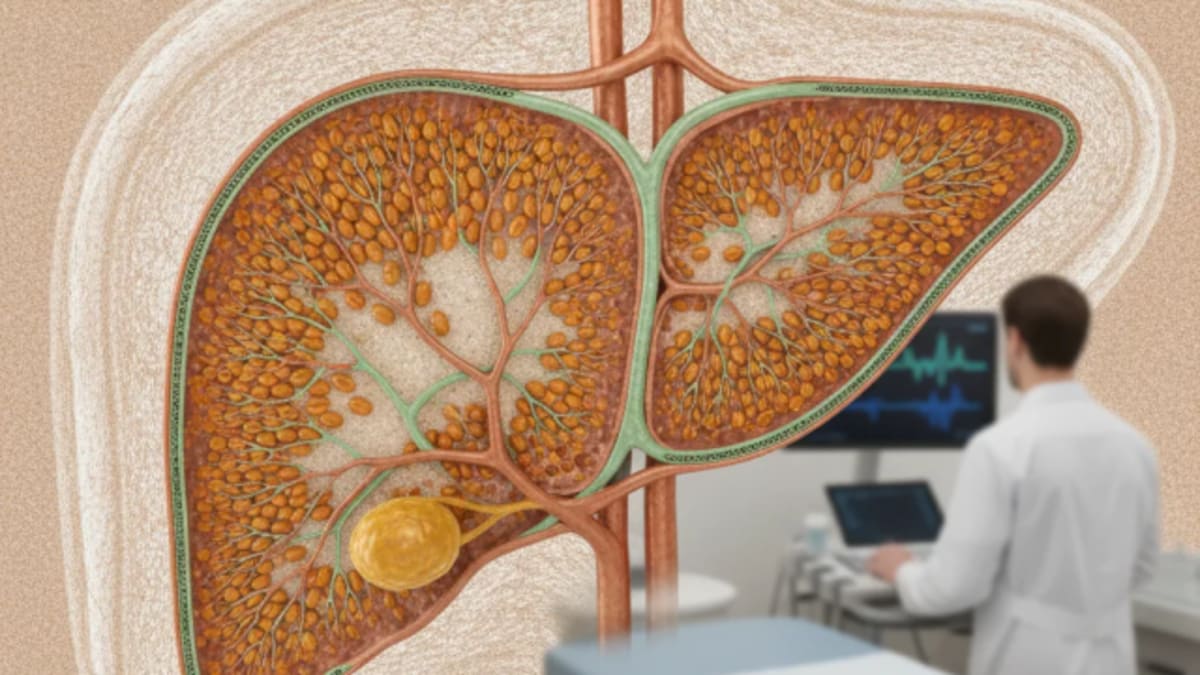

Effective communication between healthcare professionals, patients, and their families remains a persistent challenge in clinical practice, often impacting treatment adherence and patient outcomes. The upcoming EASL 2026 Patient & Advocate Forum will focus on strategies to improve these interactions and foster better collaboration within the care team.
The complexity of liver diseases, coupled with the need for long-term management and lifestyle modifications, necessitates clear and empathetic communication between clinicians, patients, and their families. Misunderstandings regarding diagnosis, prognosis, and treatment regimens can lead to suboptimal adherence and increased healthcare utilisation. The Patient & Advocate Forum at EASL 2026 aims to address these critical areas by providing a platform for discussing best practices and innovative solutions.1
Key areas of focus include the development of patient education materials that are accessible and culturally sensitive, strategies for eliciting patient preferences and values, and methods for ensuring that patients feel heard and respected throughout their care journey. The forum will also explore the role of patient advocates in bridging communication gaps and empowering patients to participate actively in their own healthcare decisions.1
Chronic liver diseases, such as non-alcoholic fatty liver disease (NAFLD), viral hepatitis, and alcoholic liver disease, represent a significant global health burden. The progressive nature of these conditions often leads to cirrhosis, liver failure, and hepatocellular carcinoma, requiring complex medical interventions and significant lifestyle changes. Patients frequently face a multitude of symptoms, including fatigue, pain, and cognitive impairment, which can further complicate their ability to process and act upon medical information. Effective communication is therefore not merely a matter of courtesy but a fundamental component of clinical care that directly impacts patient outcomes and quality of life. The forum acknowledges the diverse patient populations affected by liver disease, including those with varying levels of health literacy, socioeconomic backgrounds, and cultural beliefs, all of which influence communication dynamics.2
Forum Objectives and Discussion Points
The EASL 2026 forum is structured to facilitate dialogue on several core objectives. One primary objective is to identify common barriers to effective communication in hepatology, ranging from time constraints in clinical settings to the use of complex medical jargon. Discussions will cover how to simplify medical information without oversimplifying the clinical reality, ensuring patients grasp the implications of their condition and treatment options.2
A significant portion of the forum will be dedicated to exploring collaborative models within the care team. This includes examining how nurses, dietitians, social workers, and other allied health professionals can work synergistically with physicians to provide comprehensive patient support. The emphasis is on creating a unified message for patients, reducing conflicting information, and ensuring a holistic approach to care. For instance, the role of specialist nurses in explaining medication side effects and monitoring adherence will be a key discussion point, as will the integration of mental health support for patients coping with chronic liver conditions.2
Another objective is to highlight successful patient engagement initiatives. These may include shared decision-making tools, patient support groups, and digital health platforms designed to enhance patient education and self-management. The forum will also address the ethical considerations surrounding patient communication, particularly in sensitive areas such as end-of-life care and organ transplantation. Ensuring that patients and families receive accurate, compassionate, and timely information in these contexts is paramount.3
While the forum does not present new clinical trial data, its value lies in synthesising established principles of patient-centred care and applying them specifically to the context of liver disease. The discussions are expected to inform future guidelines and educational initiatives aimed at improving communication skills among healthcare professionals and fostering a more collaborative care environment. The ultimate goal is to enhance patient satisfaction, improve treatment outcomes, and reduce the burden of liver disease on individuals and healthcare systems.3
The methodology for the forum involves a series of expert-led presentations, interactive workshops, and moderated panel discussions. Participants will engage in case-based scenarios to practice communication strategies and receive feedback from peers and experienced clinicians. The forum will also incorporate perspectives from patient advocacy groups, ensuring that the patient voice is central to all discussions. Limitations of such a forum include the inherent variability in communication styles among individuals and the challenge of translating theoretical best practices into consistent clinical application across diverse healthcare settings. Furthermore, while the forum aims to provide actionable strategies, the long-term impact on patient outcomes requires ongoing evaluation and implementation efforts beyond the event itself. The forum will also explore the role of health literacy assessments and tailored communication interventions, recognizing that a one-size-fits-all approach is insufficient for the complex needs of liver disease patients.1
The persistent focus on communication at major medical conferences like EASL underscores a fundamental truth: medical advancements are only as effective as our ability to convey them to patients. For clinicians, this forum serves as a timely reminder that technical expertise, while essential, is insufficient without commensurate communication skills. The expectation that patients will simply 'comply' with complex regimens without clear, empathetic explanation is a clinical fallacy. Investing in training for shared decision-making and active listening is not merely a soft skill; it is a direct determinant of adherence and, by extension, clinical efficacy. The industry, particularly pharmaceutical companies, should recognise that their innovations require more than just regulatory approval; they demand effective patient education strategies to realise their full potential in the real world. A drug that is misunderstood is a drug that is underutilised or misused.
The emphasis on interprofessional collaboration is equally critical. The siloed approach to patient care, where physicians deliver a diagnosis and then delegate education to other team members without a unified strategy, creates confusion and erodes trust. A truly collaborative model, as advocated by the forum, means every member of the care team speaks with a consistent voice, reinforcing key messages and addressing patient concerns comprehensively. This requires structured communication pathways and regular team briefings, which, while demanding time, ultimately streamline care and reduce preventable errors. Patients, in turn, benefit from a coherent narrative about their health, empowering them to become active participants rather than passive recipients of care. This shift from paternalistic models to genuine partnership is long overdue and essential for managing chronic conditions like liver disease effectively.
The forum's discussions, while not presenting novel data, highlight the enduring gap between theoretical best practices in communication and their consistent application in busy clinical settings. It is a call to action for healthcare systems to prioritise communication training and allocate resources for patient education materials that are truly fit for purpose. Without these foundational elements, even the most advanced therapies risk falling short of their promise. The continued need for such forums suggests that while the principles are well-established, their implementation remains a significant challenge, requiring ongoing commitment from all stakeholders.
- The Pivot The forum highlights the need for structured approaches to patient communication and interprofessional collaboration in hepatology.
- The Data While specific quantitative data from the forum are pending, the emphasis is on qualitative improvements in patient experience and shared decision-making.
- The Action Clinicians should integrate patient-centred communication techniques and actively involve patient advocates in care planning to enhance treatment engagement.
ART-2026-91
·09/26
Drafted with AI assistance, reviewed and approved by the editorial team. This publication is intended for healthcare professionals, researchers, and life science industry professionals. Content is provided for informational and educational purposes only and does not constitute medical advice.

I specialise in clinical trial methodology and drug development, from Phase I to post-approval. My reports cover what got studied, what did not, and why. Based in Boston, reporting globally.
Cite This Article
Prescott D, Lopes W. EASL 2026 forum: enhancing patient-clinician communication. The Life Science Feed. Published May 18, 2026. Updated September 28, 2026. Accessed October 1, 2026. https://thelifesciencefeed.com/hepatology/liver-cirrhosis/insights/easl-2026-forum-enhancing-patient-clinician-communication.
Editorial & AI Standards
All content is researched from peer-reviewed, open-access sources: published trial data, clinical guidelines, and regulatory filings. AI tools are used solely to structure and summarise that evidence; no AI-generated conclusions appear without editor verification against the primary source.
Every article is reviewed by a named editor before publication. Source citations are listed in the References section. This content does not represent the views of any pharmaceutical company, medical device manufacturer, or healthcare provider.
Licence & Rights
© 2026 The Life Science Feed. All rights reserved. Unless otherwise indicated, all content is the property of The Life Science Feed and may not be reproduced, distributed, or transmitted in any form or by any means without prior written permission.
Medical Disclaimer
The information provided on The Life Science Feed is for educational and informational purposes only. It is not intended as a substitute for professional medical advice, diagnosis, or treatment. Always seek the advice of your physician or other qualified healthcare provider regarding any medical condition or treatment decision. Never disregard professional medical advice or delay in seeking it because of something you have read on this website.
References
1. European Association for the Study of the Liver. EASL 2026 Patient & Advocate Forum: Communicating with patients and families – Collaborations with the care team. EASL. 2026.
2. World Health Organization. Communication for health. WHO. 2023.
3. Institute for Healthcare Improvement. Communicating with patients. IHI. 2024.