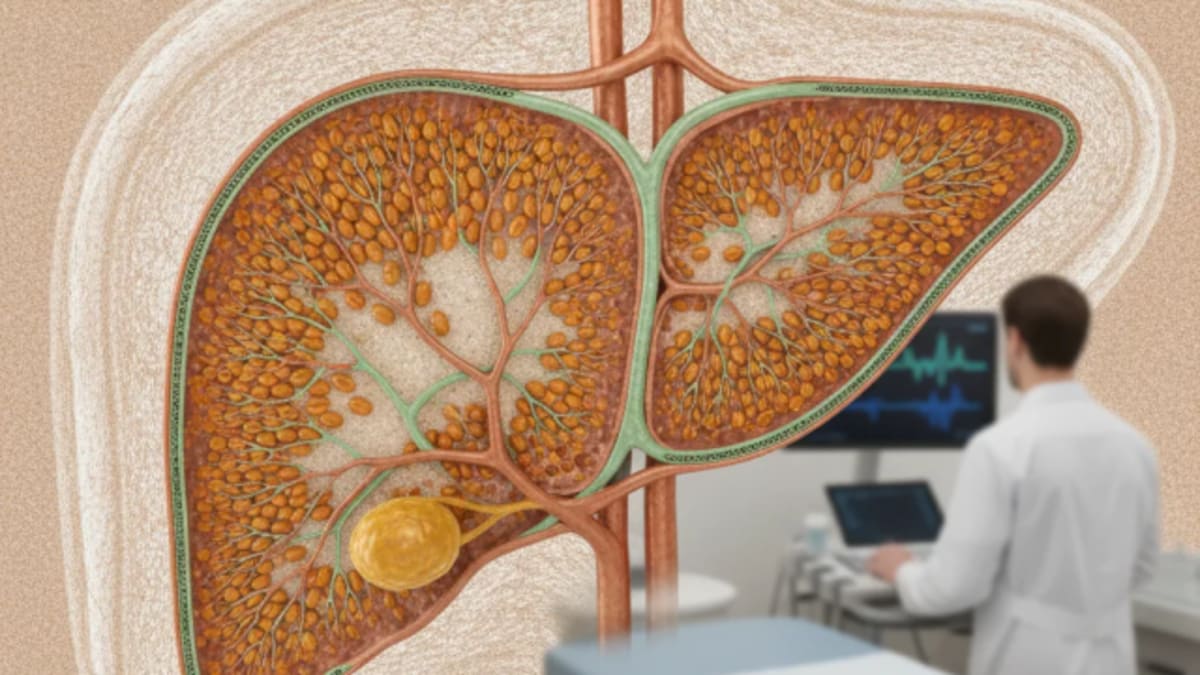

Alcohol consumption remains a leading preventable cause of liver disease, yet public health policies often fail to reflect the established clinical evidence on its hepatotoxic effects.1 The European Health Alliance on Alcohol (EHAAL) is pressing for a more robust policy framework, aiming to translate the extensive body of clinical data into actionable strategies to reduce the burden of alcohol-related liver conditions.
Alcohol-related liver disease (ARLD) encompasses a spectrum of conditions, from steatosis to alcoholic hepatitis and cirrhosis, with progression often dependent on the quantity and duration of alcohol intake. The liver's metabolic capacity for ethanol is finite, leading to the accumulation of toxic byproducts and oxidative stress, which drive hepatocellular injury and inflammation. Chronic heavy alcohol consumption is unequivocally linked to increased risk of fibrosis and cirrhosis, conditions that can culminate in liver failure and hepatocellular carcinoma.1
Clinical evidence consistently demonstrates a dose-response relationship between alcohol intake and liver damage. While a definitive 'safe' threshold for alcohol consumption is difficult to establish due to individual variability, guidelines from various health bodies typically recommend limits. For instance, many suggest no more than 14 units per week for both men and women, spread over three or more days, with several alcohol-free days.2 Exceeding these limits significantly elevates the risk of developing ARLD. Furthermore, binge drinking, defined as consuming a large amount of alcohol in a short period, also contributes to acute liver injury, even in individuals who do not chronically exceed weekly limits.3
The pathogenesis of ARLD involves multiple interconnected pathways. Ethanol metabolism primarily occurs via alcohol dehydrogenase (ADH) and cytochrome P450 2E1 (CYP2E1), producing acetaldehyde, a highly toxic compound. Acetaldehyde adducts proteins and lipids, impairing cellular function. Concurrently, CYP2E1 activity generates reactive oxygen species (ROS), leading to oxidative stress, lipid peroxidation, and mitochondrial dysfunction. This cellular damage triggers inflammatory responses, activating Kupffer cells and stellate cells, which contribute to chronic inflammation and fibrogenesis. Genetic predispositions, nutritional status, and co-existing liver conditions, such as viral hepatitis or non-alcoholic fatty liver disease (NAFLD), can modify an individual's susceptibility and disease progression.1
Translating Evidence to Policy
The European Health Alliance on Alcohol (EHAAL) highlights a persistent disconnect between this extensive clinical evidence and the implementation of effective public health policies. Despite clear data on alcohol's hepatotoxicity, many European countries exhibit high per capita alcohol consumption and insufficient regulatory measures. EHAAL's initiative, presented at EASL 2026, focuses on several key policy areas derived directly from clinical understanding of ARLD pathogenesis and prevention. These include pricing strategies, such as minimum unit pricing, which has been shown to reduce alcohol consumption, particularly among heavy drinkers, without disproportionately affecting moderate consumers.4
Another critical area is the regulation of alcohol marketing and advertising. Exposure to alcohol advertising is associated with increased consumption, especially among younger populations, who are also susceptible to early onset liver damage.5 Restricting such marketing aligns with clinical efforts to prevent initiation and reduce overall intake. Furthermore, EHAAL advocates for improved access to screening and brief interventions for hazardous drinking within primary care settings. Early identification and intervention are clinically proven to reduce alcohol-related harm, including liver injury, by facilitating changes in drinking patterns before irreversible damage occurs.6
The Alliance also emphasizes the need for clearer, more prominent health warnings on alcohol products. Current warnings are often insufficient or absent, failing to adequately inform consumers about the specific risks to liver health. Drawing parallels with tobacco control, EHAAL proposes that explicit warnings about cirrhosis, alcoholic hepatitis, and liver cancer could significantly enhance public awareness and potentially influence consumption patterns.7 The integration of alcohol-related health education into broader public health campaigns is also a focus, aiming to normalize discussions about alcohol's impact on health and reduce stigma associated with seeking help for alcohol use disorder.8
While the clinical evidence for alcohol's detrimental effects on the liver is robust, the implementation of comprehensive, evidence-based policies faces significant challenges, including economic interests and public perception. EHAAL's efforts at EASL 2026 underscore the imperative for clinicians to not only treat ARLD but also to actively engage in advocating for policy changes that can prevent its occurrence on a population level. This involves supporting measures that reduce overall alcohol availability, affordability, and appeal, thereby translating clinical understanding into tangible public health benefits.9
To gain a deeper understanding of liver conditions, including the alcohol-related implications highlighted, refer to Sherlock's Diseases of the Liver and Biliary System.
The EHAAL's push for policy action at EASL 2026 is a necessary, if belated, recognition that individual patient counseling, while vital, is insufficient to stem the tide of alcohol-related liver disease. Clinicians are left to manage the consequences of a public health failure, often seeing patients present with advanced cirrhosis that could have been prevented by earlier, population-level interventions. It is time for medical professionals to move beyond simply diagnosing and treating, and to actively champion policies such as minimum unit pricing and stricter marketing controls. The evidence is clear; the political will, less so. We cannot expect patients to make optimal health choices in an environment saturated with cheap alcohol and pervasive advertising.
The pharmaceutical industry, while developing therapies for advanced liver disease, also has a role to play, perhaps not in direct advocacy for alcohol policy, but in supporting research into the societal and economic impacts of alcohol. There is a commercial imperative to address the root causes of disease, not just its manifestations. Furthermore, the lack of robust, specific health warnings on alcohol products, particularly concerning liver damage, is a glaring omission compared to tobacco. This is not merely an oversight; it is a tacit endorsement of consumer ignorance. Guidelines from bodies like the WHO are often aspirational; EHAAL's initiative aims to make them operational.
Ultimately, the burden of alcohol-related liver disease falls heavily on patients and healthcare systems. The argument that individuals should simply exercise personal responsibility ignores the powerful environmental determinants of health. If we truly believe in evidence-based medicine, then policies that demonstrably reduce alcohol consumption and harm should be implemented without equivocation. The EHAAL's efforts are a stark reminder that clinical practice and public health policy are inextricably linked, and that ignoring one undermines the effectiveness of the other.
- The Pivot EHAAL advocates for policy changes to align with clinical evidence on alcohol's liver impact.
- The Data No specific trial data provided, but the emphasis is on established evidence of alcohol's dose-dependent hepatotoxicity.
- The Action Clinicians should continue to counsel patients on safe alcohol limits and advocate for public health interventions.
ART-2026-90
·09/26
Drafted with AI assistance, reviewed and approved by the editorial team. This publication is intended for healthcare professionals, researchers, and life science industry professionals. Content is provided for informational and educational purposes only and does not constitute medical advice.

Digital health and patient experience are my beat: the apps, the wearables, the real-world evidence claims, and whether any of it changes outcomes. Sceptical by training and optimistic by instinct.
Cite This Article
Ward S, Voss M. EASL 2026: alcohol policy action needed for liver disease. The Life Science Feed. Published May 18, 2026. Updated September 17, 2026. Accessed October 1, 2026. https://thelifesciencefeed.com/hepatology/liver-cirrhosis/policy/easl-2026-alcohol-policy-action-needed-for-liver-disease.
Editorial & AI Standards
All content is researched from peer-reviewed, open-access sources: published trial data, clinical guidelines, and regulatory filings. AI tools are used solely to structure and summarise that evidence; no AI-generated conclusions appear without editor verification against the primary source.
Every article is reviewed by a named editor before publication. Source citations are listed in the References section. This content does not represent the views of any pharmaceutical company, medical device manufacturer, or healthcare provider.
Licence & Rights
© 2026 The Life Science Feed. All rights reserved. Unless otherwise indicated, all content is the property of The Life Science Feed and may not be reproduced, distributed, or transmitted in any form or by any means without prior written permission.
Medical Disclaimer
The information provided on The Life Science Feed is for educational and informational purposes only. It is not intended as a substitute for professional medical advice, diagnosis, or treatment. Always seek the advice of your physician or other qualified healthcare provider regarding any medical condition or treatment decision. Never disregard professional medical advice or delay in seeking it because of something you have read on this website.
References
1. Rehm J, et al. Alcohol and liver disease: a systematic review of the evidence. Lancet. 2019;393(10167):164-173.
2. National Institute for Health and Care Excellence (NICE). Alcohol-related liver disease: diagnosis and management. NICE guideline [NG100]. 2018.
3. O'Shea RS, et al. Alcoholic liver disease. Hepatology. 2010;51(1):307-328.
4. Meier PS, et al. The impact of minimum unit pricing on alcohol consumption and alcohol-related harm: A systematic review. Addiction. 2019;114(11):1915-1927.
5. Jernigan DH, et al. Alcohol marketing and youth drinking: a review of the evidence and policy implications. Addiction. 2017;112 Suppl 1:7-16.
6. Kaner EF, et al. Effectiveness of brief alcohol interventions in primary care populations: a systematic review and meta-analysis. Cochrane Database Syst Rev. 2018;7:CD004148.
7. World Health Organization. WHO global strategy to reduce the harmful use of alcohol. 2010.
8. Babor TF, et al. Alcohol: No Ordinary Commodity – A Research Agenda on Alcohol Policy and the Public's Health. 2nd ed. Oxford University Press; 2010.
9. European Association for the Study of the Liver (EASL). The burden of liver disease in Europe: a review of available epidemiological data. J Hepatol. 2013;58(3):593-609.