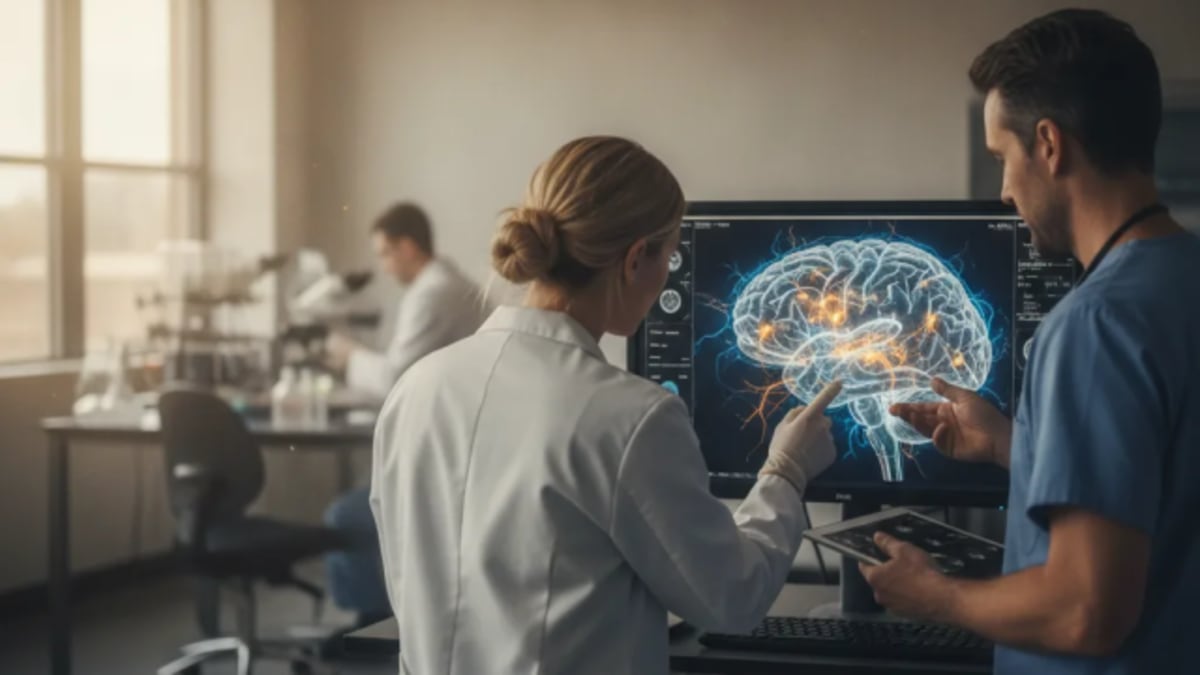
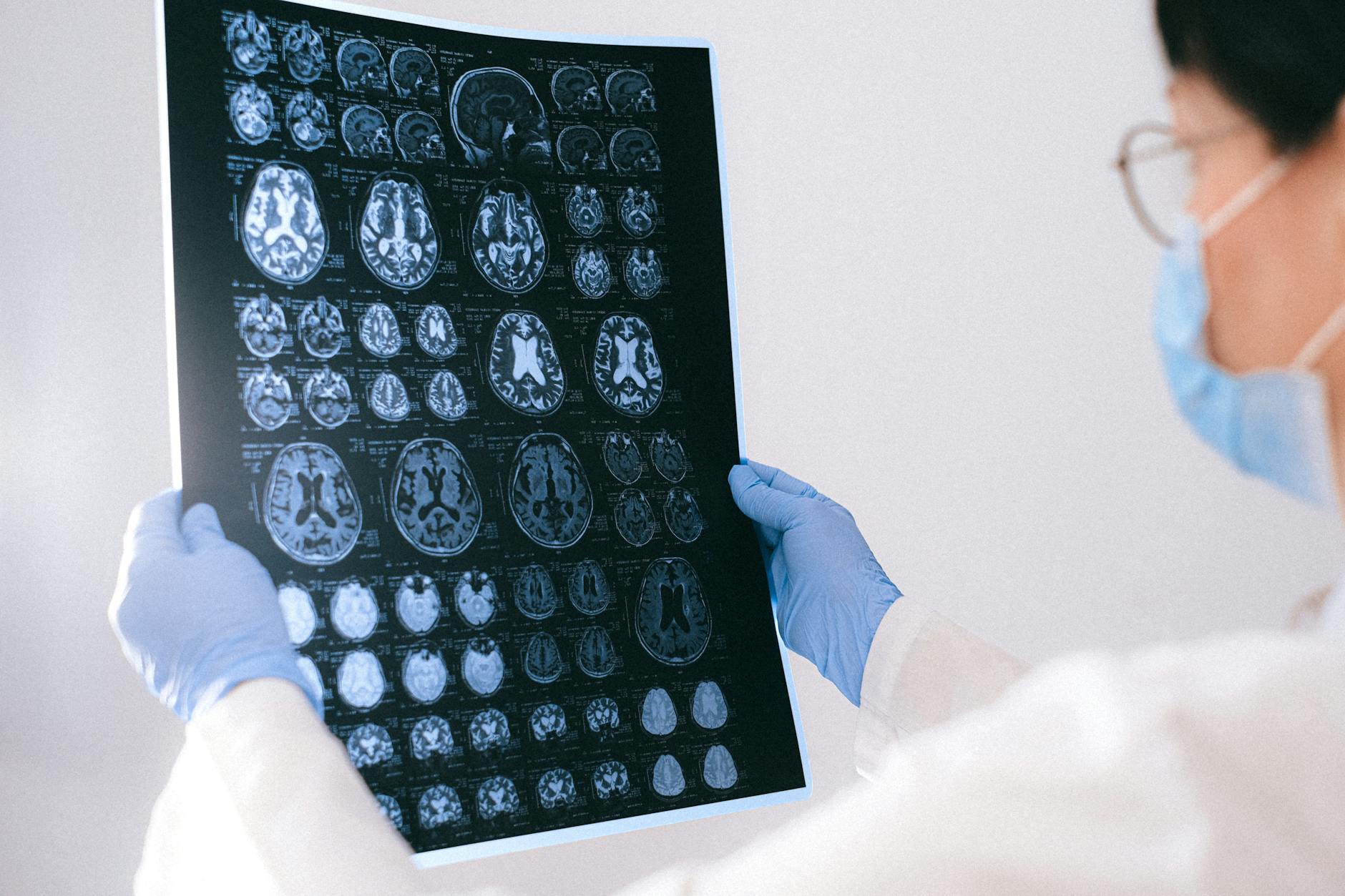
Simulating the human brain computationally presents a significant challenge, particularly in accurately modeling its complex dynamic states. Recent research has introduced advanced methodologies for identifying these states, offering a more precise understanding of neural network activity than previously possible.
The analysis of dynamic states in neural networks is a critical area within synchronization theory. One particularly interesting state is the chimera state, characterized by the coexistence of coherent and incoherent activity clusters. While chimera states have been observed in various networks, their precise automatic identification in neuronal networks has proven methodologically difficult. Traditional approaches, which identify chimeras as regimes distinct from asynchronous states or full synchronization based on diverse order parameters, often suffer from inconsistencies. For instance, these methods poorly differentiate chimera states from other regimes such as traveling waves and multi-cluster synchronization.1-3
Advancing Neural Network Analysis
A more reliable alternative for identifying chimera states involves studying distinct coherence and incoherence regions within the network, the location of which is itself a primary interest in neural activity analysis.1-3 A recently introduced methodology, the metric framework (MF) for identifying coherent activity patterns, addresses these limitations.1-3
Radushev et al. utilized the MF-based chimera identification method to analyze dynamic states in a ring network of type-I Morris-Lecar neurons, which model brain pyramidal neuron activity.1 This study accounted for multistability within the network, leading to the discovery of an abundance of traveling wave states beyond their previously reported existence areas.1
Zarghami further explored multiscale parcellation of dynamic causal models of the brain, contributing to the understanding of how these complex states can be modeled and identified.2 The work highlights the ongoing challenge of precisely identifying chimera states and the need for improved methodologies.2
Chen et al. emphasized that computational models of social cognition should incorporate social relationships as core primitives.3 While not directly focused on chimera states, this research underscores the complexity of brain function and the need for sophisticated models that can capture intricate interactions, whether at the neuronal or social level.3 The underlying challenge across these studies remains the accurate representation and identification of dynamic patterns within neural systems.1-3
Limitations and Future Directions
The current research, while advancing the identification of dynamic states, is primarily based on computational models like the Morris-Lecar neuron network.1 The direct translation of these findings to in vivo human brain activity requires further validation. The complexity of the human brain, with its vast number of neurons and synaptic connections, presents a scale challenge that current simulations are still working to address comprehensively. Future research will need to bridge the gap between theoretical models and empirical neurophysiological data to confirm the clinical relevance of these identified dynamic states. Additionally, integrating social relationships into computational models, as suggested by Chen et al., could provide a more holistic understanding of brain function, particularly in areas related to social cognition.3
The clinical implications of more accurate brain models are substantial. Improved identification of chimera states and other complex dynamic patterns could lead to a deeper understanding of neurological disorders characterized by disrupted brain activity, such as epilepsy, schizophrenia, and Parkinson's disease. For instance, abnormal synchronization patterns are a hallmark of epileptic seizures, and the ability to precisely identify and track these patterns in models could inform the development of more targeted therapeutic interventions. Similarly, understanding the breakdown of coherent activity in conditions like schizophrenia could provide insights into cognitive deficits and guide the development of novel diagnostic biomarkers.
Furthermore, the integration of social relationships into computational models holds promise for advancing our understanding of neurodevelopmental disorders like autism spectrum disorder, where social cognition is significantly impacted. By modeling the interplay between neuronal dynamics and social interactions, researchers may uncover the underlying mechanisms of these conditions and identify potential avenues for early intervention and personalized therapies. The ability to simulate and predict the effects of different interventions on these complex brain states in silico could significantly accelerate drug discovery and optimize treatment strategies, ultimately leading to better patient outcomes.
Continued advancements in computational power and neuroimaging techniques will be crucial for realizing the full potential of these sophisticated brain models. Bridging the gap between theoretical models and empirical data, perhaps through the use of advanced machine learning algorithms to analyze large-scale neurophysiological datasets, will be essential for validating model predictions and translating them into clinically actionable insights. This interdisciplinary approach, combining theoretical neuroscience, computational modeling, and clinical research, is poised to revolutionize our understanding of the brain and pave the way for more effective treatments for a wide range of neurological and psychiatric conditions.
The ability to precisely identify complex dynamic states like chimera states and traveling waves in neural networks, as demonstrated by the metric framework, represents a significant step forward for neurological research. For clinicians, this means that future diagnostic tools and therapeutic interventions, particularly for conditions characterized by abnormal brain rhythms such as epilepsy or certain psychiatric disorders, could become more targeted. If computational models can accurately predict and differentiate these states, it may eventually lead to personalized treatment strategies that modulate specific neural patterns, moving beyond broad-spectrum approaches.
The industry, particularly companies developing neuroimaging software and brain-computer interfaces, should take note. Improved computational models offer opportunities for developing more sophisticated algorithms for data analysis and real-time brain state monitoring. This could translate into new product lines for neurofeedback devices or advanced analytics platforms for pharmaceutical companies conducting trials on neurological drugs. The precision offered by these new methods could reduce the noise in clinical trial data, potentially accelerating drug development for conditions where current biomarkers are imprecise.
For patients, the long-term implications are promising. A deeper, more accurate understanding of brain dynamics could lead to earlier and more precise diagnoses, reducing the diagnostic odyssey many face with complex neurological conditions. While these are still early computational steps, the foundation is being laid for a future where brain disorders are understood not just by their symptoms, but by the specific, identifiable dynamic patterns of neural activity that underpin them. This could ultimately lead to more effective treatments and a better quality of life for those affected.
- The Pivot A new metric framework (MF) improves the identification of complex dynamic states in neural networks, addressing inconsistencies of traditional methods.
- The Data The MF method precisely differentiates chimera states from other regimes like traveling waves and multi-cluster synchronization in Morris-Lecar neuron models.
- The Action Clinicians and researchers should consider these advanced computational models for more accurate analysis of brain activity patterns in future neurological research.
ART-2026-610
·09/26
Drafted with AI assistance, reviewed and approved by the editorial team. This publication is intended for healthcare professionals, researchers, and life science industry professionals. Content is provided for informational and educational purposes only and does not constitute medical advice.

I specialise in clinical trial methodology and drug development, from Phase I to post-approval. My reports cover what got studied, what did not, and why. Based in Boston, reporting globally.
Cite This Article
Prescott D, Lopes W. Neurological research: more accurate brain models mean better patient insights. The Life Science Feed. Published August 6, 2026. Updated September 16, 2026. Accessed September 20, 2026. https://thelifesciencefeed.com/neurology/alzheimer-disease/innovation/neurological-research-more-accurate-brain-models-mean-better-patient-insights.
Editorial & AI Standards
All content is researched from peer-reviewed, open-access sources: published trial data, clinical guidelines, and regulatory filings. AI tools are used solely to structure and summarise that evidence; no AI-generated conclusions appear without editor verification against the primary source.
Every article is reviewed by a named editor before publication. Source citations are listed in the References section. This content does not represent the views of any pharmaceutical company, medical device manufacturer, or healthcare provider.
Licence & Rights
© 2026 The Life Science Feed. All rights reserved. Unless otherwise indicated, all content is the property of The Life Science Feed and may not be reproduced, distributed, or transmitted in any form or by any means without prior written permission.
Medical Disclaimer
The information provided on The Life Science Feed is for educational and informational purposes only. It is not intended as a substitute for professional medical advice, diagnosis, or treatment. Always seek the advice of your physician or other qualified healthcare provider regarding any medical condition or treatment decision. Never disregard professional medical advice or delay in seeking it because of something you have read on this website.
References
1. Radushev D, Dogonasheva O, Gutkin B. Dynamic states in a network of type-I Morris-Lecar neurons characterized using the metric framework. Chaos. 2026;36(1):013101. doi:10.1063/5.0207001
2. Zarghami TS. Multiscale parcellation of dynamic causal models of the brain. Imaging Neurosci (Camb). 2026;1(1):e1. doi:10.1017/inp.2026.1
3. Chen AM, Chandra K, Saxe R. Computational models of social cognition should incorporate social relationships as core primitives. Behav Brain Sci. 2026;49:e1. doi:10.1017/s0140525x26000010