
Alzheimer's disease remains a formidable challenge in neurology, with current treatments offering only modest symptomatic relief or slowing of cognitive decline. The field has long grappled with the complexity of its underlying pathology, moving from a singular focus on amyloid plaques to a broader understanding of multifactorial disease drivers. This evolving comprehension is now setting the stage for a more tailored, precision medicine approach to treatment and prevention.
The clinical presentation of Alzheimer's disease, characterised by progressive memory loss and cognitive impairment, belies a heterogeneous underlying pathology. For decades, the amyloid cascade hypothesis dominated research, positing that the accumulation of amyloid-beta plaques initiated a cascade leading to tau tangles, neuronal dysfunction, and ultimately, dementia. This singular focus drove numerous clinical trials, many of which failed to demonstrate significant clinical benefit despite effectively clearing amyloid. The repeated disappointments forced a re-evaluation of the disease's fundamental mechanisms, prompting investigators to consider a wider array of contributing factors beyond just amyloid and tau. This expanded view now encompasses neuroinflammation, vascular pathology, metabolic dysregulation, and synaptic dysfunction, each potentially representing a distinct therapeutic target.
Understanding this heterogeneity is paramount for developing effective interventions. Clinicians have long observed variability in disease progression, age of onset, and response to existing therapies among patients diagnosed with Alzheimer's. This clinical diversity strongly suggests that a one-size-fits-all treatment strategy is unlikely to succeed. Instead, the emerging consensus points towards identifying specific 'endotypes' of Alzheimer's disease, defined by unique biological signatures. These endotypes could be identified through advanced biomarker profiling, including cerebrospinal fluid (CSF) analysis, positron emission tomography (PET) imaging, and blood-based assays, allowing for a more precise diagnosis and, crucially, a more targeted therapeutic approach. The goal is to match the right patient with the right therapy, based on their individual pathological profile, much like oncology has evolved to target specific genetic mutations in cancer.
Mapping the Disease's Many Faces
The concept of precision medicine in Alzheimer's disease hinges on the ability to accurately characterise these distinct endotypes. Researchers are actively exploring various biological pathways that contribute to neurodegeneration. For instance, a significant proportion of Alzheimer's patients exhibit evidence of neuroinflammation, characterised by activated microglia and astrocytes, and elevated levels of inflammatory cytokines in the brain. This inflammatory response, while initially protective, can become chronic and destructive, contributing to neuronal damage. Targeting specific inflammatory pathways, such as those involving the complement system or specific cytokine receptors, represents a promising avenue for intervention. Clinical trials are underway to evaluate anti-inflammatory agents, moving beyond broad-spectrum non-steroidal anti-inflammatory drugs (NSAIDs) to more selective immunomodulators.
Vascular pathology also plays a substantial role in a significant subset of Alzheimer's cases, often termed 'mixed dementia' when co-occurring with amyloid and tau pathology. Cerebral amyloid angiopathy (CAA), microinfarcts, and white matter hyperintensities are common findings in post-mortem brains of Alzheimer's patients. These vascular changes impair blood flow, compromise the blood-brain barrier, and exacerbate neuronal damage. Interventions aimed at improving cerebrovascular health, such as strict blood pressure control, management of dyslipidemia, and antiplatelet therapies, could prove beneficial for patients with a prominent vascular component to their disease. The challenge lies in identifying these patients early and distinguishing the primary drivers of their cognitive decline from secondary effects.
Metabolic dysregulation, particularly insulin resistance and impaired glucose metabolism, is another area of intense investigation. The brain is a highly metabolically active organ, and disruptions in glucose uptake and utilisation can profoundly impact neuronal function and survival. Some researchers refer to Alzheimer's disease as 'Type 3 Diabetes' due to the strong epidemiological links between metabolic syndrome, diabetes, and increased risk of dementia. Therapeutic strategies targeting insulin signalling pathways, such as intranasal insulin or GLP-1 receptor agonists, are being explored for their potential neuroprotective effects. These approaches aim to restore metabolic homeostasis in the brain, thereby mitigating a key driver of neurodegeneration in susceptible individuals.
Genetic factors also contribute significantly to Alzheimer's heterogeneity. While the APOE4 allele is the strongest genetic risk factor for sporadic Alzheimer's, conferring a dose-dependent increase in risk and earlier age of onset, other genetic variants are also implicated. Genome-wide association studies (GWAS) have identified numerous susceptibility loci, many of which are involved in immune response, lipid metabolism, and endosomal trafficking. For example, variants in genes like TREM2 (triggering receptor expressed on myeloid cells 2) are associated with altered microglial function and increased risk of Alzheimer's. Understanding these genetic predispositions allows for the identification of individuals at higher risk, potentially enabling earlier intervention or enrollment in preventative trials targeting specific genetic pathways. This genetic stratification is a cornerstone of precision medicine, moving beyond a single disease entity to a spectrum of genetically defined conditions.
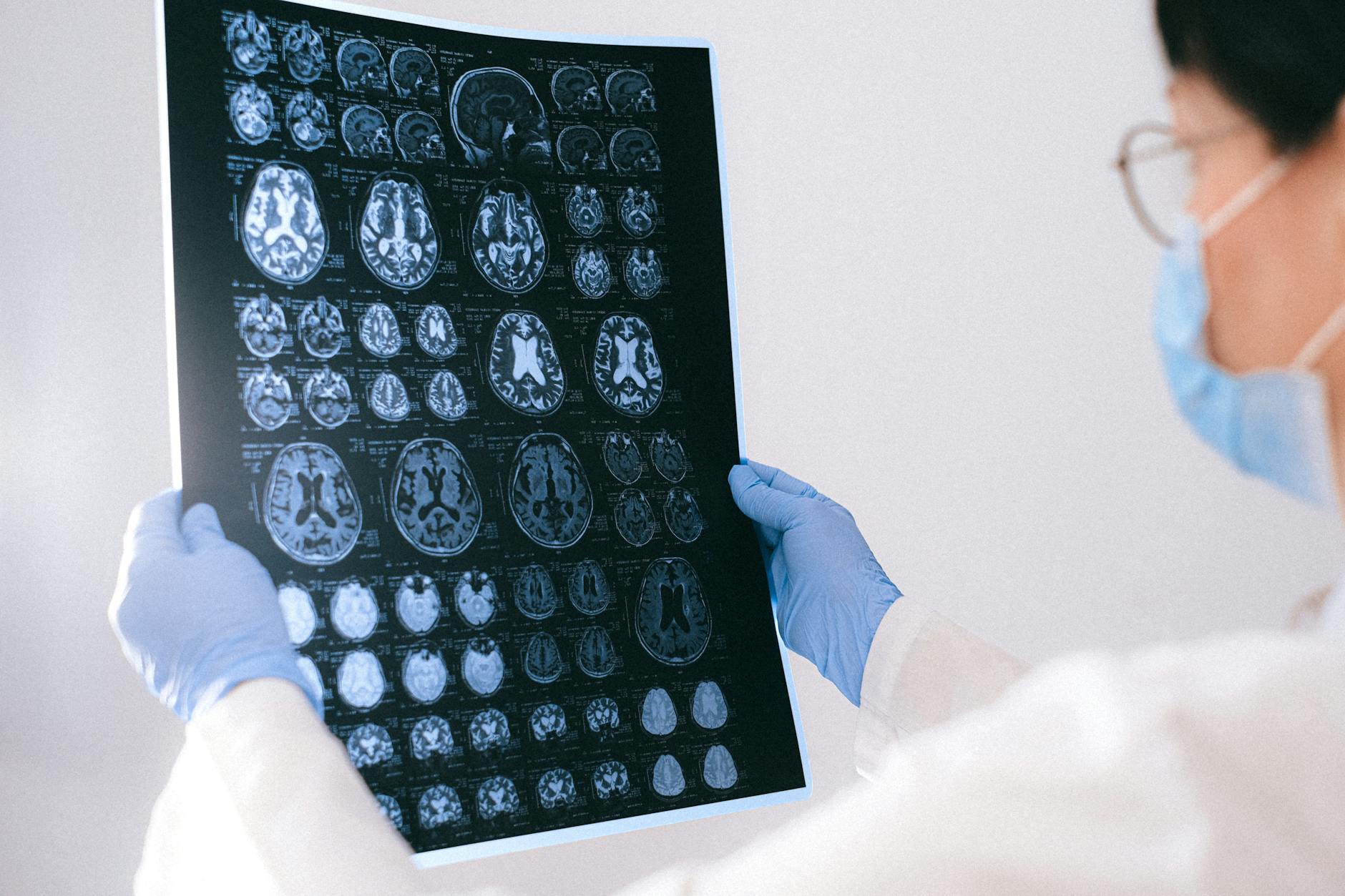
The development of sophisticated diagnostic tools is critical for implementing a precision medicine approach. Blood-based biomarkers, such as plasma amyloid-beta 42/40 ratio, phosphorylated tau (p-tau), and neurofilament light chain (NfL), are rapidly advancing. These minimally invasive tests offer the potential for widespread screening and monitoring, allowing for earlier detection and tracking of disease progression. For example, an elevated plasma p-tau181 or p-tau217 strongly correlates with brain amyloid and tau pathology, providing a cost-effective alternative to PET imaging for initial screening. Still, the specificity and sensitivity of these blood tests for differentiating between various Alzheimer's endotypes require further validation in large, diverse cohorts. CSF analysis, while more invasive, provides a direct measure of brain pathology and remains the gold standard for many biomarkers, including amyloid-beta 42, total tau, and p-tau. PET imaging, using amyloid and tau tracers, offers direct visualisation of pathology in the living brain, but its high cost and limited accessibility restrict its widespread use. The integration of these diverse biomarker modalities will be essential for creating a comprehensive patient profile.
The challenge for clinicians will be to interpret this wealth of biomarker data and translate it into actionable treatment plans. This will require a paradigm shift in diagnostic workup, moving beyond purely clinical assessments to include extensive biomarker profiling. The current diagnostic criteria, while useful, do not fully capture the biological heterogeneity of Alzheimer's. Future diagnostic algorithms will likely incorporate a combination of clinical symptoms, cognitive assessments, genetic risk factors, and a panel of fluid and imaging biomarkers to classify patients into specific endotypes. This detailed classification will then guide the selection of targeted therapies, whether they are amyloid-clearing antibodies, anti-inflammatory agents, metabolic modulators, or gene-specific interventions. The field is moving towards a future where an Alzheimer's diagnosis is not a single label, but rather a detailed biological fingerprint that dictates treatment strategy.
The open-label design of many early-phase biomarker studies is an obvious caveat when considering the clinical utility of new markers. While these studies establish proof-of-concept, robust validation in blinded, prospective cohorts is essential before widespread clinical adoption. The trial was not powered to detect differences in specific endotypes, and that gap matters for translating these findings into precision medicine. Furthermore, the cost-effectiveness of extensive biomarker profiling needs careful consideration, particularly in healthcare systems with limited resources. Still, the long-term benefits of preventing or significantly delaying cognitive decline could outweigh the initial investment in comprehensive diagnostics. The field is also grappling with ethical considerations surrounding genetic testing and the implications of identifying individuals at high risk for a disease for which no definitive preventative treatment yet exists. These are not trivial concerns and require careful navigation as the science progresses.
The next generation of Alzheimer's trials will likely incorporate adaptive designs, allowing for the stratification of patients based on their biomarker profiles and the testing of multiple targeted therapies simultaneously. This approach, often seen in oncology, could accelerate drug development by efficiently identifying which therapies work best for which patient subgroups. The focus will shift from simply clearing amyloid to addressing the specific pathological drivers identified in each patient. This includes trials investigating novel targets such as synaptic repair mechanisms, mitochondrial dysfunction, and the gut microbiome-brain axis. The complexity of Alzheimer's disease demands a multi-pronged attack, and precision medicine offers the framework to orchestrate such an assault.
The shift towards precision medicine in Alzheimer's disease represents a fundamental reorientation for clinicians. No longer can we consider Alzheimer's a monolithic entity; instead, it demands a diagnostic approach that uncovers the specific biological drivers in each patient. This will necessitate a deeper engagement with advanced diagnostics, moving beyond standard cognitive assessments to integrate genetic, fluid, and imaging biomarkers into routine practice.
For the pharmaceutical industry, this means a move away from blockbuster drugs targeting a single pathway for all patients. The future lies in developing a diverse portfolio of targeted therapies, each designed to address a specific Alzheimer's endotype. This will require more sophisticated trial designs and a willingness to invest in smaller, more stratified patient populations, mirroring the evolution seen in oncology drug development.
Patients and their families will benefit from this tailored approach, as it offers the promise of more effective treatments with potentially fewer side effects. The current era of trial-and-error prescribing will gradually give way to evidence-based selection of therapies, based on an individual's unique biological profile. This will, however, place a greater burden on healthcare systems to provide access to advanced diagnostic testing and to educate both clinicians and patients on the implications of complex biomarker results.
- The Pivot Alzheimer's research is shifting from broad, amyloid-focused interventions to a precision medicine model, targeting diverse pathological pathways.
- The Data While specific drug data is not discussed here, the conceptual shift is driven by genetic and biomarker evidence identifying distinct disease endotypes.
- The Action Clinicians should anticipate a future where Alzheimer's diagnosis involves comprehensive biomarker profiling to guide individualized treatment strategies.
ART-2026-720
·09/26
Drafted with AI assistance, reviewed and approved by the editorial team. This publication is intended for healthcare professionals, researchers, and life science industry professionals. Content is provided for informational and educational purposes only and does not constitute medical advice.

I write about AI in healthcare: the validation studies, the deployment failures, and the regulatory questions without answers yet. Based in San Francisco, close to where the technology is built.
Cite This Article
Chen L, Lopes W. Alzheimer's research lays foundation for precision medicine. The Life Science Feed. Published August 7, 2026. Updated September 17, 2026. Accessed September 21, 2026. https://thelifesciencefeed.com/neurology/alzheimer-disease/research/alzheimers-research-lays-foundation-for-precision-medicine.
Editorial & AI Standards
All content is researched from peer-reviewed, open-access sources: published trial data, clinical guidelines, and regulatory filings. AI tools are used solely to structure and summarise that evidence; no AI-generated conclusions appear without editor verification against the primary source.
Every article is reviewed by a named editor before publication. Source citations are listed in the References section. This content does not represent the views of any pharmaceutical company, medical device manufacturer, or healthcare provider.
Licence & Rights
© 2026 The Life Science Feed. All rights reserved. Unless otherwise indicated, all content is the property of The Life Science Feed and may not be reproduced, distributed, or transmitted in any form or by any means without prior written permission.
Medical Disclaimer
The information provided on The Life Science Feed is for educational and informational purposes only. It is not intended as a substitute for professional medical advice, diagnosis, or treatment. Always seek the advice of your physician or other qualified healthcare provider regarding any medical condition or treatment decision. Never disregard professional medical advice or delay in seeking it because of something you have read on this website.
References
1. Batra R, Arnold M, Wörheide MA, et al. The landscape of metabolic brain alterations in Alzheimer's disease. Alzheimers Dement. 2023;19(3):980-998. doi:10.1002/alz.12714
2. Bengs B, Swerdlow RH, Burns J, Slawson C, McCoy M, Sardiu ME. Digital siblings unveil distinct molecular and clinical subtypes in Alzheimer's disease via omics-driven profiling. J Neurol Sci. 2026;482:125812. doi:10.1016/j.jns.2026.125812
3. Quintanilla CA, Fitzgerald Z, Kashow O, et al. High-density multielectrode arrays bring cellular resolution to neuronal activity and network analyses of corticospinal motor neurons. Sci Rep. 2025;15(1):732. doi:10.1038/s41598-024-83883-6
4. Shaaban CE, Suryadevara V, Hill AV, et al. The Population Neuroscience-Dementia Syndemics Framework to better understand global sex and gender-based risk in low- and middle-income countries. Nat Aging. 2026;6(1):38-55. doi:10.1038/s43587-025-01035-5
5. Step K, Ndong Sima CAA, Grant S, et al. Polygenic risk scores and Parkinson's disease in South Africa advancing ancestry informed disease prediction. PLoS Genet. 2026;22(3):e1012064. doi:10.1371/journal.pgen.1012064
6. Huang Y, Feng J, Xu J, et al. Associations of age and sex with characteristics of extracellular vesicles and protein-enriched fractions of blood plasma. Aging Cell. 2025;24(1):e14356. doi:10.1111/acel.14356