CGM drift in marathons: 15% error, what's new? · The Monday Briefing, 21 September 2026

The week's most important clinical updates, curated for healthcare professionals.
Having trouble viewing the newsletter?   Open in browser
The Life Science Feed Therapy Areas Disease Areas Events
Weekly Edition #39/26
September 21, 2026  ·  Weekly Newsletter
Good morning.

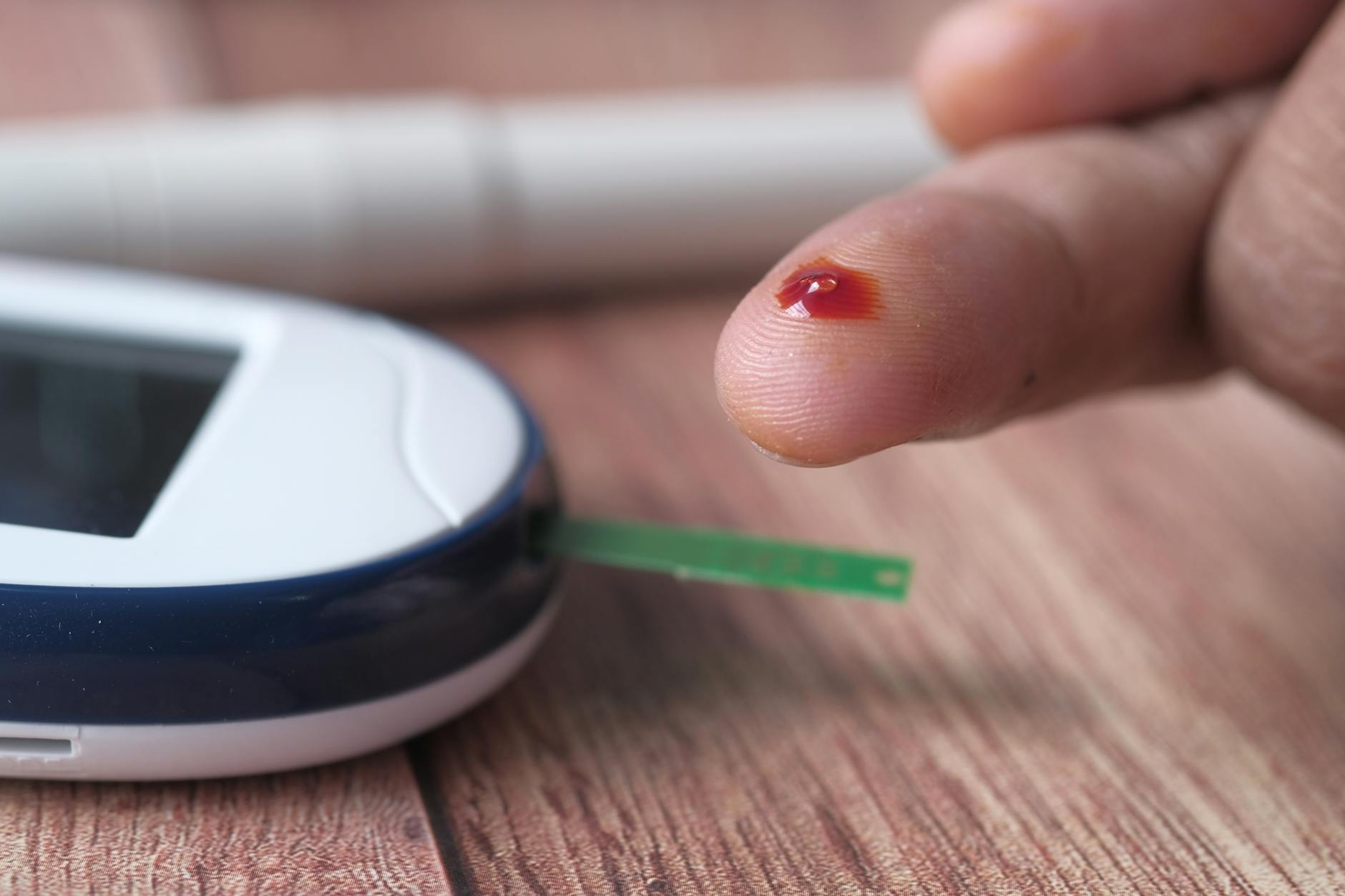
The latest EASD 2026 data on continuous glucose monitoring during marathons reveals a stark contrast: while runners with type 1 diabetes perform well, their reliance on devices designed for shorter bursts of activity falters significantly over four hours on the road. This gap between patient outcomes and device accuracy demands a closer look at how we interpret CGM data in high-endurance scenarios.

1. **CGM Drift in Endurance Exercise**, A study presented at EASD 2026 showed that CGM sensors behave very differently over a full marathon compared to short clinic sessions. This challenges the assumption that current CGM accuracy holds up during prolonged, intense physical activity. 2. **Sex and Hypoglycaemia**, Across 110 events in 12 adults with type 1 diabetes, sexual intercourse caused no clinically significant hypoglycaemia. Glucose moved in both directions, indicating a low risk for patients. 3. **Ovarian Cancer Detection**, Decades of research into ovarian cancer screening have not yielded effective early detection methods. The disease continues to be diagnosed at advanced stages, meaning our approach to this malignancy requires re-evaluation.

This week's evidence cluster highlights a recurring theme: the limitations of our diagnostic and monitoring tools in real-world, complex physiological contexts. From CGM accuracy during extreme exertion to the persistent challenge of early ovarian cancer detection, we are seeing the boundaries of current clinical certainty.

Clinicians must question the generalisability of data derived from controlled settings to the unpredictable reality of their patients' lives. I read every reply.

Diabetes Mellitus Type 1
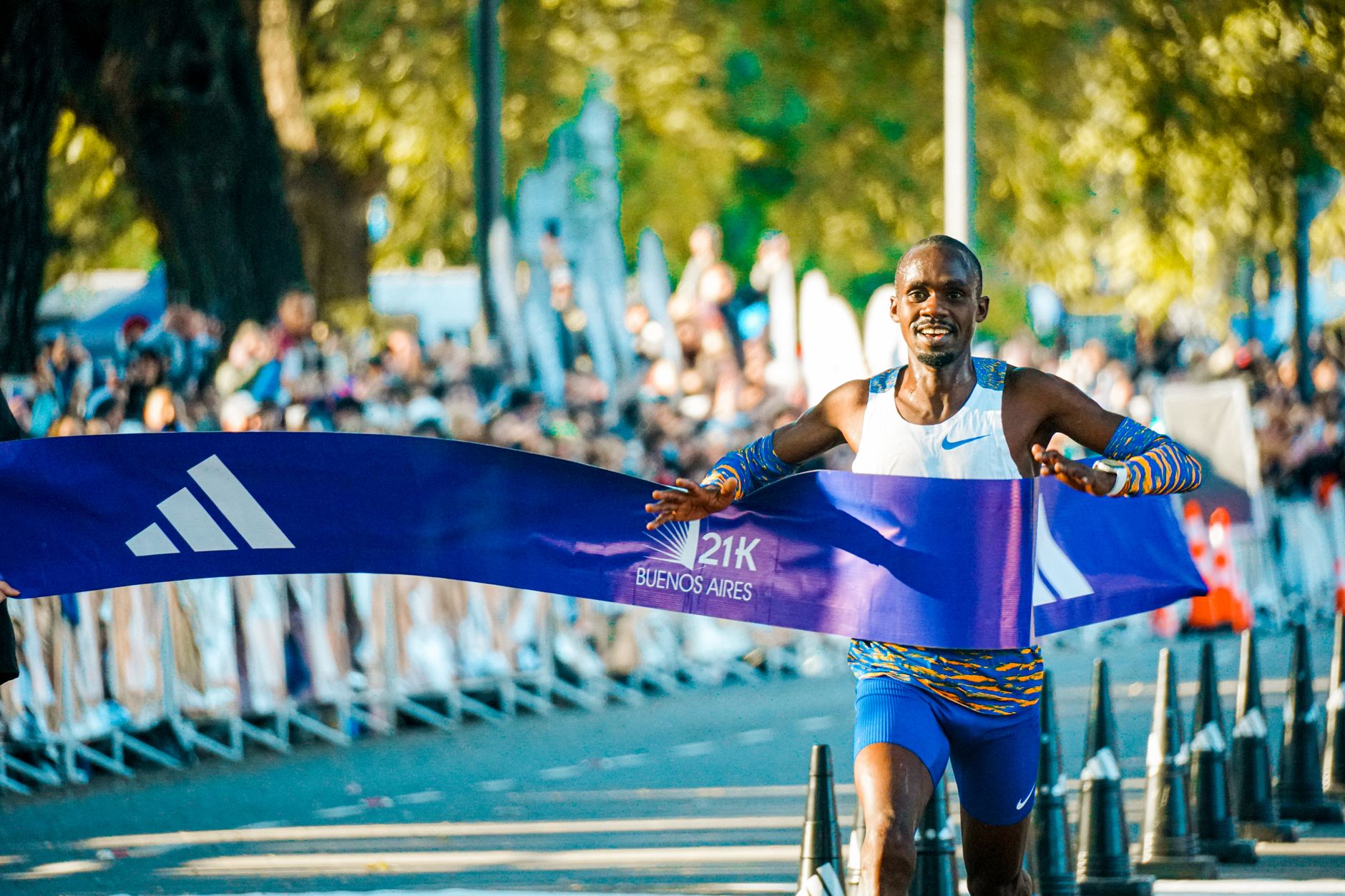
Continuous glucose monitoring has changed how people with type 1 diabetes exercise, and most of the evidence for its accuracy during exercise comes from short sessions in a clinic. A study presented at EASD 2026 followed runners through a full marathon instead, and the sensors behaved very differently over four hours on the road. The runners themselves did well. The devices they relied on did not.
Continue Reading →
This week
Latest Updates
View all →
Diabetes Mellitus Type 1
Sex and hypoglycaemia in type 1 diabetes:...
Read article →
Diabetes Mellitus Type 2
The enduring puzzle of diabetes remission...
Read article →
 
Ovarian Neoplasms
Ovarian cancer: Early detection isn't the...
Read article →
Head and Neck Neoplasms
HPV-positive OPSCC: Are we overtreating...
Read article →
 
Adrenal Gland Diseases
Korlym (mifepristone) in Cushing's syndrome:...
Read article →
Thyroid Diseases
Papillary thyroid microcarcinoma: When less...
Read article →
 
Dry Eye Syndromes
Xiidra (lifitegrast) in dry eye disease:...
Read article →
Head and Neck Neoplasms
PD-L1 isn't just a biomarker for HNSCC, it's...
Read article →
 
Congress calendar
Milan, host city of EASD 2026 EASD 2026
Milan
Sep 28 – Oct 2, 2026
Our page →
UEG Week 2026
Barcelona
Oct 17 – 20, 2026
Our page →
Toronto, host city of Joint ACTRIMS-ECTRIMS 2026 Joint ACTRIMS-ECTRIMS 2026
Toronto
Oct 21 – 23, 2026
Our page →
Podcast Spotlight
Biologic Wars: Rheumatology Debate Series · EP 1
Listen Now →
 
Special Reports Intelligence Series
Special Reports from The Life Science Feed
In-depth briefings from The Life Science Feed, reviewed and approved by our editors. Each report covers the trial data, the clinical context, and what it means in practice.
Browse All Reports →
Personalise your feed
Get content tailored to your specialty.
Set your therapy area →
Editorial independence Advertising never buys editorial coverage and never influences what we write about. Every placement is labelled.
Intended Audience This publication is intended for healthcare professionals, researchers, and life science industry professionals. Content is provided for informational and educational purposes only and does not constitute medical advice.
Press Credentials The Life Science Feed holds accredited press credentials for major international medical and scientific congresses across cardiology, oncology, pulmonology, neurology, rheumatology, and more. View our press accreditations →
© 2025–2026 The Life Science Feed. All rights reserved.
A digital publication from Grá & Mawi Media Co.
LSF-AYPC8S-NL-GEN-W3926·09/26
You are receiving this because you subscribed at thelifesciencefeed.com. Under GDPR, you have the right to access, correct, or delete your personal data at any time.

View as sent →

Read the full archive

    0:00 / 0:00