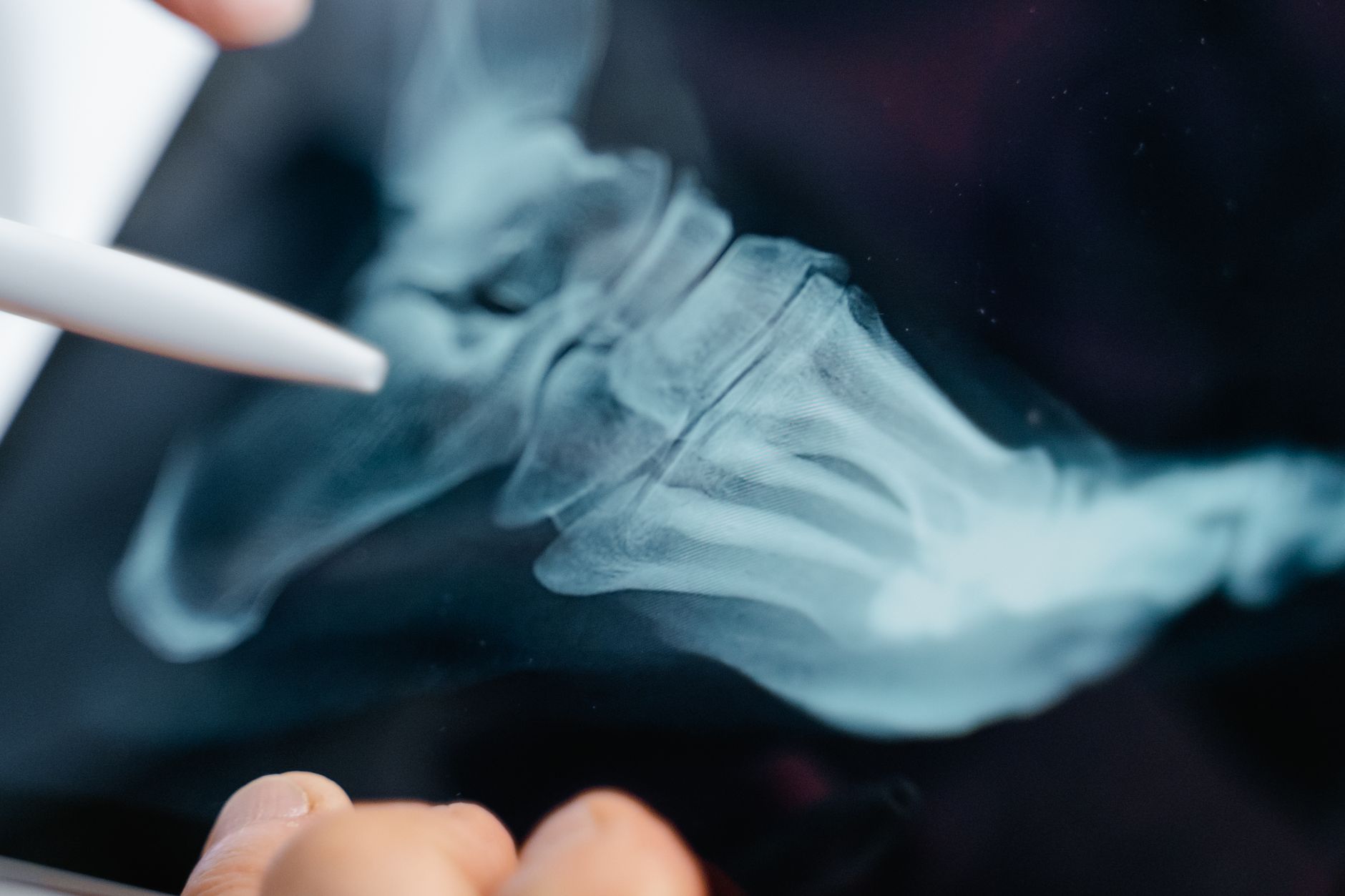
Rheumatoid arthritis (RA) patients face an elevated risk of osteoporotic fractures, a complication often attributed to chronic inflammation, corticosteroid use, and reduced mobility. But the picture is more complex than simple disease activity or medication exposure.
A recent study highlights that frailty, a distinct clinical syndrome, independently predicts these debilitating fractures, adding a critical layer to risk stratification in this vulnerable population.
Rheumatoid arthritis is a chronic inflammatory condition that predisposes patients to a range of comorbidities, including osteoporosis and frailty. While the link between RA and osteoporosis is well-established, the specific contribution of frailty to incident osteoporotic fractures in this patient group has remained underexplored. This gap in understanding meant that clinicians often relied on bone mineral density (BMD) and RA disease activity as primary indicators of fracture risk, potentially overlooking a critical, modifiable factor.1
Kevin Wysham, a researcher at the Veterans Affairs Puget Sound Health Care System, and colleagues set out to clarify this relationship. They conducted a retrospective cohort study involving 1,023 veterans with RA, followed over a median of 5.2 years. The cohort had a mean age of 67.5 years, and 88% were male. Researchers defined frailty using a 36-item Frailty Index (FI), which incorporates deficits across multiple domains including comorbidities, functional limitations, and psychological factors. A patient was considered frail if their FI score was 0.25 or higher. Incident osteoporotic fractures were the primary outcome, identified through ICD codes and confirmed by chart review.1
The independent impact of frailty
The study found that 22% of the RA cohort met the criteria for frailty at baseline. During the follow-up period, 10.5% of the entire cohort experienced an incident osteoporotic fracture. Frail patients had a significantly higher incidence of fractures compared to non-frail patients, with rates of 19.6% versus 8.1%, respectively. This difference was stark.1
In unadjusted analyses, frailty more than doubled the risk of incident osteoporotic fracture (HR 2.7; 95% CI, 1.6-4.6; P=.0002). This initial finding already pointed to frailty as a potent risk factor. But the critical question was whether this association held true after accounting for other known fracture risk factors.1
After adjusting for a comprehensive list of covariates, including age, sex, race, body mass index, smoking status, alcohol use, corticosteroid use, RA disease duration, disease activity (DAS28-CRP), and Charlson Comorbidity Index, frailty remained a powerful independent predictor. Frail RA patients had a 2.5-fold increased risk of osteoporotic fracture (HR 2.5; 95% CI, 1.4-4.5; P=.002) compared to their non-frail counterparts. This indicates that frailty is not merely a proxy for other risk factors but contributes uniquely to fracture susceptibility.1
The researchers also explored the impact of individual components of the Frailty Index. They found that deficits related to mobility, such as difficulty walking or climbing stairs, and specific comorbidities, particularly chronic kidney disease and chronic obstructive pulmonary disease, were strongly associated with increased fracture risk. This granular detail helps to understand the pathways through which frailty exerts its influence.1
Where the data falls short
The study provides compelling evidence, but some caveats bear mentioning. The cohort consisted predominantly of male veterans, raising questions about the generalizability of these findings to female RA patients, who typically have a higher prevalence of osteoporosis and frailty. The reliance on administrative data for fracture identification, while supplemented by chart review, always carries a risk of misclassification or underreporting.1
Still, the use of a validated Frailty Index, which captures a broad spectrum of health deficits, strengthens the findings. The comprehensive adjustment for confounders also adds weight to the conclusion that frailty is an independent risk factor. The study did not, however, assess bone mineral density directly, which is a standard measure in fracture risk assessment. Integrating frailty screening with BMD data could provide an even more robust predictive model. Clinicians looking for a concise guide to managing musculoskeletal disease in this population may find the Oxford Handbook of Rheumatology a useful resource.1
The study highlights a clear need for proactive frailty assessment in RA patients. Identifying frail individuals allows for targeted interventions, such as exercise programs, nutritional support, and medication review, which could potentially mitigate fracture risk. The next step would be a prospective interventional trial to determine if such interventions can reduce incident fractures in this high-risk group.1
For too long, fracture risk in rheumatoid arthritis has been viewed primarily through the lens of bone mineral density and corticosteroid exposure. This study forces a re-evaluation, positioning frailty as an equally, if not more, critical predictor.
GPs and specialists managing RA patients should integrate frailty screening into their routine assessments. A simple Frailty Index, even a condensed version, could flag patients who need more aggressive fracture prevention strategies, beyond just bisphosphonates.
The data suggests that addressing frailty itself, through exercise, nutrition, and polypharmacy review, might be as important as, or even more effective than, solely focusing on bone density. This shifts the clinical focus from a single-organ approach to a more holistic patient management strategy.
While this study focused on veterans, the biological mechanisms linking frailty to fracture are universal. It is reasonable to assume these findings extend to broader RA populations, underscoring the need for a more comprehensive approach to risk assessment in all older adults with chronic inflammatory conditions.
- The Pivot Frailty, assessed by a validated index, emerged as a strong independent predictor of incident osteoporotic fractures in RA patients.
- The Data Frail RA patients had a 2.5-fold increased risk of fracture (HR 2.5; 95% CI, 1.4-4.5; P=.002) compared to non-frail patients.
- The Action Clinicians should consider routine frailty screening in RA patients to identify those at highest risk for osteoporotic fractures, beyond standard bone mineral density assessments.
ART-2026-949
·10/26
Drafted with AI assistance and checked by automated style rules. Not individually read by an editor. This publication is intended for healthcare professionals, researchers, and life science industry professionals. Content is provided for informational and educational purposes only and does not constitute medical advice.

I cover NHS policy, NICE guidance, and the gap between what the evidence says and what gets commissioned. I bring a health economics background to reporting on how health systems make decisions under uncertainty.
Cite This Article
Mistry D, Lopes W. Frailty, not just RA, predicts osteoporotic fracture risk. The Life Science Feed. Published July 24, 2026. Updated October 4, 2026. Accessed October 22, 2026. https://thelifesciencefeed.com/rheumatology/arthritis-rheumatoid/research/frailty-not-just-ra-predicts-osteoporotic-fracture-risk.
Editorial & AI Standards
Content is drafted with AI tools from peer-reviewed, open-access sources such as published trial data, clinical guidelines, and regulatory filings. This article is checked by automated style rules but is not individually read by an editor, so check the cited source before relying on a figure.
Source citations are listed in the References section. This content does not represent the views of any pharmaceutical company, medical device manufacturer, or healthcare provider.
Licence & Rights
© 2026 The Life Science Feed. All rights reserved. Unless otherwise indicated, all content is the property of The Life Science Feed and may not be reproduced, distributed, or transmitted in any form or by any means without prior written permission.
Medical Disclaimer
The information provided on The Life Science Feed is for educational and informational purposes only. It is not intended as a substitute for professional medical advice, diagnosis, or treatment. Always seek the advice of your physician or other qualified healthcare provider regarding any medical condition or treatment decision. Never disregard professional medical advice or delay in seeking it because of something you have read on this website.
References
1. Wysham KD, Brubeck HF, Baraff A. Frailty Predicts Incident Osteoporotic Fractures in Veterans with Rheumatoid Arthritis. Arthritis Care Res (Hoboken) 2026.