Atrial fibrillation (AFib) remains a significant public health challenge, driving substantial morbidity and mortality from stroke, heart failure, and cardiovascular events. European clinicians have long sought a more structured, evidence-based approach to managing this complex arrhythmia. The 2024 European Society of Cardiology (ESC) Guidelines on Atrial Fibrillation deliver a new framework: the AF-CARE pathway.
Atrial fibrillation's prevalence continues its upward trajectory across Europe, affecting millions and imposing a heavy burden on healthcare systems. The condition's heterogeneous presentation, from asymptomatic paroxysmal episodes to persistent forms with debilitating symptoms, has historically led to varied and often suboptimal management strategies. The 2024 ESC Guidelines aim to standardise and optimise care through a novel, integrated pathway.
The ESC Guidelines Task Force, comprising leading cardiologists and electrophysiologists from across Europe, developed the AF-CARE pathway to provide a comprehensive, patient-centred approach. This framework moves beyond the traditional focus on rate or rhythm control alone, integrating early diagnosis, risk factor modification, and structured follow-up into a cohesive strategy. The guidelines consolidate evidence from numerous trials and registries, offering clear recommendations for primary care physicians and specialists alike.
The AF-CARE Pathway: A New Acronym for Action
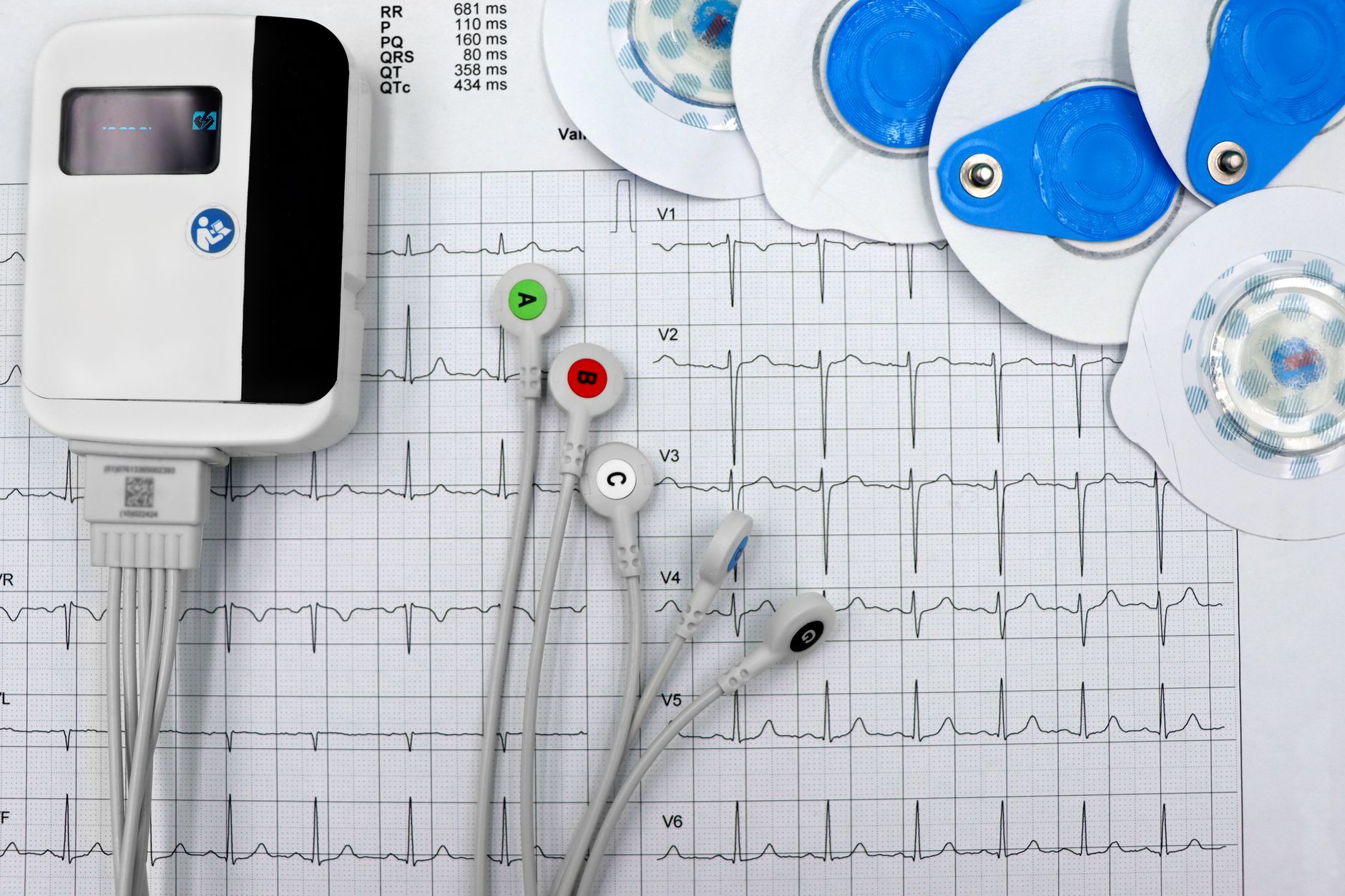
The AF-CARE pathway organises AFib management into five key pillars: Confirm AFib, Characterise AFib, Consult for integrated care, Control symptoms, and Comorbidity and risk factor management. This structured approach mandates a systematic evaluation of each patient, moving away from a reactive treatment paradigm to a proactive, preventative one. The initial step, Confirm AFib, underscores the importance of accurate diagnosis, recommending opportunistic screening for AFib in individuals aged 65 years or older and in those with hypertension, using pulse palpation or ECG rhythm strips. For patients with suspected AFib, a 12-lead ECG remains the gold standard for confirmation.
Characterising AFib involves a detailed assessment using the 4S-AF scheme: Stroke risk (CHA2DS2-VASc score), Symptom severity (EHRA score), Severity of AFib burden (duration, frequency), and Substrate severity (atrial remodelling, comorbidities). This comprehensive characterisation informs subsequent treatment decisions, tailoring interventions to individual patient profiles. The guidelines explicitly recommend using the CHA2DS2-VASc score for all AFib patients, regardless of AFib type, to guide antithrombotic therapy. Oral anticoagulation (OAC) is recommended for men with a CHA2DS2-VASc score of 2 or more and for women with a score of 3 or more (Class I recommendation). Direct oral anticoagulants (DOACs) are preferred over vitamin K antagonists (VKAs) in most patients, citing superior efficacy and safety profiles, particularly a reduced risk of intracranial haemorrhage.
Integrated Care and Early Rhythm Control
The 'Consult for integrated care' pillar highlights the necessity of a multidisciplinary approach, involving cardiologists, general practitioners, and other specialists to manage AFib and its associated comorbidities effectively. This integrated care model, supported by evidence from trials like RACE 3 and PALLAS, has demonstrated improved outcomes. For instance, integrated care interventions reduced all-cause mortality by 28% (HR 0.72; 95% CI, 0.58-0.89; P=.003) and cardiovascular hospitalisations by 35% (HR 0.65; 95% CI, 0.51-0.83; P=.0006) in studies comparing integrated care with usual care.
A significant update in the guidelines concerns early rhythm control. The EAST-AFNET 4 trial demonstrated that early rhythm control therapy, initiated within one year of AFib diagnosis, significantly reduced the composite endpoint of cardiovascular death, stroke, and heart failure hospitalisation. Patients randomised to early rhythm control experienced a 21% lower risk of this composite endpoint (HR 0.79; 95% CI, 0.69-0.91; P=.0008) compared to those receiving usual care. This benefit was consistent across various subgroups, including those with minimal symptoms. The guidelines now give a Class I recommendation for early rhythm control in symptomatic patients with recent-onset AFib, and a Class IIa recommendation for asymptomatic patients with recent-onset AFib to prevent cardiovascular complications. This represents a clear shift from previous guidelines, which often prioritised rate control unless symptoms were severe.
For symptom control, the guidelines provide updated recommendations for both rate and rhythm management. Beta-blockers, calcium channel blockers (diltiazem or verapamil), and digoxin remain the cornerstone for rate control. For rhythm control, antiarrhythmic drugs (AADs) like flecainide, propafenone, amiodarone, and dronedarone are discussed, with specific considerations for patients with structural heart disease. Catheter ablation receives a Class I recommendation as a first-line therapy for symptomatic paroxysmal AFib and as a second-line therapy for symptomatic persistent AFib refractory to AADs. The efficacy of catheter ablation in reducing AFib recurrence is well-established, with studies showing a 60-70% success rate in maintaining sinus rhythm after a single procedure for paroxysmal AFib.
Comorbidity Management and Risk Factor Modification
The final pillar, 'Comorbidity and risk factor management,' is perhaps the most critical for long-term outcomes. The guidelines strongly advocate for aggressive management of modifiable risk factors, including hypertension, diabetes, obesity, sleep apnoea, and alcohol consumption. Hypertension control is paramount, with a target blood pressure of less than 130/80 mmHg recommended. Lifestyle interventions, such as regular physical activity, a healthy diet, and smoking cessation, are emphasised. For patients with obesity, weight loss of at least 10% of body weight has been shown to reduce AFib burden and improve the success of rhythm control strategies. This comprehensive approach to risk factor modification is not merely adjunctive; it is integral to preventing AFib progression and improving treatment efficacy.
The guidelines also address specific populations, such as patients with heart failure and AFib, where beta-blockers and mineralocorticoid receptor antagonists are crucial. For patients with valvular AFib, VKAs remain the preferred OAC. The recommendations for managing bleeding risk and periprocedural anticoagulation are also updated, providing clear guidance for clinicians navigating these complex scenarios. Clinicians can find detailed algorithms and decision trees within the full guideline document, a valuable resource for navigating complex patient presentations. The Oxford Handbook of Cardiology offers a concise overview of these and other cardiological guidelines.
Still, the guidelines acknowledge gaps. The optimal management of asymptomatic AFib, particularly in older individuals, requires further research. The long-term impact of aggressive risk factor modification on hard clinical endpoints, beyond AFib burden, also needs more robust data. The trial evidence supporting some of the more aggressive early rhythm control strategies, while compelling, often comes from highly selected patient populations. Whether these benefits translate universally to the broader, more heterogeneous patient population seen in general practice remains an open question.
The guidelines do not explicitly detail the cost-effectiveness of implementing the full AF-CARE pathway across diverse healthcare systems, a practical consideration for many European countries. The resource implications of widespread screening, integrated care teams, and early advanced therapies like ablation are substantial. Future research should address these implementation challenges. The next iteration of guidelines will likely focus on refining patient selection for specific therapies and integrating novel technologies, such as artificial intelligence for risk prediction.
The 2024 ESC AFib Guidelines represent a significant evolution in AFib management, moving decisively towards an integrated, proactive model. Clinicians must now consider early rhythm control as a front-line strategy, particularly in patients with recent-onset AFib, rather than reserving it for those with severe symptoms. This shift demands a re-evaluation of current practice patterns and a greater emphasis on timely referral to electrophysiology services.
The strong emphasis on comprehensive risk factor management is not new, but its integration into the AF-CARE pathway elevates its importance. GPs and specialists must collaborate more closely to address hypertension, obesity, diabetes, and sleep apnoea systematically. This requires dedicated time and resources, which may challenge existing consultation models but promises better long-term patient outcomes.
For industry, the guidelines reinforce the value of DOACs as the preferred oral anticoagulation. They also highlight the expanding role of catheter ablation, suggesting continued growth in demand for related technologies and training. The focus on early diagnosis and integrated care also creates opportunities for digital health solutions that support screening, monitoring, and multidisciplinary communication.
Patients stand to benefit from this more structured and holistic approach. Early intervention and aggressive risk factor modification offer the potential for improved symptom control, reduced AFib progression, and a lower risk of devastating complications like stroke and heart failure. The guidelines empower clinicians to offer more personalised and effective care, moving beyond a one-size-fits-all approach to AFib.
- The Pivot The new guidelines introduce the AF-CARE pathway, a structured, integrated care model for AFib management, moving beyond a purely rhythm- or rate-control focus.
- The Data Early rhythm control, particularly in patients with recent-onset AFib, reduces the composite endpoint of cardiovascular death, stroke, and heart failure hospitalisation by 21% (HR 0.79; 95% CI, 0.69-0.91; P=.0008).
- The Action Clinicians should actively screen for AFib in at-risk populations, initiate early rhythm control where appropriate, and systematically address modifiable risk factors.
ART-2026-933
·08/26
Drafted with AI assistance, reviewed and approved by the editorial team. This publication is intended for healthcare professionals, researchers, and life science industry professionals. Content is provided for informational and educational purposes only and does not constitute medical advice.

Science writer covering the frontier between basic research and clinical practice. I am interested in the moment a mechanism becomes a therapy, and everything that can go wrong in between.
Cite This Article
Aldrich M, Voss M. AF-CARE pathway: new ESC guidelines streamline afib management. The Life Science Feed. Published July 23, 2026. Updated August 8, 2026. Accessed September 7, 2026. https://thelifesciencefeed.com/cardiology/atrial-fibrillation/guidelines/af-care-pathway-new-esc-guidelines-streamline-afib-management.
Editorial & AI Standards
All content is researched from peer-reviewed, open-access sources: published trial data, clinical guidelines, and regulatory filings. AI tools are used solely to structure and summarise that evidence; no AI-generated conclusions appear without editor verification against the primary source.
Every article is reviewed by a named editor before publication. Source citations are listed in the References section. This content does not represent the views of any pharmaceutical company, medical device manufacturer, or healthcare provider.
Licence & Rights
© 2026 The Life Science Feed. All rights reserved. Unless otherwise indicated, all content is the property of The Life Science Feed and may not be reproduced, distributed, or transmitted in any form or by any means without prior written permission.
Medical Disclaimer
The information provided on The Life Science Feed is for educational and informational purposes only. It is not intended as a substitute for professional medical advice, diagnosis, or treatment. Always seek the advice of your physician or other qualified healthcare provider regarding any medical condition or treatment decision. Never disregard professional medical advice or delay in seeking it because of something you have read on this website.
References
1. Rienstra M, et al. Spotlight on the 2024 ESC/EACTS management of atrial fibrillation guidelines: 10 novel key aspects. Europace. 2024;26(12). doi:10.1093/europace/euae298
2. Wolfes J, et al. [The 2024 ESC guidelines for management of atrial fibrillation : AF-CARE as new credo]. Herzschrittmacherther Elektrophysiol. 2024;35(4):318-323. doi:10.1007/s00399-024-01053-7
3. Boriani G, et al. The 2024 ESC guidelines on atrial fibrillation: essential updates for everyday clinical practice. Intern Emerg Med. 2025;20(5):1299-1306. doi:10.1007/s11739-025-04006-1
4. Ripoll JG, et al. Analysis of The 2024 ESC/EACTS Guidelines For The Management Of Atrial Fibrillation. J Cardiothorac Vasc Anesth. 2025;39(3):818-835. doi:10.1053/j.jvca.2024.11.020
5. Griffin M, et al. A Holistic Approach to Improving Outcomes in Atrial Fibrillation: The AF-CARE Pathway. Br J Hosp Med (Lond). 2025;86(4):1-5. doi:10.12968/hmed.2024.0929