
Periodontitis, a chronic inflammatory disease affecting the tooth-supporting tissues, remains a significant public health burden. Its progressive nature, if left untreated, leads to tooth loss and has systemic health implications. The challenge for general practitioners lies in accurately diagnosing and classifying the disease to guide effective management and predict outcomes, a task made more precise by the 2017 World Workshop on the Classification of Periodontal and Peri-Implant Diseases and Conditions.
Periodontitis represents a complex relationship between host immune response and bacterial challenge, leading to the destruction of the periodontal ligament and alveolar bone. Historically, clinicians relied on a simplified classification of chronic or aggressive periodontitis, often failing to capture the full spectrum of disease presentation and progression. This older system, while functional, lacked the granularity needed for truly personalised treatment strategies and accurate prognostic assessment.
The 2017 classification system, developed by the American Academy of Periodontology (AAP) and the European Federation of Periodontology (EFP), introduced a change in how the disease is understood and managed by moving to a staging and grading approach. This framework aims to provide a comprehensive picture of the disease, considering not only its extent and severity but also its past progression and future risk. For general practitioners, understanding and applying this system is fundamental to modern periodontal care, enabling more precise diagnosis and tailored interventions.
Understanding the Staging Framework
Staging periodontitis involves assessing the severity and extent of the disease at presentation, primarily based on clinical attachment loss (CAL), radiographic bone loss (RBL), and tooth loss attributable to periodontitis. This provides a snapshot of the cumulative tissue destruction. The system delineates four stages, from Stage I (initial periodontitis) to Stage IV (advanced periodontitis), each with specific criteria.
Stage I periodontitis is characterised by interdental CAL of 1-2 mm and RBL extending to the coronal third of the root, typically less than 15% of the root length. There is no tooth loss due to periodontitis. This initial stage often presents with shallow pockets and minimal bone destruction, making early detection important for preventing progression. Patients at this stage may exhibit gingival inflammation but limited signs of irreversible damage.
Stage II periodontitis involves interdental CAL of 3-4 mm and RBL extending to the coronal third of the root, typically 15-33% of the root length. Again, no tooth loss due to periodontitis is present. At this stage, clinicians will observe moderate pocket depths and more noticeable bone loss, indicating a more established disease process. The disease has progressed beyond initial gingivitis, with clear signs of attachment loss.
Stage III periodontitis is defined by interdental CAL of ≥5 mm and RBL extending to the middle third of the root or beyond. This stage also includes tooth loss due to periodontitis of up to four teeth. Complex defects, such as furcation involvement Class II or III, moderate ridge defects, and deep periodontal pockets (≥6 mm), become more prevalent. Managing Stage III often requires more advanced periodontal therapies, including surgical interventions, to address the extensive tissue destruction.
Stage IV periodontitis represents the most severe form, with interdental CAL of ≥5 mm, RBL extending to the middle third of the root or beyond, and tooth loss due to periodontitis of five or more teeth. This stage is further complicated by extensive masticatory dysfunction, severe ridge defects, pathological tooth migration, and a need for complex rehabilitation. Patients with Stage IV periodontitis often present with significant aesthetic and functional impairments, requiring multidisciplinary care. For a broader understanding of oral health issues, including those that might precede or accompany periodontitis, clinicians may find the primary care assessment of oral ulcers and patches a useful reference.
The extent of periodontitis is also classified as localised (affecting less than 30% of teeth) or generalised (affecting 30% or more of teeth). This distinction helps in understanding the overall disease burden and planning treatment strategies. For instance, a patient with Stage III generalised periodontitis will require a more extensive and coordinated treatment approach than one with localised Stage III disease.
Grading Disease Progression and Risk
Grading periodontitis assesses the rate of disease progression and the patient's risk for future progression, as well as the potential impact of periodontitis on systemic health. This component is critical for prognostic assessment and for tailoring maintenance protocols. The grading system consists of three grades: Grade A (slow rate of progression), Grade B (moderate rate of progression), and Grade C (rapid rate of progression).
Grade A periodontitis is characterised by no evidence of CAL or RBL over a five-year period, or a low percentage of RBL relative to age. Typically, non-smokers and normoglycemic patients without a history of diabetes fall into this category. These patients generally respond well to standard periodontal therapy and have a good prognosis with regular maintenance.
Grade B periodontitis shows less than 2 mm of CAL or RBL over a five-year period, or a moderate percentage of RBL relative to age. This grade includes smokers of less than 10 cigarettes per day and patients with diabetes who have HbA1c levels below 7.0%. Most patients with periodontitis will fall into Grade B, indicating a moderate risk of progression. This is where the majority of general practice interventions will be focused.
Grade C periodontitis indicates rapid progression, with ≥2 mm of CAL or RBL over a five-year period, or a high percentage of RBL relative to age. Smokers of ≥10 cigarettes per day and patients with diabetes who have HbA1c levels of ≥7.0% are typically classified as Grade C. These patients require aggressive management and more frequent recall appointments due to their high risk of further tissue destruction. The systemic connection, such as the oral-systemic link between gut dysbiosis, rheumatoid arthritis, and periodontitis, highlights the importance of considering systemic factors in grading.
Beyond the rate of progression, grading also incorporates risk factors and modifiers. Smoking status, diabetes control, and other systemic conditions are important considerations. For example, a patient with uncontrolled diabetes and periodontitis is at a significantly higher risk for rapid progression and poorer treatment outcomes. This holistic view helps clinicians identify patients who may need more intensive interventions or closer monitoring.
Integrating the Classification into General Practice
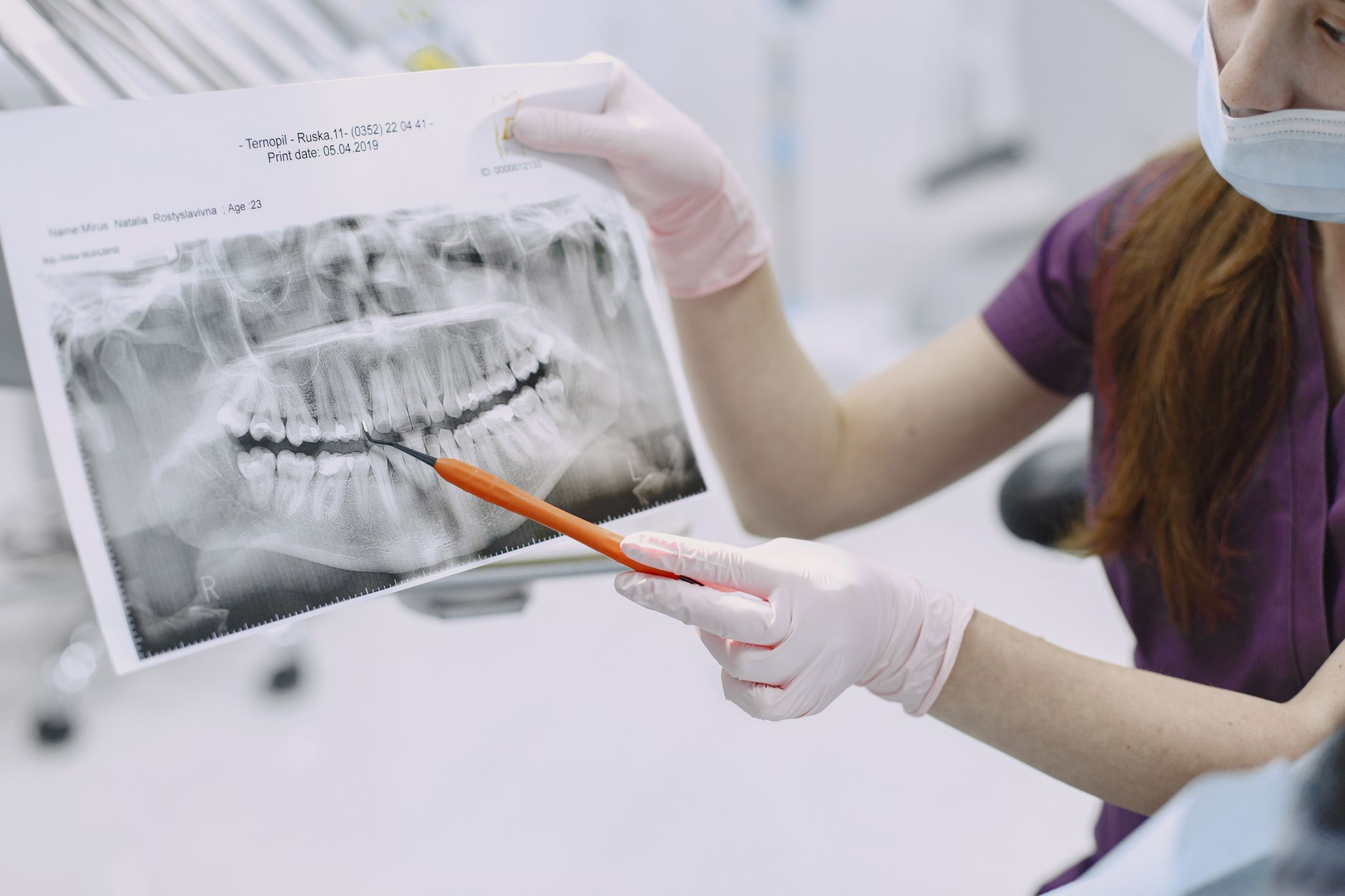
Applying the 2017 classification in a general practice setting requires a systematic approach to patient assessment. The initial step involves a thorough periodontal examination, including probing depths, clinical attachment levels, bleeding on probing, and mobility. Radiographic assessment, typically full-mouth periapical or panoramic radiographs, is essential for evaluating bone loss patterns and extent. These clinical and radiographic findings form the basis for determining the stage of periodontitis.
Once the stage is established, the next step is to determine the grade. This involves reviewing the patient's dental history for evidence of past progression, such as previous radiographs or records of attachment loss over time. Systemic health factors, including smoking habits, diabetes status, and other relevant medical conditions, must be carefully evaluated. This comprehensive data collection allows the practitioner to assign both a stage and a grade, providing a complete diagnostic picture.
For example, a patient presenting with 4 mm interdental CAL, 25% RBL, and no tooth loss would be classified as Stage II. If this patient is a non-smoker with no history of rapid progression, they would be Grade A. But if the same patient smokes 15 cigarettes a day and has an HbA1c of 8.0%, they would be Grade C. This distinction profoundly impacts the treatment plan, from the intensity of non-surgical therapy to the frequency of maintenance visits.
The classification also helps in communicating with patients about their condition and prognosis. Explaining the stage and grade in clear terms can empower patients to take a more active role in their oral hygiene and adherence to treatment recommendations. It moves the conversation beyond simply having 'gum disease' to a more specific understanding of its severity, progression risk, and systemic connections.
Challenges and Future Directions
Implementing a new classification system always presents challenges. General practitioners may initially find the detailed criteria for staging and grading complex, requiring additional training and practice to apply consistently. Time constraints in a busy practice can also be a barrier to conducting the comprehensive assessments needed for accurate classification. However, the long-term benefits of improved diagnostic accuracy and tailored treatment plans outweigh these initial hurdles.
The classification system also highlights the importance of interdisciplinary collaboration. Patients with advanced periodontitis, especially those with Grade C disease and significant systemic comorbidities, often benefit from co-management with periodontists, diabetologists, or other medical specialists. This integrated approach ensures that both the oral and systemic aspects of the disease are addressed comprehensively. The optimisation of rheumatoid arthritis treatment, for instance, often involves considering its impact on periodontal health.
Still, the system is not without its limitations. While it provides a robust framework, clinical judgment remains paramount. There can be borderline cases where assigning a definitive stage or grade requires careful consideration of all available evidence. The absence of specific numeric thresholds for some criteria, particularly in assessing the 'complexity' factors for advanced stages, can introduce some subjectivity. The system relies on historical data for grading, which may not always be readily available or accurately recorded in a patient's file, particularly for new patients.
Future research will likely refine the classification system, potentially incorporating new biomarkers or genetic factors to further enhance its predictive capabilities. The ongoing evolution of diagnostic tools, such as advanced imaging techniques and salivary diagnostics, may offer more objective measures for assessing disease activity and progression. For now, the 2017 classification provides the most comprehensive and clinically relevant framework for managing periodontitis in general practice, moving beyond simplistic labels to a more complete understanding of this pervasive disease. Clinicians seeking a concise, practical reference for general medical conditions, including those with oral manifestations, might consider the Oxford Handbook of General Practice, 5th Edition.
The shift to staging and grading periodontitis demands a more rigorous approach from general practitioners. No longer is a vague diagnosis of 'gum disease' sufficient; clinicians must now systematically assess clinical attachment loss, bone destruction, and patient-specific risk factors. This precision is not merely academic, it directly informs treatment intensity and recall frequency, moving us away from a one-size-fits-all approach.
For patients, this means a more accurate prognosis and a treatment plan truly tailored to their disease severity and progression risk. It also highlights the critical relationship between oral and systemic health, showing why managing conditions like diabetes and smoking cessation are integral to periodontal success. The conversation with patients about their oral health now needs to explicitly include these broader health considerations.
The industry, particularly manufacturers of diagnostic tools and therapeutic agents, will need to align their offerings with this more granular classification. Products that aid in accurate CAL measurement, advanced imaging for bone loss assessment, and therapies targeting specific stages or grades will see increased relevance. The emphasis on individualised risk assessment also opens avenues for preventive strategies and personalised maintenance protocols.
The 2017 classification elevates periodontitis from a localised dental issue to a systemic health concern requiring comprehensive medical and dental management. It challenges clinicians to integrate a deeper understanding of disease biology and patient risk into their daily practice, ensuring that interventions are both effective and appropriate for the specific presentation of the disease.
- The Pivot The 2017 classification replaced the chronic/aggressive distinction with a staging and grading system, offering a more nuanced view of disease severity and progression.
- The Data The new system considers clinical attachment loss, radiographic bone loss, and tooth loss for staging, alongside risk factors and progression rate for grading.
- The Action Clinicians should integrate the staging and grading framework into routine periodontal examinations to enhance diagnostic accuracy and tailor treatment plans.
ART-2026-1410
·10/26
Drafted with AI assistance, reviewed and approved by the editorial team. This publication is intended for healthcare professionals, researchers, and life science industry professionals. Content is provided for informational and educational purposes only and does not constitute medical advice.

I specialise in clinical trial methodology and drug development, from Phase I to post-approval. My reports cover what got studied, what did not, and why. Based in Boston, reporting globally.
Cite This Article
Prescott D, Voss M. Applying the new periodontitis classification in general practice. The Life Science Feed. Published August 27, 2026. Updated October 5, 2026. Accessed October 11, 2026. https://thelifesciencefeed.com/dentistry/periodontal-diseases/practice/periodontitis-staging-grading-general-practice.
Editorial & AI Standards
All content is researched from peer-reviewed, open-access sources: published trial data, clinical guidelines, and regulatory filings. AI tools are used solely to structure and summarise that evidence; no AI-generated conclusions appear without editor verification against the primary source.
Every article is reviewed by a named editor before publication. Source citations are listed in the References section. This content does not represent the views of any pharmaceutical company, medical device manufacturer, or healthcare provider.
Licence & Rights
© 2026 The Life Science Feed. All rights reserved. Unless otherwise indicated, all content is the property of The Life Science Feed and may not be reproduced, distributed, or transmitted in any form or by any means without prior written permission.
Medical Disclaimer
The information provided on The Life Science Feed is for educational and informational purposes only. It is not intended as a substitute for professional medical advice, diagnosis, or treatment. Always seek the advice of your physician or other qualified healthcare provider regarding any medical condition or treatment decision. Never disregard professional medical advice or delay in seeking it because of something you have read on this website.
References
1. Global burden of 292 causes of death in 204 countries and territories and 660 subnational locations, 1990-2023: a systematic analysis for the Global Burden of Disease Study 2023. Lancet. 2025;406(10513):1811-1872. doi:10.1016/S0140-6736(25)01917-8
2. The global, regional, and national burden of cancer, 1990-2023, with forecasts to 2050: a systematic analysis for the Global Burden of Disease Study 2023. Lancet. 2025;406(10512):1565-1586. doi:10.1016/S0140-6736(25)01635-6
3. Herrero F, Terenzani M, Marconi L, De la Vega Elena CD. Level of agreement among dental students and general dentists on the diagnosis of periodontitis using the new classification of periodontal diseases. Acta Odontol Latinoam. 2025;38(2):154-161. doi:10.54589/aol.38/2/154
4. Zarenti S, Doufexi AE, Batas L, et al. Implementation of the 2018 Classification of Periodontal Diseases: A Questionnaire-Based Survey. Eur J Dent. 2026;20(1):188-194. doi:10.1055/s-0045-1806951