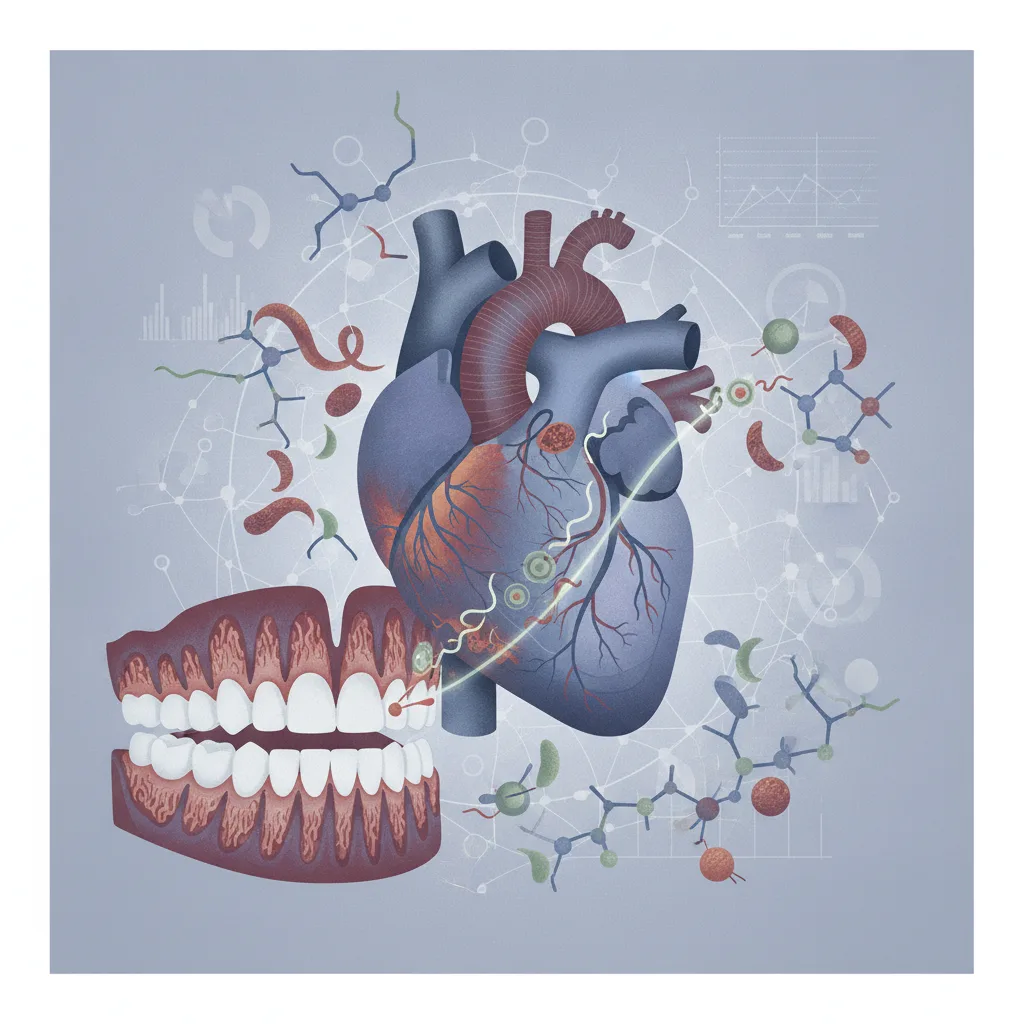

The persistent question of whether oral health, specifically periodontitis, directly influences cardiovascular disease outcomes has long occupied clinicians. While observational data consistently show an association, establishing a causal link and demonstrating that periodontal treatment improves cardiovascular endpoints remains a challenge. Recent reviews, including one published in Ewha Med J, clarify the current state of evidence, distinguishing correlation from causation.
Periodontitis, a chronic inflammatory disease affecting the supporting structures of the teeth, represents a significant global health burden. The Global Burden of Disease (GBD) Study 2023, a systematic analysis published in Lancet Public Health, evaluated progress towards the World Health Organization's (WHO) Global Oral Health Action Plan (GOHAP) target.1 This plan aimed for a 10% relative reduction in the combined prevalence of main oral conditions by 2030, with the first evaluation planned for 2023. The GBD 2023 analysis found no substantial global or regional progress towards this target between 2019 and 2023, indicating that oral conditions, including periodontitis, continue to affect a vast proportion of the population.1
The GBD 2023 study, a comprehensive epidemiological analysis, collected data from various sources to estimate the prevalence and burden of oral conditions across different regions and age groups.1 Its findings highlight the pervasive nature of periodontitis and other oral diseases, highlighting the ongoing public health challenge. The lack of progress in reducing prevalence suggests that current strategies are insufficient, and the underlying factors contributing to these conditions remain largely unaddressed on a global scale. This persistent burden sets the stage for understanding its potential systemic implications, particularly concerning cardiovascular health.
Understanding the Mechanistic Links
The association between periodontitis and systemic health conditions, including cardiovascular disease, has been a subject of extensive research. Kim and Pang, in a narrative review published in Ewha Medical Journal, explored this relationship, summarising the current understanding.2 They noted that periodontitis is not merely a localised infection but a chronic inflammatory state that can contribute to systemic inflammation. This systemic inflammation is a key driver in the pathogenesis of various non-communicable diseases, including atherosclerosis.
Kumar and colleagues, in their narrative review published in Molecular Biology Reports, examined the cellular and molecular mechanisms linking periodontitis to atherosclerosis.3 They described how periodontal pathogens and their products can enter the bloodstream, triggering a systemic inflammatory response. This response involves the activation of immune cells, the release of pro-inflammatory cytokines, and the upregulation of adhesion molecules on endothelial cells. These events contribute to endothelial dysfunction, a critical early step in atherosclerosis. The review detailed how specific periodontal bacteria, such as Porphyromonas gingivalis, can directly invade endothelial cells and smooth muscle cells, promoting plaque formation and destabilisation.3
The molecular mechanisms described include the activation of Toll-like receptors (TLRs) by bacterial lipopolysaccharides (LPS), leading to the activation of nuclear factor-kappa B (NF-κB) and the subsequent production of inflammatory mediators.3 These mediators, including C-reactive protein (CRP), interleukin-6 (IL-6), and tumour necrosis factor-alpha (TNF-α), are well-established markers and contributors to cardiovascular risk. The review also highlighted the role of oxidative stress, dyslipidemia, and altered immune responses in bridging the gap between oral infection and arterial pathology.3 This intricate relationship of inflammatory, immune, and metabolic pathways provides a plausible biological basis for the observed epidemiological association between periodontitis and cardiovascular disease.
The Epidemiological Evidence: Association, Not Causation
Despite the compelling mechanistic links, the epidemiological evidence primarily supports an association rather than direct causation where periodontal treatment demonstrably improves cardiovascular outcomes. Kim and Pang's review acknowledged the consistent observation of higher prevalence and severity of cardiovascular disease in individuals with periodontitis.2 These observational studies often control for traditional cardiovascular risk factors, such as smoking, diabetes, and hypertension, but residual confounding remains a challenge. For example, individuals with poor oral hygiene often share lifestyle factors that also increase cardiovascular risk, making it difficult to isolate the independent effect of periodontitis. This is a common challenge in observational epidemiology, where the reciprocal relationship between chronic diseases often complicates causal inference.
The GBD 2023 study, while not directly examining the cardiovascular link, reinforces the scale of the periodontal problem.1 The sheer number of people affected by oral conditions means that even a modest association with cardiovascular disease translates into a substantial public health impact. But, the GBD study's focus was on prevalence and burden, not on interventional outcomes.1 This means it cannot speak to whether treating periodontitis would reduce the incidence of myocardial infarction or stroke. The absence of a global reduction in oral conditions also means that any potential population-level cardiovascular benefits from improved oral health are not currently being realised.
What Interventional Studies Have (Not) Shown
The critical gap in the evidence lies in randomised controlled trials (RCTs) demonstrating that periodontal therapy leads to a reduction in cardiovascular events. While some studies have shown that periodontal treatment can reduce systemic inflammatory markers like CRP, these surrogate endpoints do not equate to hard cardiovascular outcomes.2 The reviews by Kim and Pang, and Kumar and colleagues, both implicitly acknowledge this limitation. They describe the biological plausibility and the observational correlations, but neither review cites definitive RCTs showing a reduction in myocardial infarction, stroke, or cardiovascular mortality following periodontal intervention.2,3
Designing such an RCT presents significant challenges. It would require a large patient cohort, long follow-up periods, and careful control of confounding factors. The primary endpoint would need to be a major adverse cardiovascular event (MACE), which occurs with sufficient frequency to power a trial but also requires substantial resources to track. The intensity and type of periodontal intervention would need standardisation, and adherence to oral hygiene practices would be a variable difficult to control. These methodological hurdles explain the current lack of definitive interventional data. This is a common issue in complex chronic diseases, where interventions often show benefits in surrogate markers before hard outcomes are proven.
Still, the ongoing research into the molecular mechanisms provides a roadmap for future investigations. Kumar and colleagues made the point that specific bacterial components and host inflammatory responses could be targeted.3 This understanding might eventually lead to novel therapeutic strategies that not only treat periodontitis but also mitigate its systemic effects on the cardiovascular system. For now, however, the evidence supports managing periodontitis for its own sake, rather than as a direct cardiovascular intervention. Clinicians should continue to advise patients on good oral hygiene, but without overstating the direct cardiovascular benefits of such interventions in the absence of robust trial data.
The Clinical Reality for GPs and Specialists
For European GPs and specialists, the current evidence dictates a pragmatic approach. Periodontitis is a comorbidity that often coexists with cardiovascular disease, sharing common risk factors like smoking and diabetes.2 Therefore, a patient presenting with periodontitis should prompt a comprehensive assessment of their cardiovascular risk profile, and vice versa. This integrated approach aligns with the principles of holistic patient care. The Oxford Handbook of General Practice provides a concise reference for managing such complex presentations in primary care.
But, the current data does not support aggressive periodontal treatment solely to prevent cardiovascular events. While good oral hygiene is essential for overall health and quality of life, clinicians should not present it as a primary cardiovascular prevention strategy in the same vein as statins or blood pressure medications. The focus should remain on evidence-based cardiovascular risk factor modification, including smoking cessation, blood pressure control, lipid management, and diabetes control. Periodontitis should be managed according to established dental guidelines, with recognition of its potential contribution to systemic inflammation, but without making unsubstantiated claims about its direct impact on cardiovascular event reduction.
The GBD 2023 findings, indicating no global progress in reducing oral conditions, highlight the scale of the challenge.1 This lack of improvement means that the potential systemic inflammatory burden from oral disease remains high across populations. While this does not prove causation, it underscores the need for continued vigilance and integrated care. The narrative reviews provide a solid foundation for understanding the biological links, but the translational leap to clinical cardiovascular benefit from periodontal intervention has not yet been made. This distinction is critical for evidence-based practice.
Clinicians must maintain a clear distinction between association and causation when discussing periodontitis and cardiovascular disease. The biological plausibility is strong, and the observational links are consistent, but the definitive randomised trial showing that treating gum disease prevents heart attacks or strokes simply does not exist. We should not overstate the case to patients, risking therapeutic nihilism if future trials fail to deliver.
For now, periodontitis remains a significant comorbidity, often sharing common risk factors with cardiovascular disease. Managing one should prompt consideration of the other, particularly in patients with diabetes or those who smoke. This integrated approach is sound clinical practice, ensuring that all aspects of a patient's health are addressed, but it does not elevate periodontal treatment to a primary cardiovascular intervention.
The lack of progress in reducing the global burden of oral conditions, as highlighted by the GBD 2023 study, is concerning. This suggests that public health efforts are falling short, and the systemic inflammatory load from oral disease continues unabated. While this does not directly impact cardiovascular outcomes, it certainly does not help. We need better population-level strategies for oral health, not just for dental reasons, but for overall systemic well-being.
Industry should focus on funding large-scale, long-term RCTs with hard cardiovascular endpoints. Until then, the message to patients remains: good oral hygiene is important for your teeth and gums, and it may contribute to overall health, but it is not a substitute for proven cardiovascular risk reduction strategies. The Braunwald's Heart Disease textbook remains the definitive guide for evidence-based cardiology, and it does not yet list periodontal treatment as a primary intervention.
- The Pivot Mechanistic understanding of periodontitis-driven atherosclerosis is advancing, but clinical trial data for cardiovascular benefit from periodontal intervention remains absent.
- The Data The Global Burden of Disease Study 2023 reported no significant global reduction in oral conditions between 2019 and 2023, missing the WHO target.1
- The Action Clinicians should continue to manage cardiovascular risk factors aggressively, recognising periodontitis as a comorbidity, but not yet as a modifiable cardiovascular risk factor through specific dental interventions.
ART-2026-1412
·10/26
Drafted with AI assistance, reviewed and approved by the editorial team. This publication is intended for healthcare professionals, researchers, and life science industry professionals. Content is provided for informational and educational purposes only and does not constitute medical advice.

I specialise in clinical trial methodology and drug development, from Phase I to post-approval. My reports cover what got studied, what did not, and why. Based in Boston, reporting globally.
Cite This Article
Prescott D, Voss M. Periodontitis and heart disease: what the evidence actually supports. The Life Science Feed. Published August 27, 2026. Updated October 6, 2026. Accessed October 11, 2026. https://thelifesciencefeed.com/dentistry/periodontal-diseases/research/periodontitis-cardiovascular-disease-evidence.
Editorial & AI Standards
All content is researched from peer-reviewed, open-access sources: published trial data, clinical guidelines, and regulatory filings. AI tools are used solely to structure and summarise that evidence; no AI-generated conclusions appear without editor verification against the primary source.
Every article is reviewed by a named editor before publication. Source citations are listed in the References section. This content does not represent the views of any pharmaceutical company, medical device manufacturer, or healthcare provider.
Licence & Rights
© 2026 The Life Science Feed. All rights reserved. Unless otherwise indicated, all content is the property of The Life Science Feed and may not be reproduced, distributed, or transmitted in any form or by any means without prior written permission.
Medical Disclaimer
The information provided on The Life Science Feed is for educational and informational purposes only. It is not intended as a substitute for professional medical advice, diagnosis, or treatment. Always seek the advice of your physician or other qualified healthcare provider regarding any medical condition or treatment decision. Never disregard professional medical advice or delay in seeking it because of something you have read on this website.
References
1. GBD 2023 Oral Disorders Collaborators. Global and regional progress towards reduced burden of oral conditions between 2019 and 2023: a systematic analysis for the Global Burden of Disease Study 2023. Lancet Public Health 2026.
2. Kim MY, Pang EK. Relationship between periodontitis and systemic health conditions: a narrative review. Ewha Med J 2025.
3. Kumar R, Dhanasekaran A, Venugopal P. A narrative review on bridging the gap between periodontitis and cardiovascular disease: exploring the cellular and molecular mechanisms of periodontitis-driven atherosclerosis. Mol Biol Rep 2025.