
For years, clinicians have observed an association between coffee consumption and improved liver health, but the precise dose-response relationship has remained elusive. Patients often ask about the optimal amount, and without clear guidance, recommendations have been largely anecdotal. Understanding the specific intake linked to maximal benefit could refine dietary advice for those at risk of liver disease.
Chronic liver diseases, including non-alcoholic fatty liver disease (NAFLD), alcoholic liver disease (ALD), and viral hepatitis, represent a significant global health burden. These conditions can progress to fibrosis, cirrhosis, and hepatocellular carcinoma, often with limited effective interventions beyond addressing the underlying cause. Lifestyle modifications, therefore, play a critical role in disease management and prevention, and coffee has emerged as a surprisingly consistent factor in this market. Previous observations have pointed to coffee's potential, but the specifics of 'how much' have been less clear.
Coffee contains a complex mixture of bioactive compounds, including caffeine, chlorogenic acids, diterpenes (cafestol and kahweol), and other antioxidants. These components are thought to exert various physiological effects, such as anti-inflammatory, antioxidant, and antifibrotic actions, which collectively contribute to liver protection. The exact mechanisms are still under investigation, but these compounds appear to modulate liver enzyme activity, reduce oxidative stress, and inhibit collagen deposition, all steps that are essential in preventing disease progression. The challenge lies in isolating the contribution of each component and determining the optimal balance for therapeutic effect.
The Dose-Response Relationship
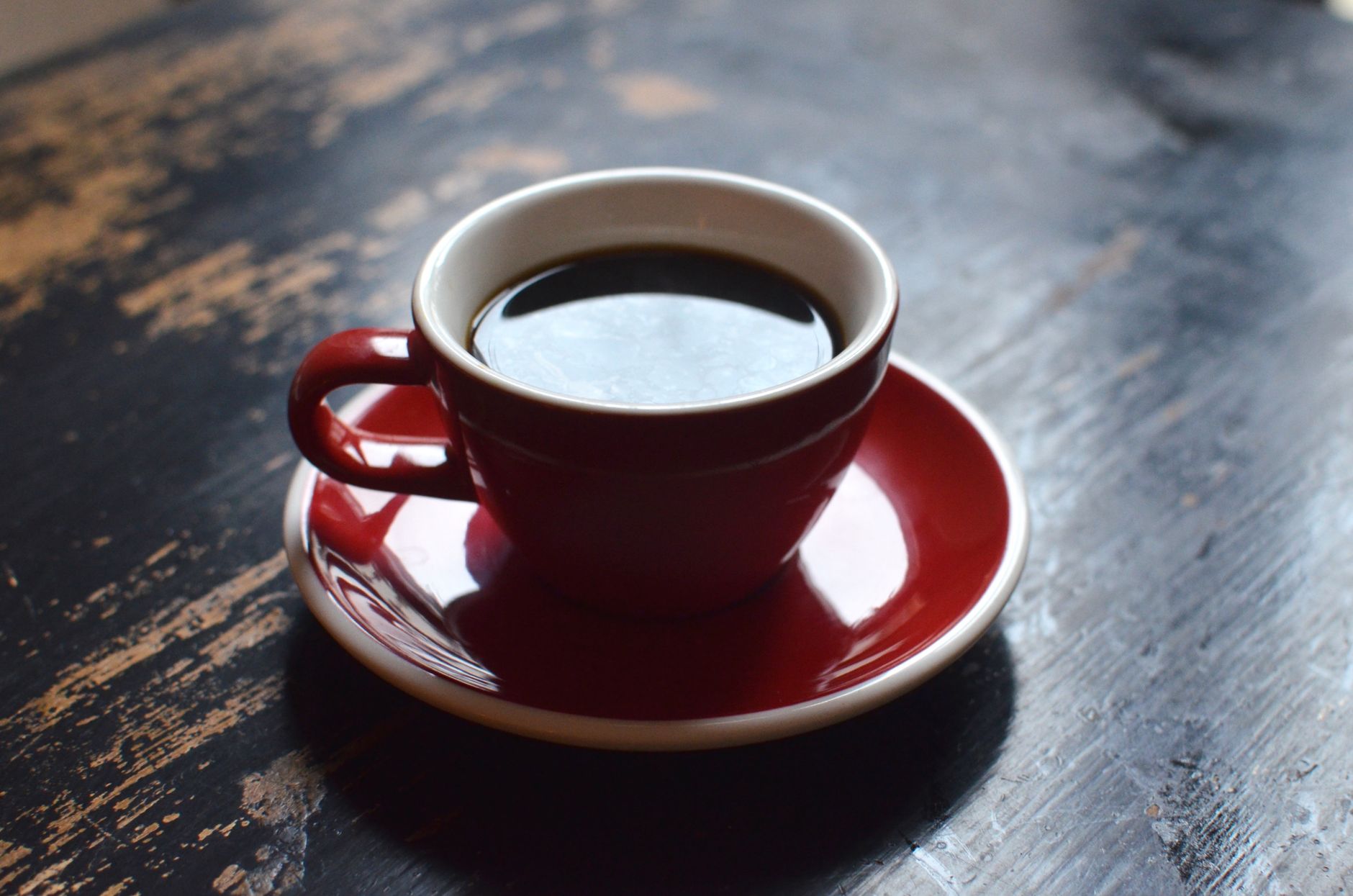
The relationship between coffee intake and liver health is not linear; rather, it appears to follow a U-shaped or inverse J-shaped curve, indicating an optimal range for benefit. Studies consistently point to a moderate daily intake as the most protective. This typically translates to 3 to 4 cups per day, where a 'cup' is generally defined as approximately 150-200 mL of regular brewed coffee. Below this range, the protective effects are less pronounced, and above it, the additional benefit plateaus or even diminishes, though adverse effects on the liver itself are rarely reported at higher intakes.
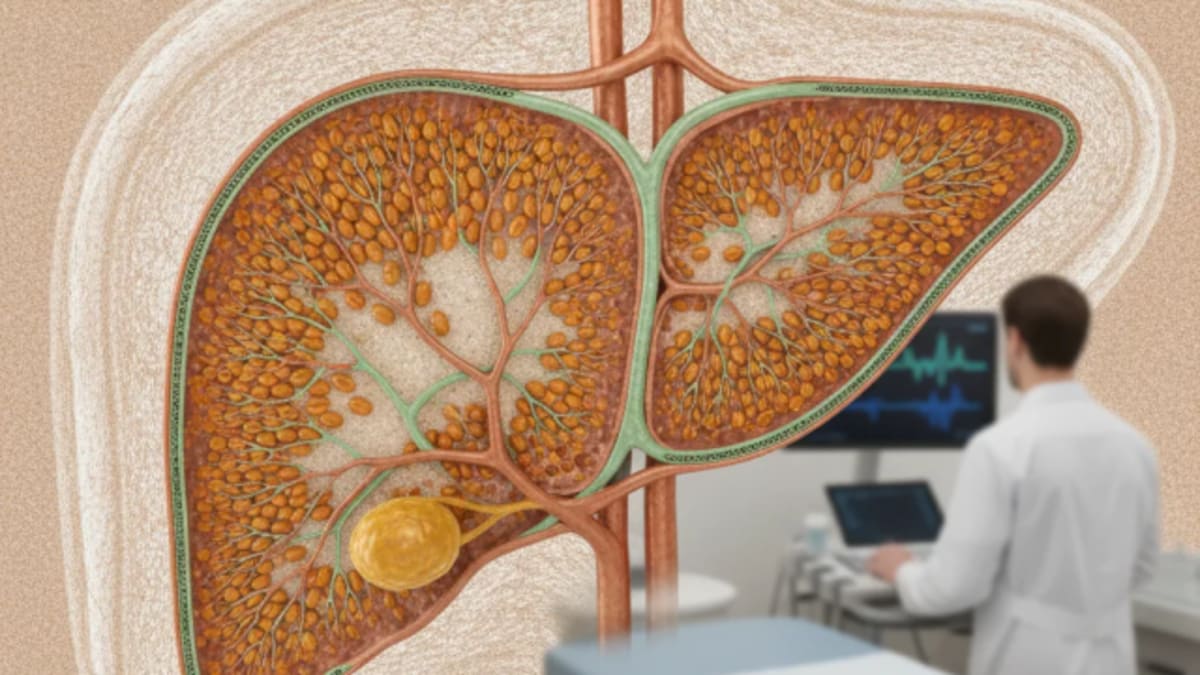
This optimal dose appears to reduce the risk of developing liver fibrosis, cirrhosis, and even hepatocellular carcinoma. The benefit is observed across various etiologies of liver disease, suggesting a general hepatoprotective mechanism rather than one specific to a single cause. Patients with chronic hepatitis B or C, for instance, show slower progression of fibrosis with regular coffee consumption. Similarly, individuals with NAFLD, a rapidly growing concern, also demonstrate a reduced risk of steatosis and inflammation. This broad applicability makes coffee a compelling, if simple, intervention.
But the definition of a 'cup' can vary widely, complicating precise recommendations. A standard espresso shot, for example, contains a different volume and concentration of compounds than a large filter coffee. This variability means that while the 3-4 cup guideline is useful, it requires some interpretation in clinical practice. The method of preparation also matters; filtered coffee, which removes diterpenes, may have a different impact than unfiltered preparations like French press or Turkish coffee, which retain these compounds. Diterpenes, while potentially hepatoprotective, can also raise cholesterol levels, a consideration for patients with dyslipidemia.
The evidence, while compelling, largely stems from observational studies and meta-analyses. These designs can identify associations but cannot definitively establish causation. Confounding factors, such as overall diet, alcohol consumption, physical activity, and socioeconomic status, are difficult to fully account for. Patients who drink more coffee might also adhere to other healthier lifestyle choices, making it challenging to isolate coffee's independent effect. Still, the consistency of the findings across diverse populations and study designs lends considerable weight to the observed association.
Clinical Implications for Patients
For patients already diagnosed with liver conditions, or those at high risk due to metabolic syndrome or chronic viral infections, coffee consumption could be a simple, non-pharmacological adjunct to their management strategy. Advising a moderate intake of 3-4 cups daily, assuming no contraindications like severe anxiety or uncontrolled hypertension, seems a reasonable recommendation. This is particularly relevant given the limited therapeutic options for many chronic liver diseases. It is a low-cost, widely available intervention that patients can easily incorporate into their daily routine.
The discussion should also include the type of coffee. Filtered coffee, which has lower levels of cafestol and kahweol, might be preferable for patients with elevated cholesterol, even if these diterpenes have some hepatoprotective properties. The overall cardiovascular risk profile of the patient should guide this nuance. For a comprehensive understanding of liver diseases, clinicians might consult Sherlock's Diseases of the Liver and Biliary System, a definitive reference in hepatobiliary disease.
Patients should also be cautioned against adding excessive sugar or high-calorie creamers, which could negate the benefits through increased caloric intake and potential exacerbation of metabolic dysfunction. The focus should remain on plain coffee. This advice aligns with broader public health messages promoting healthy dietary patterns and could be integrated into routine consultations for patients with risk factors for liver disease, such as obesity or type 2 diabetes. The simplicity of the intervention makes it highly actionable, though it should never replace established medical treatments or other essential lifestyle changes.
The role of coffee in gut dysbiosis is another area of emerging interest, as gut health is increasingly linked to liver function. Research into this connection could further elucidate coffee's broader systemic effects. While the data on coffee's liver benefits are robust, the precise mechanisms and the long-term effects of very high intake still warrant further investigation. Future randomized controlled trials, though challenging to conduct for dietary interventions, would provide the highest level of evidence to solidify these recommendations.
The consistent evidence for coffee's liver-protective effects provides a straightforward, actionable piece of advice for clinicians. We spend considerable time discussing complex drug regimens and intricate lifestyle changes; telling a patient that their daily coffee habit might actually be beneficial for their liver is a refreshing change. It is a low-barrier intervention that requires no prescription and minimal behavioral modification for many.
But the nuance matters. Simply telling patients to drink 'more coffee' is insufficient. The optimal range of 3-4 cups per day, and the consideration of filtered versus unfiltered preparations, are important details. For patients with co-morbidities like hyperlipidemia, the diterpene content in unfiltered coffee could be a concern, requiring a more tailored recommendation.
This is not a panacea, nor does it replace established treatments for liver disease. It is an adjunct, a simple lifestyle factor that can contribute to overall liver health. Clinicians should integrate this into their broader discussions on diet, exercise, and alcohol moderation, particularly for those at risk of NAFLD or other chronic liver conditions. The next step is to see if these observational findings can be translated into prospective interventional studies, however difficult those may be to design and execute.
- The Pivot Regular coffee consumption consistently correlates with a lower risk of liver disease progression.
- The Data Moderate daily intake, typically 3-4 cups, shows the most consistent and robust association with liver protection.
- The Action Advise patients at risk for liver conditions that moderate coffee intake may be a simple, accessible lifestyle intervention.
ART-2026-1899
·10/26
Drafted with AI assistance, reviewed and approved by the editorial team. This publication is intended for healthcare professionals, researchers, and life science industry professionals. Content is provided for informational and educational purposes only and does not constitute medical advice.

I specialise in clinical trial methodology and drug development, from Phase I to post-approval. My reports cover what got studied, what did not, and why. Based in Boston, reporting globally.
Cite This Article
Prescott D, Voss M. Liver disease: is coffee a daily dose of prevention?. The Life Science Feed. Published October 15, 2026. Updated October 15, 2026. Accessed October 15, 2026. https://thelifesciencefeed.com/hepatology/liver-cirrhosis/research/liver-disease-is-coffee-a-daily-dose-of-prevention.
Editorial & AI Standards
All content is researched from peer-reviewed, open-access sources: published trial data, clinical guidelines, and regulatory filings. AI tools are used solely to structure and summarise that evidence; no AI-generated conclusions appear without editor verification against the primary source.
Every article is reviewed by a named editor before publication. Source citations are listed in the References section. This content does not represent the views of any pharmaceutical company, medical device manufacturer, or healthcare provider.
Licence & Rights
© 2026 The Life Science Feed. All rights reserved. Unless otherwise indicated, all content is the property of The Life Science Feed and may not be reproduced, distributed, or transmitted in any form or by any means without prior written permission.
Medical Disclaimer
The information provided on The Life Science Feed is for educational and informational purposes only. It is not intended as a substitute for professional medical advice, diagnosis, or treatment. Always seek the advice of your physician or other qualified healthcare provider regarding any medical condition or treatment decision. Never disregard professional medical advice or delay in seeking it because of something you have read on this website.
References
1. Xiong F, Guan YS. Cautiously using natural medicine to treat liver problems. World J Gastroenterol. 2017;23(19):3388-3395. doi:10.3748/wjg.v23.i19.3388
2. Wierzejska R. Coffee consumption vs. cancer risk - a review of scientific data. Rocz Panstw Zakl Hig. 2015;66(4):293-8. PMID:26656410
3. Tanaka K, Tamakoshi A, Sugawara Y, et al. Coffee, green tea and liver cancer risk: an evaluation based on a systematic review of epidemiologic evidence among the Japanese population. Jpn J Clin Oncol. 2019;49(10):972-984. doi:10.1093/jjco/hyz097
4. Crozier A, Jaganath IB, Clifford MN. Dietary phenolics: chemistry, bioavailability and effects on health. Nat Prod Rep. 2009;26(8):1001-43. doi:10.1039/b802662a
5. Kishimoto Y, Tani M, Kondo K. Pleiotropic preventive effects of dietary polyphenols in cardiovascular diseases. Eur J Clin Nutr. 2013;67(5):532-5. doi:10.1038/ejcn.2013.29
6. Ariza RR, Pueyo C. The involvement of reactive oxygen species in the direct-acting mutagenicity of wine. Mutat Res. 1991;251(1):115-21. doi:10.1016/0027-5107(91)90221-9