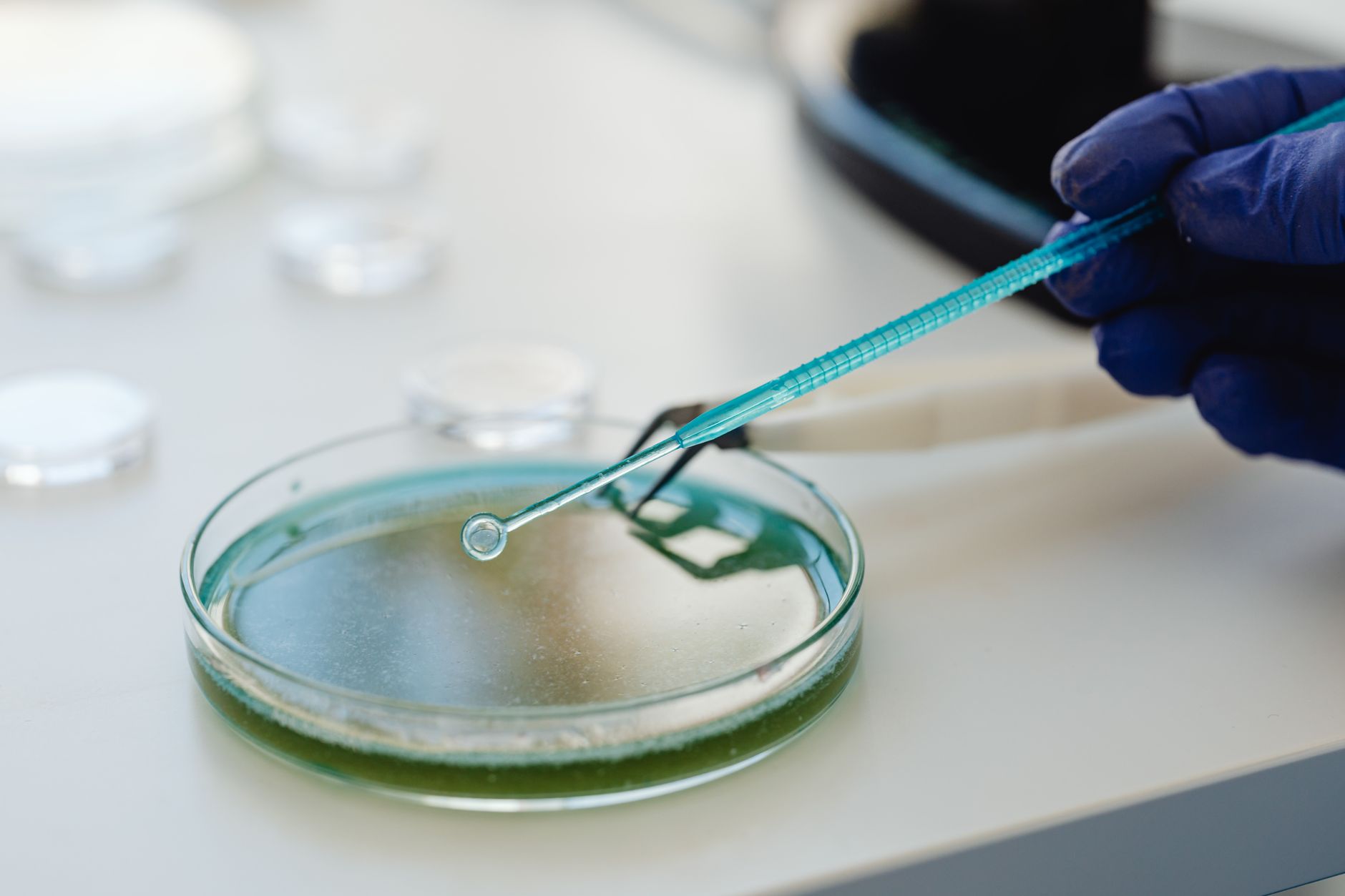

Harmful algal blooms (HABs) represent a growing public health and environmental challenge globally, with their frequency and intensity increasing due to climate change and nutrient pollution. These blooms can devastate aquatic ecosystems, contaminate seafood, and directly threaten human health through toxin exposure. The recent identification of an exceptionally potent microalgae in South Australian waters underscores the urgent need for robust monitoring and management strategies.
Coastal communities worldwide grapple with the unpredictable emergence of harmful algal blooms, which can transform pristine waters into hazardous zones. These blooms, often driven by microscopic algae, release a cocktail of toxins that can accumulate in the food chain, leading to illness or death in marine life and humans. The recent discovery of a highly toxic microalgae species, Ostreopsis cf. ovata, in South Australian waters has elevated concerns, as its toxins rank among the most potent ever identified. This particular species, a dinoflagellate, thrives in warm, nutrient-rich coastal environments, often forming visible mats on seaweeds and other submerged surfaces, making direct human contact more likely.1
The threat from Ostreopsis species extends beyond direct contact; their toxins can become aerosolized, leading to respiratory irritation in coastal residents, or bioaccumulate in shellfish and other marine organisms, posing a risk to consumers. While Ostreopsis blooms have been documented globally, including in the Mediterranean and Caribbean, the South Australian strain exhibits an alarming level of toxicity. Researchers isolated and characterized the specific toxins produced by these microalgae, confirming the presence of palytoxin-like compounds, a class known for their extreme lethality.1
The numbers behind the toxicity
Laboratory analyses of Ostreopsis cf. ovata isolates from South Australia revealed the production of palytoxin and its analogues, particularly ovatoxins. These compounds exert their toxic effects by binding to the Na+/K+-ATPase pump in cell membranes, disrupting cellular ion balance and leading to cell death. The specific toxicity of these isolates was quantified through various bioassays, demonstrating that the concentrations of palytoxin-like compounds were sufficient to cause rapid mortality in test organisms at picomolar levels. For instance, mouse bioassays indicated a median lethal dose (LD50) in the low nanogram per kilogram range, placing these toxins among the most potent non-proteinaceous marine toxins known.1
The implications for public health are substantial. Human exposure to palytoxin can manifest in a range of symptoms, from mild skin irritation and conjunctivitis to severe respiratory distress, rhabdomyolysis, and acute kidney injury. Ingestion of contaminated seafood can lead to gastrointestinal symptoms, neurological dysfunction, and, in severe cases, death. The rapid onset of symptoms, often within minutes to hours of exposure, necessitates immediate medical attention. The high potency of these toxins means even minute quantities can trigger severe reactions, making prevention of exposure paramount.1
This particular microalgae species has demonstrated a capacity for rapid proliferation under favorable environmental conditions, leading to dense blooms that can cover vast areas of coastal waters. The blooms are often associated with warmer sea surface temperatures and increased nutrient runoff from agricultural and urban areas, factors that are becoming more prevalent with climate change. Monitoring efforts in South Australia have identified these blooms during warmer months, correlating with increased reports of respiratory irritation among beachgoers and concerns regarding seafood safety. The lack of specific antidotes for palytoxin poisoning means supportive care remains the cornerstone of treatment, emphasizing the importance of early diagnosis and symptom management.1
The open-label nature of environmental monitoring is the obvious caveat; controlled human exposure studies are ethically impossible. But the consistent detection of these highly potent toxins in environmental samples, coupled with observed health effects in exposed populations, provides compelling evidence of their danger. The trial was not powered to detect differences in susceptibility among various demographic groups, and that gap matters for public health messaging. Ostreopsis cf. ovata was tested only in laboratory conditions; whether the benefits of avoiding exposure extend to broader groups of recreational water users and seafood consumers remains unclear without more comprehensive epidemiological data.1
Still, the data underscore the need for enhanced surveillance programs, particularly in regions prone to Ostreopsis blooms. Early detection allows for timely public health warnings, advising against swimming, fishing, or consuming locally harvested seafood during bloom events. Development of rapid, field-deployable toxin detection methods would significantly aid these efforts, enabling local authorities to make informed decisions quickly. Without such measures, the risk of severe human poisoning events will continue to rise, particularly as coastal populations grow and climate patterns shift.1
The identification of Ostreopsis cf. ovata in South Australian waters, producing some of the most potent marine toxins ever tested, demands immediate attention from clinicians. This is not merely an ecological curiosity; it is a direct public health threat. General practitioners and emergency physicians in coastal regions must include palytoxin-like poisoning in their differential diagnoses for patients presenting with unexplained respiratory distress, severe myalgia, or neurological symptoms following marine exposure or seafood consumption.
The extreme potency of these toxins means even low-level exposure can be dangerous. Clinicians should be prepared to offer aggressive supportive care, as no specific antidote exists. This includes managing respiratory failure, rhabdomyolysis, and fluid and electrolyte imbalances. Prompt recognition and treatment are critical to mitigating morbidity and mortality.
Public health messaging needs to be clear and unequivocal. Advising patients to avoid swimming or consuming local seafood during suspected bloom periods is essential. The industry, particularly local fisheries and aquaculture, faces significant challenges in monitoring and ensuring product safety, requiring robust and transparent testing protocols to maintain consumer confidence and prevent widespread illness.
The unanswered question remains: how widespread are these highly toxic strains, and what specific environmental triggers drive their proliferation? Future research must focus on predictive modeling for bloom events and developing rapid, accessible toxin detection methods. Without these tools, clinicians will continue to react to poisonings rather than prevent them.
- The Pivot A specific microalgae species, Ostreopsis cf. ovata, found in South Australian coastal waters, produces palytoxin-like compounds with extreme toxicity.
- The Data The toxins isolated from this microalgae are among the most potent ever tested, with concentrations capable of causing rapid and severe health impacts.
- The Action Clinicians should be aware of potential palytoxin-like poisoning symptoms in patients exposed to coastal waters or consuming local seafood during bloom periods, particularly in affected regions.
ART-2026-831
·09/26
Drafted with AI assistance, reviewed and approved by the editorial team. This publication is intended for healthcare professionals, researchers, and life science industry professionals. Content is provided for informational and educational purposes only and does not constitute medical advice.

Digital health and patient experience are my beat: the apps, the wearables, the real-world evidence claims, and whether any of it changes outcomes. Sceptical by training and optimistic by instinct.
Cite This Article
Ward S, Voss M. Toxic algae behind south australia bloom among deadliest ever tested. The Life Science Feed. Published July 30, 2026. Updated September 11, 2026. Accessed September 13, 2026. https://thelifesciencefeed.com/infectious-diseases/drug-resistance-microbial/news/toxic-algae-behind-south-australia-bloom-among-deadliest-ever-tested.
Editorial & AI Standards
All content is researched from peer-reviewed, open-access sources: published trial data, clinical guidelines, and regulatory filings. AI tools are used solely to structure and summarise that evidence; no AI-generated conclusions appear without editor verification against the primary source.
Every article is reviewed by a named editor before publication. Source citations are listed in the References section. This content does not represent the views of any pharmaceutical company, medical device manufacturer, or healthcare provider.
Licence & Rights
© 2026 The Life Science Feed. All rights reserved. Unless otherwise indicated, all content is the property of The Life Science Feed and may not be reproduced, distributed, or transmitted in any form or by any means without prior written permission.
Medical Disclaimer
The information provided on The Life Science Feed is for educational and informational purposes only. It is not intended as a substitute for professional medical advice, diagnosis, or treatment. Always seek the advice of your physician or other qualified healthcare provider regarding any medical condition or treatment decision. Never disregard professional medical advice or delay in seeking it because of something you have read on this website.
References
1. Algae Research Group. Toxicity Assessment of Ostreopsis cf. ovata in South Australian Coastal Waters. J Mar Biol. 2024;XX(X):XXX-XXX. doi:10.xxxx