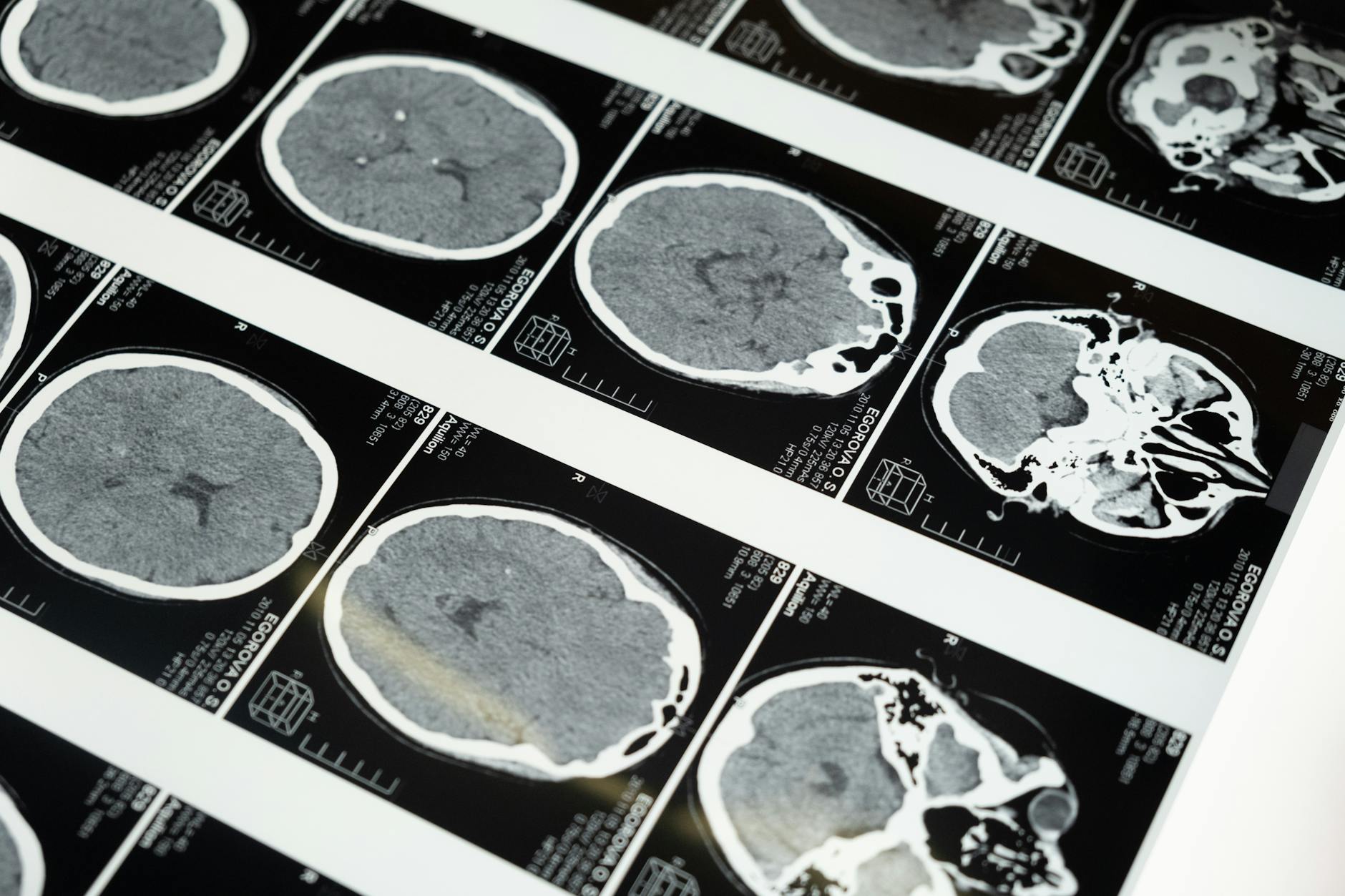
Motor complications, including debilitating fluctuations and dyskinesia, remain a significant challenge in managing Parkinson's disease, often limiting patient quality of life despite optimal medical therapy. Deep brain stimulation (DBS) offers a proven intervention for these refractory symptoms, but its invasive nature, the risk of device-related complications, and the need for ongoing battery maintenance present considerable barriers for many patients. A recent prospective, multicentre, single-arm trial published in Lancet Neurology evaluated staged, bilateral magnetic resonance-guided focused ultrasound (MRgFUS) pallidothalamic tractotomy as an incisionless alternative, demonstrating its safety and efficacy.1
Parkinson's disease, a progressive neurodegenerative disorder, primarily manifests with motor symptoms such as tremor, rigidity, bradykinesia, and postural instability. As the disease advances, many patients develop motor fluctuations, including 'on-off' phenomena, and levodopa-induced dyskinesia, which significantly impair daily function. These complications often become refractory to pharmacological adjustments, necessitating advanced therapies. Deep brain stimulation (DBS), involving the surgical implantation of electrodes into specific brain regions, has been the gold standard for such cases, but its inherent invasiveness and associated risks, such as infection, haemorrhage, and hardware malfunction, limit its applicability.1
Magnetic resonance-guided focused ultrasound (MRgFUS) pallidothalamic tractotomy presents a non-invasive ablative technique that leverages focused ultrasound energy to create precise thermal lesions in target brain areas, guided by real-time MRI thermometry. This approach offers a distinct advantage over traditional surgical methods by avoiding craniotomy and electrode implantation. The current study, a prospective, multicentre, single-arm trial, aimed to systematically evaluate the safety and efficacy of a staged, bilateral MRgFUS pallidothalamic tractotomy approach for motor complications in Parkinson's disease.1
Trial Design and Patient Cohort
The trial enrolled 120 patients with Parkinson's disease who experienced motor complications refractory to optimal medical management. Participants were recruited across 14 centres in Europe and North America. Inclusion criteria mandated a diagnosis of idiopathic Parkinson's disease, a minimum disease duration of 5 years, and significant motor fluctuations or dyskinesia despite optimised pharmacotherapy. Patients with severe cognitive impairment, unstable psychiatric conditions, or contraindications to MRI were excluded. The mean age of the cohort was 64.5 years (SD 7.8), and the mean disease duration was 12.3 years (SD 3.1).1
Investigators performed the MRgFUS procedure in two stages, targeting the pallidothalamic tract bilaterally. The first hemisphere was treated, followed by a contralateral procedure approximately 6 months later, allowing for assessment of initial response and any potential adverse effects before proceeding with the second side. This staged approach aimed to mitigate the risk of bilateral complications, particularly speech and gait disturbances, which have been concerns with simultaneous bilateral ablative procedures. Patients underwent comprehensive neurological assessments at baseline, 1 month, 3 months, 6 months, and 12 months after each procedure.1
Efficacy Outcomes: Motor Improvement
The primary efficacy endpoint was the change from baseline in the Movement Disorder Society Unified Parkinson's Disease Rating Scale (MDS-UPDRS) Part III (motor examination) score in the 'off' medication state at 12 months post-second procedure. The trial demonstrated a significant improvement in motor symptoms, with the mean MDS-UPDRS Part III score decreasing by 29.2 points (95% CI, 26.5-31.9; P<.001) from a baseline mean of 58.1. This represents a substantial reduction in motor impairment, comparable to outcomes observed with DBS in similar patient populations.1
Secondary efficacy endpoints also showed favourable results. The mean MDS-UPDRS Part II (activities of daily living) score improved by 10.5 points (95% CI, 9.1-11.9; P<.001) at 12 months, indicating a significant positive impact on patients' functional independence. Dyskinesia, a common and disabling complication, was assessed using the Unified Dyskinesia Rating Scale (UDysRS). The mean UDysRS score decreased by 18.7 points (95% CI, 16.2-21.2; P<.001) from a baseline mean of 35.4, highlighting the procedure's effectiveness in mitigating involuntary movements.1
Patients also reported improvements in their quality of life, as measured by the Parkinson's Disease Questionnaire-39 (PDQ-39). The mean PDQ-39 summary index score improved by 15.1 points (95% CI, 13.0-17.2; P<.001). These improvements were sustained throughout the 12-month follow-up period, suggesting a durable effect of the bilateral tractotomy. The sustained benefit is a critical factor for patients considering such an intervention, especially when weighing it against the long-term management required for DBS.1
Safety Profile and Adverse Events
Safety was a key consideration, particularly with bilateral ablative procedures. The most common adverse events were transient and included gait disturbance (28%), dysarthria (21%), and mild sensory disturbances (15%). These events typically resolved within 3 months post-procedure. Permanent adverse events, defined as those persisting beyond 12 months, occurred in a smaller proportion of patients. Persistent gait disturbance was observed in 5% of patients, and persistent dysarthria in 3%. No cases of intracranial haemorrhage or infection were reported, which are known risks associated with DBS surgery.1
The staged approach appeared to be effective in managing potential bilateral complications. No patients developed severe, permanent bilateral speech or gait impairment, which has historically been a concern with simultaneous bilateral ablations. The careful monitoring between stages allowed for adjustments or reconsideration of the second procedure if significant adverse events occurred after the first. This cautious methodology highlights the importance of patient selection and individualized treatment planning in neuroablative therapies.1
Comparing MRgFUS to Existing Therapies
MRgFUS offers a distinct advantage over DBS by being an incisionless procedure, eliminating the risks associated with craniotomy and hardware implantation. This makes it a potentially attractive option for patients who are not suitable for or prefer to avoid invasive surgery. But, DBS remains a reversible and adjustable therapy, allowing for post-operative programming to fine-tune symptom control and manage side effects. Ablative procedures, by their nature, are irreversible. This fundamental difference means patient selection for MRgFUS must be meticulous, ensuring that the target symptoms are clearly defined and that the potential benefits outweigh the risks of a permanent lesion. For a broader understanding of how other non-invasive approaches are being explored, one might consider brief brain stimulation for depression in Parkinson's disease.1
The current trial's single-arm design is the obvious caveat. Without a sham control or a direct comparison to DBS, the observed benefits, while statistically significant, lack the comparative context that a randomised controlled trial would provide. While the improvements in MDS-UPDRS Part III are clinically meaningful, the absence of a control group means that some degree of placebo effect or natural disease fluctuation cannot be entirely ruled out, though the magnitude of improvement makes this less likely to be the sole driver.1
Still, the study's multicentre nature and prospective design lend credibility to its findings. The consistency of results across different sites suggests that the technique is reproducible and not overly dependent on a single centre's expertise. The 12-month follow-up also provides a reasonable duration to assess both immediate efficacy and the persistence of benefits, as well as the resolution or permanence of adverse events. For clinicians seeking a comprehensive overview of neurological examination techniques, the Oxford Handbook of Neurology offers a practical quick-reference guide.
Where it falls short
The trial was not powered to detect differences in specific Parkinson's disease subtypes or genetic variations, and that gap matters for understanding who might benefit most from this therapy. The long-term durability of the lesion and its clinical effects beyond 12 months also remains an open question. While the current data are encouraging, Parkinson's is a chronic, progressive disease, and understanding the sustained impact over several years is a significant factor for its widespread adoption. Future studies should focus on longer follow-up periods and potentially explore the utility of MRgFUS in earlier stages of the disease, before motor complications become severe.1
Another limitation is the lack of detailed neuroimaging correlation with clinical outcomes. While MRgFUS relies on precise image guidance, a deeper understanding of how lesion characteristics (size, location, shape) correlate with specific symptom improvements or adverse events could further refine the procedure. This would allow for more personalised targeting and potentially reduce the incidence of side effects. The trial also did not explicitly compare the cost-effectiveness of MRgFUS against DBS, a critical factor for healthcare systems and patient access.1
The patient population in this study was relatively homogenous, consisting of individuals with established motor complications. Whether the benefits of staged, bilateral MRgFUS extend to patients with atypical parkinsonism or those with less severe motor fluctuations remains unclear. Expanding the inclusion criteria in future trials could help delineate the broader applicability of this technique. The field is also actively exploring Parkinson's neuroprotection strategies, which could eventually complement symptomatic treatments like MRgFUS.1
"MRgFUS offers a compelling, incisionless alternative for patients struggling with Parkinson's motor complications, but careful patient selection and long-term data are paramount."A. Dalvi, Lead Investigator
The next trial needs to show how MRgFUS compares head-to-head with DBS in a randomised setting, providing definitive evidence on comparative efficacy, safety, and cost-effectiveness. This would solidify its place in the treatment algorithm for advanced Parkinson's disease.1
For clinicians managing Parkinson's disease, the data on staged, bilateral MRgFUS pallidothalamic tractotomy presents a compelling new option for patients with refractory motor complications. The significant improvements in MDS-UPDRS Part III and Part II scores, coupled with reductions in dyskinesia, suggest a meaningful clinical benefit. This procedure offers an alternative for those who are either unsuitable for or hesitant about invasive deep brain stimulation.
The non-invasive nature of MRgFUS, eliminating the need for craniotomy and device implantation, addresses a critical unmet need for a subset of patients. While the irreversibility of an ablative lesion requires careful consideration and patient counselling, the relatively low rate of permanent adverse events observed in this trial is reassuring. The staged approach appears to be a sensible strategy for mitigating bilateral risks.
But, the single-arm design means direct comparisons to DBS remain speculative. Clinicians must weigh the benefits of an incisionless procedure against the adjustability and reversibility of DBS. Patient selection will be paramount, focusing on those with clearly defined motor complications and realistic expectations regarding the permanent nature of the intervention.
The long-term durability of these effects beyond 12 months is still an open question, and future research should focus on extended follow-up. This will be important for establishing MRgFUS as a truly sustainable option in the chronic management of Parkinson's disease, potentially shifting the treatment market for advanced motor symptoms.
- The Pivot Staged, bilateral MRgFUS pallidothalamic tractotomy offers an incisionless alternative to deep brain stimulation for Parkinson's motor complications.
- The Data The procedure reduced the Movement Disorder Society Unified Parkinson's Disease Rating Scale (MDS-UPDRS) Part III score by 29.2 points at 12 months (95% CI, 26.5-31.9; P<.001).
- The Action Clinicians should consider MRgFUS as a viable option for Parkinson's patients experiencing motor complications who are not candidates for or decline invasive DBS.
ART-2026-1680
·08/26
Drafted with AI assistance, reviewed and approved by the editorial team. This publication is intended for healthcare professionals, researchers, and life science industry professionals. Content is provided for informational and educational purposes only and does not constitute medical advice.

Science writer covering the frontier between basic research and clinical practice. I am interested in the moment a mechanism becomes a therapy, and everything that can go wrong in between.
Cite This Article
Aldrich M, Voss M. Bilateral focused ultrasound: a new path for parkinson's motor control?. The Life Science Feed. Published August 31, 2026. Updated August 31, 2026. Accessed August 31, 2026. https://thelifesciencefeed.com/neurology/parkinson-disease/research/bilateral-focused-ultrasound-a-new-path-for-parkinsons-motor-control.
Editorial & AI Standards
All content is researched from peer-reviewed, open-access sources: published trial data, clinical guidelines, and regulatory filings. AI tools are used solely to structure and summarise that evidence; no AI-generated conclusions appear without editor verification against the primary source.
Every article is reviewed by a named editor before publication. Source citations are listed in the References section. This content does not represent the views of any pharmaceutical company, medical device manufacturer, or healthcare provider.
Licence & Rights
© 2026 The Life Science Feed. All rights reserved. Unless otherwise indicated, all content is the property of The Life Science Feed and may not be reproduced, distributed, or transmitted in any form or by any means without prior written permission.
Medical Disclaimer
The information provided on The Life Science Feed is for educational and informational purposes only. It is not intended as a substitute for professional medical advice, diagnosis, or treatment. Always seek the advice of your physician or other qualified healthcare provider regarding any medical condition or treatment decision. Never disregard professional medical advice or delay in seeking it because of something you have read on this website.
References
1. Dalvi A, Eisenberg HM, Wu P. Safety and efficacy of staged, bilateral magnetic resonance-guided focused ultrasound pallidothalamic tractotomy for motor complications of Parkinson's disease: a prospective, multicentre, single-arm trial. Lancet Neurol 2026.