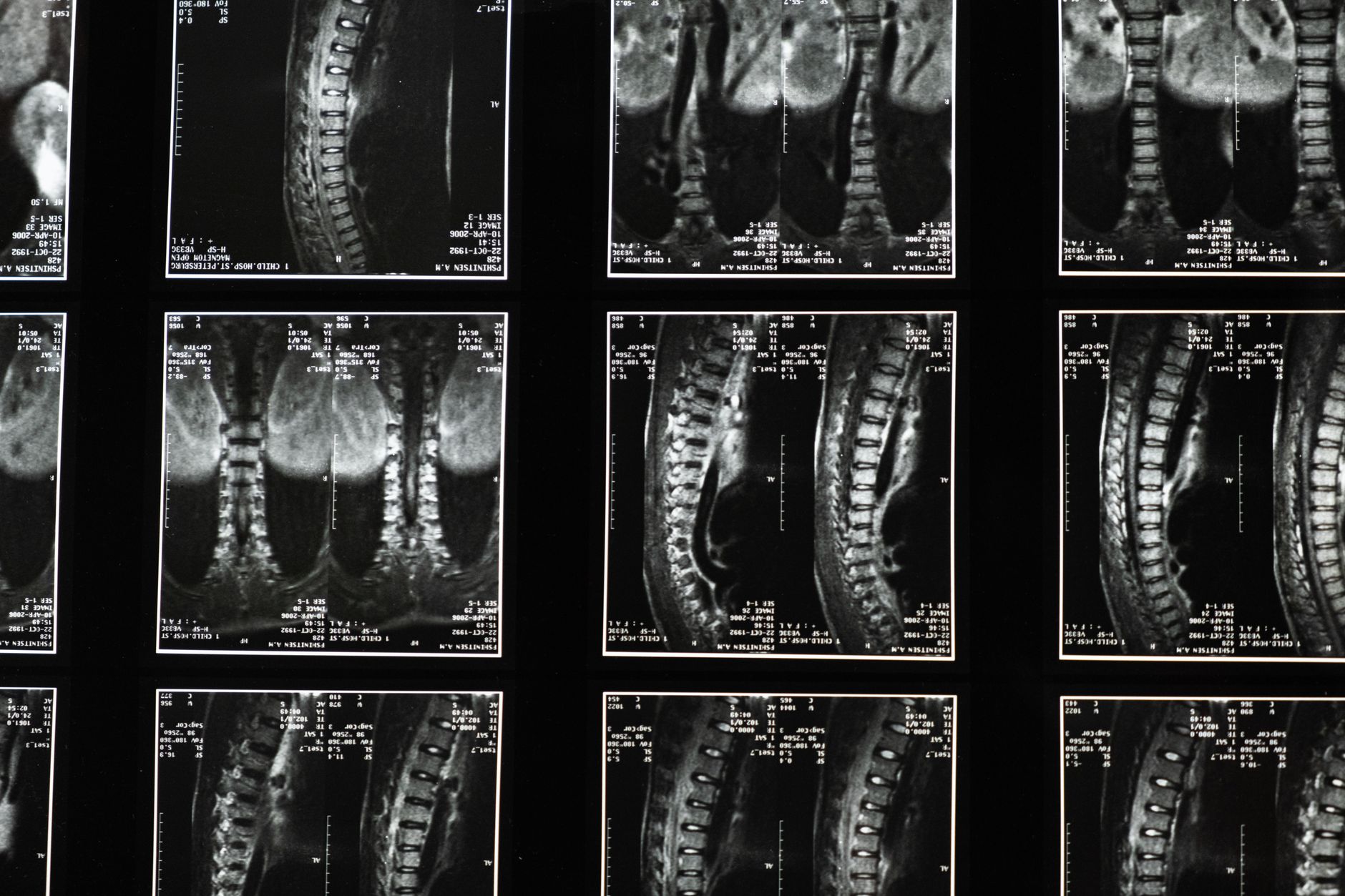

The push for same-day discharge following primary total knee arthroplasty (TKA) reflects a broader shift towards value-based care and efficiency in surgical pathways. But the precise patient characteristics and systemic supports that facilitate safe, early discharge remain a subject of ongoing investigation. Clinicians need clear guidance on which patients are truly suitable for this accelerated recovery, and what anaesthetic and surgical approaches best support it.
Primary total hip arthroplasty (THA) and total knee arthroplasty (TKA) procedures are increasingly moving towards same-day discharge pathways. This trend is driven by a desire to reduce healthcare costs, minimise hospital-acquired infections, and improve patient satisfaction through a more rapid return to home environments. But the optimal anaesthetic technique for these accelerated outpatient pathways remains a point of contention among anaesthesiologists and orthopaedic surgeons.1
Neuraxial anaesthesia, specifically spinal anaesthesia (SA), has traditionally been widely recommended for lower limb arthroplasty based on a substantial body of observational evidence. This preference stems from its perceived benefits in pain control, reduced opioid consumption, and lower incidence of postoperative nausea and vomiting. But the emergence of fast-track programmes, which often incorporate short-acting total intravenous anaesthesia (TIVA), challenges this long-held assumption. These newer approaches aim to facilitate earlier mobilisation and discharge, potentially offering advantages for same-day protocols.1
The Anaesthetic Conundrum
The core question facing clinicians is whether general anaesthesia (GA) or spinal anaesthesia provides a superior profile for patients undergoing outpatient primary THA or TKA with a same-day discharge target. A randomised controlled trial protocol, published in Acta Anaesthesiologica Scandinavica, highlights this significant evidence gap.1 Noppa, Dahlberg, and de Leon acknowledge that despite the increasing adoption of same-day discharge, a direct, head-to-head comparison of GA versus SA in this specific context is missing from the literature.1 This absence means current practice relies heavily on institutional protocols, surgeon preference, and extrapolated data from inpatient settings, rather than robust, randomised evidence tailored to the outpatient model.
The trial protocol, titled 'General Anaesthesia Versus Spinal Anaesthesia for Outpatient Total Hip and Knee Arthroplasty: A Randomised Trial Protocol,' outlines a study designed to address this very question.1 The investigators plan to recruit patients undergoing primary THA or TKA who are deemed suitable for same-day discharge. Their primary objective is to compare the efficacy and safety of GA versus SA in facilitating successful same-day discharge. Key outcomes will likely include time to discharge readiness, actual discharge rates, postoperative pain scores, opioid consumption, and complication rates within the immediate postoperative period. This kind of direct comparison is essential for establishing evidence-based guidelines for anaesthetic management in this rapidly evolving surgical market. The study's focus on a same-day discharge target is particularly relevant, as the physiological and logistical demands of rapid recovery may favour different anaesthetic profiles than those traditionally preferred for inpatient stays.
Patient Selection and Systemic Support
Beyond the anaesthetic choice, successful same-day discharge for TKA hinges on careful patient selection and robust systemic support. Paxton, Harris, and Okike, writing in The Permanente Journal, note the importance of leveraging clinical registries and electronic health systems to advance value-based medicine across specialties, including orthopaedics.2 While their abstract echoes the anaesthetic uncertainty, their broader work points to the role of data infrastructure in identifying suitable candidates and optimising care pathways.2 For same-day TKA, this means identifying patients with minimal comorbidities, strong social support systems, and a high motivation for early discharge. Patients with significant cardiac, pulmonary, or renal disease, or those living alone without adequate post-discharge assistance, are typically excluded from these protocols. The ability to track patient outcomes through registries allows for continuous refinement of selection criteria, ensuring that only appropriate patients are offered this pathway.
Electronic health systems (EHS) play an important role in coordinating care for same-day discharge patients. These systems facilitate seamless communication between surgeons, anaesthesiologists, nurses, physical therapists, and home care providers. Preoperative education, clear discharge instructions, and rapid access to follow-up care are all important components that EHS can streamline. For instance, an EHS can flag patients who might benefit from additional preoperative physical therapy or nutritional optimisation, or those who require specific home modifications before surgery. The integration of patient-reported outcome measures (PROMs) within these systems also allows for real-time monitoring of recovery and early detection of complications, which is particularly important when patients are discharged quickly. This kind of integrated approach is vital for ensuring patient safety and satisfaction in an accelerated recovery model. Our previous coverage on biosimilars as a sustainable strategy for healthcare systems also touches on how systemic efficiencies can drive value.
Surgical Technique and Recovery
The surgical approach itself can also influence the feasibility of same-day discharge. Erdem, Erdem, and Turgut, in the Journal of Knee Surgery, investigated whether the mini-midvastus approach for TKA offers advantages in reducing blood loss and hospital stay.3 While their abstract also highlights the ongoing debate regarding optimal anaesthesia, their study examines a surgical factor that directly impacts recovery metrics relevant to early discharge. Minimally invasive techniques, such as the mini-midvastus approach, aim to reduce tissue trauma, thereby potentially leading to less postoperative pain, reduced blood loss, and faster rehabilitation.3
The mini-midvastus approach involves a smaller incision and less disruption of the quadriceps mechanism compared to traditional medial parapatellar approaches. This reduced invasiveness theoretically translates to quicker recovery of quadriceps strength and function, which is essential for early mobilisation and ambulation. Reduced blood loss is another significant factor, as it minimises the need for transfusions and their associated risks, further supporting a rapid recovery trajectory. While the specific findings on blood loss and hospital stay from Erdem and colleagues are not detailed in the abstract, the very premise of their investigation shows that surgical technique is a modifiable factor in the pursuit of same-day discharge. Optimising surgical methods to minimise pain and accelerate functional recovery is as important as selecting the right anaesthesia or patient. For clinicians seeking to deepen their understanding of musculoskeletal conditions, the Oxford Handbook of Rheumatology (5th ed) offers a concise reference.
The Unmet Need for Randomised Evidence
The consistent refrain across these papers is the lack of high-quality, randomised controlled trials specifically comparing anaesthetic techniques for same-day discharge TKA. Observational data, while useful for generating hypotheses and informing initial practice, cannot definitively establish causality or rule out confounding factors. The Noppa et al. protocol aims to fill this gap, but until such trials are completed and their results published, clinicians must navigate this evolving clinical landscape with incomplete evidence.1 The choice between GA and SA involves trade-offs: SA offers excellent intraoperative analgesia and reduced opioid exposure, but can delay mobilisation due to residual motor block and carries risks of post-dural puncture headache. GA, particularly with short-acting agents, allows for rapid emergence and potentially earlier ambulation, but may be associated with higher rates of postoperative nausea and vomiting or cognitive dysfunction in some patients. The optimal balance for same-day discharge remains elusive without direct comparative data.
The challenge extends beyond anaesthesia. Identifying the ideal patient for same-day discharge is also an area where more evidence is needed. While general guidelines exist, such as excluding patients with severe cardiac disease or uncontrolled diabetes, the specific thresholds and predictive factors for success are not universally agreed upon. The role of preoperative physical therapy, patient education programmes, and home support assessments in predicting successful same-day discharge also warrants further investigation. Integrating these elements into a comprehensive, evidence-based pathway is essential for scaling same-day TKA safely and effectively. Our previous article on knee distraction in severe osteoarthritis highlights other innovative approaches to managing knee pathology.
The ongoing evolution of surgical techniques, anaesthetic agents, and perioperative care protocols means that the definition of an 'ideal' same-day discharge patient and system is constantly shifting. What was considered too risky a decade ago is now routine in some centres. But this progress must be guided by rigorous research, not just anecdotal success or cost-saving imperatives. The absence of definitive randomised data on anaesthetic choices for same-day TKA is a significant gap that needs urgent attention. Without it, the expansion of these pathways, while often beneficial, risks being built on a foundation of observational inference rather than robust clinical proof. The trial protocol by Noppa and colleagues represents an important step towards providing that much-needed evidence.1
The drive for same-day discharge in total knee arthroplasty is commendable for its potential to reduce costs and enhance patient experience, but the current evidence base for optimal anaesthetic choice is surprisingly thin. Relying on observational data for such a critical decision, especially when fast-track protocols are explicitly targeting early mobilisation, is a clinical gamble. We need definitive randomised trials to inform best practice, not just institutional preference.
For orthopaedic surgeons and anaesthesiologists, this means continuing to meticulously select patients suitable for same-day discharge, focusing on those with minimal comorbidities and robust social support. The promise of reduced blood loss from approaches like the mini-midvastus technique is appealing, but these surgical innovations must be integrated with equally evidence-based perioperative care. The lack of a clear winner between general and spinal anaesthesia for this specific patient cohort leaves a significant void in our guidelines.
Health systems, in their pursuit of value-based care, must invest in the research necessary to validate these accelerated pathways. Leveraging clinical registries and electronic health systems, as Paxton and colleagues suggest, is not just about tracking outcomes; it is about identifying the precise patient characteristics and systemic interventions that predict success. Without this data-driven approach, the expansion of same-day TKA risks compromising patient safety or failing to deliver the intended efficiencies.
The unanswered question remains: which anaesthetic truly offers the best balance of pain control, rapid recovery, and minimal complications for the same-day TKA patient? Until a well-powered, randomised trial provides that answer, clinicians must proceed with caution, individualising care based on the best available, albeit imperfect, evidence.
- The Pivot Same-day discharge for TKA is expanding, but the optimal anaesthetic technique and patient selection criteria lack robust, randomised evidence.
- The Data No randomised controlled trial has yet compared general anaesthesia with spinal anaesthesia specifically for outpatient primary TKA with a same-day discharge target.
- The Action Clinicians should continue to rely on observational evidence and fast-track protocols, while awaiting definitive randomised data on anaesthetic choices for same-day TKA.
ART-2026-1525
·11/26
Drafted with AI assistance and checked by automated style rules. Not individually read by an editor. This publication is intended for healthcare professionals, researchers, and life science industry professionals. Content is provided for informational and educational purposes only and does not constitute medical advice.

Science writer covering the frontier between basic research and clinical practice. I am interested in the moment a mechanism becomes a therapy, and everything that can go wrong in between.
Cite This Article
Aldrich M, Lopes W. Same-day discharge for knee arthroplasty: who goes home, and how?. The Life Science Feed. Published November 11, 2026. Updated November 11, 2026. Accessed November 11, 2026. https://thelifesciencefeed.com/orthopedics/arthroplasty-replacement-knee/practice/same-day-discharge-knee-arthroplasty-patient-systems.
Editorial & AI Standards
Content is drafted with AI tools from peer-reviewed, open-access sources such as published trial data, clinical guidelines, and regulatory filings. This article is checked by automated style rules but is not individually read by an editor, so check the cited source before relying on a figure.
Source citations are listed in the References section. This content does not represent the views of any pharmaceutical company, medical device manufacturer, or healthcare provider.
Licence & Rights
© 2026 The Life Science Feed. All rights reserved. Unless otherwise indicated, all content is the property of The Life Science Feed and may not be reproduced, distributed, or transmitted in any form or by any means without prior written permission.
Medical Disclaimer
The information provided on The Life Science Feed is for educational and informational purposes only. It is not intended as a substitute for professional medical advice, diagnosis, or treatment. Always seek the advice of your physician or other qualified healthcare provider regarding any medical condition or treatment decision. Never disregard professional medical advice or delay in seeking it because of something you have read on this website.
References
1. Noppa E, Dahlberg K, de Leon A. General Anaesthesia Versus Spinal Anaesthesia for Outpatient Total Hip and Knee Arthroplasty: A Randomised Trial Protocol. Acta Anaesthesiol Scand. 2026;42297351. doi:10.1111/aas.14876
2. Paxton EW, Harris J, Okike K. Leveraging Clinical Registries and Electronic Health Systems to Advance Value-Based Medicine Across Specialties. Perm J. 2026;41987577. doi:10.7812/TPP/25.101
3. Erdem AC, Erdem M, Turgut N. Is the Mini-Midvastus Approach for Total Knee Arthroplasty Any Better in Reducing Blood Loss and Hospital Stay? J Knee Surg. 2026;41760101. doi:10.1055/s-0046-1736637