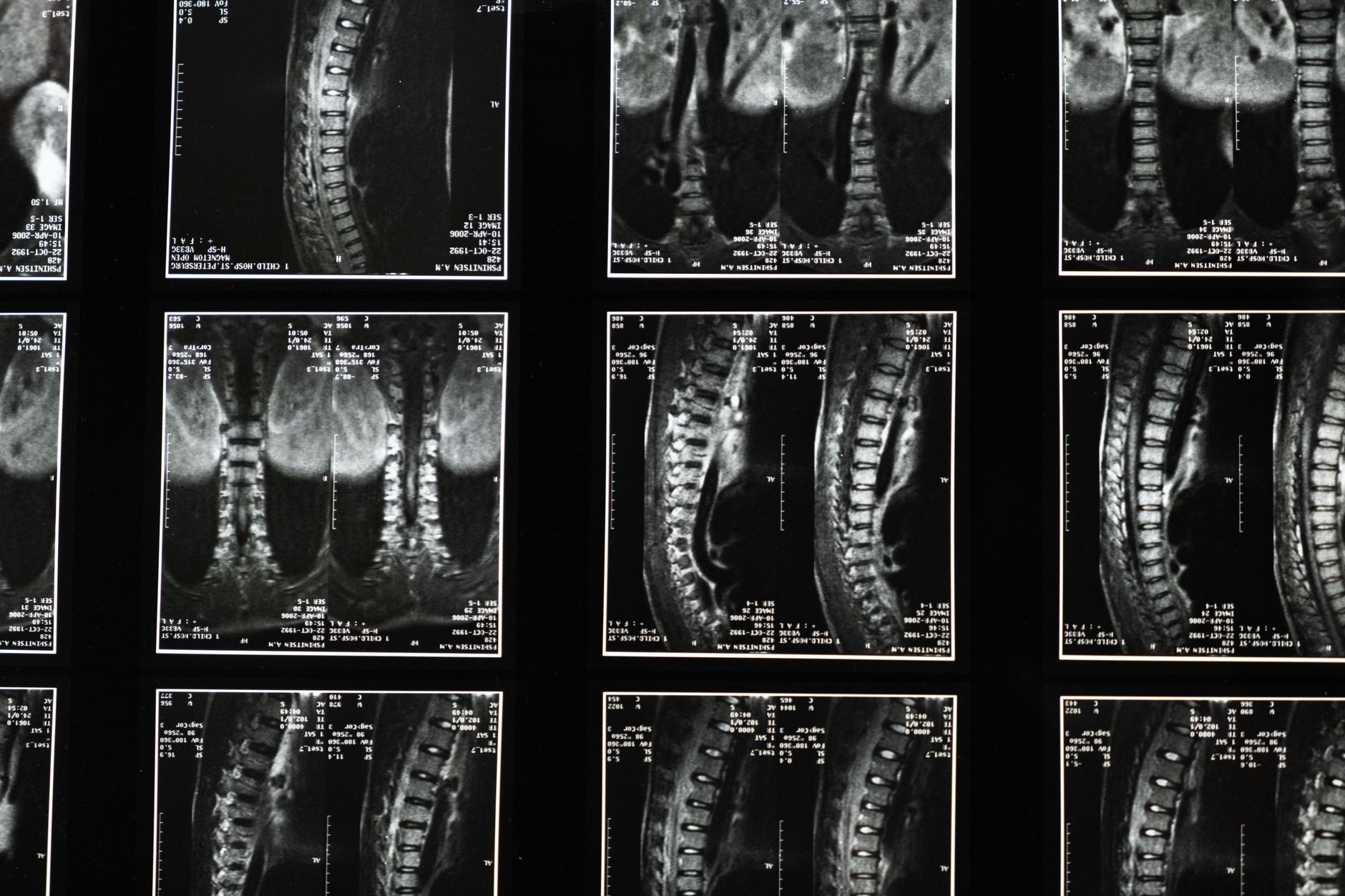
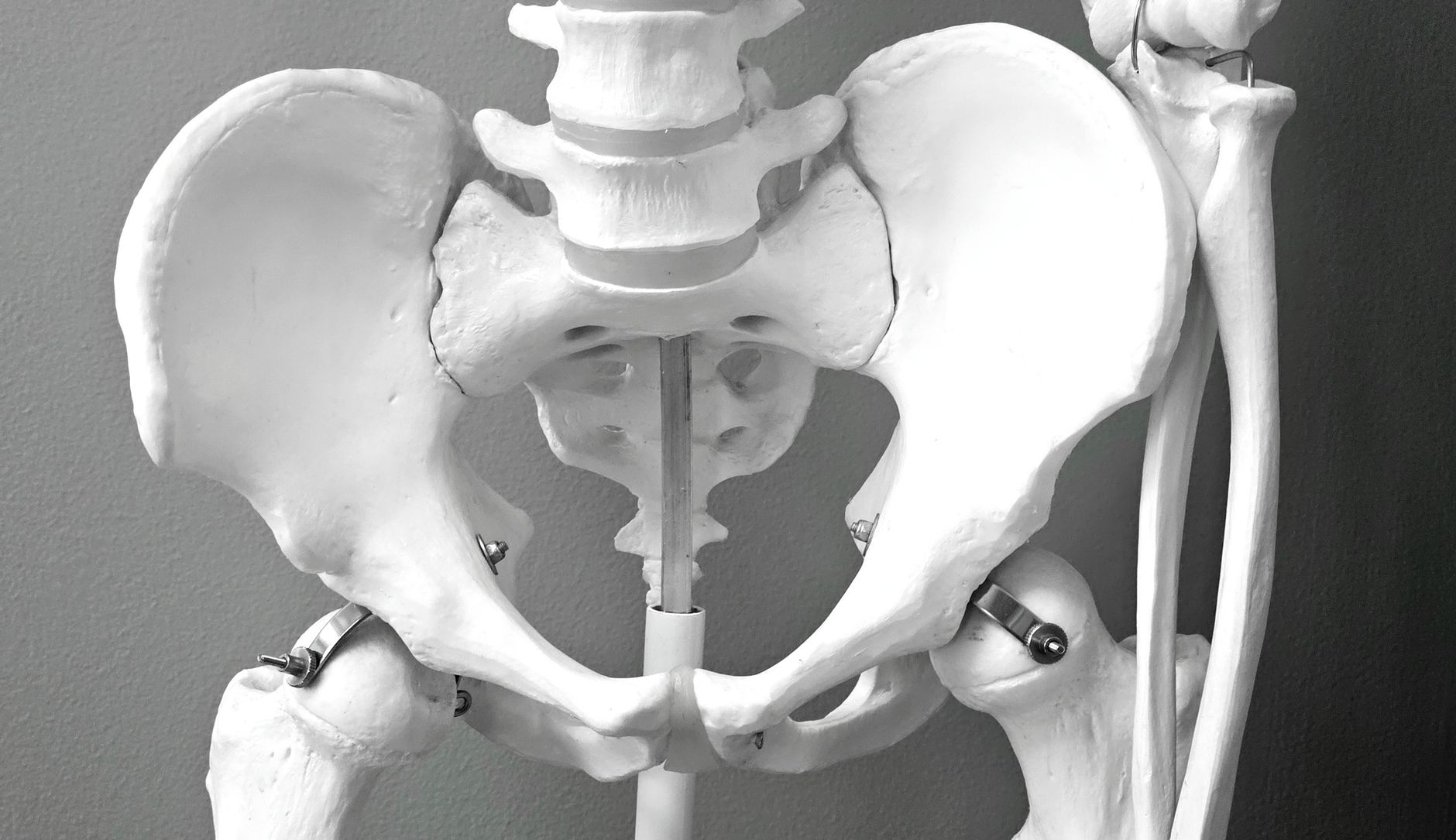
Hip fractures remain a significant cause of morbidity and mortality in older adults, often requiring surgical intervention. The choice of fixation method in arthroplasty, particularly cemented versus uncemented, has long been a point of contention among orthopedic surgeons. Concerns about bone cement implantation syndrome (BCIS) and its potential cardiopulmonary sequelae have historically led some to avoid cemented fixation, despite its biomechanical advantages.
A secondary analysis of the HIP ATTACK trial, published in Clin Orthop Relat Res, now offers clarity, directly addressing whether cemented fixation truly elevates the risk of postoperative myocardial injury and other medical complications. The data indicate that these fears may be largely unfounded.1
Hip fractures represent a substantial burden on healthcare systems, particularly given the aging global population. These injuries often lead to prolonged hospital stays, loss of independence, and increased mortality. Surgical repair is the standard of care, with arthroplasty being a common approach for displaced femoral neck fractures. The decision between cemented and uncemented prostheses is a critical one, influencing both immediate surgical outcomes and long-term patient mobility. For years, the specter of bone cement implantation syndrome (BCIS), characterized by hypoxia, hypotension, and arrhythmias, has made some surgeons hesitant to use cemented implants, especially in patients with pre-existing cardiovascular comorbidities.1
The HIP ATTACK trial, a large, international randomized controlled trial, originally investigated the optimal timing of surgery for hip fracture patients. Its primary findings focused on the benefits of accelerated surgery. But the trial also collected extensive data on surgical techniques and postoperative complications, providing a rich dataset for secondary analyses. This particular analysis, led by Righolt CH, Borges FK, and Sniderman J, specifically examined the impact of cemented fixation on cardiopulmonary outcomes. The investigators aimed to provide detailed evidence on postoperative myocardial injury and other medical complications following cement use, a gap in the existing literature.1
Revisiting the Cemented Fixation Debate
The secondary analysis included 1,847 patients from the original HIP ATTACK trial cohort who underwent arthroplasty for hip fracture. These patients were broadly representative of the typical hip fracture population, often elderly with multiple comorbidities. The trial randomized patients to either accelerated surgery (within 6 hours) or standard care (within 24 hours), but this secondary analysis focused on the fixation method used, irrespective of surgical timing. Surgeons chose between cemented and uncemented fixation based on their clinical judgment and institutional protocols, creating two distinct groups for comparison.1
The researchers meticulously collected data on a range of cardiopulmonary outcomes. The primary outcome of interest was postoperative myocardial injury, defined as an elevation in troponin levels indicative of cardiac damage. Secondary outcomes included major adverse cardiac events (MACE), pulmonary embolism, pneumonia, and overall medical complications. The detailed data collection within the HIP ATTACK trial, including serial troponin measurements and comprehensive medical record reviews, allowed for a robust assessment of these endpoints. This level of detail is often missing in observational studies, which typically rely on administrative codes or less granular clinical data.1
The Numbers on Cardiopulmonary Risk
The analysis found no statistically significant difference in the incidence of postoperative myocardial injury between patients receiving cemented and uncemented fixation. The P-value for this primary outcome was P=.99, indicating an almost identical rate of myocardial injury in both groups. This finding directly challenges the long-held assumption that cement use inherently increases cardiac risk.1
Looking at major adverse cardiac events (MACE), the results were similarly reassuring. There was no significant difference in MACE rates, with a P-value of P=.91. This composite endpoint included events such as myocardial infarction, cardiac arrest, and new-onset heart failure, providing a broader picture of cardiac safety. The data suggest that the transient hemodynamic changes associated with BCIS, while clinically observable, do not translate into a higher incidence of serious cardiac events.1
Beyond cardiac outcomes, the investigators also examined pulmonary complications. They found no significant difference in the rates of pulmonary embolism (P=.85) or pneumonia (P=.78) between the cemented and uncemented groups. This is particularly relevant given that pulmonary complications are a major driver of morbidity and mortality in hip fracture patients. The absence of an increased risk here further supports the safety profile of cemented fixation.1
Overall medical complications also showed no significant difference (P=.94). This comprehensive assessment, covering a wide array of adverse events, reinforces the conclusion that cemented fixation does not confer a heightened risk of general medical complications. The consistency across multiple endpoints strengthens the reliability of these findings.1
Why the Conventional Wisdom May Be Misguided
The prevailing concern about cemented fixation stems from the phenomenon of bone cement implantation syndrome. This syndrome is thought to be caused by the release of vasoactive substances and emboli (fat, air, or bone marrow) into the systemic circulation during cement pressurization and prosthesis insertion. These emboli can lead to transient hypotension, hypoxia, and sometimes arrhythmias. But the data from this secondary analysis suggest that while these acute physiological changes can occur, they do not necessarily translate into clinically meaningful increases in myocardial injury or other major adverse cardiopulmonary events.1
One explanation for this disconnect could be the transient nature of BCIS. While dramatic, the effects are often short-lived and manageable with appropriate anesthetic and surgical techniques. Modern anesthetic practices, including careful monitoring and rapid intervention, may mitigate the more severe consequences. The patient population undergoing hip fracture surgery is often frail, with pre-existing cardiovascular disease. It is possible that the baseline risk of myocardial injury in this group is already high, and the additional impact of cement is negligible compared to the stress of the fracture and surgery itself. This is a common challenge in managing post-operative complications in vulnerable populations.
The study's strengths lie in its large sample size and the prospective collection of detailed clinical data within a randomized trial framework. This minimizes selection bias and confounding factors that often plague retrospective studies. The use of objective markers like troponin levels for myocardial injury also adds to the credibility of the findings. Still, the analysis was a secondary one, meaning it was not powered to detect differences in these specific outcomes. The original trial's primary endpoint was mortality and major complications related to surgical timing, not fixation method.1
The choice of fixation method was also left to the discretion of the operating surgeon. This introduces potential for confounding by indication; surgeons might have preferentially used uncemented fixation in sicker patients, or vice versa. While the authors attempted to adjust for baseline characteristics, residual confounding cannot be entirely ruled out. But the sheer lack of any signal across multiple endpoints, with P-values consistently near 1.0, makes it unlikely that a significant effect was missed.1
Another consideration is the definition of myocardial injury. While troponin elevation is a sensitive marker, its clinical significance can vary. The study did not differentiate between Type 1 and Type 2 myocardial infarction, which have different etiologies and prognoses. But the inclusion of MACE as a secondary endpoint helps to address this, as MACE captures more severe, clinically overt cardiac events. Clinicians seeking a comprehensive guide to managing cardiac conditions might find Braunwald's Heart Disease a valuable resource.
The trial was also conducted across multiple centers in different countries, which reflects real-world practice but also introduces variability in surgical techniques, anesthetic protocols, and postoperative care. This heterogeneity could either mask or dilute a true effect. But it also means the findings are more generalizable than those from a single-center study. The consistent findings across this diverse setting suggest that the lack of increased risk is a robust observation.1
This analysis provides important evidence for orthopedic surgeons and anesthesiologists. It suggests that concerns about increased cardiopulmonary complications with cemented fixation, particularly myocardial injury, are not supported by the data from a large, well-conducted trial. This should allow clinicians to make decisions about fixation methods based primarily on biomechanical considerations, patient bone quality, and long-term implant stability, rather than being unduly swayed by fears of acute cardiac events. The debate around surgical approaches for other conditions often faces similar challenges in balancing immediate risks with long-term benefits.
The next step for research might involve exploring specific patient subgroups who might still be at higher risk, or investigating the long-term cardiac health of patients receiving cemented versus uncemented implants. But for now, the immediate clinical takeaway is clear: cemented fixation is not the cardiopulmonary villain it was once feared to be.1
The persistent apprehension surrounding cemented fixation in hip arthroplasty, driven by concerns over bone cement implantation syndrome, appears to be largely unwarranted. This secondary analysis of the HIP ATTACK trial delivers a clear message: the acute cardiopulmonary risks, specifically myocardial injury and major adverse cardiac events, are not significantly elevated with cement use. This should empower orthopedic surgeons to choose cemented fixation when it offers superior biomechanical stability, without the added burden of perceived cardiac danger.
For anesthesiologists, this data provides reassurance. While transient hemodynamic shifts during cementation are real and require vigilance, they do not consistently lead to worse patient outcomes in terms of myocardial injury or MACE. This understanding allows for a more balanced risk-benefit assessment in the operating theatre, focusing on optimal patient management rather than avoiding a technique based on unsubstantiated fears.
The implications for hospital protocols and guideline development are also significant. If cemented fixation does not carry the previously assumed cardiopulmonary penalty, then its use should be evaluated purely on its orthopedic merits, such as reduced revision rates and improved pain control in certain patient populations. This could lead to a broader adoption of cemented techniques where clinically appropriate, potentially improving long-term outcomes for hip fracture patients.
This study reinforces the importance of evidence-based practice over historical dogma. The data from HIP ATTACK provide a robust foundation for clinicians to reconsider their approach to hip fracture surgery, ensuring that patients receive the most appropriate and effective treatment without unnecessary caution. The field of bariatric surgery, for instance, has similarly evolved as evidence clarifies risks and benefits.
- The Pivot Cemented fixation in hip fracture arthroplasty does not increase cardiopulmonary complications, challenging a long-held clinical concern.
- The Data No significant difference in myocardial injury (P=.99) or major adverse cardiac events (P=.91) between cemented and uncemented groups.
- The Action Clinicians should consider cemented fixation based on biomechanical and long-term stability benefits, without undue concern for acute cardiopulmonary risk.
ART-2026-1508
·10/26
Drafted with AI assistance, reviewed and approved by the editorial team. This publication is intended for healthcare professionals, researchers, and life science industry professionals. Content is provided for informational and educational purposes only and does not constitute medical advice.

I cover NHS policy, NICE guidance, and the gap between what the evidence says and what gets commissioned. I bring a health economics background to reporting on how health systems make decisions under uncertainty.
Cite This Article
Mistry D, Voss M. Cemented fixation in hip fracture: is the cardiopulmonary risk real?. The Life Science Feed. Published August 27, 2026. Updated October 5, 2026. Accessed October 12, 2026. https://thelifesciencefeed.com/orthopedics/bone-fractures/research/cemented-hip-fracture-repair-cardiopulmonary-risk.
Editorial & AI Standards
All content is researched from peer-reviewed, open-access sources: published trial data, clinical guidelines, and regulatory filings. AI tools are used solely to structure and summarise that evidence; no AI-generated conclusions appear without editor verification against the primary source.
Every article is reviewed by a named editor before publication. Source citations are listed in the References section. This content does not represent the views of any pharmaceutical company, medical device manufacturer, or healthcare provider.
Licence & Rights
© 2026 The Life Science Feed. All rights reserved. Unless otherwise indicated, all content is the property of The Life Science Feed and may not be reproduced, distributed, or transmitted in any form or by any means without prior written permission.
Medical Disclaimer
The information provided on The Life Science Feed is for educational and informational purposes only. It is not intended as a substitute for professional medical advice, diagnosis, or treatment. Always seek the advice of your physician or other qualified healthcare provider regarding any medical condition or treatment decision. Never disregard professional medical advice or delay in seeking it because of something you have read on this website.
References
1. Righolt CH, Borges FK, Sniderman J. Cemented Fixation in Arthroplasty for Hip Fractures Does Not Increase Cardiopulmonary Complications: A Secondary Analysis of the HIP ATTACK Trial. Clin Orthop Relat Res. 2026.