
A fragility fracture is a stark warning, but for many patients, it is merely the first in a series. The risk of a subsequent fracture can increase up to 11-fold after an initial event, yet a significant proportion of these patients never receive appropriate secondary prevention. This persistent gap in care represents a major challenge to health systems globally, leaving patients vulnerable to further debilitating injuries. Fracture Liaison Services (FLS) emerged as a coordinator-based system to address this, aiming to bridge the divide between acute fracture care and long-term osteoporosis management.1
Fragility fractures, often defined as fractures resulting from a fall from a standing height or less, represent a significant public health burden. These events are not isolated incidents; they signal underlying bone fragility, most commonly osteoporosis. The immediate aftermath of a fracture, particularly in orthopaedic settings, typically focuses on acute injury management. This acute focus, however, frequently overlooks the underlying systemic condition that predisposed the patient to the fracture in the first place. This oversight creates a critical window of missed opportunity for secondary prevention, leaving patients at high risk for recurrent fractures.1
The consequences of recurrent fragility fractures are severe, encompassing increased morbidity, mortality, reduced quality of life, and substantial healthcare costs. Patients who suffer a hip fracture, for example, face a significantly elevated risk of death within the first year. Even less severe fractures, such as vertebral fractures, can lead to chronic pain, functional impairment, and a progressive loss of independence. The economic burden on health systems is immense, driven by hospitalisations, surgical interventions, rehabilitation, and long-term care.1
The Promise of Fracture Liaison Services
Recognising this pervasive gap, the concept of Fracture Liaison Services (FLS) gained traction as a structured approach to secondary fracture prevention. An FLS typically involves a dedicated coordinator, often a nurse, who identifies patients presenting with fragility fractures, assesses their risk factors for osteoporosis, initiates appropriate diagnostic tests (such as dual-energy X-ray absorptiometry, or DXA scans), and facilitates the initiation of bone-protective therapies. The FLS model aims to ensure that patients receive comprehensive care beyond the immediate fracture treatment, integrating orthopaedic care with metabolic bone health management.1
The FLS model has been implemented in various forms across different countries, including Poland, where a coordinator-based system was established to address the care gap.1 The core principle remains consistent: systematic identification and management of patients at risk. This proactive approach contrasts sharply with traditional care pathways, where responsibility for osteoporosis diagnosis and treatment often falls between specialties, leading to fragmented and inadequate care. The FLS acts as a bridge, ensuring continuity and accountability in the patient's journey from fracture to prevention.1
Persistent Gaps in Screening and Treatment
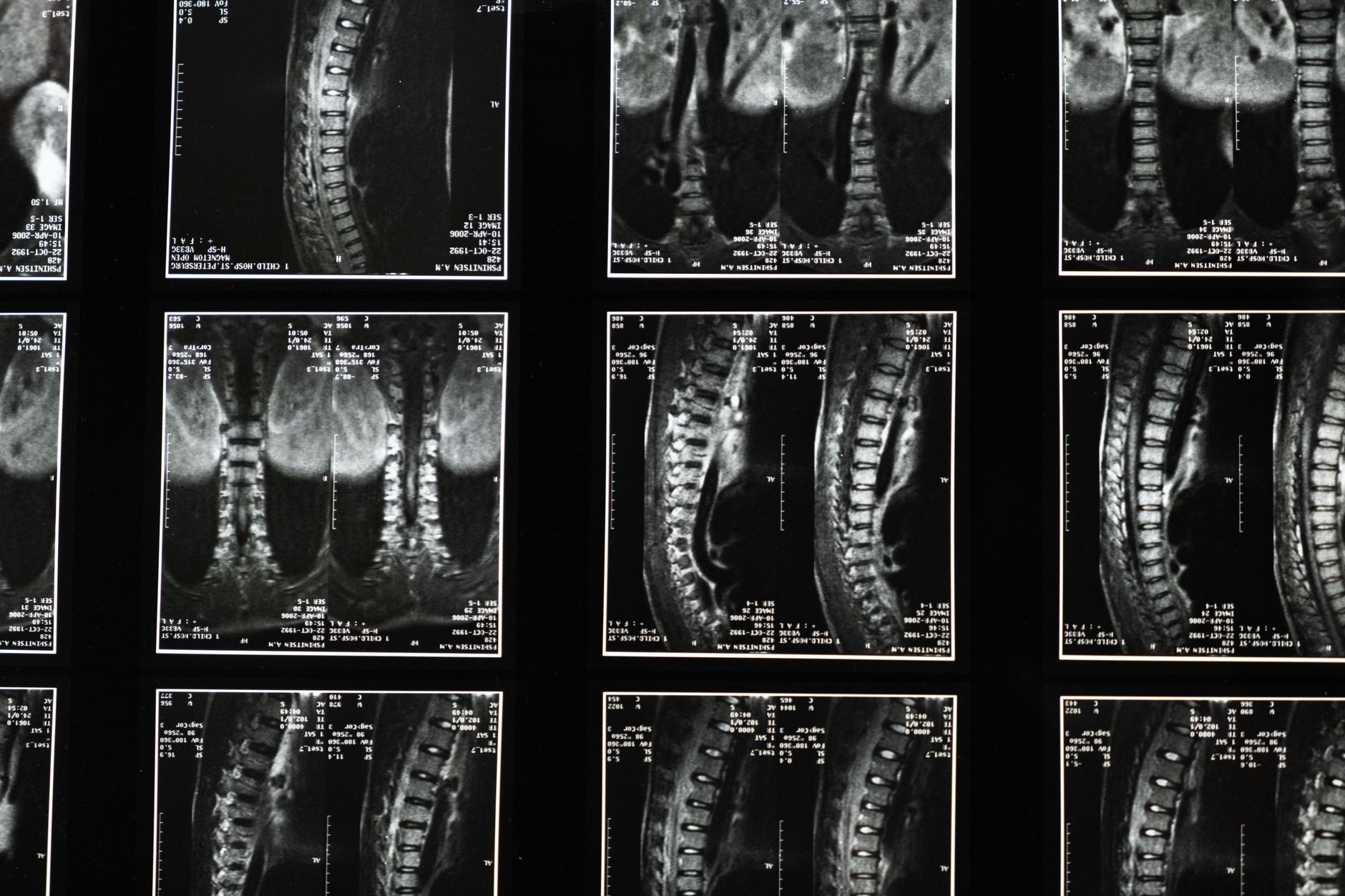
Despite the recognised benefits and the establishment of FLS models, real-world data reveal persistent shortcomings in the delivery of secondary prevention. A study examining rates of osteoporosis screening and treatment following vertebral fracture highlighted this problem.3 The investigators, including Barton, Behrend, and Carmouche, analysed a cohort of patients to determine how often these steps, which are vital for preventing future fractures, were taken after a vertebral fracture diagnosis. Vertebral fractures are particularly insidious, often going undiagnosed or being attributed to general back pain, further complicating the initiation of appropriate care.3
The study found that only 23.6% of patients with vertebral fractures received osteoporosis screening. Even fewer, just 20.5%, received treatment for osteoporosis.3 These numbers are alarmingly low, especially considering the high risk of subsequent fractures after a vertebral event. A vertebral fracture increases the risk of another vertebral fracture five-fold and the risk of any fragility fracture two-fold. The lack of screening means many patients remain undiagnosed, while the low treatment rates indicate a failure to act even when a diagnosis is suspected or confirmed.3
This particular study, published in Spine J in 2019, points to a systemic failure. The authors did not explicitly detail the presence or absence of an FLS in the specific institutions where their patient cohort was managed. But the low rates of screening and treatment suggest that even where FLS might exist, its reach or effectiveness may be limited, or that many patients simply fall outside its purview. The data points to a significant disconnect between the clinical event (fracture) and the appropriate medical response (osteoporosis management).3
The Need for Continued Follow-up
Even when patients do engage with an FLS, the journey does not end with discharge. A study by Hui, Fraser, and Wong, published in Arch Osteoporos in 2020, investigated the long-term needs of patients discharged from an FLS.2 The research highlighted that patients still require ongoing follow-up and bone health advice even after completing an FLS program. This suggests that while FLS initiates the process, it may not always ensure sustained adherence to treatment or long-term risk management.2
The study's findings imply that FLS, while effective in its initial phase of identification and treatment initiation, may not fully address the chronic nature of osteoporosis management. Patients often require education on lifestyle modifications, medication adherence, and regular monitoring for treatment efficacy and side effects. Without this sustained support, the benefits gained from FLS intervention could diminish over time. This is a critical point, as osteoporosis therapies often require long-term commitment to be effective in preventing future fractures.2
The authors did not provide specific numbers on adherence rates post-FLS discharge, but their conclusion strongly advocates for continued engagement. This points to a potential limitation of some FLS models, where the focus might be heavily weighted towards initial intervention rather than a comprehensive, lifelong management strategy. It also highlights the role of primary care physicians in continuing the bone health conversation after specialist FLS involvement. For a comprehensive approach, clinicians might consult resources like the Oxford Handbook of Rheumatology for guidance on long-term management of musculoskeletal conditions, including osteoporosis.
Why the Gap Persists
Several factors contribute to the persistent secondary prevention gap. One major issue is a lack of awareness among both patients and some healthcare professionals regarding the link between fragility fractures and underlying osteoporosis. Many patients view a fracture as an isolated accident rather than a symptom of a systemic disease. Similarly, some clinicians, particularly in emergency departments or orthopaedic clinics, may focus solely on the acute injury without consistently addressing bone health.1
Another challenge is the fragmentation of care. Patients often move between different specialties, orthopaedics, geriatrics, endocrinology, and primary care, without a clear handover of responsibility for osteoporosis management. The FLS model attempts to centralise this, but its implementation and funding vary widely. Resource constraints, including a shortage of dedicated FLS coordinators and DXA scan availability, also impede effective service delivery.1
Patient adherence to long-term osteoporosis medication is another hurdle. Many anti-osteoporosis drugs require consistent use over several years, and side effects, perceived inconvenience, or a lack of understanding about the benefits can lead to discontinuation. This is particularly true for patients who may not experience immediate symptomatic relief from their bone-protective therapy. The importance of patient education and ongoing support cannot be overstated in this context.2
The open-label design of many FLS implementation studies is an obvious caveat when evaluating their effectiveness. While the concept is sound, the real-world impact can be difficult to quantify precisely without robust, controlled trials. The populations studied in some papers, such as those focusing specifically on vertebral fractures, may not fully represent the broader spectrum of fragility fracture patients, including those with hip or wrist fractures.3
The trial by Barton and colleagues was not powered to detect differences in specific FLS models or their components, and that gap matters.3 It provided a snapshot of care delivery but did not offer granular insights into which FLS elements might be most effective or why certain patients were missed. This leaves open questions about optimising FLS design and implementation to maximise its reach and impact. The data also did not differentiate between types of osteoporosis treatment, making it difficult to assess the uptake of specific drug classes.3
The Polish experience with FLS, as described by Amarowicz and colleagues, highlights the potential for these services to become a vital part of orthopaedic facilities worldwide.1 They note the benefits to patients and savings to health systems' budgets. But even with such established systems, the data from other studies indicate that the full potential of FLS is not always realised. The challenge lies in consistent, widespread implementation and ensuring that patients remain engaged with their bone health management long after their initial fracture. Our previous coverage on bisphosphonate interruption and fracture risk further illustrates the complexities of long-term osteoporosis management.
The problem is not a lack of effective therapies; bisphosphonates, denosumab, and other agents significantly reduce fracture risk. The problem is getting those therapies to the patients who need them most. The current system often fails to connect the dots between a fracture event and the underlying disease, leaving millions vulnerable. This is not merely a clinical issue but a systemic one, requiring coordinated efforts across specialties and robust public health campaigns. The efficacy of calcium and vitamin D supplementation alone is often insufficient, underscoring the need for targeted pharmacological interventions.
The persistent failure to screen and treat osteoporosis after a fragility fracture is a clinical dereliction. We have the tools, but we are not using them. Clinicians, particularly those in orthopaedics and emergency medicine, must recognise that a fracture is not just a mechanical injury; it is a sentinel event for systemic bone disease. Ignoring this connection is a disservice to patients and a drain on healthcare resources.
Primary care physicians bear a significant responsibility in closing this gap. They are often the first point of contact for patients post-fracture and are best placed to initiate DXA scans, prescribe appropriate therapies, or refer to an FLS where available. The notion that FLS alone will solve the problem is naive; it requires a concerted effort across the entire healthcare continuum, including ongoing patient education about medication adherence and lifestyle modifications.
Health systems must invest adequately in FLS infrastructure, ensuring sufficient staffing and resources for both initial intervention and long-term follow-up. The economic argument for prevention is clear: preventing subsequent fractures saves far more than the cost of screening and treatment. This is not merely about patient outcomes, but about fiscal prudence. The current under-treatment rates are simply unsustainable.
- The Pivot Despite FLS implementation, a substantial number of patients with fragility fractures still miss out on crucial osteoporosis screening and treatment.
- The Data One study found that only 23.6% of patients with vertebral fractures received osteoporosis screening, and only 20.5% received treatment.3
- The Action Clinicians must actively identify patients with fragility fractures and ensure referral to FLS or initiate appropriate bone health investigations and therapy.
ART-2026-1510
·10/26
Drafted with AI assistance, reviewed and approved by the editorial team. This publication is intended for healthcare professionals, researchers, and life science industry professionals. Content is provided for informational and educational purposes only and does not constitute medical advice.

I specialise in clinical trial methodology and drug development, from Phase I to post-approval. My reports cover what got studied, what did not, and why. Based in Boston, reporting globally.
Cite This Article
Prescott D, Voss M. Why a first fracture often leads to another: the FLS gap in secondary prevention. The Life Science Feed. Published August 27, 2026. Updated October 4, 2026. Accessed October 12, 2026. https://thelifesciencefeed.com/orthopedics/bone-fractures/insights/fracture-liaison-services-secondary-prevention-gap.
Editorial & AI Standards
All content is researched from peer-reviewed, open-access sources: published trial data, clinical guidelines, and regulatory filings. AI tools are used solely to structure and summarise that evidence; no AI-generated conclusions appear without editor verification against the primary source.
Every article is reviewed by a named editor before publication. Source citations are listed in the References section. This content does not represent the views of any pharmaceutical company, medical device manufacturer, or healthcare provider.
Licence & Rights
© 2026 The Life Science Feed. All rights reserved. Unless otherwise indicated, all content is the property of The Life Science Feed and may not be reproduced, distributed, or transmitted in any form or by any means without prior written permission.
Medical Disclaimer
The information provided on The Life Science Feed is for educational and informational purposes only. It is not intended as a substitute for professional medical advice, diagnosis, or treatment. Always seek the advice of your physician or other qualified healthcare provider regarding any medical condition or treatment decision. Never disregard professional medical advice or delay in seeking it because of something you have read on this website.
References
1. Amarowicz J, Czerwiński E, Zając K. Fracture Liaison Services - Polish Experience. Methods of Secondary Prevention of Osteoporotic Fractures. Ortop Traumatol Rehabil 2016;18(6):597-602. https://pubmed.ncbi.nlm.nih.gov/28155836/
2. Hui N, Fraser S, Wong PKK. Patients discharged from a fracture liaison service still require follow-up and bone health advice. Arch Osteoporos 2020;15(1):114. https://pubmed.ncbi.nlm.nih.gov/32728971/
3. Barton DW, Behrend CJ, Carmouche JJ. Rates of osteoporosis screening and treatment following vertebral fracture. Spine J 2019;19(1):1-6. https://pubmed.ncbi.nlm.nih.gov/30142455/