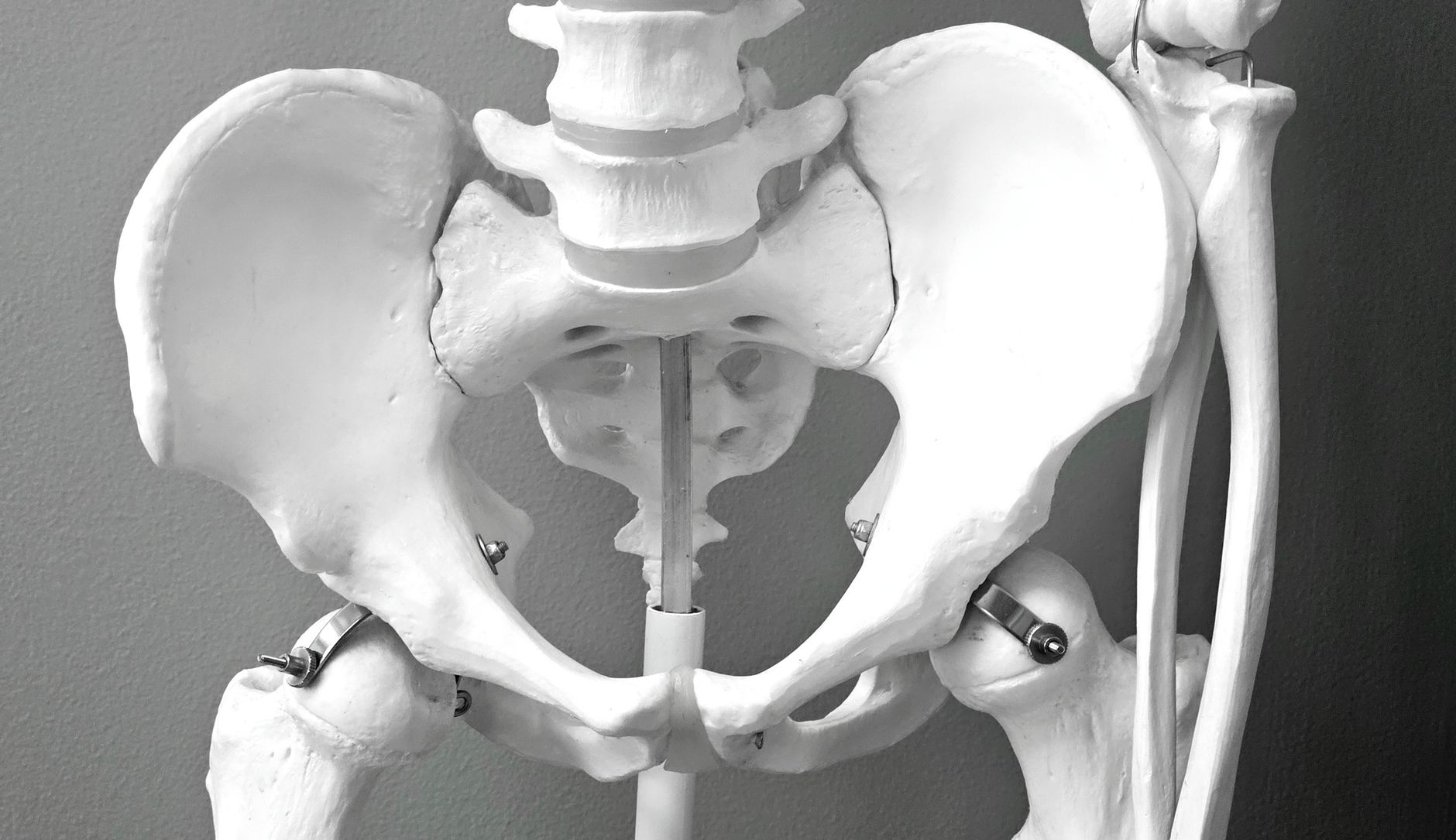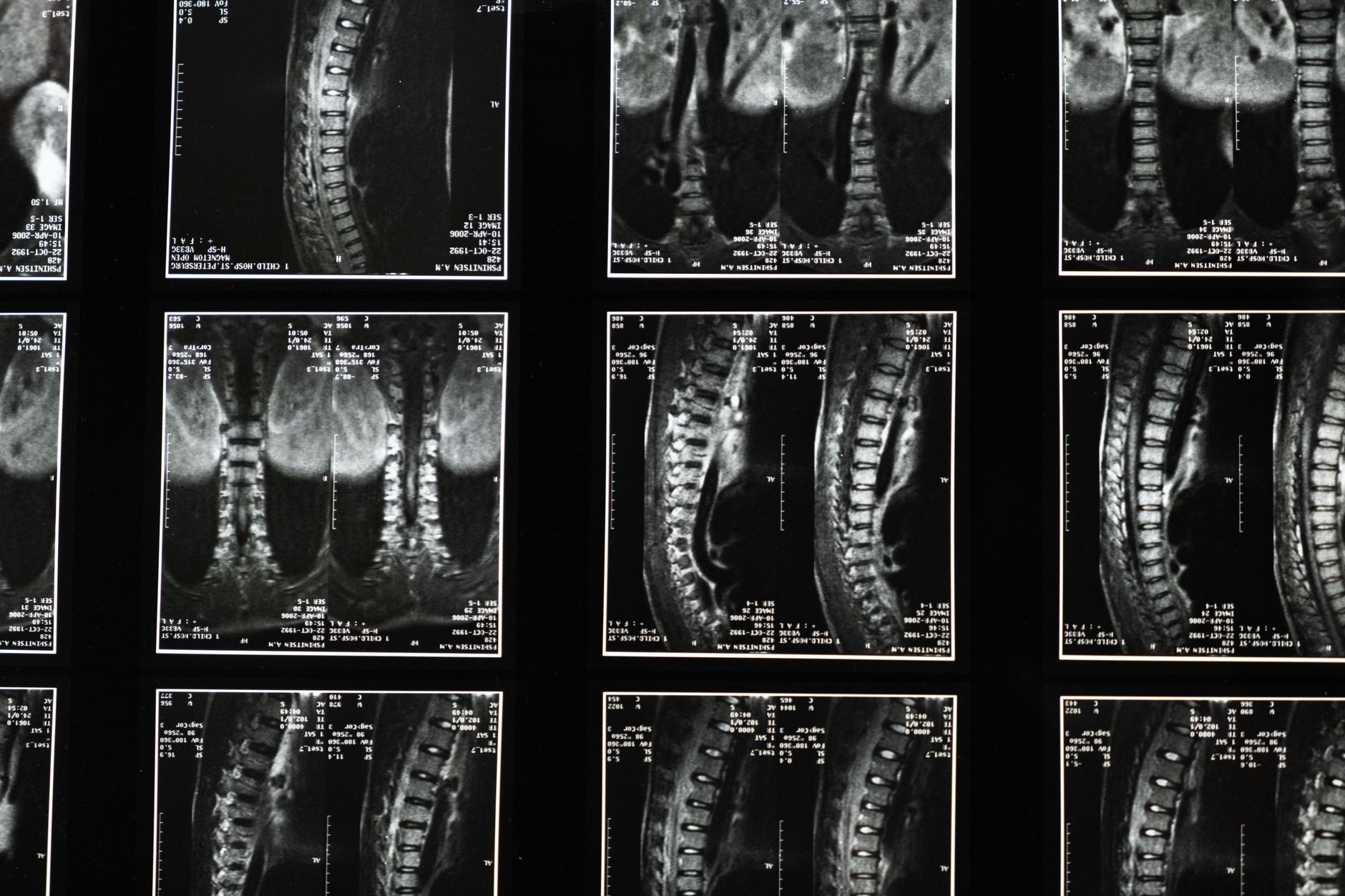
Lumbar spinal stenosis (LSS) afflicts an estimated 103 million people worldwide, a prevalent and disabling cause of low back and leg pain in older persons.1 Despite its widespread impact, the decision to pursue surgical intervention remains complex, with approximately 600,000 procedures performed annually in the US for this condition.1 The prevailing evidence indicates that patient symptoms, rather than the severity of imaging findings, should drive the selection of surgical candidates.
Lumbar spinal stenosis represents a significant burden, primarily affecting older adults and manifesting as neurogenic claudication, characterized by leg pain, numbness, or weakness that worsens with standing or walking and improves with sitting or bending forward.1 While imaging studies like MRI or CT are essential for diagnosis, they frequently reveal anatomical narrowing in asymptomatic individuals, complicating the clinical decision-making process.1 This disconnect between radiographic findings and patient experience presents a significant challenge in managing LSS, particularly when considering invasive treatments.
The vast majority of patients with LSS receive nonoperative treatment, including physical therapy, medications, and epidural injections.1 For those who fail conservative management, surgical decompression, often with fusion, aims to alleviate nerve root compression and improve functional outcomes.1 But, identifying which patients will genuinely benefit from surgery requires an approach that moves beyond simply looking at a scan. The core question for clinicians remains: when does the anatomical narrowing seen on imaging translate into a surgical imperative?
The disconnect between imaging and symptoms
Radiographic evidence of lumbar spinal stenosis, while necessary for diagnosis, does not reliably correlate with the severity of a patient's symptoms or their functional disability.1 Many individuals, particularly older adults, exhibit significant spinal canal narrowing on MRI or CT scans without experiencing any pain or functional limitations.1 This phenomenon highlights the limitations of relying solely on imaging to determine the need for surgery. A patient's subjective experience of pain and their ability to perform daily activities are far more indicative of their need for intervention than the degree of compression visible on an image.
John N. Katz, a researcher who contributed to a comprehensive review on LSS diagnosis and management published in JAMA, emphasizes that clinical assessment remains paramount.1 The review states that a patient's history of neurogenic claudication, the distance they can walk, and their overall quality of life should guide treatment decisions.1 Imaging serves to confirm the anatomical basis for symptoms, but it does not quantify the impact of those symptoms on the patient's life. This distinction is vital for avoiding unnecessary surgical procedures in patients who might otherwise be managed nonoperatively.
Predicting surgical outcomes: symptoms lead the way
Preoperative factors, particularly the severity of leg pain and disability, consistently predict postoperative trajectories of pain and disability following surgery for degenerative lumbar spinal stenosis.2 A study by Hébert, Abraham, and Wedderkopp, published in Spine (Phila Pa 1976), analyzed various preoperative factors to identify reliable predictors of surgical success.2 They found that patient-reported outcomes, such as baseline leg pain intensity and functional status, were far more influential in determining post-surgical improvement than objective imaging measurements.2
The study demonstrated that patients with more severe preoperative leg pain and higher baseline disability scores often experienced greater absolute improvements after surgery, although their final pain and disability levels might still be higher than those who started with milder symptoms.2 This suggests that surgery offers significant relief for those most burdened by their symptoms. But the imaging findings, such as the cross-sectional area of the dural sac or the degree of bony encroachment, did not show a strong, consistent correlation with the magnitude of postoperative improvement.2 This finding reinforces the idea that the patient's lived experience, rather than a radiologist's report, should be the primary driver for surgical consideration. Clinicians might find the quality of life improvements in other orthopedic surgeries also hinge on patient-reported outcomes.
The role of patient factors in decision-making
Patient factors extend beyond just symptom severity; they encompass a broader range of psychosocial and personal considerations that influence treatment choices and outcomes.3 Neuman, Baldus, and Zebala, in their 2016 study also published in Spine (Phila Pa 1976), explored factors influencing patient decisions between randomized, observational nonoperative, and observational operative treatments for adult symptomatic lumbar scoliosis, a condition often co-occurring with LSS.3 While the study focused on scoliosis, its insights into patient decision-making are highly relevant to LSS, particularly regarding the relationship between symptoms, imaging, and personal preferences.
The study highlighted that patients' perceptions of their condition, their tolerance for pain, their functional goals, and their willingness to undergo surgery all play a significant role in their treatment pathway.3 For instance, patients with a higher perceived severity of symptoms and a greater impact on their daily lives were more likely to opt for surgery, even if their imaging findings were not dramatically different from those choosing nonoperative care.3 This highlights the subjective nature of surgical indication in LSS; what constitutes a 'surgical case' for one patient may not for another, even with similar imaging. This is a common theme across many conditions, as seen in SpA remission criteria, where clinical symptoms often diverge from subclinical inflammation.
Limitations of imaging-centric approaches
The reliance on imaging alone can lead to both over-treatment and under-treatment. Over-treatment occurs when patients with significant radiographic stenosis but minimal symptoms undergo surgery, potentially exposing them to risks without commensurate benefit.1 Conversely, under-treatment can happen if a patient with debilitating symptoms but less dramatic imaging findings is denied surgery, despite a high likelihood of improvement.1 The challenge lies in integrating objective imaging data with subjective patient experiences to form a holistic treatment plan.
The lack of a direct, linear relationship between the degree of anatomical narrowing on imaging and the severity of clinical symptoms is a well-established observation in spinal pathology.1 This phenomenon is not unique to LSS; similar discrepancies exist in other conditions where imaging findings do not always align with patient-reported outcomes, such as identifying rapid progressors in ADPKD. The human body's compensatory mechanisms and individual pain thresholds vary widely, meaning that a given degree of spinal canal compromise might be well-tolerated by one person but severely disabling for another. Therefore, a comprehensive clinical evaluation, including a detailed history and physical examination, remains indispensable.
Clinical implications for surgical selection
For clinicians, the message is clear: prioritize the patient's narrative. When evaluating a patient for potential LSS surgery, the primary focus should be on the severity and impact of their neurogenic claudication, their walking distance, and their overall functional limitations.1,2 Imaging should serve as a confirmatory tool, identifying the anatomical basis for the symptoms, rather than as the sole determinant for surgical candidacy. A patient's response to nonoperative treatments also provides valuable information, indicating the refractory nature of their symptoms and the potential need for more invasive options. For a quick reference on clinical examination, the Oxford Handbook of Clinical Medicine (11th ed) remains an invaluable resource.
The decision to proceed with surgery should be a shared one, involving a thorough discussion between the clinician and the patient about the potential benefits, risks, and alternatives.3 Patients need to understand that while surgery can alleviate nerve compression, it does not guarantee a complete resolution of all symptoms, particularly if chronic pain components are present. Managing expectations is important for patient satisfaction and perceived surgical success. The goal of surgery in LSS is to improve function and reduce pain to a level that significantly enhances the patient's quality of life, not merely to normalize imaging findings. This patient-centric approach is vital for ensuring that surgical interventions are both appropriate and effective.
The persistent disconnect between imaging severity and patient symptoms in lumbar spinal stenosis means clinicians must resist the temptation to operate solely on a 'bad-looking' scan. The evidence is unequivocal: a patient's reported leg pain and functional limitations are the true arbiters of surgical need and predictors of success. We are treating people, not pictures.
This re-emphasis on clinical assessment should prompt a re-evaluation of referral patterns. If a patient presents with significant radiographic stenosis but minimal functional impairment, a conservative approach is almost always warranted. Conversely, a patient with debilitating claudication but less dramatic imaging should not be dismissed out of hand; their symptoms are the signal.
For patients, this means advocating for their lived experience. They should understand that a clear MRI showing compression does not automatically mean surgery is the best or only option. Their ability to walk, their pain levels, and their quality of life are the metrics that truly matter, and these should be the focus of the discussion with their surgeon.
The industry, particularly those developing new imaging modalities or surgical devices, must acknowledge this clinical reality. Tools that better correlate anatomical findings with functional impairment, or even predict surgical response based on patient-reported data, would be a genuine advance. Until then, the stethoscope and a careful history remain more powerful than the MRI report.
- The Pivot Imaging findings alone do not reliably predict symptom severity or surgical success in lumbar spinal stenosis.
- The Data Preoperative leg pain severity and disability consistently predict postoperative outcomes, while MRI findings often do not.
- The Action Prioritize patient-reported symptoms and functional limitations over radiographic evidence when evaluating patients for LSS surgery.
ART-2026-1504
·10/26
Drafted with AI assistance, reviewed and approved by the editorial team. This publication is intended for healthcare professionals, researchers, and life science industry professionals. Content is provided for informational and educational purposes only and does not constitute medical advice.

Digital health and patient experience are my beat: the apps, the wearables, the real-world evidence claims, and whether any of it changes outcomes. Sceptical by training and optimistic by instinct.
Cite This Article
Ward S, Lopes W. Lumbar spinal stenosis: why symptoms, not imaging, should guide surgery. The Life Science Feed. Published August 27, 2026. Updated October 5, 2026. Accessed October 12, 2026. https://thelifesciencefeed.com/orthopedics/spinal-stenosis/practice/lumbar-spinal-stenosis-symptoms-imaging-surgery.
Editorial & AI Standards
All content is researched from peer-reviewed, open-access sources: published trial data, clinical guidelines, and regulatory filings. AI tools are used solely to structure and summarise that evidence; no AI-generated conclusions appear without editor verification against the primary source.
Every article is reviewed by a named editor before publication. Source citations are listed in the References section. This content does not represent the views of any pharmaceutical company, medical device manufacturer, or healthcare provider.
Licence & Rights
© 2026 The Life Science Feed. All rights reserved. Unless otherwise indicated, all content is the property of The Life Science Feed and may not be reproduced, distributed, or transmitted in any form or by any means without prior written permission.
Medical Disclaimer
The information provided on The Life Science Feed is for educational and informational purposes only. It is not intended as a substitute for professional medical advice, diagnosis, or treatment. Always seek the advice of your physician or other qualified healthcare provider regarding any medical condition or treatment decision. Never disregard professional medical advice or delay in seeking it because of something you have read on this website.
References
1. Katz JN, Zimmerman ZE, Mass H. Diagnosis and Management of Lumbar Spinal Stenosis: A Review. JAMA. 2022;327(17):1688-1699. https://pubmed.ncbi.nlm.nih.gov/35503342/
2. Hébert JJ, Abraham E, Wedderkopp N. Preoperative Factors Predict Postoperative Trajectories of Pain and Disability Following Surgery for Degenerative Lumbar Spinal Stenosis. Spine (Phila Pa 1976). 2020;45(12):E740-E748. https://pubmed.ncbi.nlm.nih.gov/32541610/
3. Neuman BJ, Baldus C, Zebala LP. Patient Factors That Influence Decision Making: Randomization Versus Observational Nonoperative Versus Observational Operative Treatment for Adult Symptomatic Lumbar Scoliosis. Spine (Phila Pa 1976). 2016;41(22):1769-1775. https://pubmed.ncbi.nlm.nih.gov/26571162/