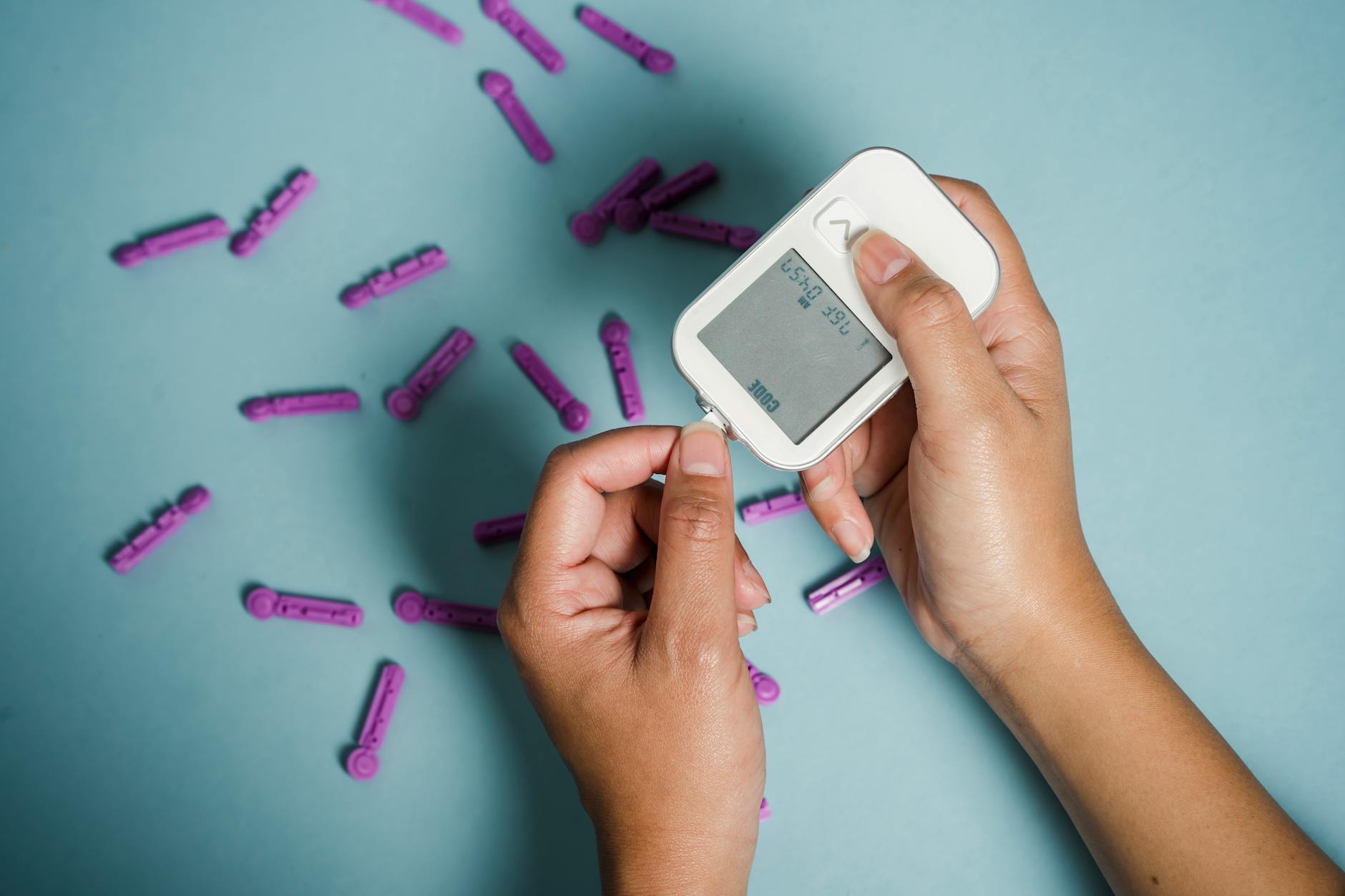

Managing Polycystic Ovary Syndrome (PCOS) presents a significant clinical challenge, often complicated by patient non-compliance with prescribed treatments and lifestyle interventions. This issue extends beyond simple patient willingness, encompassing a complex interplay of medication side effects, socio-economic barriers, and the inherent difficulty in sustaining long-term lifestyle changes.
Understanding the Barriers
Non-compliance in PCOS isn't simply a matter of patient will. It's a complex interplay of factors. Side effects from medications like metformin, which are frequently prescribed to manage insulin resistance, can be a major deterrent. The gastrointestinal distress - nausea, diarrhea, abdominal cramping - is enough to make anyone hesitant to continue treatment. Moreover, lifestyle modifications, such as adopting a low-glycemic index diet and increasing physical activity, can be challenging to sustain, especially without adequate support and resources. Socioeconomic factors, access to healthcare, and cultural beliefs also play a significant role in a patient's ability to adhere to treatment recommendations. The 2023 ACOG guidelines on PCOS management emphasize lifestyle interventions as first-line therapy; however, they also acknowledge the difficulty patients face in making these changes and the need for individualized support.
Metabolic Consequences
When patients with PCOS don't adhere to their prescribed treatments, the metabolic consequences can be serious. Insulin resistance, a hallmark of PCOS, can worsen, leading to an increased risk of type 2 diabetes. Lipid profiles may also be negatively affected, increasing the risk of cardiovascular disease. Weight gain, another common symptom of PCOS, can further exacerbate these metabolic disturbances, creating a vicious cycle. The Rotterdam criteria, widely used for diagnosing PCOS, highlight the importance of addressing metabolic dysfunction to prevent long-term complications.
Impact on Fertility
For many women with PCOS, fertility is a primary concern. Non-compliance with ovulation-inducing medications, such as clomiphene citrate or letrozole, can significantly reduce the chances of conception. Irregular menstrual cycles, another common symptom, are often linked to anovulation, further complicating attempts to become pregnant. Even when pregnancy is achieved, poor metabolic control due to non-compliance can increase the risk of gestational diabetes, preeclampsia, and other pregnancy-related complications. It's crucial that clinicians emphasize the importance of adherence to fertility treatments and provide comprehensive support to help patients navigate this challenging journey.
The Clinical Challenge
The biggest flaw in managing PCOS is the lack of long-term, patient-centered care plans. We often prescribe medications and lifestyle changes without truly understanding the individual patient's barriers to adherence. Furthermore, the retrospective nature of many studies on PCOS management limits our ability to draw definitive conclusions about the effectiveness of different treatment strategies. Most studies also fail to account for the significant heterogeneity within the PCOS population, making it difficult to generalize findings across all patients. A recent meta-analysis, for example, showed a significant benefit of metformin on ovulation rates, but the included studies varied widely in their methodologies and patient populations. Is this really reproducible?
Addressing Non-Compliance
So, what can we do? The first step is to openly discuss the potential challenges of adherence with patients. Instead of simply handing out prescriptions and dietary guidelines, we need to engage in shared decision-making, tailoring treatment plans to each patient's individual needs and preferences. Exploring alternative medications or formulations with fewer side effects can also improve compliance. Providing access to support groups, dieticians, and mental health professionals can offer patients the ongoing support they need to make lasting lifestyle changes. Furthermore, regular monitoring and feedback can help patients stay on track and address any emerging challenges. This contradicts the conventional clinical pathway- but may ultimately improve patient outcomes
This paradigm shift necessitates a re-evaluation of current clinical workflows, potentially integrating digital health tools for remote monitoring and personalized feedback, as well as multidisciplinary team approaches involving endocrinologists, gynecologists, dietitians, and mental health specialists. Furthermore, future research needs to move beyond retrospective analyses and focus on prospective, long-term studies with diverse patient populations, employing patient-reported outcomes alongside traditional clinical endpoints to truly capture the impact of interventions on quality of life and adherence. Only through such comprehensive and patient-centric strategies can we hope to untangle the web of non-compliance and significantly improve outcomes for individuals living with PCOS.
The most striking consequence of non-compliance in PCOS management is the direct impact on long-term metabolic health. When patients struggle with adherence, the risk of developing type 2 diabetes and cardiovascular disease increases significantly. This is not merely a patient failing to follow instructions. It represents a systemic failure to provide truly patient-centered care. Current clinical pathways, often focused on initial diagnosis and prescription, rarely account for the complex, individual barriers to adherence.
Clinicians must shift from a prescriptive model to one of shared decision-making. Simply recommending metformin or lifestyle changes, as emphasized by ACOG guidelines, is insufficient. We need to actively explore alternative medications with fewer side effects or different formulations. Industry has a role here, too. Developing novel therapies or delivery methods that improve tolerability could significantly boost adherence. Evidence supporting current interventions, while present for some aspects like metformin's effect on ovulation, often lacks the granularity to account for the vast heterogeneity of the PCOS population.
The current approach to PCOS management often overlooks the crucial need for ongoing support. Patients require access to dieticians, mental health professionals, and support groups. These resources are vital for sustaining challenging lifestyle modifications. Without this comprehensive, integrated support, the burden of adherence falls entirely on the patient, leading to predictable rates of non-compliance and poorer outcomes. This requires a re-evaluation of how healthcare systems fund and integrate these essential services into routine care.
- The Pivot Managing PCOS requires a paradigm shift from conventional clinical pathways to patient-centered, individualized care plans that proactively address barriers to adherence.
- The Data A recent meta-analysis showed a significant benefit of metformin on ovulation rates.
- The Action Engage in shared decision-making with patients, tailoring treatment plans to individual needs, exploring alternative therapies with fewer side effects, and integrating support from dieticians and mental health professionals.
LSF-8279959966
·09/26
Drafted with AI assistance, reviewed and approved by the editorial team. This publication is intended for healthcare professionals, researchers, and life science industry professionals. Content is provided for informational and educational purposes only and does not constitute medical advice.

I cover NHS policy, NICE guidance, and the gap between what the evidence says and what gets commissioned. I bring a health economics background to reporting on how health systems make decisions under uncertainty.
Cite This Article
Mistry D, Voss M. The tangled web of non-compliance in PCOS management. The Life Science Feed. Published September 28, 2026. Updated September 28, 2026. Accessed September 28, 2026. https://thelifesciencefeed.com/endocrinology/polycystic-ovary-syndrome/insights/the-tangled-web-of-non-compliance-in-pcos-management.
Editorial & AI Standards
All content is researched from peer-reviewed, open-access sources: published trial data, clinical guidelines, and regulatory filings. AI tools are used solely to structure and summarise that evidence; no AI-generated conclusions appear without editor verification against the primary source.
Every article is reviewed by a named editor before publication. Source citations are listed in the References section. This content does not represent the views of any pharmaceutical company, medical device manufacturer, or healthcare provider.
Licence & Rights
© 2026 The Life Science Feed. All rights reserved. Unless otherwise indicated, all content is the property of The Life Science Feed and may not be reproduced, distributed, or transmitted in any form or by any means without prior written permission.
Medical Disclaimer
The information provided on The Life Science Feed is for educational and informational purposes only. It is not intended as a substitute for professional medical advice, diagnosis, or treatment. Always seek the advice of your physician or other qualified healthcare provider regarding any medical condition or treatment decision. Never disregard professional medical advice or delay in seeking it because of something you have read on this website.