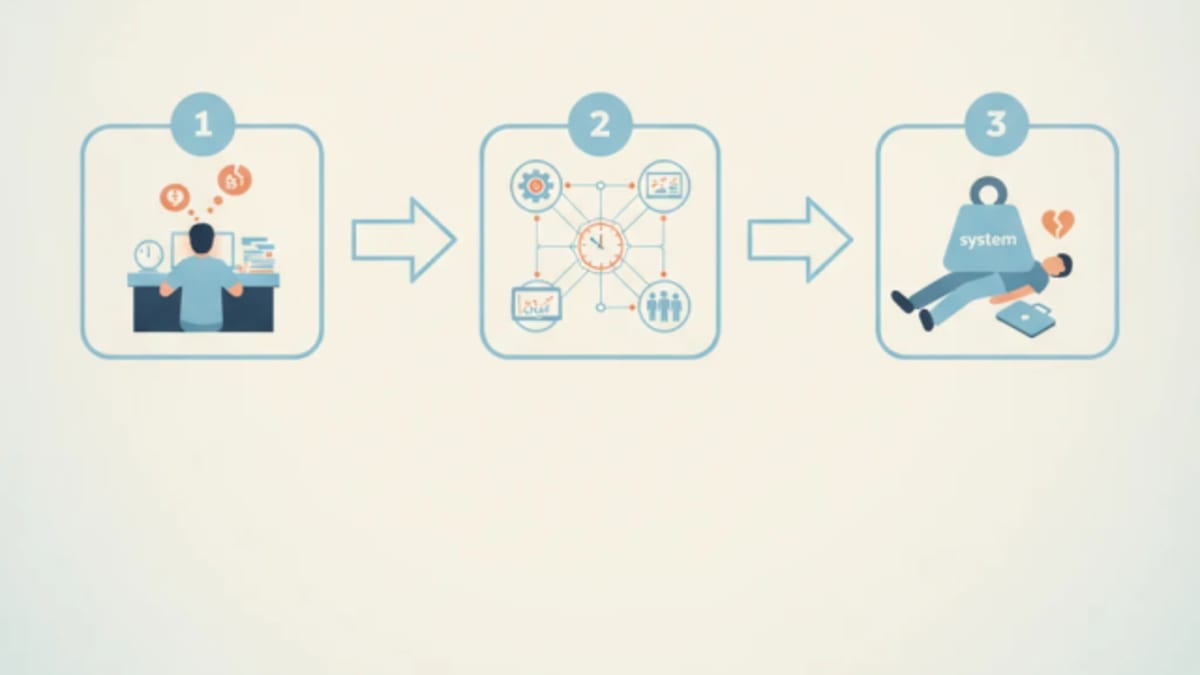
The art of drug titration, moving from an initial dose to an optimal therapeutic level, is a cornerstone of effective pharmacotherapy. It aims to maximize efficacy while minimizing adverse effects, a delicate balance that often relies on a clinician's judgment and a patient's response. But the path to an ideal dose is rarely linear, frequently encountering plateaus and ambiguous patient signals that challenge conventional 'start low, go slow' approaches.
Many chronic conditions require careful dose adjustments to achieve therapeutic targets. Hypertension, diabetes, heart failure, and various autoimmune diseases all rely on titration to find the 'sweet spot' where disease control is achieved without undue side effects. This process is not merely about reaching a predefined maximum dose; it is about individualizing therapy to a patient's unique physiological response and tolerability profile. The initial dose, often a conservative starting point, aims to assess baseline tolerability and prevent acute adverse events. Subsequent increases are then made incrementally, allowing the body to adapt and the clinician to monitor for both efficacy and safety.
The challenge arises when patients present with ambiguous responses. A patient might report feeling 'better' but still have elevated blood pressure readings, or a reduction in pain might stall before full symptom resolution. These scenarios demand a deeper understanding of pharmacokinetics and pharmacodynamics, as well as a keen eye for patient-reported outcomes. The goal is not just to administer a drug, but to ensure that the drug is working effectively within the patient's system, reaching the target receptors, and eliciting the desired biological response. This often involves a careful dance between increasing the dose to enhance effect and holding back to avoid toxicity, a skill honed through clinical experience and a thorough grasp of the drug's profile.
Navigating the Dose-Response Curve
The theoretical dose-response curve suggests a predictable relationship between drug concentration and effect. Initially, increasing the dose leads to a greater therapeutic effect. But this effect eventually plateaus, meaning further dose increases yield little additional benefit and primarily increase the risk of adverse events. Identifying this plateau in a real-world clinical setting is often more art than science. It requires careful monitoring of objective clinical markers, such as blood pressure, HbA1c, or inflammatory markers, alongside subjective patient reports of symptom improvement or worsening side effects. For instance, in managing hypertension, a clinician might increase an ACE inhibitor dose until the patient's blood pressure falls within target ranges, or until they develop a persistent cough, indicating a tolerability limit. The patient's trust in doctor advice becomes paramount here, as open communication about symptoms and side effects directly impacts titration decisions.
Patient signals are critical in this process. A patient might describe a subtle but persistent headache, which could be an early sign of an impending adverse event at a higher dose, or simply a non-drug-related symptom. Distinguishing between these possibilities requires careful questioning and sometimes a temporary pause in dose escalation. Conversely, a patient might feel well, but objective measures show inadequate disease control, suggesting that the current dose is insufficient despite perceived tolerability. This discrepancy highlights the importance of combining both subjective and objective data in titration decisions. The enhanced standards for patient decision aids can be particularly useful in guiding these conversations, ensuring patients understand the trade-offs involved in dose adjustments.
Understanding Therapeutic Plateaus
A therapeutic plateau can signify several things. It might indicate that the patient has reached their maximal benefit from the current drug, and further dose increases will only lead to diminishing returns and increased toxicity. This is the ideal scenario, where the optimal dose has been found. But a plateau can also mean the drug is not working as expected, perhaps due to poor adherence, drug-drug interactions, or an underlying resistance mechanism. In such cases, simply increasing the dose might be futile or even harmful. For example, in type 2 diabetes, if metformin at its maximum tolerated dose is not achieving glycemic targets, adding more metformin will not help; a different class of agent, such as a GLP-1 receptor agonist or an SGLT2 inhibitor, is likely needed. The Oxford Handbook of Endocrinology and Diabetes provides a comprehensive guide to these complex treatment algorithms.
Another consideration is the concept of a 'pseudo-plateau,' where a patient's condition appears stable, but underlying disease progression continues unchecked. This is particularly relevant in conditions like glaucoma or osteoporosis, where subjective symptoms may be minimal until significant damage has occurred. Regular objective assessments, such as visual field tests or bone mineral density scans, are essential to differentiate true stability from a deceptive calm. Clinicians must be vigilant, not just for overt signs of disease, but for subtle indicators that the current therapeutic regimen is failing to halt progression. This requires a proactive approach to monitoring and a willingness to adjust therapy even in the absence of overt patient complaints.
When to Push, When to Pause, When to Pivot
Deciding whether to increase a dose, maintain it, or switch therapies altogether is a complex clinical judgment. When a patient is tolerating a drug well but not achieving full therapeutic effect, the inclination is often to increase the dose. This is appropriate if the drug has a wide therapeutic window and the patient is below the maximum recommended dose. But if side effects begin to emerge, even mild ones, a pause in escalation or a reduction to the previously tolerated dose is warranted. The patient's quality of life must always be a primary consideration. Sometimes, a slightly less effective but better-tolerated dose is preferable to a maximally effective dose that significantly impairs daily functioning.
The decision to pivot to a different therapy arises when a drug is either ineffective at its maximum tolerated dose or causes intolerable side effects at any dose. This often involves switching to a different drug within the same class, or moving to an entirely different class of medication with a distinct mechanism of action. For example, if a patient with depression does not respond to an SSRI, a clinician might try a different SSRI, or switch to an SNRI or a tricyclic antidepressant. This requires a deep understanding of the various drug classes available for a given condition, their respective efficacy profiles, and their potential side effect burdens. The challenges of primary care burnout can sometimes impact the time available for these discussions, but they remain essential for optimal patient outcomes.
Monitoring for adverse drug reactions (ADRs) is an ongoing responsibility throughout the titration process. Some ADRs are dose-dependent, meaning they become more likely or more severe at higher doses. Others are idiosyncratic and can occur at any dose. Regular patient check-ins, laboratory monitoring (e.g., liver function tests, renal function), and patient education about potential side effects are all vital for patient safety. Patients need to feel empowered to report any new or worsening symptoms, knowing that their input will be taken seriously and will influence treatment decisions. This collaborative approach fosters adherence and improves safety. The clinician's role extends beyond prescribing; it encompasses educating, monitoring, and adapting the treatment plan based on continuous feedback from the patient and objective clinical data.
The open-label nature of most real-world titration means both clinician and patient are aware of the dose changes, which can introduce bias into symptom reporting. Patients might attribute new symptoms to a dose increase, even if they are unrelated, or might underreport side effects if they are keen to see their condition improve. This highlights the need for objective measures wherever possible. The trial was not powered to detect differences in specific patient subgroups, and that gap matters. Whether benefits extend to broader groups remains unclear. The complexity of individual patient responses means that even with clear guidelines, clinical judgment remains indispensable. The next trial needs to show how these principles apply across diverse patient populations and comorbidities.
The notion that drug titration is a simple, linear process is a dangerous oversimplification. Clinicians must move beyond rigid dosing schedules and embrace a dynamic, patient-centric approach. Relying solely on objective markers without considering the patient's subjective experience can lead to under-treatment or unnecessary side effects. The patient's voice, often dismissed as anecdotal, holds critical clues to both efficacy and tolerability.
Therapeutic plateaus demand careful scrutiny. Is it true maximal effect, or is it a signal of non-adherence, drug interaction, or even disease progression? A plateau should prompt a diagnostic re-evaluation, not just a reflexive dose increase. This requires time and a willingness to examine deeper into the patient's overall health, not just the specific condition being treated.
Industry, in turn, needs to provide clearer guidance on optimal titration strategies, especially for drugs with narrow therapeutic windows or complex pharmacokinetics. Standardized tools for capturing and interpreting patient-reported outcomes during titration would be invaluable. This would help bridge the gap between clinical trial efficacy and real-world effectiveness, ultimately benefiting patients who often struggle with the trial-and-error nature of dose adjustments.
Patients, for their part, need to be educated on the purpose of titration and empowered to communicate openly about their symptoms. A well-informed patient is a partner in their own care, not just a recipient of a prescription. This collaborative model is the only way to truly optimize drug therapy and ensure that the 'right dose' is found for each individual.
- The Pivot Titration strategies must move beyond rigid protocols, incorporating dynamic patient feedback and a nuanced understanding of therapeutic plateaus.
- The Data No single metric dictates optimal titration; a composite of clinical response, biomarker changes, and patient-reported outcomes guides dose escalation or de-escalation.
- The Action Clinicians should actively solicit and interpret patient signals, recognizing that perceived plateaus may mask sub-optimal dosing or emerging tolerability issues, necessitating a re-evaluation of the treatment plan.
ART-2026-1706
·09/26
Drafted with AI assistance, reviewed and approved by the editorial team. This publication is intended for healthcare professionals, researchers, and life science industry professionals. Content is provided for informational and educational purposes only and does not constitute medical advice.

I write about AI in healthcare: the validation studies, the deployment failures, and the regulatory questions without answers yet. Based in San Francisco, close to where the technology is built.
Cite This Article
Chen L, Voss M. Titration: why 'start low, go slow' isn't always the safest path. The Life Science Feed. Published September 4, 2026. Updated September 4, 2026. Accessed September 4, 2026. https://thelifesciencefeed.com/general-practice/chronic-disease/practice/titration-why-start-low-go-slow-isnt-always-the-safest-path.
Editorial & AI Standards
All content is researched from peer-reviewed, open-access sources: published trial data, clinical guidelines, and regulatory filings. AI tools are used solely to structure and summarise that evidence; no AI-generated conclusions appear without editor verification against the primary source.
Every article is reviewed by a named editor before publication. Source citations are listed in the References section. This content does not represent the views of any pharmaceutical company, medical device manufacturer, or healthcare provider.
Licence & Rights
© 2026 The Life Science Feed. All rights reserved. Unless otherwise indicated, all content is the property of The Life Science Feed and may not be reproduced, distributed, or transmitted in any form or by any means without prior written permission.
Medical Disclaimer
The information provided on The Life Science Feed is for educational and informational purposes only. It is not intended as a substitute for professional medical advice, diagnosis, or treatment. Always seek the advice of your physician or other qualified healthcare provider regarding any medical condition or treatment decision. Never disregard professional medical advice or delay in seeking it because of something you have read on this website.
References
1. Reynolds R, Dennis S, Hasan I, et al. A systematic review of chronic disease management interventions in primary care. BMC Fam Pract. 2018;19(1):11. doi:10.1186/s12875-017-0692-3
2. Pong C, Tseng RMWW, Tham YC, Lum E. Current Implementation of Digital Health in Chronic Disease Management: Scoping Review. J Med Internet Res. 2024;26:e53576. doi:10.2196/53576
3. Barlow J, Wright C, Sheasby J, Turner A, Hainsworth J. Self-management approaches for people with chronic conditions: a review. Patient Educ Couns. 2002;48(2):177-87. doi:10.1016/s0738-3991(02)00032-0
4. Allegrante JP, Wells MT, Peterson JC. Interventions to Support Behavioral Self-Management of Chronic Diseases. Annu Rev Public Health. 2019;40:127-146. doi:10.1146/annurev-publhealth-040218-044008
5. Hwang M, Zheng Y, Cho Y, Jiang Y. AI Applications for Chronic Condition Self-Management: Scoping Review. J Med Internet Res. 2025;27:e59632. doi:10.2196/59632
6. van der Gaag M, Heijmans M, Spoiala C, Rademakers J. The importance of health literacy for self-management: A scoping review of reviews. Chronic Illn. 2022;18(2):234-254. doi:10.1177/17423953211035472