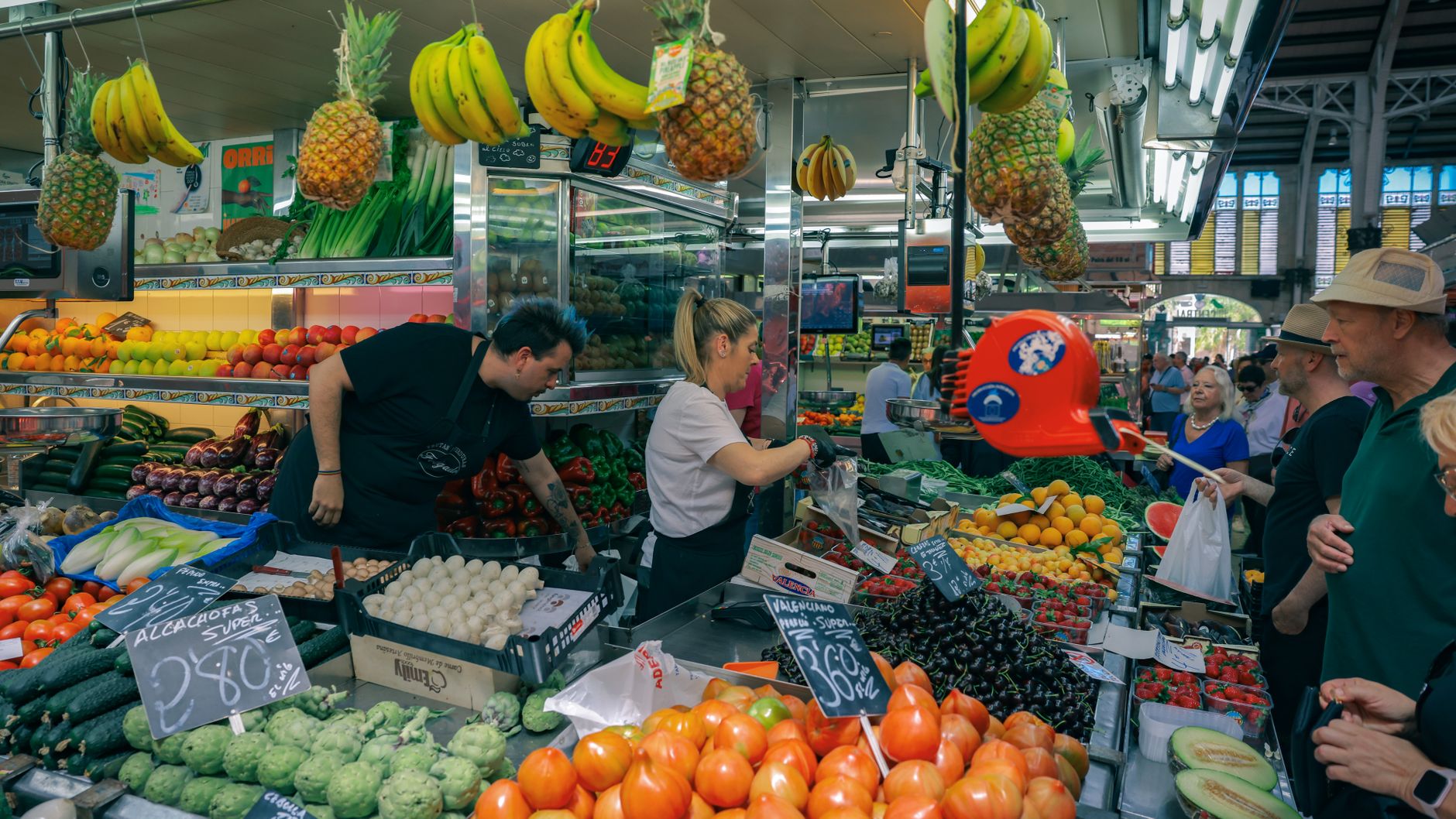

The question of when to discard fruit and vegetables often arises in clinical practice, particularly when advising patients on food safety and waste reduction. Distinguishing between cosmetic changes and genuine spoilage is key to preventing foodborne illness while minimising unnecessary waste.
Patients frequently ask about the safety of produce that has passed its prime but does not yet show overt signs of rot. The concern is valid: consuming spoiled food can lead to gastrointestinal distress, and in some cases, more severe foodborne illnesses. But discarding perfectly edible items contributes to food waste, a growing public health and environmental issue.
The general principle for assessing fruit and vegetable safety relies on sensory evaluation. This includes visual inspection, tactile assessment, and olfaction. While 'best before' dates offer a guideline, they are not absolute indicators of safety, especially for fresh produce. A more practical approach involves understanding the specific signs of spoilage for different types of produce.
Understanding Spoilage Indicators
For most fruits and vegetables, mould is the most obvious and definitive sign of spoilage. Mould is a fungus that can produce mycotoxins, which are harmful if ingested. While some hard fruits and vegetables, like carrots or bell peppers, might be salvageable by cutting away a small, isolated patch of mould plus an inch of surrounding tissue, this is not a universal rule. Soft fruits and vegetables, such as berries, tomatoes, or peaches, with any visible mould should be discarded entirely. The mould's root system can penetrate deeper into soft tissues, making it impossible to remove safely.
Texture changes are another critical indicator. Sliminess on leafy greens, such as spinach or lettuce, indicates bacterial growth and decomposition. These items should be binned. Similarly, a mushy texture in firm vegetables like cucumbers or courgettes suggests extensive cellular breakdown, often accompanied by an off-odour. This is a clear sign of spoilage. For a quick reference on general internal medicine, the Oxford Handbook of Clinical Medicine (11th ed) offers concise guidance on various health topics, including aspects of food safety.
Discoloration, particularly browning or blackening that extends beyond minor bruising, often signals enzymatic degradation and microbial activity. While a slightly brown apple might still be edible, extensive browning or black spots on bananas or avocados indicate significant spoilage. A strong, unpleasant odour, distinct from the natural aroma of the produce, is a reliable sign that the item has gone bad. This is particularly true for cruciferous vegetables like broccoli or cauliflower, which can develop a strong, sulfurous smell when spoiled.
Specific Produce Considerations
Root vegetables, such as potatoes, carrots, and onions, generally have a longer shelf life due to their robust structure and lower moisture content. But they are not immune to spoilage. Potatoes that have turned green or sprouted extensively should be avoided. Green areas indicate the presence of solanine, a toxic glycoalkaloid. While small sprouts can be removed, extensive sprouting depletes nutrients and can alter flavour. Carrots that become rubbery or develop white blush are dehydrating but may still be safe to eat if no mould or off-odour is present. Rehydrating them in ice water can sometimes restore crispness. Onions that are soft, mushy, or have a strong, pungent odour beyond their usual sharpness should be discarded.
Berries and other soft fruits are highly perishable. Their high moisture content and delicate skin make them susceptible to rapid mould growth. Any berry with visible mould should be discarded, as the mould spores can quickly spread to adjacent fruits. Washing berries only just before consumption can extend their shelf life slightly, as moisture encourages microbial growth. This is a common point of confusion for patients, who often wash produce immediately after purchase. For more insights on preventive health, our coverage on four lifestyle factors that add a year to life expectancy highlights broader dietary considerations.
Leafy greens are another category prone to rapid spoilage. Wilting is a sign of dehydration and does not necessarily mean the greens are unsafe. But if wilting is accompanied by sliminess, discolouration, or an unpleasant smell, they should be discarded. Storing greens properly, often in airtight containers with a paper towel to absorb excess moisture, can significantly extend their freshness. The impact of lifestyle choices extends beyond diet, but food safety remains a fundamental aspect of daily health.
The open-label nature of home food storage is the obvious caveat. There are no controlled environments, and individual storage practices vary widely. Clinicians should emphasise practical, observable cues over strict adherence to arbitrary dates. Educating patients on these visual and tactile indicators empowers them to make informed decisions about food safety and reduce waste. Still, when in doubt, it is always safer to discard questionable produce. This conservative approach minimises the risk of foodborne illness, which can be particularly problematic for vulnerable populations.
GPs are often the first point of contact for patients with questions about everyday health, including food safety. Providing clear, actionable advice on when to discard fruit and vegetables can help prevent common gastrointestinal complaints and reduce household food waste. It is not about rigid rules, but about empowering patients with practical knowledge.
The distinction between cosmetic changes and genuine spoilage is important for preventing foodborne illness. Many patients discard produce prematurely due to minor wilting or bruising, contributing to unnecessary waste. Educating them on the definitive signs of mould, sliminess, and off-odours can shift their approach from arbitrary dates to informed sensory assessment.
This guidance also touches on broader public health initiatives around food waste. By helping patients make better decisions about their produce, clinicians indirectly support efforts to reduce environmental impact and improve food security. Simple, consistent messaging on food storage and spoilage can have a tangible effect.
- The Pivot Visual and textural changes are the primary indicators for assessing fruit and vegetable safety, not just arbitrary dates.
- The Data Mould growth, sliminess, and strong off-odours are definitive signs of spoilage requiring disposal.
- The Action Advise patients to inspect produce carefully, prioritising sensory cues over perceived freshness based on purchase date alone.
ART-2026-1696
·09/26
Drafted with AI assistance, reviewed and approved by the editorial team. This publication is intended for healthcare professionals, researchers, and life science industry professionals. Content is provided for informational and educational purposes only and does not constitute medical advice.

Digital health and patient experience are my beat: the apps, the wearables, the real-world evidence claims, and whether any of it changes outcomes. Sceptical by training and optimistic by instinct.
Cite This Article
Ward S, Voss M. When is that wilting produce still safe to eat, and when is it a hazard?. The Life Science Feed. Published September 2, 2026. Updated September 2, 2026. Accessed September 2, 2026. https://thelifesciencefeed.com/general-practice/preventive-health-services/practice/when-is-that-wilting-produce-still-safe-to-eat-and-when-is-it-a-hazard.
Editorial & AI Standards
All content is researched from peer-reviewed, open-access sources: published trial data, clinical guidelines, and regulatory filings. AI tools are used solely to structure and summarise that evidence; no AI-generated conclusions appear without editor verification against the primary source.
Every article is reviewed by a named editor before publication. Source citations are listed in the References section. This content does not represent the views of any pharmaceutical company, medical device manufacturer, or healthcare provider.
Licence & Rights
© 2026 The Life Science Feed. All rights reserved. Unless otherwise indicated, all content is the property of The Life Science Feed and may not be reproduced, distributed, or transmitted in any form or by any means without prior written permission.
Medical Disclaimer
The information provided on The Life Science Feed is for educational and informational purposes only. It is not intended as a substitute for professional medical advice, diagnosis, or treatment. Always seek the advice of your physician or other qualified healthcare provider regarding any medical condition or treatment decision. Never disregard professional medical advice or delay in seeking it because of something you have read on this website.
References
1. McLinden T, Sargeant JM, Thomas MK, Papadopoulos A, Fazil A. Component costs of foodborne illness: a scoping review. BMC Public Health. 2014;14:509. doi:10.1186/1471-2458-14-509
2. Fleckenstein JM, Matthew Kuhlmann F, Sheikh A. Acute Bacterial Gastroenteritis. Gastroenterol Clin North Am. 2021;50(2):283-304. doi:10.1016/j.gtc.2021.02.002
3. Han J, Aljahdali N, Zhao S, et al. Infection biology of Salmonella enterica. EcoSal Plus. 2024;12(1):eesp00012023. doi:10.1128/ecosalplus.esp-0001-2023
4. Barnes J, Whiley H, Ross K, Smith J. Defining Food Safety Inspection. Int J Environ Res Public Health. 2022;19(2). doi:10.3390/ijerph19020789
5. Pigott DC. Foodborne illness. Emerg Med Clin North Am. 2008;26(2):475-97, x. doi:10.1016/j.emc.2008.01.009
6. Newman KL, Leon JS, Rebolledo PA, Scallan E. The impact of socioeconomic status on foodborne illness in high-income countries: a systematic review. Epidemiol Infect. 2015;143(12):2473-85. doi:10.1017/S0950268814003847







