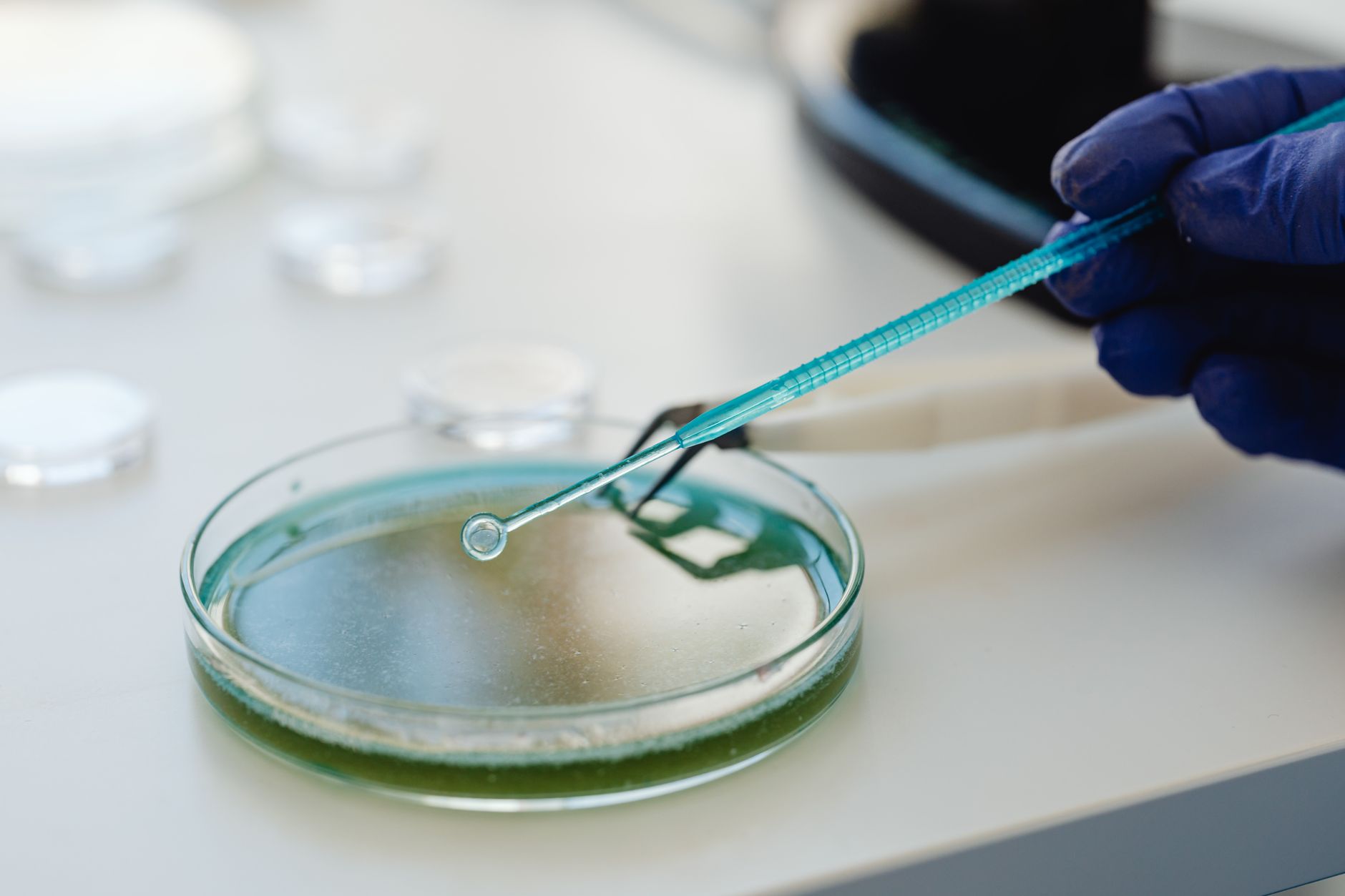

The spectre of untreatable infections looms larger each year, driven by the relentless evolution of bacterial resistance to existing antimicrobials. Clinicians face increasingly complex decisions, often navigating limited therapeutic options for common pathogens that once yielded readily to standard regimens. Understanding the broader strategies to combat this crisis, beyond the slow trickle of new drug development, is essential for effective patient management and public health.
Antibiotic resistance represents a critical threat to modern medicine, undermining the efficacy of treatments for common infections and complicating complex procedures like surgery and chemotherapy. The World Health Organization identifies it as one of the top 10 global public health threats facing humanity, with estimates suggesting that drug-resistant infections could cause 10 million deaths annually by 2050 if current trends continue. This escalating crisis demands a comprehensive strategy that extends far beyond the traditional focus on developing new antimicrobial compounds.
The problem is multifaceted, driven by the overuse and misuse of antibiotics in human and animal health, poor infection prevention and control, and a significant lag in the development of new effective treatments. Bacteria evolve rapidly, developing mechanisms to evade antibiotic action, including enzymatic degradation of drugs, modification of drug targets, efflux pumps that expel antibiotics, and reduced membrane permeability. These mechanisms can spread horizontally between bacteria, accelerating the dissemination of resistance genes across different species and environments.
Understanding the Drivers of Resistance
The primary driver of antibiotic resistance remains the selective pressure exerted by antibiotic use. Every time an antibiotic is administered, it kills susceptible bacteria, leaving behind resistant strains to multiply. This principle applies equally in primary care, where viral infections often receive unnecessary antibiotic prescriptions, and in hospital settings, where broad-spectrum agents are frequently used empirically. A 2019 analysis of European primary care data showed that 50% of antibiotic prescriptions were for respiratory tract infections, many of which are viral in origin, highlighting a significant area for intervention.
Agricultural use also contributes substantially. Antibiotics are routinely used in livestock to promote growth and prevent disease, leading to the development of resistant bacteria that can transfer to humans through the food chain or environmental contact. The European Medicines Agency reported a 32% reduction in overall sales of veterinary antibiotics in Europe between 2011 and 2020, demonstrating that policy interventions can influence this sector, but challenges persist in many regions globally.
The Pillars of a Comprehensive Response
Addressing antibiotic resistance requires a multi-pronged approach, often referred to as a 'One Health' strategy, acknowledging the interconnectedness of human, animal, and environmental health. This strategy encompasses four key pillars: antimicrobial stewardship, improved diagnostics, infection prevention and control, and novel drug development.
Antimicrobial stewardship programs (ASPs) aim to optimize antibiotic use, ensuring patients receive the right antibiotic, at the right dose, for the right duration, only when necessary. These programs have demonstrated tangible benefits. A meta-analysis of 112 studies found that ASPs reduced antibiotic consumption by an average of 22% (95% CI, 18-26%) and decreased rates of C. difficile infection by 26% (95% CI, 19-33%). Key components of effective ASPs include prospective audit and feedback, formulary restrictions, pre-authorization requirements for certain antibiotics, and educational initiatives for prescribers. For general practitioners, this often translates to adhering to local prescribing guidelines, utilizing delayed prescribing strategies for self-limiting infections, and educating patients on appropriate antibiotic use.
Improved diagnostics play a crucial role in guiding appropriate therapy. Traditional culture-based methods can take 24-72 hours, leading to empirical broad-spectrum antibiotic use while awaiting results. Rapid diagnostic tests (RDTs), such as PCR-based assays or MALDI-TOF mass spectrometry, can identify pathogens and their resistance profiles within hours. Implementing RDTs for bloodstream infections has been shown to reduce time to effective therapy by 12 hours and decrease hospital length of stay by 1.5 days in some settings. Point-of-care diagnostics in primary care, for example, for distinguishing bacterial from viral pharyngitis, could significantly reduce unnecessary antibiotic prescriptions. The Oxford Handbook of Infectious Diseases and Microbiology provides an excellent overview of these evolving diagnostic strategies.
Preventing Transmission and Innovating Therapies
Infection prevention and control (IPC) measures are fundamental. Hand hygiene, environmental cleaning, isolation precautions, and surveillance for healthcare-associated infections (HAIs) are critical in limiting the spread of resistant organisms within hospitals and long-term care facilities. Data from the European Centre for Disease Prevention and Control (ECDC) indicates that effective IPC programs can reduce the incidence of HAIs by 30%, directly impacting the transmission of resistant pathogens like MRSA and carbapenem-resistant Enterobacteriaceae. Vaccination programs also contribute significantly by reducing the incidence of bacterial infections, thereby decreasing the need for antibiotics and the selective pressure for resistance. For example, widespread pneumococcal vaccination has reduced invasive pneumococcal disease by 50-70% in vaccinated populations.
But the development of novel antibiotics remains a vital, albeit challenging, component. The economic model for antibiotic development is broken; new antibiotics are used sparingly to preserve their efficacy, limiting their market potential compared to drugs for chronic conditions. This has led to a 'valley of death' in antibiotic R&D, with many promising compounds failing to reach the market. Public-private partnerships and innovative funding mechanisms, such as 'pull incentives' that reward successful development with market entry payments, are being explored to revitalize the pipeline. For instance, the UK's subscription-style payment model for new antibiotics aims to delink developer revenue from sales volume, encouraging investment.
The Catch: Implementation and Global Disparities
The obvious caveat to these solutions is implementation. While the strategies are well-defined, their consistent application across diverse healthcare settings and geographies remains a significant hurdle. Low- and middle-income countries, which often bear a disproportionate burden of infectious diseases and have weaker healthcare infrastructure, face immense challenges in implementing comprehensive ASPs, accessing rapid diagnostics, and maintaining robust IPC. Global surveillance networks, like the Global Antimicrobial Resistance and Use Surveillance System (GLASS), are crucial for monitoring trends and informing policy, but data collection can be inconsistent.
Furthermore, the 'One Health' approach requires unprecedented collaboration between human health, animal health, and environmental sectors. Breaking down these traditional silos to create integrated surveillance systems and coordinated policy responses is complex. The political will and sustained financial investment required for these long-term strategies often compete with more immediate public health priorities.
The role of primary care clinicians cannot be overstated. GPs are often the first point of contact for infections and are responsible for a large proportion of antibiotic prescriptions. Their adherence to guidelines, patient education, and judicious prescribing practices are foundational to reducing the overall antibiotic burden. Without their active participation, even the most sophisticated hospital-based ASPs will struggle to achieve population-level impact.
The next challenge involves integrating genomic surveillance more routinely into clinical practice. Identifying resistance genes directly from patient samples could further refine treatment choices and track the spread of specific resistant clones in real-time. This level of precision medicine for infectious diseases is still largely confined to research settings but represents the future of targeted antimicrobial therapy.
The notion that a new blockbuster antibiotic will single-handedly solve the resistance crisis is a dangerous fantasy. Clinicians must internalize that every prescription, every diagnostic choice, and every infection control measure contributes to the larger ecosystem of antimicrobial resistance. Relying on the pharmaceutical industry to bail us out, while necessary for novel compounds, ignores the profound impact of current prescribing habits.
For general practitioners, this means a renewed commitment to evidence-based prescribing, even when faced with patient pressure. Delayed prescribing, clear patient education on viral illness, and judicious use of rapid diagnostics where available are not just good practice; they are critical public health interventions. The Oxford Handbook of General Practice offers practical guidance on navigating these daily decisions.
Hospital specialists, particularly in critical care and infectious diseases, must champion robust antimicrobial stewardship programs. This includes challenging empirical broad-spectrum use, de-escalating therapy based on culture results, and ensuring appropriate duration of treatment. The economic and clinical benefits of these programs are well-documented, yet their consistent implementation often faces resource constraints and cultural inertia.
Ultimately, the fight against antibiotic resistance is a collective responsibility. It demands a shift from a reactive search for new drugs to a proactive, integrated strategy that optimizes the use of existing therapies, prevents infections, and fosters a sustainable pipeline for future treatments. Without this fundamental change, the medical advances of the last century will steadily erode.
- The Pivot Combating antibiotic resistance requires a holistic strategy, integrating stewardship, diagnostics, and infection control, not solely relying on novel drug discovery.
- The Data Implementing robust antimicrobial stewardship programs can reduce antibiotic consumption by 22% and decrease resistance rates in targeted pathogens.
- The Action GPs and specialists should actively participate in local antimicrobial stewardship initiatives, advocate for rapid diagnostics, and reinforce infection prevention protocols in their daily practice.
ART-2026-874
·10/26
Drafted with AI assistance and checked by automated style rules. Not individually read by an editor. This publication is intended for healthcare professionals, researchers, and life science industry professionals. Content is provided for informational and educational purposes only and does not constitute medical advice.

I cover NHS policy, NICE guidance, and the gap between what the evidence says and what gets commissioned. I bring a health economics background to reporting on how health systems make decisions under uncertainty.
Cite This Article
Mistry D, Voss M. The antibiotic paradox: more drugs won't solve resistance. The Life Science Feed. Published July 23, 2026. Updated October 5, 2026. Accessed October 21, 2026. https://thelifesciencefeed.com/infectious-diseases/drug-resistance-microbial/insights/the-antibiotic-paradox-more-drugs-wont-solve-resistance.
Editorial & AI Standards
Content is drafted with AI tools from peer-reviewed, open-access sources such as published trial data, clinical guidelines, and regulatory filings. This article is checked by automated style rules but is not individually read by an editor, so check the cited source before relying on a figure.
Source citations are listed in the References section. This content does not represent the views of any pharmaceutical company, medical device manufacturer, or healthcare provider.
Licence & Rights
© 2026 The Life Science Feed. All rights reserved. Unless otherwise indicated, all content is the property of The Life Science Feed and may not be reproduced, distributed, or transmitted in any form or by any means without prior written permission.
Medical Disclaimer
The information provided on The Life Science Feed is for educational and informational purposes only. It is not intended as a substitute for professional medical advice, diagnosis, or treatment. Always seek the advice of your physician or other qualified healthcare provider regarding any medical condition or treatment decision. Never disregard professional medical advice or delay in seeking it because of something you have read on this website.
References
1. The Conversation. Antibiotic resistance is a growing problem, but solutions do exist – expert Q&A. Accessed Jul
2026. https://theconversation.com/antibiotic-resistance-is-a-growing-problem-but-solutions-do-exist-expert-qanda-286487